Introduction to Black Krim Tomato
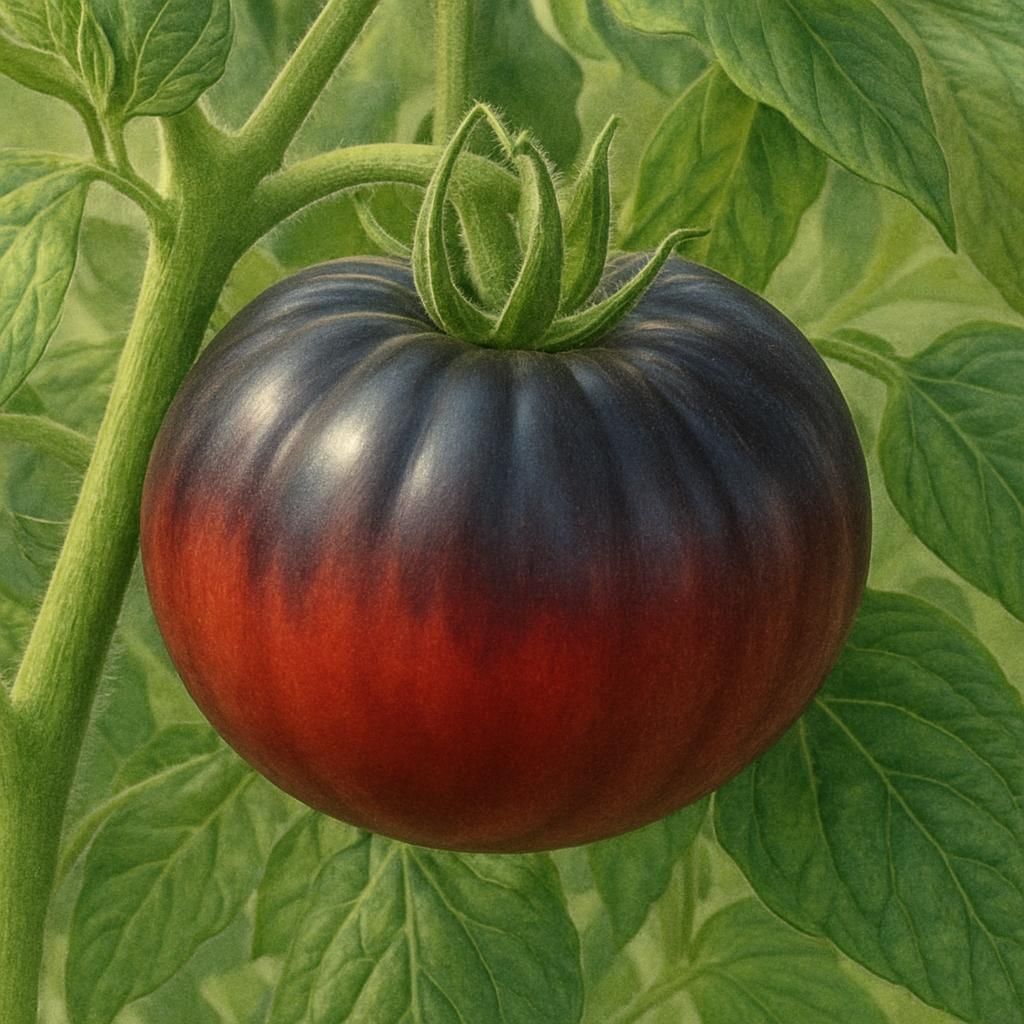
Black Krim Tomato (Solanum lycopersicum 'Black Krim') is an heirloom beefsteak variety originating from the Crimean Peninsula. Renowned among professional growers for its dramatic dark coloration, complex smoky-sweet flavor, and exceptional productivity, this indeterminate tomato has become a staple in market gardens and specialty tomato programs. The fruit develops rich burgundy-black shoulders that transition to deep red at the blossom end, often weighing between 8 and 16 ounces. Its thin skin and juicy, almost wine-like flesh make it ideal for fresh eating, slicing, and gourmet presentations.
Growers value Black Krim for its ability to perform in warm summer conditions while maintaining flavor intensity. The variety typically matures in 70–90 days from transplant and continues producing until frost. Because it is an open-pollinated heirloom, seed saving is straightforward, allowing consistent production year after year. Professional operations often integrate Tomato cultivation techniques to maximize Black Krim performance alongside other specialty varieties.
Botanical Profile of Black Krim Tomato
Black Krim belongs to the Solanaceae family and exhibits classic indeterminate growth, producing long vines that require sturdy support structures. The plant develops large, slightly lobed leaves with a deep green hue and produces clusters of 3–5 fruits per truss. Flowers are self-pollinating and typically appear 6–8 weeks after transplanting. The distinctive dark pigmentation results from elevated anthocyanin levels, which also contribute to the tomato’s unique flavor compounds.
The fruit’s shoulders often remain purple-black even when fully ripe, while the blossom end turns mahogany red. This coloration intensifies with direct sunlight exposure and adequate potassium levels. Professional growers monitor truss development closely because Black Krim sets fruit continuously under favorable conditions, often yielding 15–25 pounds per plant with proper management.
Soil, pH, and Climate Requirements for Black Krim Tomato (MUST INCLUDE A MARKDOWN TABLE OF IDEAL CONDITIONS)
Successful Black Krim production begins with optimal soil preparation. The variety performs best in well-drained, fertile loam enriched with organic matter. Soil should be amended with aged compost or well-rotted manure several weeks before planting. Avoid heavy clay soils that retain excessive moisture, as they increase risk of Root rot.
Black Krim requires consistent warmth and full sun exposure of at least 8 hours daily. Daytime temperatures between 70–85°F (21–29°C) and nighttime temperatures above 55°F (13°C) promote vigorous growth and fruit set. The variety shows moderate tolerance to heat but benefits from afternoon shade in extreme conditions.
| Parameter | Ideal Range | Notes |
|---|---|---|
| Soil pH | 6.2–6.8 | Slightly acidic; test and amend annually |
| Soil Type | Loamy, well-drained | High organic matter content preferred |
| Day Temperature | 70–85°F (21–29°C) | Optimal for fruit set and color development |
| Night Temperature | 55–65°F (13–18°C) | Prevents blossom drop |
| Sunlight | 8+ hours direct | South-facing exposure ideal |
| Spacing | 24–36 inches between plants | Rows 48–60 inches apart |
| Soil Temperature (planting) | 60°F+ (15.5°C+) | Use black plastic mulch for warming |
Step-by-Step Planting & Propagation
Start seeds indoors 6–8 weeks before the last expected frost. Sow seeds ¼ inch deep in sterile seed-starting mix at 75–80°F (24–27°C). Maintain consistent moisture and provide 14–16 hours of supplemental light daily. Harden off seedlings for 7–10 days before transplanting.
Transplant outdoors once soil temperature reaches 60°F (15.5°C) and all danger of frost has passed. Dig planting holes 12–18 inches deep and amend with compost and a balanced organic fertilizer. Set plants deeply, burying the stem up to the first true leaves to encourage strong root development. Install sturdy cages or trellises at planting time to support the vigorous vines.
Water thoroughly after transplanting and apply a 2–3 inch layer of organic mulch to conserve moisture and suppress weeds. Maintain 24–36 inch spacing between plants and 48–60 inch row spacing to ensure adequate airflow and reduce disease pressure.
Care & Maintenance regimes for Black Krim Tomato (MUST INCLUDE A MARKDOWN TABLE OF WATER, FERTILIZER, AND PRUNING SCHEDULES)
Consistent care throughout the growing season is essential for maximizing yield and fruit quality. Black Krim responds well to regular monitoring of soil moisture, nutrient levels, and vine structure. Professional growers implement structured irrigation, feeding, and pruning schedules to maintain plant health and prevent common issues such as Blossom End Rot.
| Growth Stage | Watering Schedule | Fertilizer Application | Pruning Schedule |
|---|---|---|---|
| Transplant–Flowering | 1–1.5 inches/week; deep soak 2–3× weekly | Balanced 4-4-4 or 5-5-5 at planting; side-dress at 3 weeks | Remove lower leaves and suckers below first flower cluster |
| Flowering–Fruit Set | Increase to 2 inches/week during heat | High-phosphorus bloom booster every 2 weeks | Continue sucker removal; tie vines weekly |
| Fruit Ripening | Maintain even moisture; reduce slightly near harvest | Potassium-rich fertilizer every 10–14 days | Top vines at 5–6 feet; remove diseased foliage |
| Post-Harvest Cleanup | Taper watering as plants decline | Light compost tea if regrowth occurs | Remove all debris; sanitize stakes and cages |
Monitor leaf color and growth rate weekly. Yellowing lower leaves may indicate nitrogen deficiency, while purple veins suggest phosphorus shortage. Adjust feeding programs accordingly while avoiding excessive nitrogen that promotes foliage over fruit.
Pests, Diseases & Organic Management
Black Krim is susceptible to several common tomato pests and diseases. Regular scouting and early intervention are critical. Primary insect threats include Aphids, Hornworms, and Spider mites. Fungal diseases such as Early blight, Late blight, and Septoria leaf spot can rapidly reduce yields if unmanaged.
Implement integrated pest management strategies including yellow sticky traps, beneficial insect releases, and neem oil applications. Rotate crops every 3–4 years and remove volunteer tomato plants to break disease cycles. Use copper-based fungicides and Bacillus subtilis products as preventive measures during humid periods. Maintain good airflow through proper spacing and pruning to minimize foliar disease.
Harvesting, Curing & Optimal Storage
Harvest Black Krim tomatoes when shoulders reach deep purple-black and the blossom end shows full color with slight softening. Pick fruit in the morning when temperatures are cooler to preserve quality. Use pruning shears to avoid damaging vines.
For optimal flavor, allow tomatoes to ripen fully on the vine when possible. If early frost threatens, harvest mature green fruit and ripen indoors at 65–70°F (18–21°C). Store ripe fruit at room temperature away from direct sunlight; refrigeration diminishes flavor. Excess harvest can be processed into sauces, salsas, or dehydrated for long-term storage.
Companion Planting for Black Krim Tomato
Strategic companion planting enhances Black Krim performance while deterring pests. Recommended pairings include Basil for aphid suppression, Marigold for nematode control, and Nasturtium as a trap crop. Garlic and Onion planted nearby help repel spider mites and thrips.
Avoid planting near Fennel or Walnut trees, which can inhibit tomato growth through allelopathy. Interplant with Pepper and Eggplant for efficient space utilization and shared cultural requirements. These combinations improve biodiversity and support natural pest control within the tomato bed.