Encyclopedia
Definitive guides for crops, pests, and agricultural diseases.
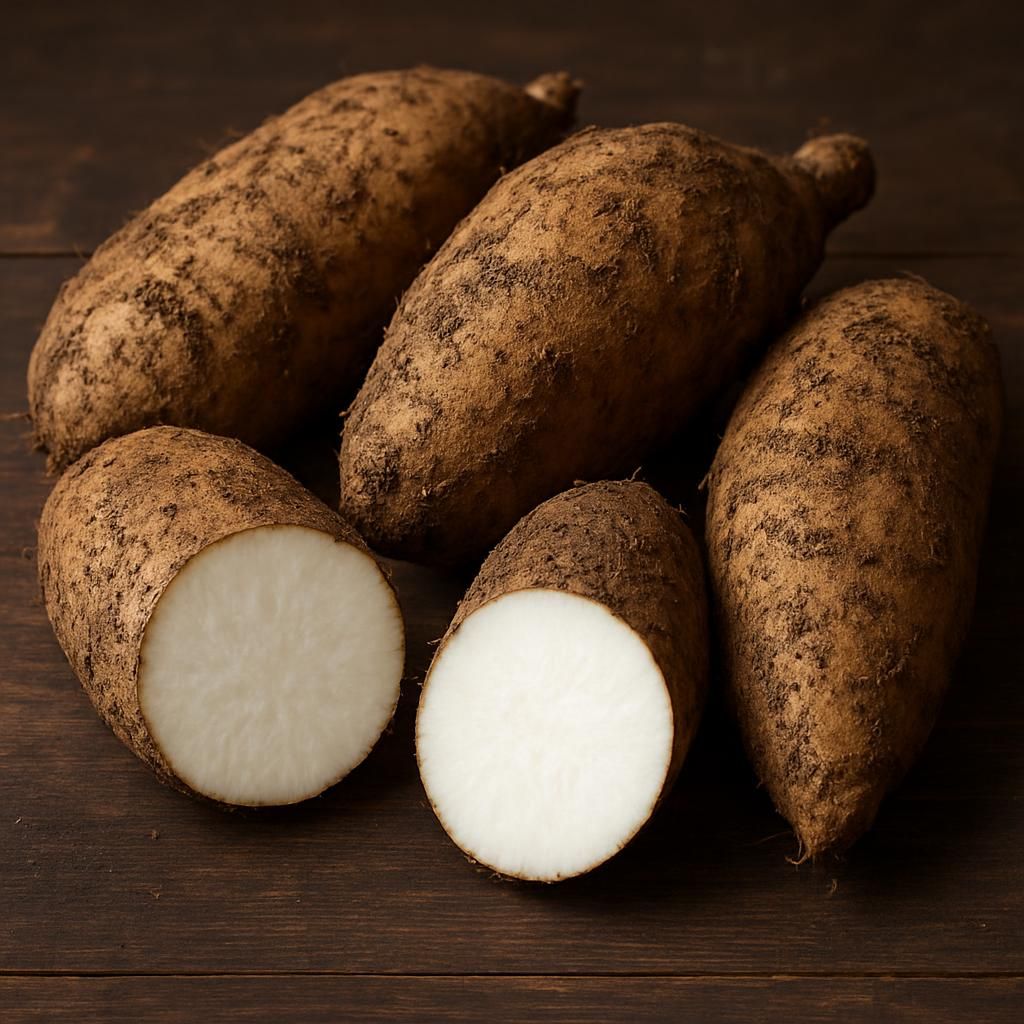
Yam (Dioscorea rotundata - White Guinea)
White Guinea yam is a staple tuber crop of West Africa prized for its high starch content, long storage life, and resilience in tropical savanna climates. This definitive guide covers soil preparation, propagation, integrated pest management, and post-harvest handling to maximize yields for commercial and smallholder farmers.
View Guide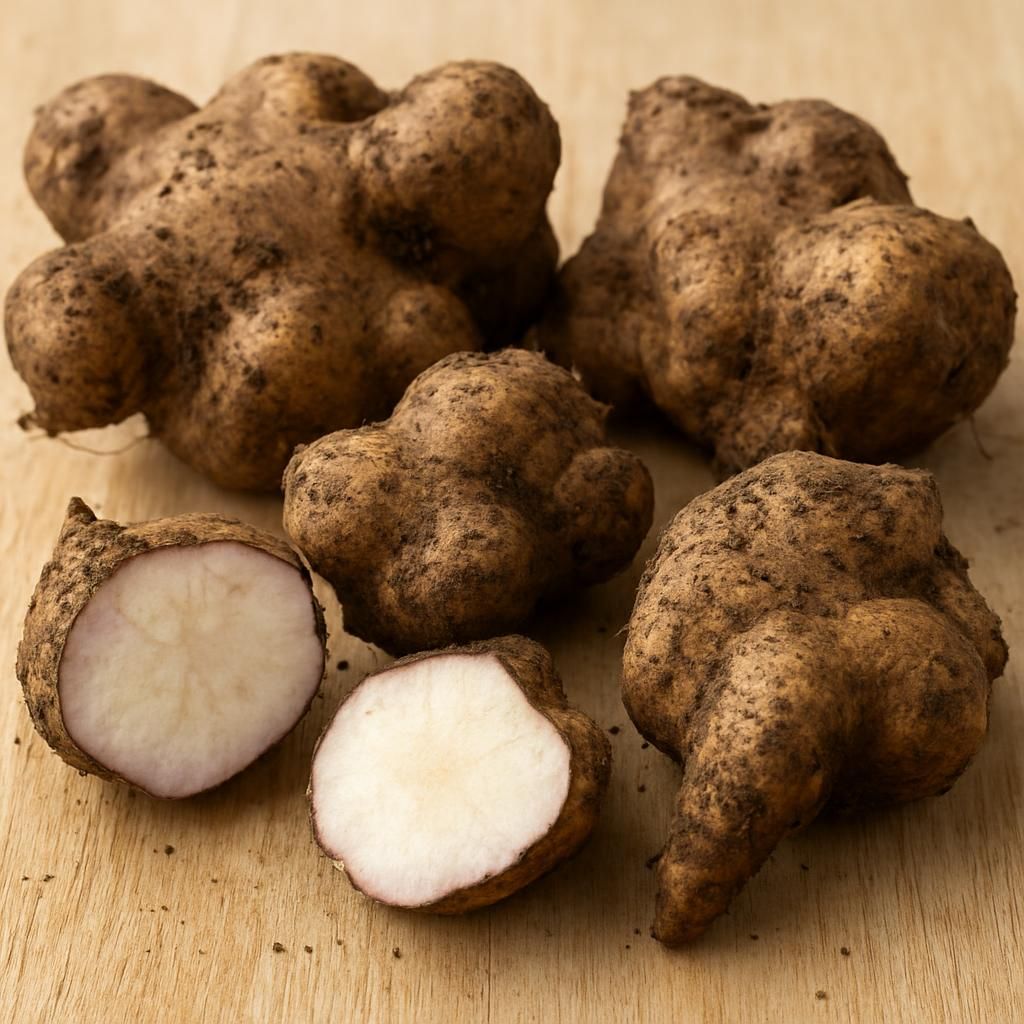
Yam (Dioscorea trifida - Cush-cush)
Dioscorea trifida, commonly known as Cush-cush yam, is a tropical tuber crop prized for its small, sweet, and starchy tubers that are a dietary staple across the Caribbean and parts of South America. This climbing vine requires warm temperatures, well-drained soils, and a long growing season to produce high-quality yields. The following guide delivers professional-grade, practical advice for successful cultivation.
View Guide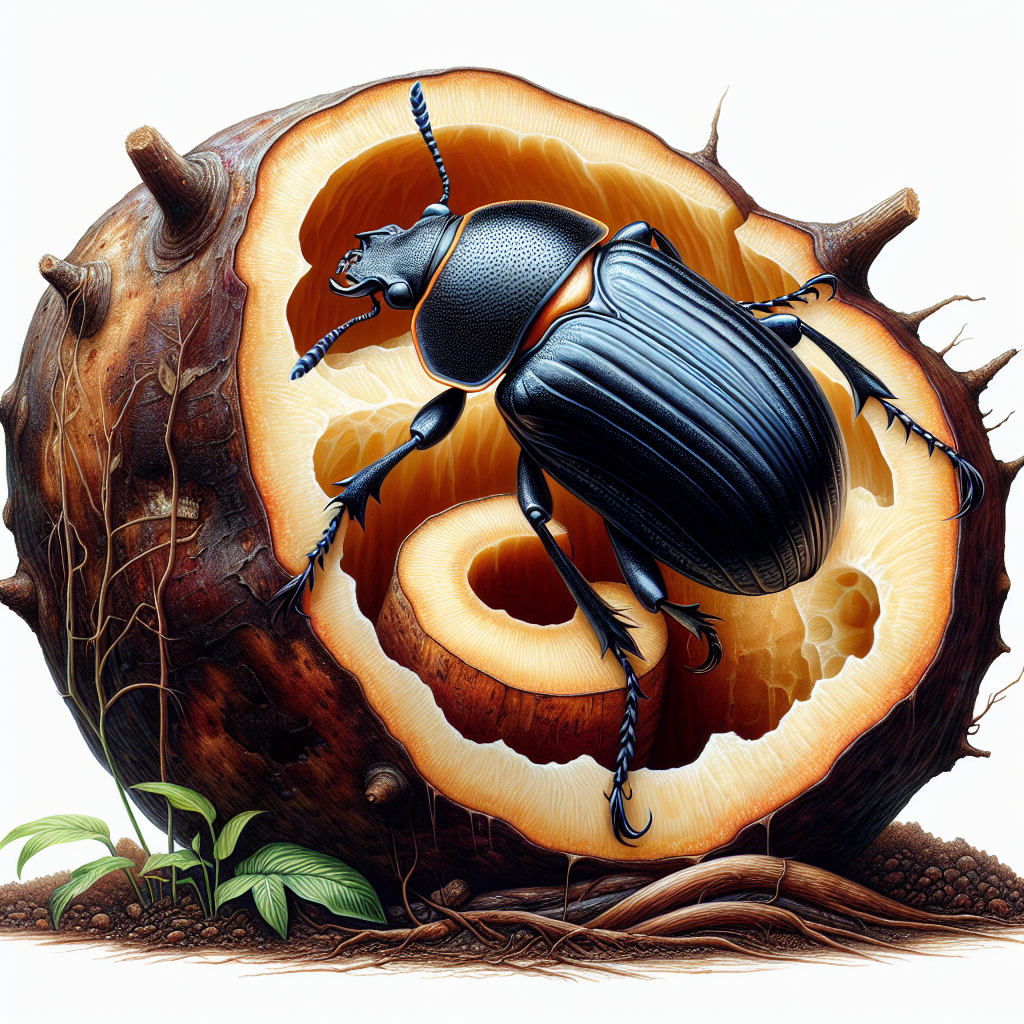
Yam beetles
Yam beetles are destructive soil-dwelling pests that target yam tubers, causing significant yield losses in tropical agriculture. Native to West Africa, these large black beetles and their larvae feed voraciously on underground plant parts, leading to tunneling damage and crop failure. Effective management combines cultural practices, organic treatments, and vigilant monitoring for sustainable yam production.
View Profile
Yam nematodes
Yam nematodes are microscopic, soil-dwelling worms that attack yam tuber roots, causing stunted growth, yield losses up to 70%, and tuber deformities. Primarily root-knot (Meloidogyne spp.) and lesion nematodes (Pratylenchus spp.), they thrive in warm, sandy soils and spread via infested soil or planting material. Effective management combines resistant varieties, crop rotation, and organic soil amendments for sustainable control.
View Profile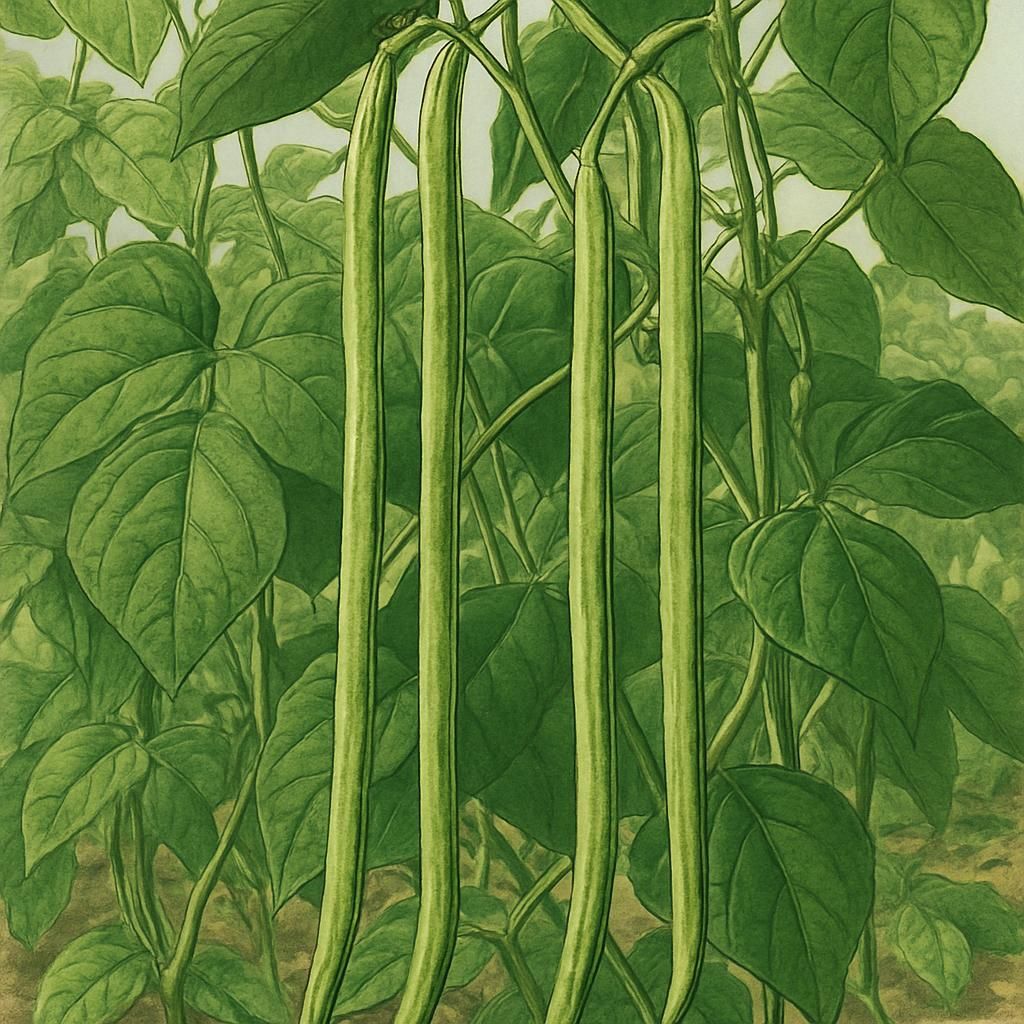
Yard Long Bean (Green Pod)
Yard Long Bean, also known as the Chinese long bean, is a vigorous climbing vine producing slender, long pods that are commonly used in Asian cuisine. These beans thrive in warm climates and rich soils, making them an attractive crop for home gardeners and small-scale farmers.
View Guide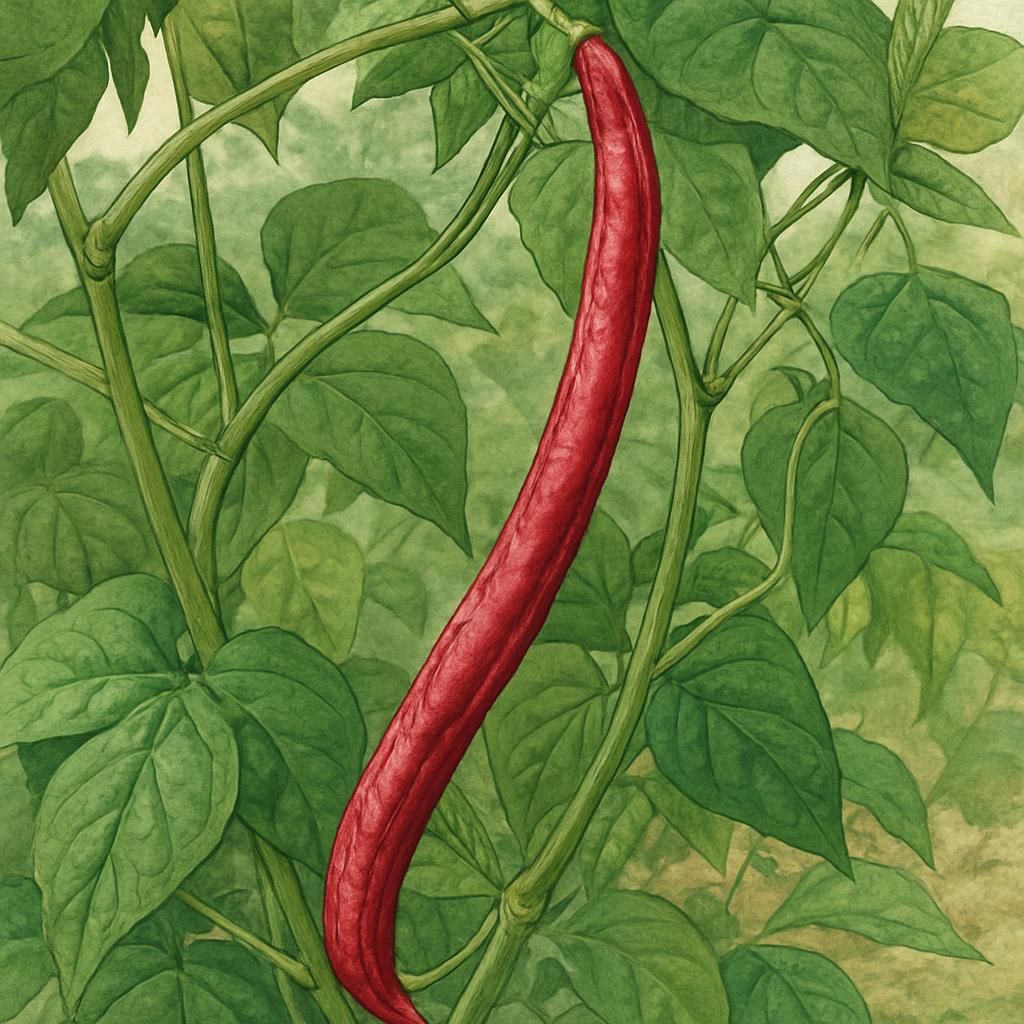
Yard Long Bean (Red Noodle)
The Yard Long Bean, also known as Red Noodle bean, is a versatile and strikingly vibrant-colored legume known for its lengthy pods and rapid growth in warm climates.
View Guide
Yarrow
Yarrow (Achillea millefolium) is a resilient perennial herb renowned for its feathery foliage, clusters of tiny flowers, and medicinal properties. Thriving in poor soils and dry conditions, it attracts pollinators and serves as a dynamic companion plant in gardens and farms. This guide provides expert techniques for propagation, care, pest management, and harvest to maximize its benefits.
View Guide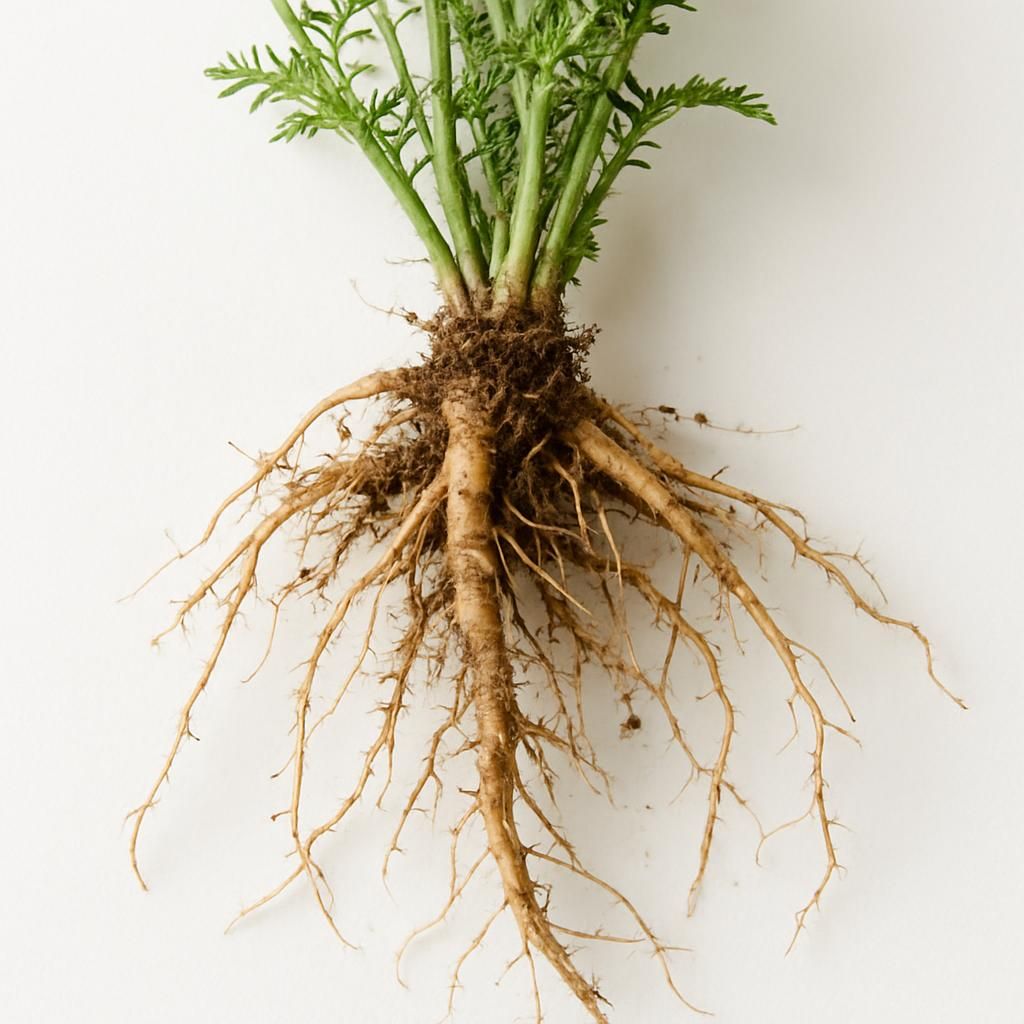
Yarrow Root
Yarrow Root is the fibrous underground system of the perennial herb Achillea millefolium, valued for its medicinal properties and soil-building benefits. This deep-diving guide covers every stage of cultivation from soil preparation through harvest and storage.
View Guide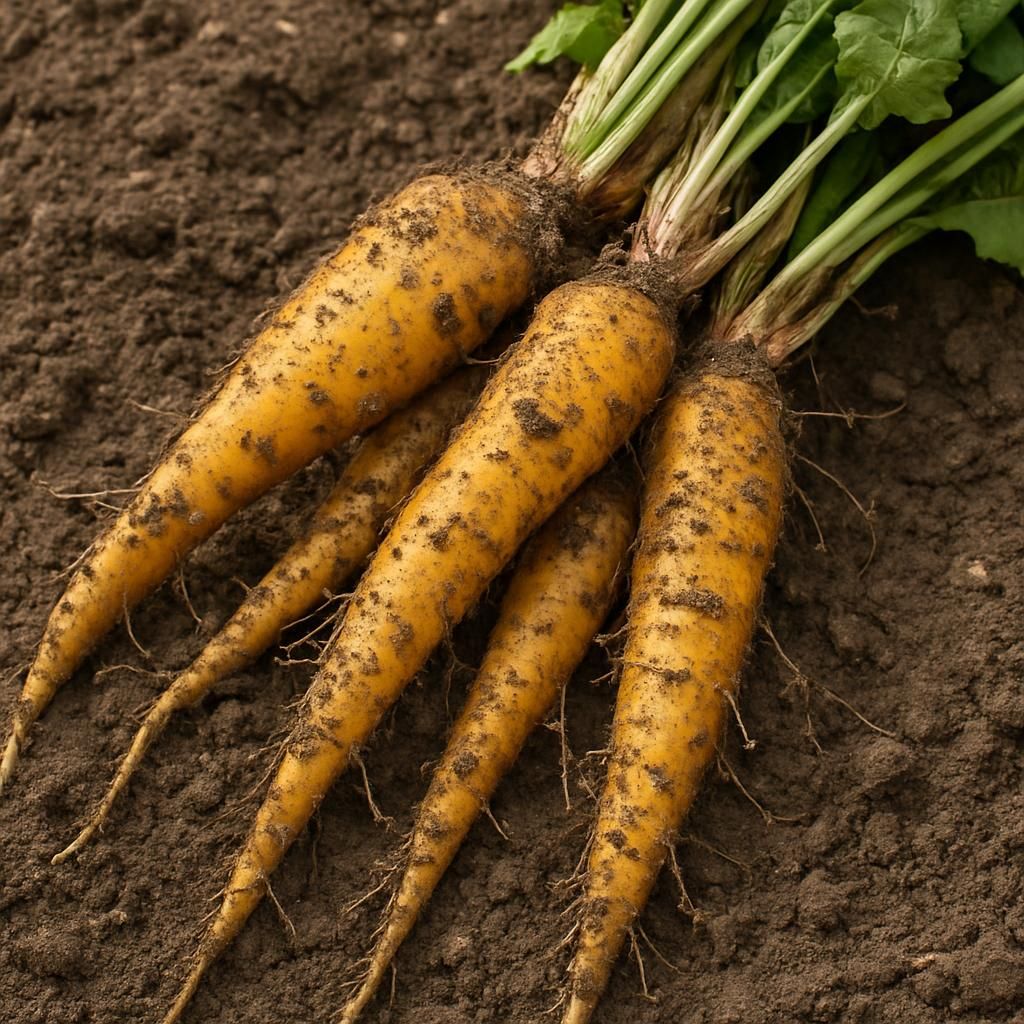
Yellow Dock Root
Yellow Dock Root is a hardy perennial herb valued for its deep taproot, which has long been used in traditional herbalism and as a dynamic accumulator in regenerative agriculture. It thrives in disturbed soils and serves as both a medicinal crop and a soil-improving pioneer species. This guide covers professional-grade cultivation practices for reliable root production.
View Guide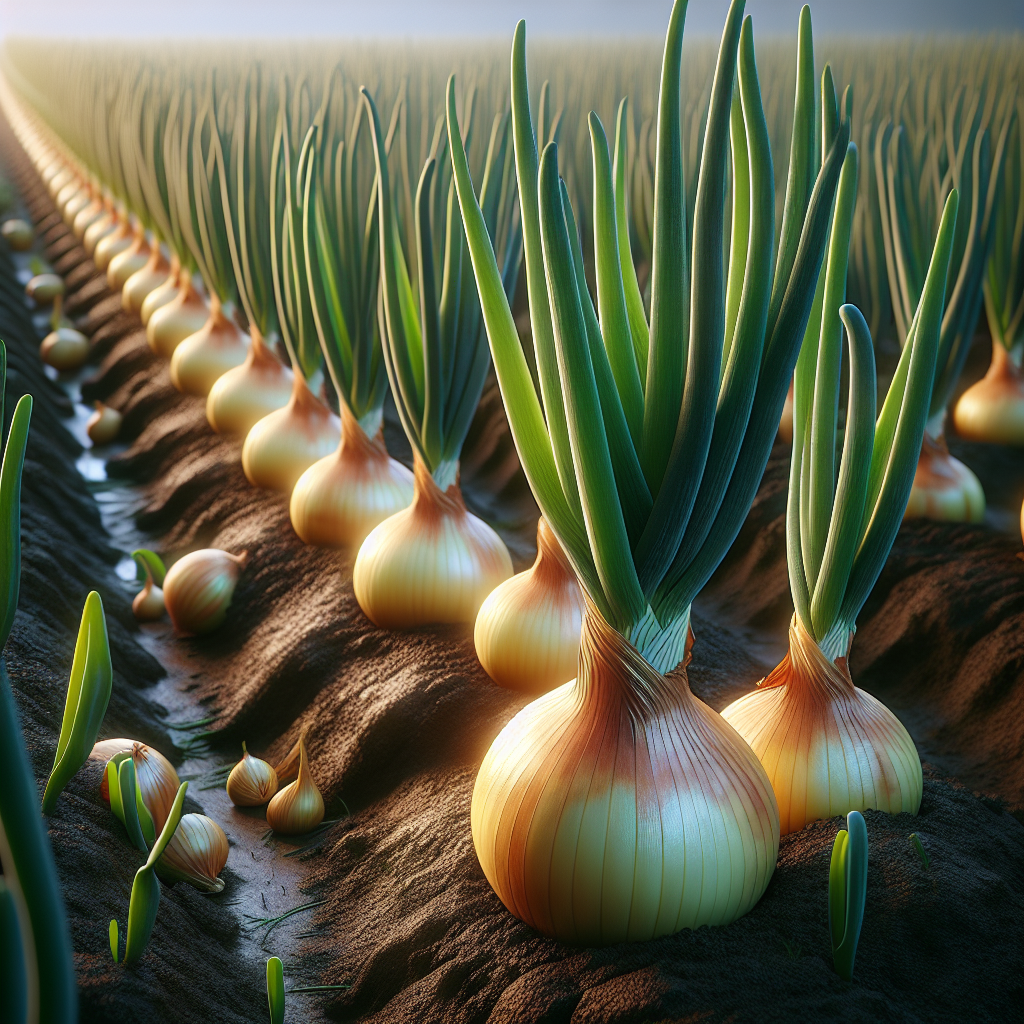
Yellow Onion (Walla Walla)
Yellow Onion (Walla Walla) is a famous long-day sweet onion known for its large, globe to slightly flattened bulbs, mild flavor, and exceptional fresh-eating quality. Best adapted to cool temperate regions with long summer days, it rewards careful soil preparation and moisture management with juicy, low-pungency bulbs that are prized for slicing, grilling, and market sales.
View Guide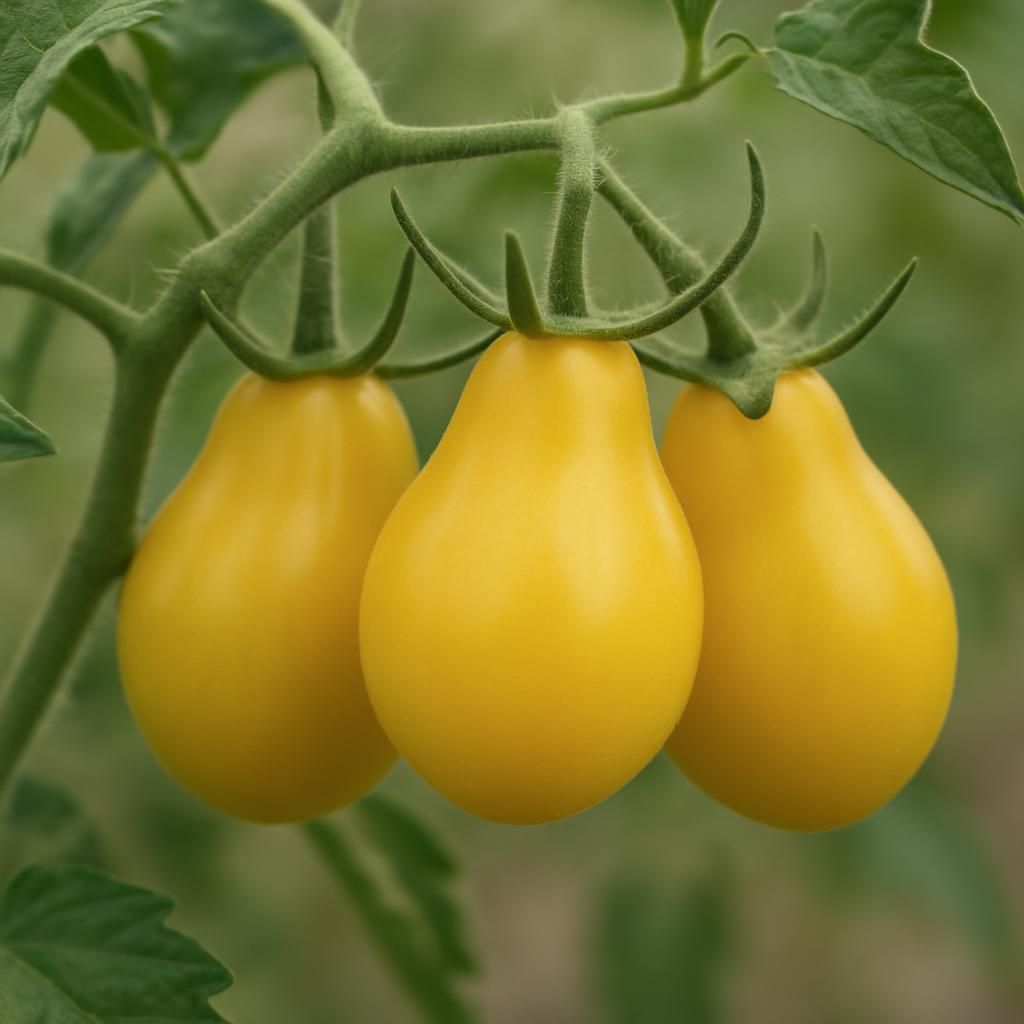
Yellow Pear Tomato
Yellow Pear Tomato is an indeterminate heirloom variety prized for its small, pear-shaped yellow fruits with a sweet, mild flavor. This vigorous producer excels in home gardens and small farms, offering high yields and excellent disease resistance when grown with proper care.
View Guide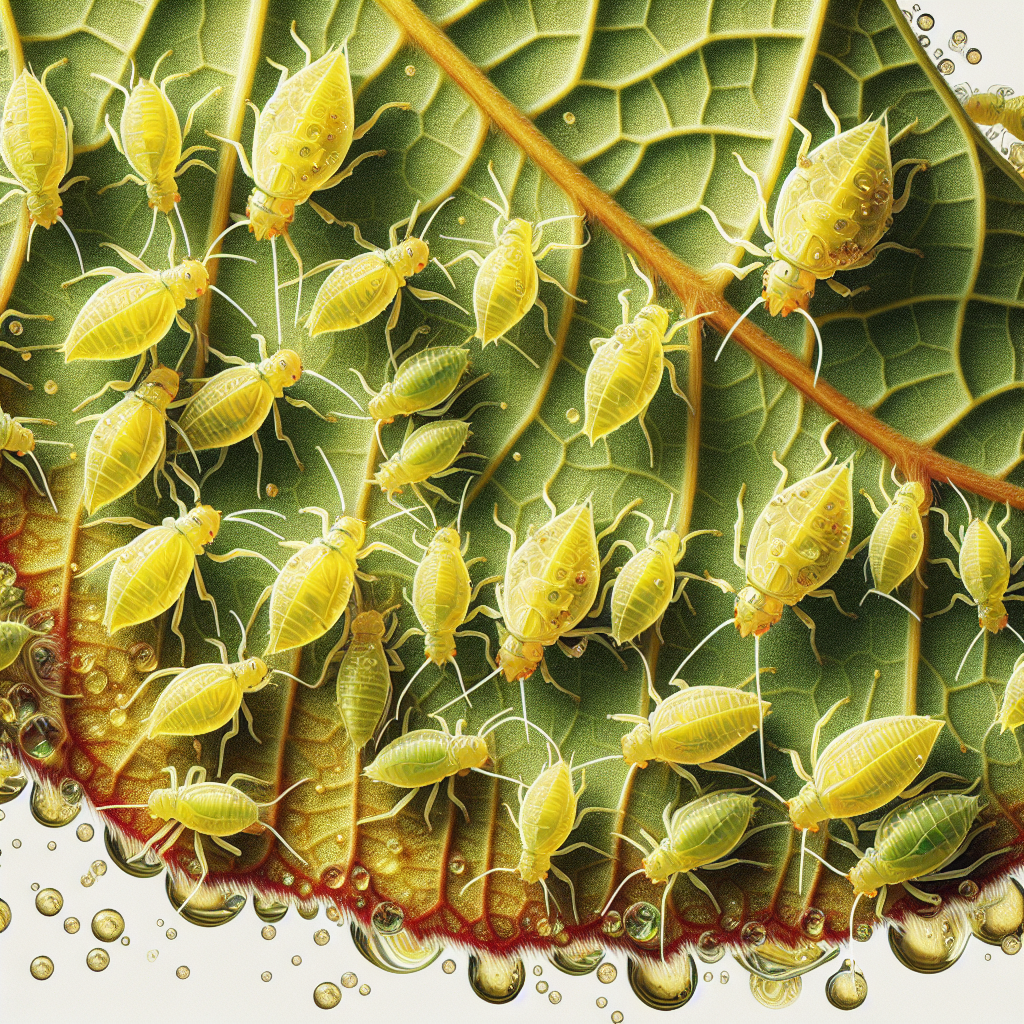
Yellow pecan aphids
Yellow pecan aphids (Monellia clypeata) are small, pale yellow insects that infest pecan trees, causing leaf curl, honeydew production, and sooty mold growth. They thrive in warm, dry conditions and can significantly reduce nut quality and yield if unmanaged. Effective organic controls include beneficial insects, horticultural oils, and cultural practices for long-term prevention.
View Profile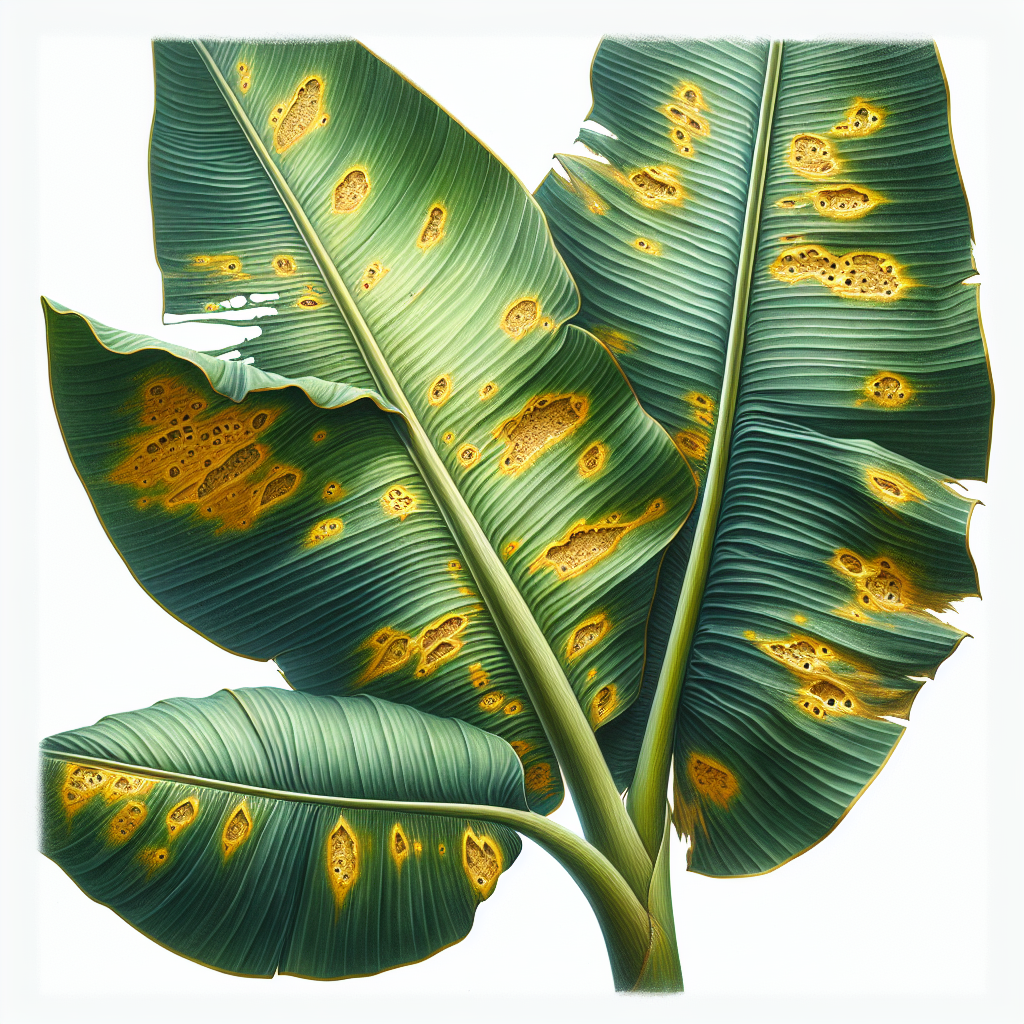
yellow Sigatoka
Yellow Sigatoka is a destructive foliar disease caused by the fungus Mycosphaerella musicola, primarily affecting banana and plantain crops worldwide. It leads to reduced photosynthesis, premature leaf drop, and significant yield losses of up to 50% if unmanaged. Effective management relies on cultural practices, resistant varieties, and timely organic fungicide applications.
View Profile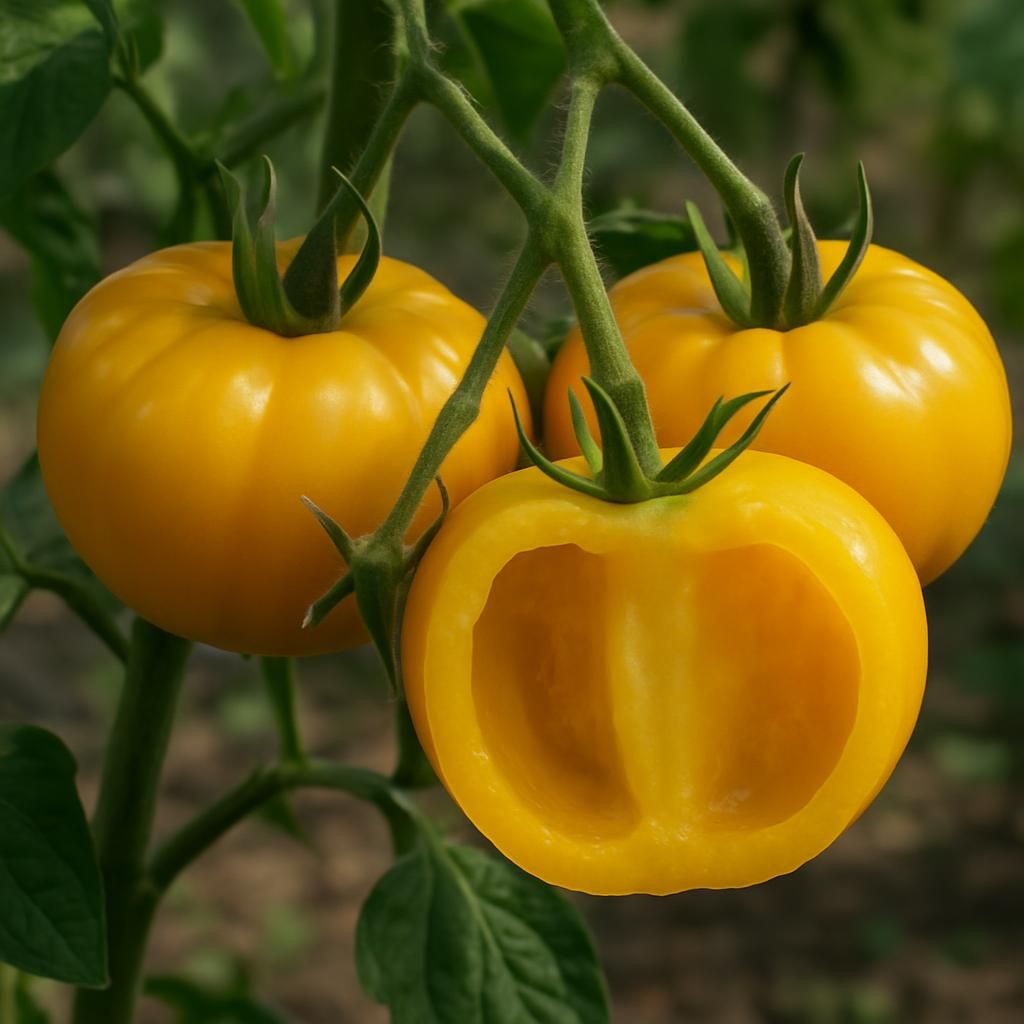
Yellow Stuffer Tomato
Yellow Stuffer Tomato is a large, hollow heirloom-style tomato prized for its thick walls and mild, sweet flavor that makes it ideal for stuffing and culinary presentations. It offers reliable yields when grown with proper attention to soil fertility, consistent moisture, and disease management. This guide delivers professional-grade, field-tested advice for successful home and market production.
View Guide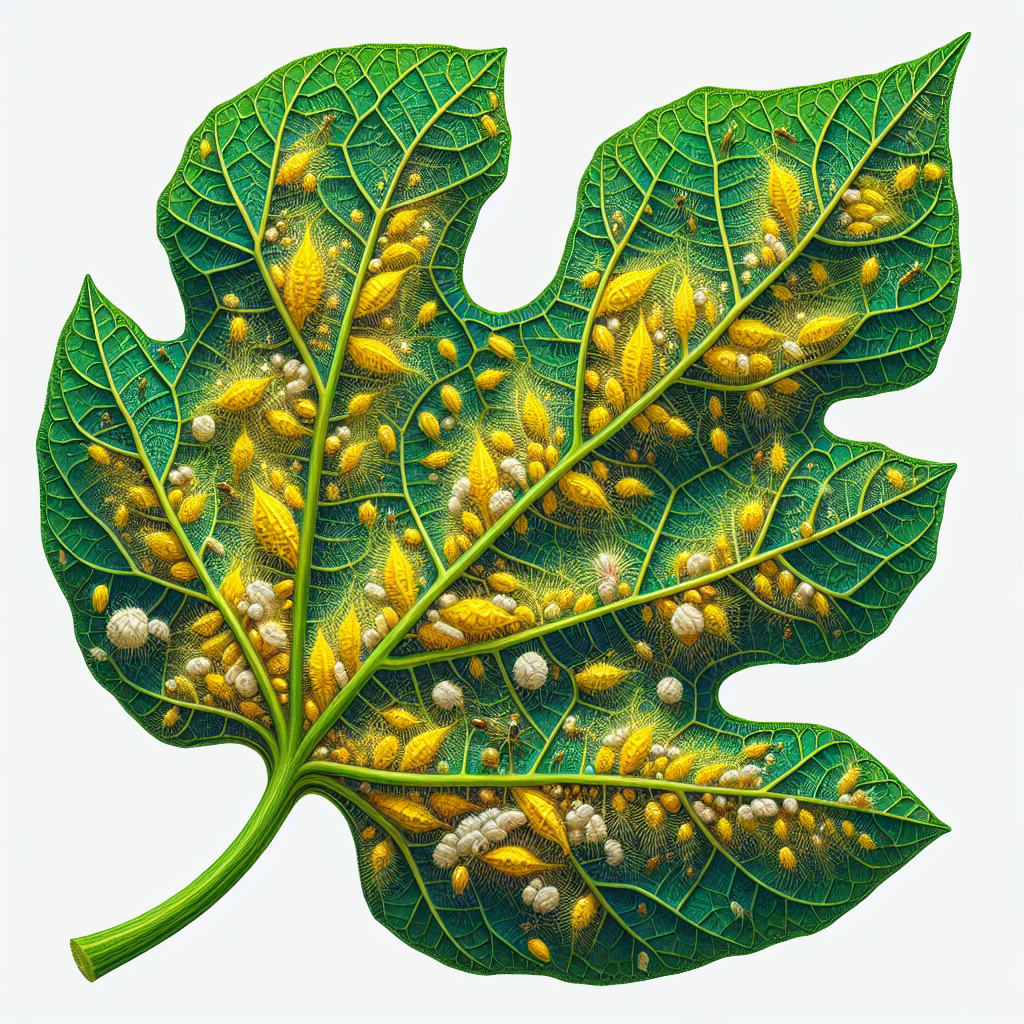
yellow vein mosaic
Yellow vein mosaic is a devastating viral disease primarily affecting okra and other vegetable crops, transmitted by whiteflies, causing characteristic yellowing along leaf veins and severe yield losses. This guide provides comprehensive diagnostics, organic management strategies, and prevention tactics for farmers battling this pervasive issue. Early detection and integrated approaches can minimize damage and protect crop productivity.
View Profile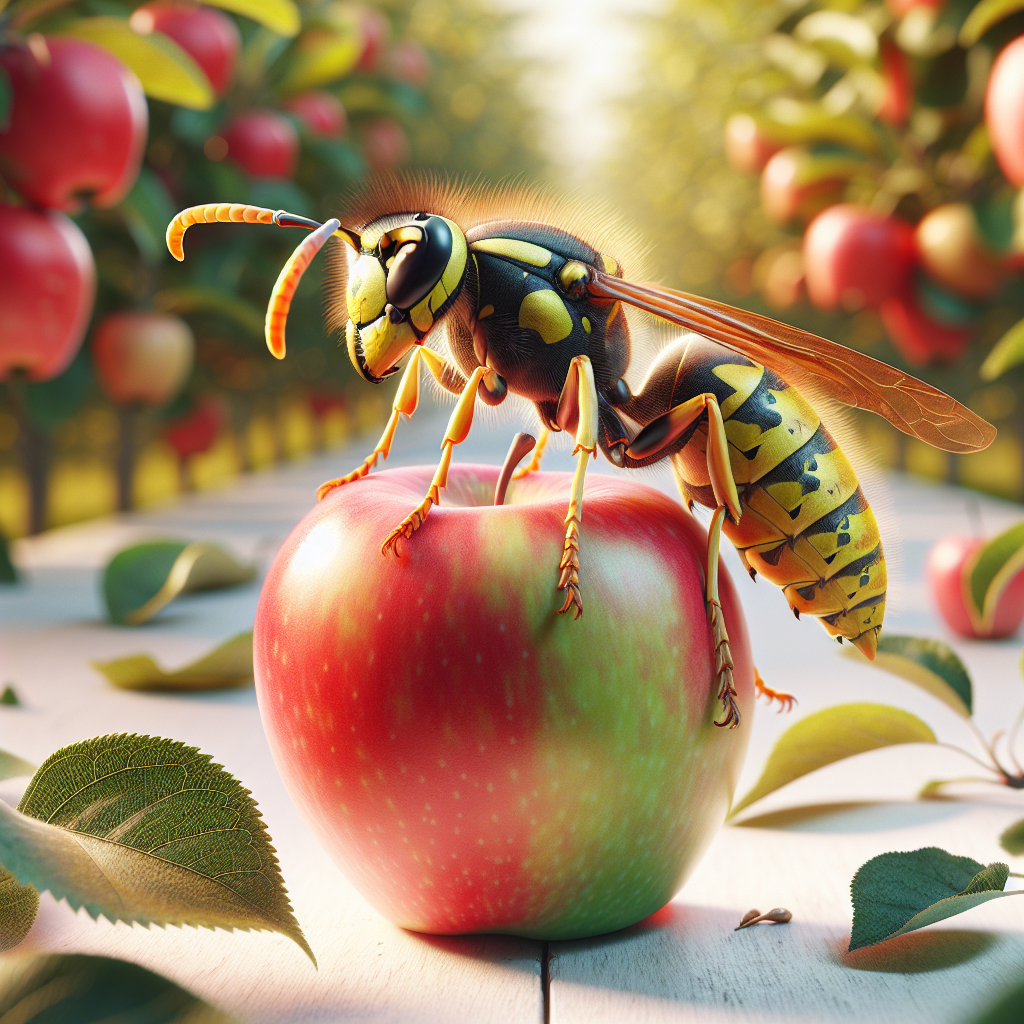
yellowjackets
Yellowjackets are aggressive social wasps that pose significant risks to agricultural operations by preying on beneficial insects, contaminating crops with stings, and disrupting pollination efforts. This guide provides professional diagnostic tools, lifecycle insights, organic management strategies, and prevention tactics tailored for farmers dealing with yellowjacket infestations in orchards and gardens. Effective control minimizes crop losses while preserving ecological balance.
View Profile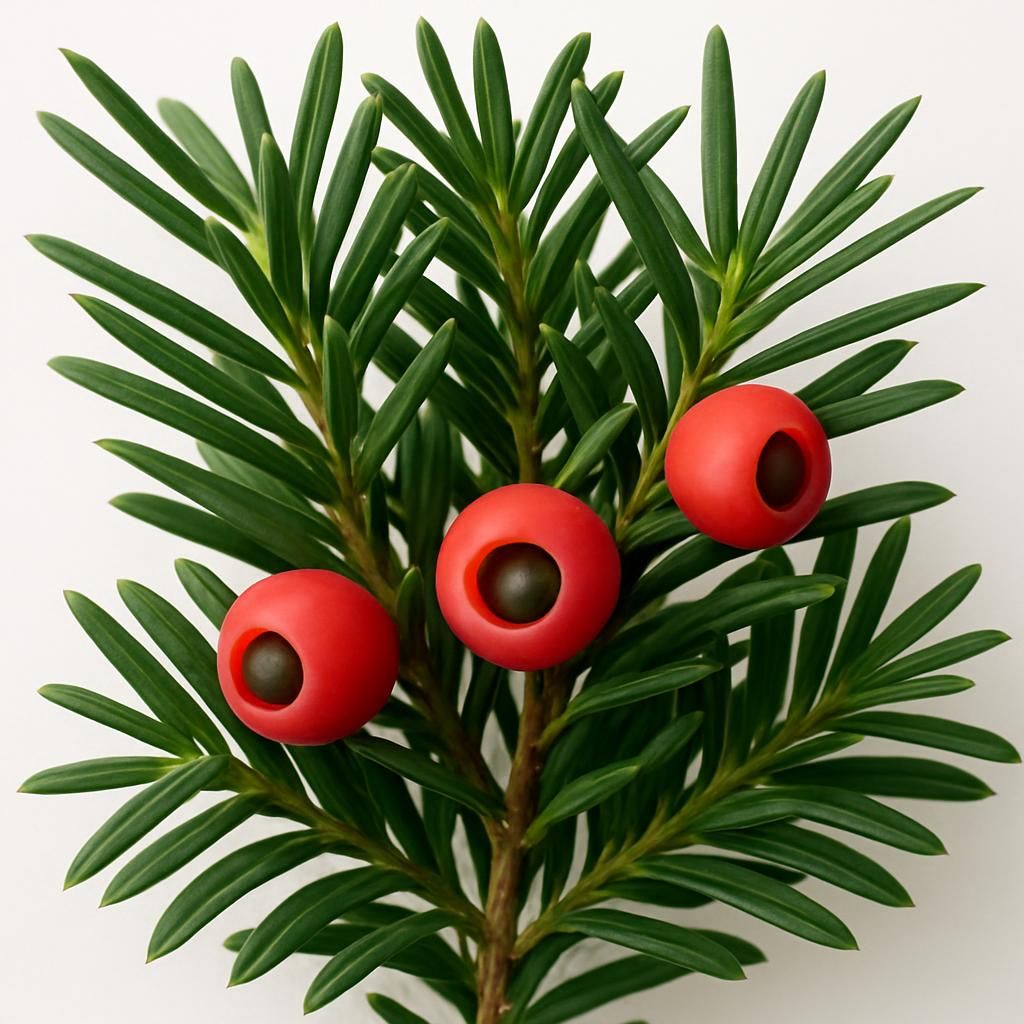
yew
European yew is a long-lived evergreen conifer valued for its dense foliage, ornamental hedging, and historically significant wood. It is grown commercially for taxane compounds used in pharmaceuticals and as a premium landscape plant.
View Guide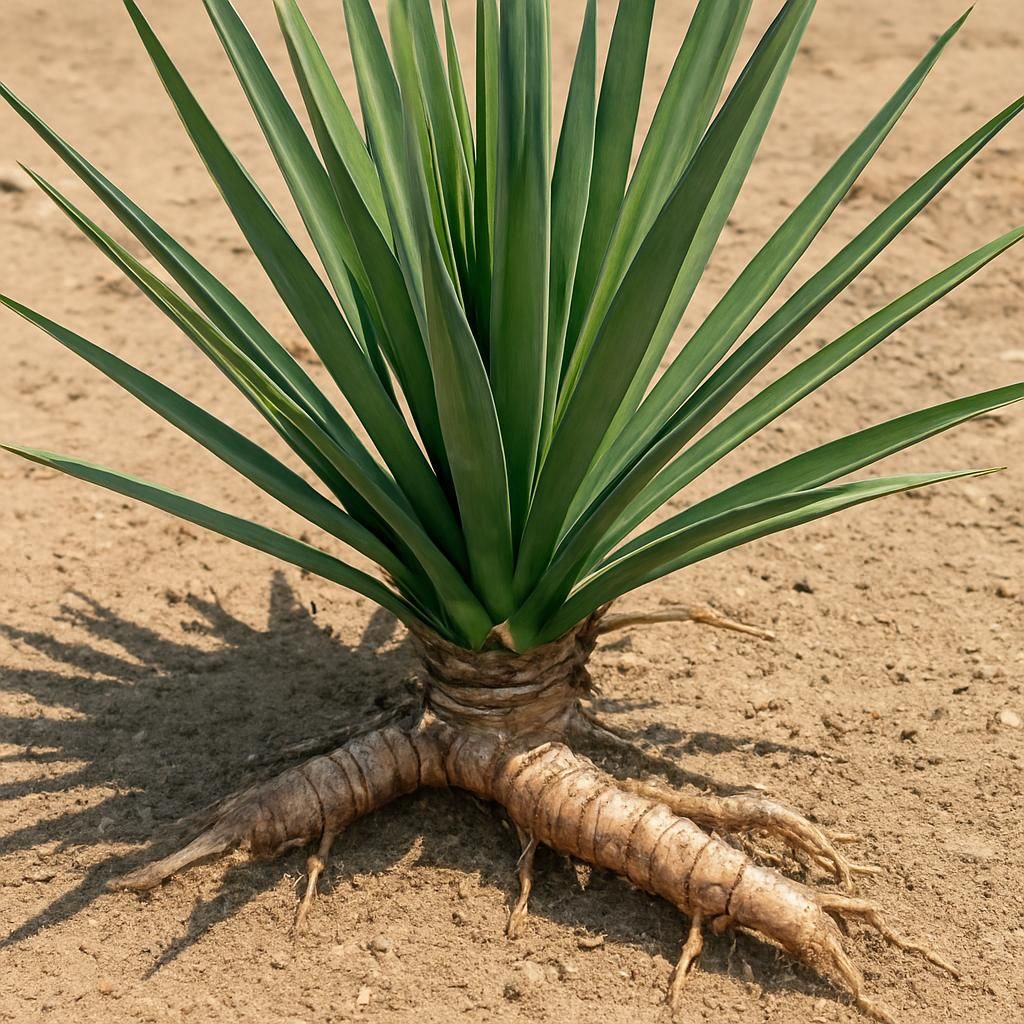
Yucca
Yucca is a drought-tolerant perennial crop valued for its edible roots, ornamental foliage, and fiber. It thrives in arid and semi-arid climates with minimal irrigation and poor soils. This guide covers complete production practices from soil preparation through harvest and storage.
View Guide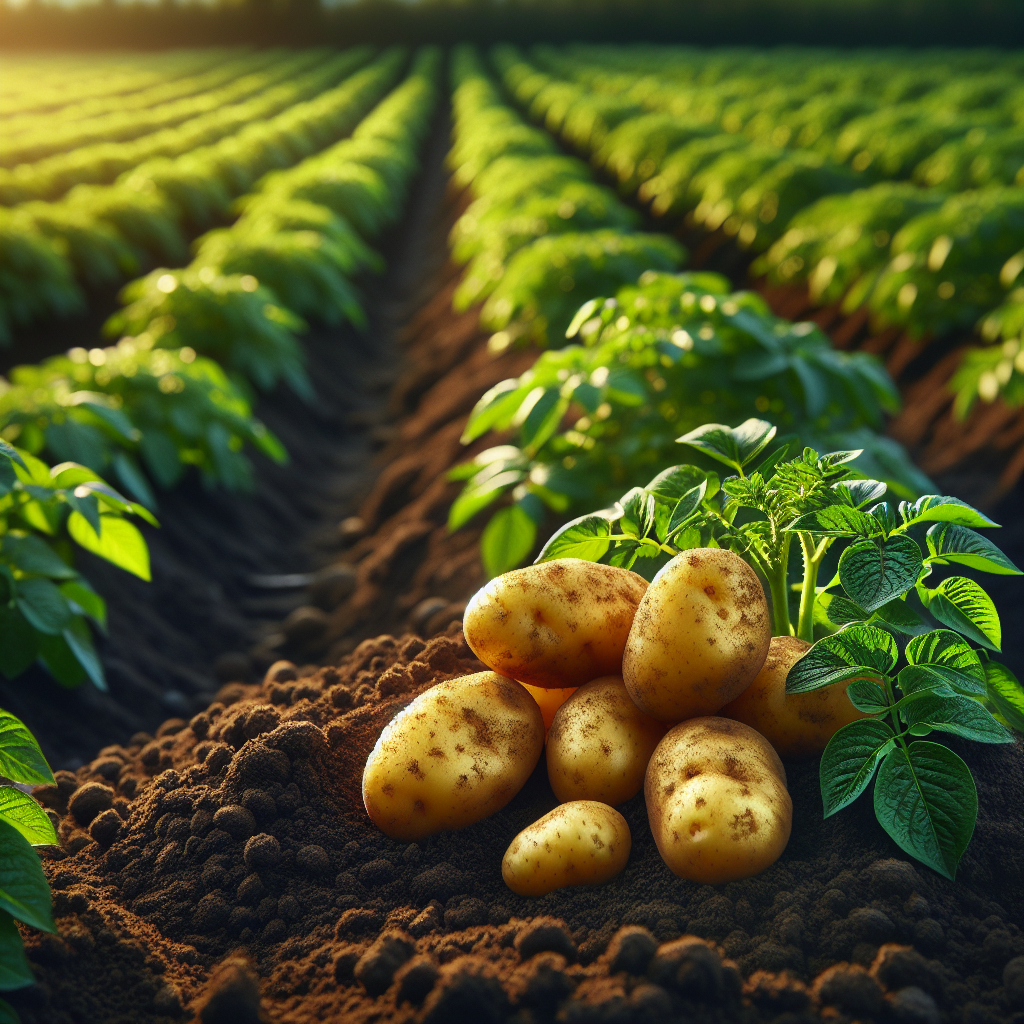
Yukon Gold Potato
Yukon Gold is a famous yellow-fleshed potato cultivar valued for its smooth tan skin, shallow eyes, buttery flavor, and reliable all-purpose kitchen performance. It is an early- to mid-season variety that rewards growers with attractive, medium-sized tubers when planted in cool weather, fertile loose soil, and carefully managed moisture.
View Guide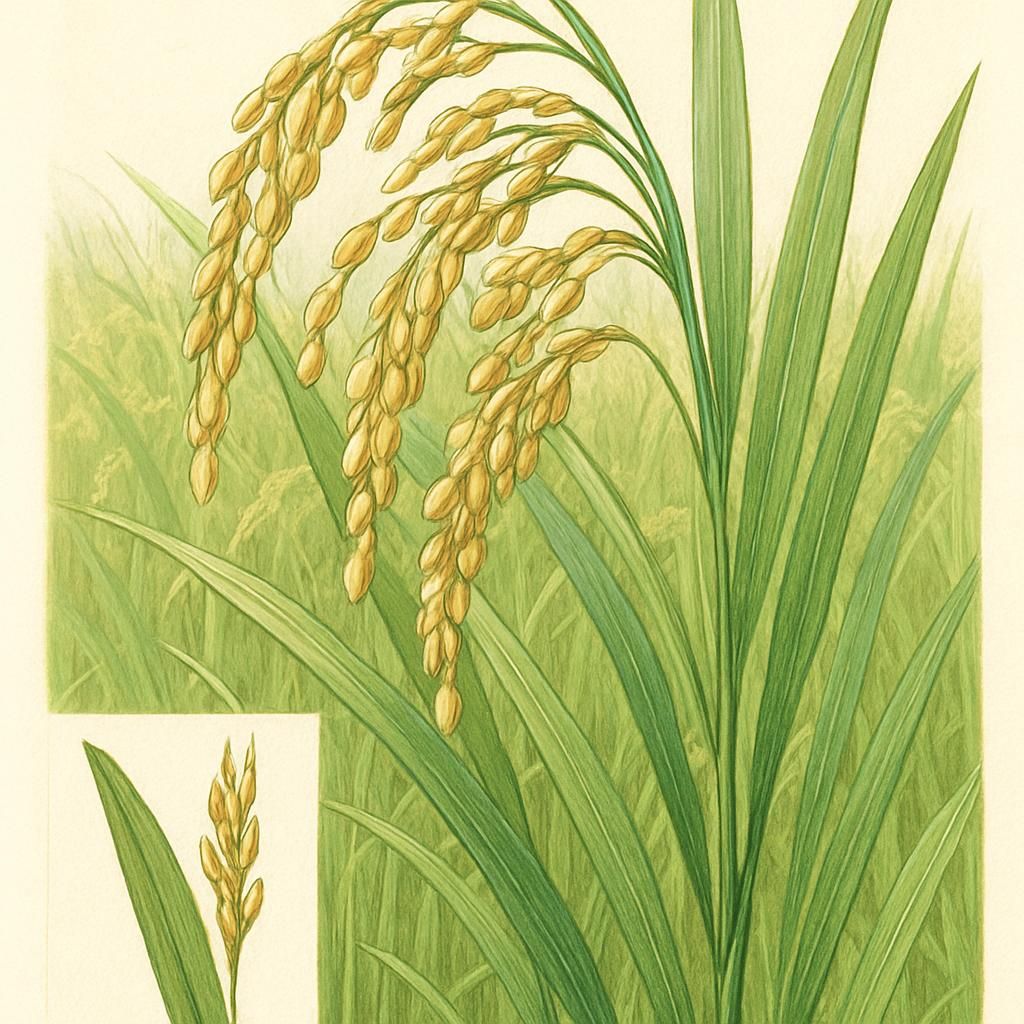
Yumepirika Rice
Yumepirika Rice is a premium short-grain rice variety prized for its glossy and plump grains, predominantly cultivated in Hokkaido, Japan. It requires meticulous care in ideal conditions to achieve its superior quality, making it an excellent choice for sushi and other gourmet dishes.
View Guide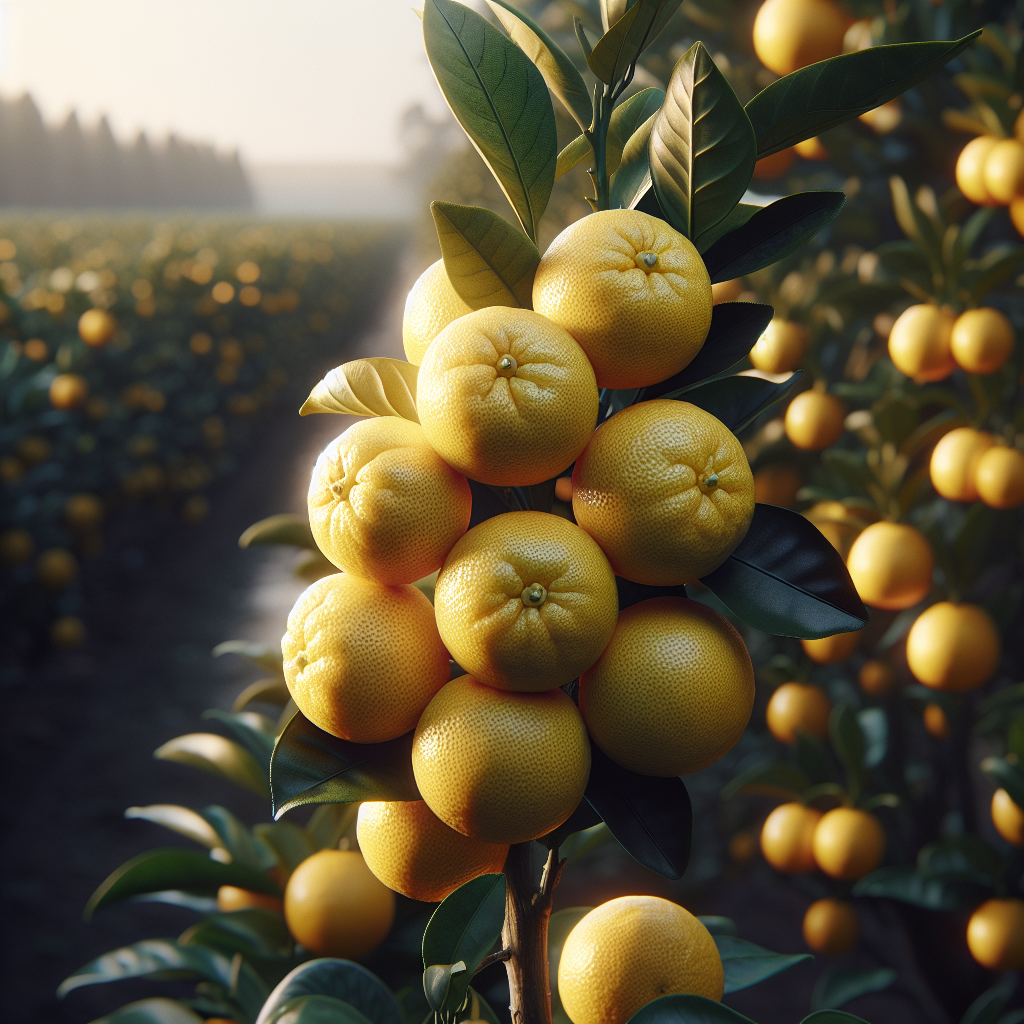
Yuzu
Yuzu is a cold-tolerant East Asian citrus prized for its intensely aromatic rind and sharply acidic juice. Unlike dessert citrus, it is grown primarily for culinary fragrance, high-value specialty markets, and ornamental appeal, making careful site selection and moisture management essential for long-term productivity.
View Guide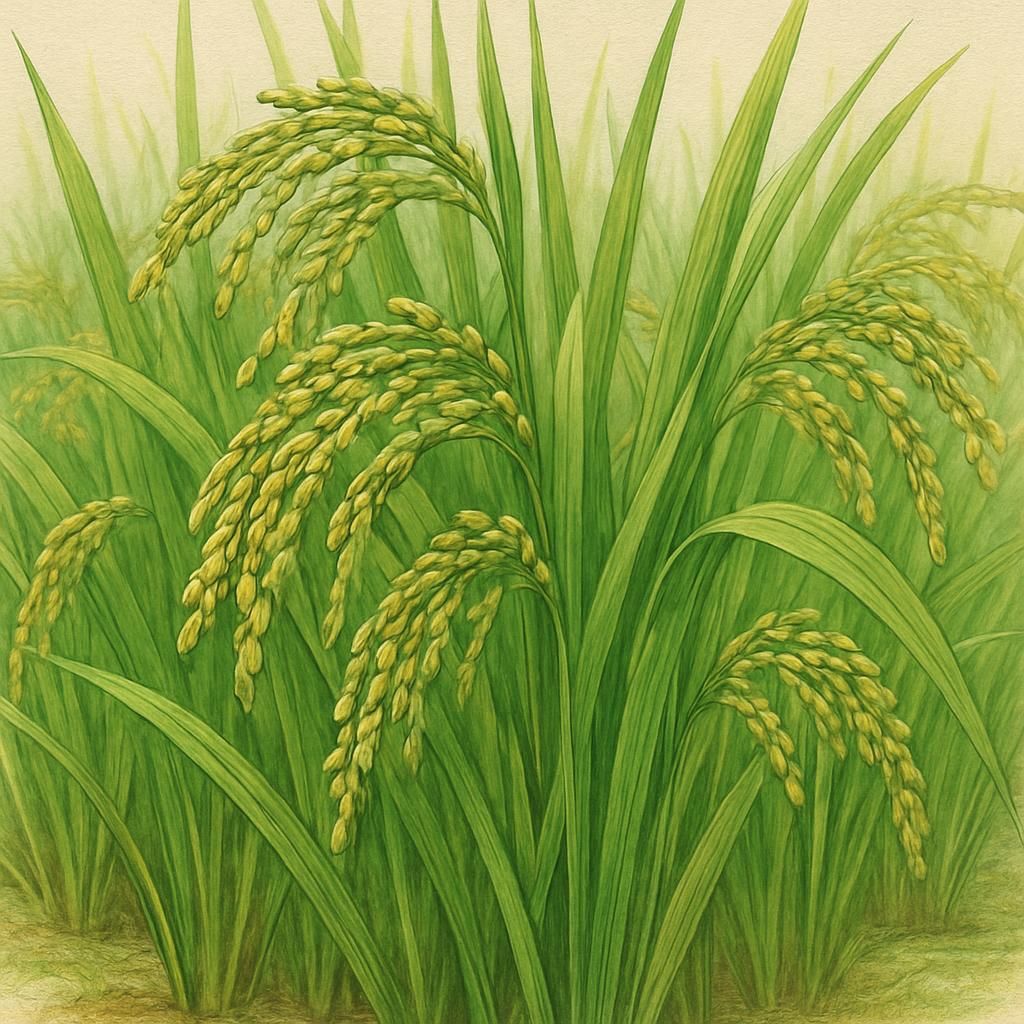
Zenith Rice
Zenith Rice is a high-yielding, medium-grain rice known for its adaptability and resistance to common diseases. It's ideal for cultivation in diverse climatic conditions, offering farmers a reliable and productive crop option.
View Guide
Zinc Deficiency
Zinc deficiency is a widespread micronutrient disorder in crops, causing stunted growth, chlorosis, and reduced yields. It manifests as interveinal yellowing and rosetting in young leaves, often mistaken for viral diseases or other pests like [aphids](/wiki/aphids). Early diagnosis and targeted foliar or soil applications of zinc sulfate provide rapid correction.
View Profile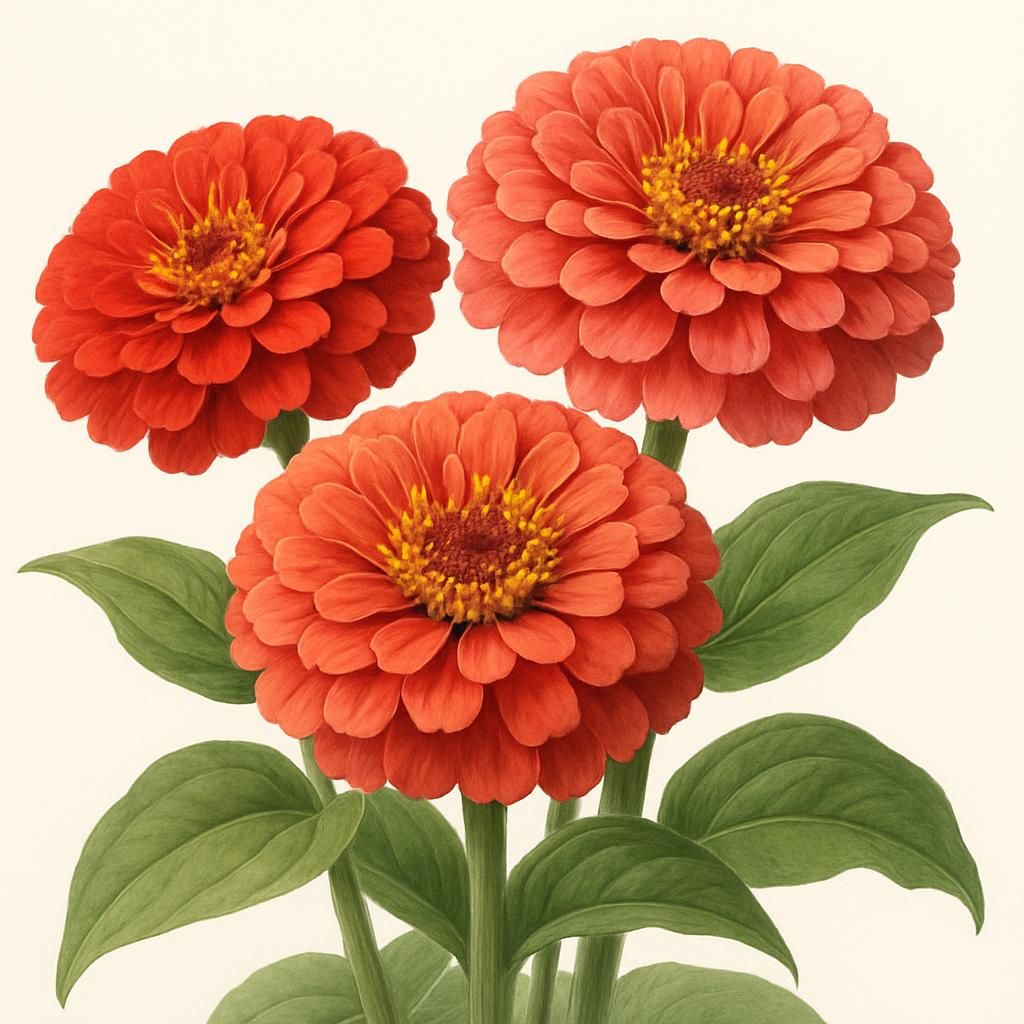
Zinnia
Zinnia is a fast-growing, heat-loving annual prized by commercial growers and home gardeners alike for its vivid, long-lasting blooms and exceptional pollinator value. This definitive guide covers every stage from soil preparation through harvest and post-harvest handling, delivering professional-grade, field-tested practices for maximum yield and vase life.
View Guide