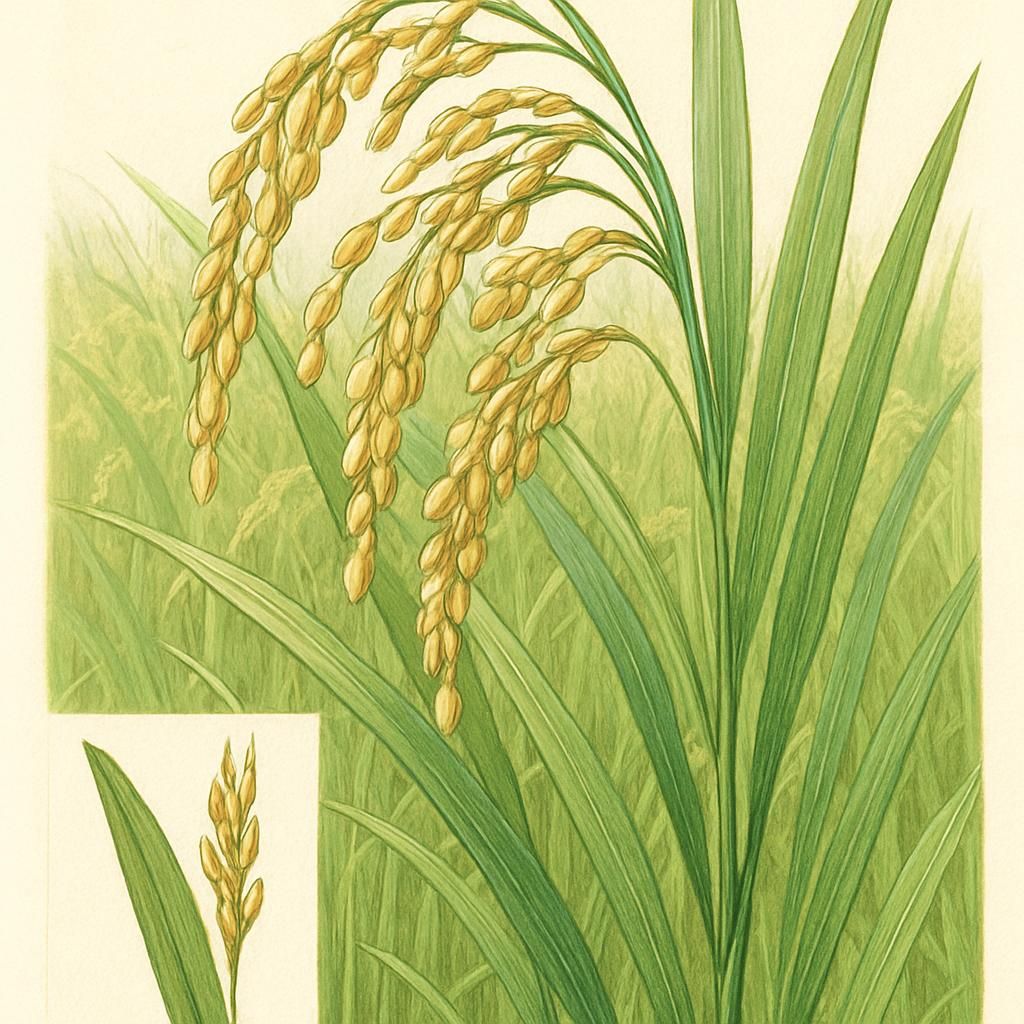
Introduction to Yumepirika Rice
Yumepirika Rice is a highly regarded short-grain rice variety that originates from Hokkaido, Japan. Known for its glossy appearance, plump grains, and rich taste, Yumepirika Rice is a top choice for sushi and high-quality rice dishes. This variety was developed to withstand the cooler climates of Hokkaido, making it a resilient crop with exceptional culinary properties.
Botanical Profile of Yumepirika Rice
Yumepirika Rice belongs to the species Oryza sativa, under the Japonica subspecies, which is known for its sticky texture. Its growing cycle is heavily influenced by the cooler climates it has adapted to in Hokkaido. The grains are shorter and rounder than the long-grain varieties like Basmati Rice, with a unique ability to retain moisture, making it ideal for the preparation of sushi and other dishes that require precise texture.
Soil, pH, and Climate Requirements for Yumepirika Rice
Yumepirika Rice requires specific soil and climate conditions to thrive. Understanding these needs can greatly improve yield and grain quality.
| Condition | Requirement |
|---|---|
| Soil Type | Loamy, fertile, with good water retention |
| Soil pH | 5.5 to 6.5 |
| Climate | Cool, humid; mean temperatures 15-22°C (59-72°F) |
| Rainfall | 1000-1300 mm annually |
| Altitude | 0 to 200 meters above sea level |
Step-by-Step Planting & Propagation
- Seed Selection and Treatment: Select certified Yumepirika seeds to ensure high quality. Treat seeds with a fungicide to prevent Fungal leaf spots.
- Soil Preparation: Prepare the field by plowing and leveling to improve water retention. Incorporate organic compost to enhance soil fertility.
- Seeding: Sow the seeds in nurseries in early spring when temperatures stabilize around the sowing temperature. Maintain appropriate spacing to prevent competition.
- Transplanting: Once seedlings reach three-leaf stage, transplant them to the prepared fields, ensuring each plant receives adequate space for growth.
Care & Maintenance regimes for Yumepirika Rice
Proper care can maximize Yumepirika Rice quality and yield.
| Aspect | Schedule/Details |
|---|---|
| Watering | Maintain shallow water flood (5-10 cm) throughout growth |
| Fertilizer | Basal dose of NPK (Nitrogen, Phosphorus, Potassium) at transplanting, follow-up top dressing as per growth need |
| Pruning | Not applicable; focus on weed management |
Pests, Diseases & Organic Management
Yumepirika Rice, like other rice varieties, is susceptible to pests such as Spider Mites and diseases like blast and sheath blight. Integrated pest management should be employed:
- Pests: Use natural predators like predatory insects for pest control. Regular monitoring and mechanical control (hand-picking) are advisable.
- Diseases: Apply fungicidal sprays judiciously and maintain appropriate spacing for air circulation. Regular scouting for signs of diseases ensures early intervention.
For comprehensive strategies, read the blog Crop Diseases Under the Microscope: 9 Organic Fixes for Small Farm Resilience.
Harvesting, Curing & Optimal Storage
- Harvesting: Harvest Yumepirika Rice when grains are fully mature, around 35 days after flowering. Use specialized harvesters to minimize loss.
- Curing and Drying: Allow the harvested rice to dry naturally in a well-ventilated area to reduce the moisture content to about 13-15%. This helps in maintaining quality during storage.
- Storage: Store in a cool, dry place in airtight containers to prevent infestation by pests like moths or grain moths.
Companion Planting for Yumepirika Rice
Yumepirika Rice can benefit from effective companion planting. Growing crops like Lychee nearby can help provide a more humid microclimate that rice prefers. In addition, legumes can improve soil nitrogen levels through nitrogen fixation, promoting healthy rice crop growth. For more tips, explore the article Summer Companion Planting: 10 Organic Pairings to Boost Small Farm Resilience.