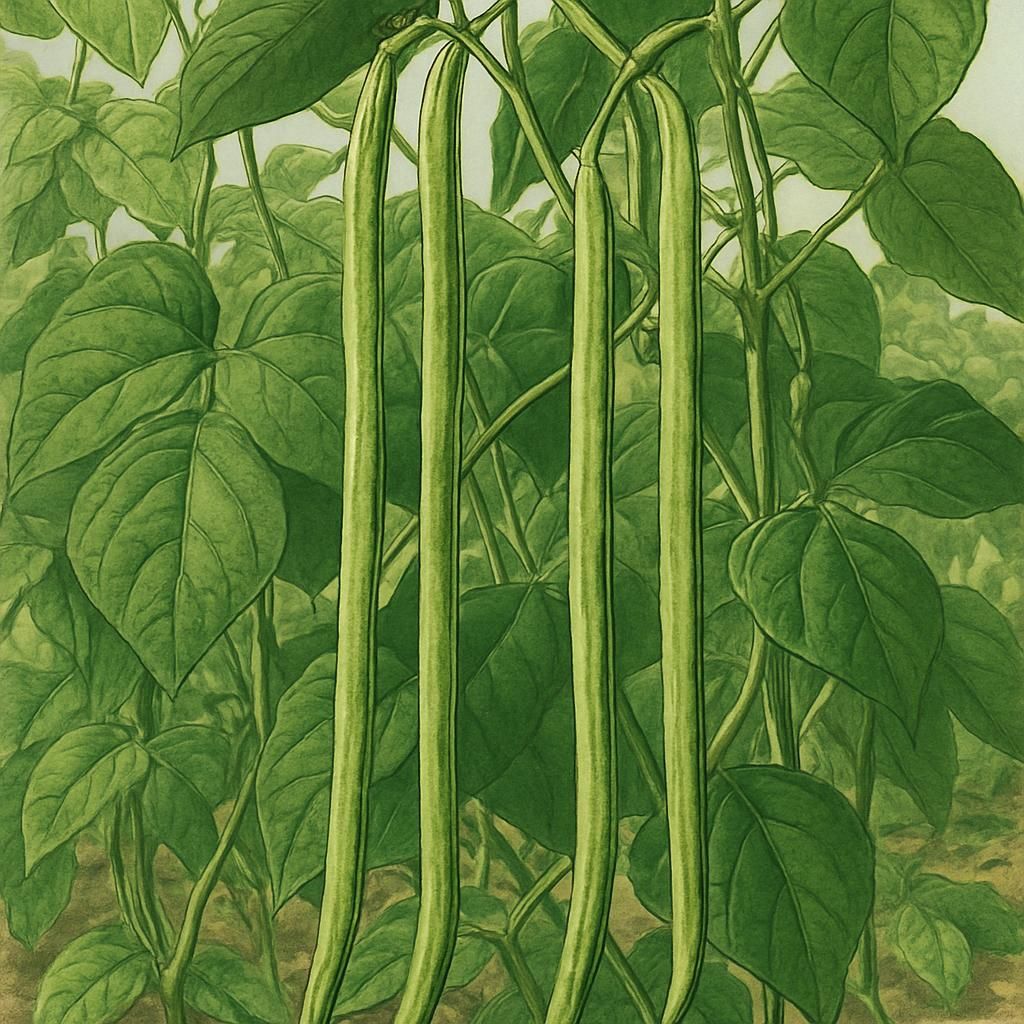
Introduction to Yard Long Bean (Green Pod)
Yard Long Bean, known for its long, tender pods, is a staple in many Asian cuisines such as stir-fries and curries. This climbing annual legume is part of the Vigna genus and offers a unique alternative to standard green beans for those seeking diversity in their gardens.
Botanical Profile of Yard Long Bean (Green Pod)
Scientific Name: Vigna unguiculata subsp. sesquipedalis
Family: Fabaceae
Common Names: Chinese Long Bean, Asparagus Bean, Snake Bean
Origin: Southeast Asia
The Yard Long Bean can grow pods up to 18 inches long, which are harvested before they mature for the best texture and flavor. The plants are also nitrogen fixers, enriching the soil they grow in.
Soil, pH, and Climate Requirements for Yard Long Bean (Green Pod)
For optimal growth, Yard Long Beans require warm conditions and well-drained soil. They are tolerant of various soil types but prefer sandy loam enriched with organic matter.
| Condition | Ideal Range |
|---|---|
| Soil pH | 6.0 - 6.8 |
| Temperature | 20°C - 35°C (68°F - 95°F) |
| Rainfall | 600mm - 1200mm annually |
Step-by-Step Planting & Propagation
- Seed Selection: Use certified seeds to ensure plant health and productivity.
- Site Preparation: Choose a full-sun location and till the soil to break up clumps. Enrich the soil with compost or well-rotted manure.
- Planting: Sow seeds directly in the soil after the last frost. Plant seeds 1 inch deep and 3 inches apart, in rows 3 feet apart for adequate air circulation.
- Support Structures: Install trellises or use natural sticks for the vines to climb, which helps in managing plant growth and harvesting ease.
- Watering: Water the plants deeply but infrequently to encourage deep root growth.
- Germination and Thinning: Seeds typically germinate within 7-10 days. Thin plants to 6 inches apart once true leaves appear.
Care & Maintenance regimes for Yard Long Bean (Green Pod)
The Yard Long Bean requires consistent care to prevent diseases and encourage growth.
| Task | Frequency |
|---|---|
| Watering | Weekly, more during dry periods |
| Fertilizer | Every 4-6 weeks using balanced organic fertilizer |
| Pruning | Remove dead or yellowing leaves as necessary |
Regular inspection for pests such as Spider Mites is essential.
Pests, Diseases & Organic Management
- Common Pests: Aphids, Spider Mites, and Bean Aphid. Employ organic insecticidal soap or neem oil to control infestations.
- Diseases: Key diseases include powdery mildew and Rhizoctonia root rot. Maintain plant health by providing proper air circulation and utilizing crop rotation.
- Preventative Measures: Use floating row covers to protect plants from insects and organically improve soil health through a fall soil revival strategy, as outlined in The Forgotten Art of Fall Soil Revival.
Harvesting, Curing & Optimal Storage
- Harvesting: Beans are suitable for harvest when they are about 12-18 inches long and before seeds begin to bulge. Harvest beans every 2-3 days to encourage continuous production.
- Curing: After harvest, beans do not require curing but should be refrigerated promptly to retain freshness.
- Storage: Store in a cool, humid environment. Ideally, beans remain fresh for up to two weeks when kept in the vegetable crisper drawer of a refrigerator.
Companion Planting for Yard Long Bean (Green Pod)
Yard Long Beans thrive when companion planted with crops like corn and cucumbers, which provide necessary support and shade. However, beans should be distanced from plants like garlic and onions that can stunt their growth due to differing nutrient needs. Learn more about strategic companion planting in Summer Companion Planting: 10 Organic Pairings.