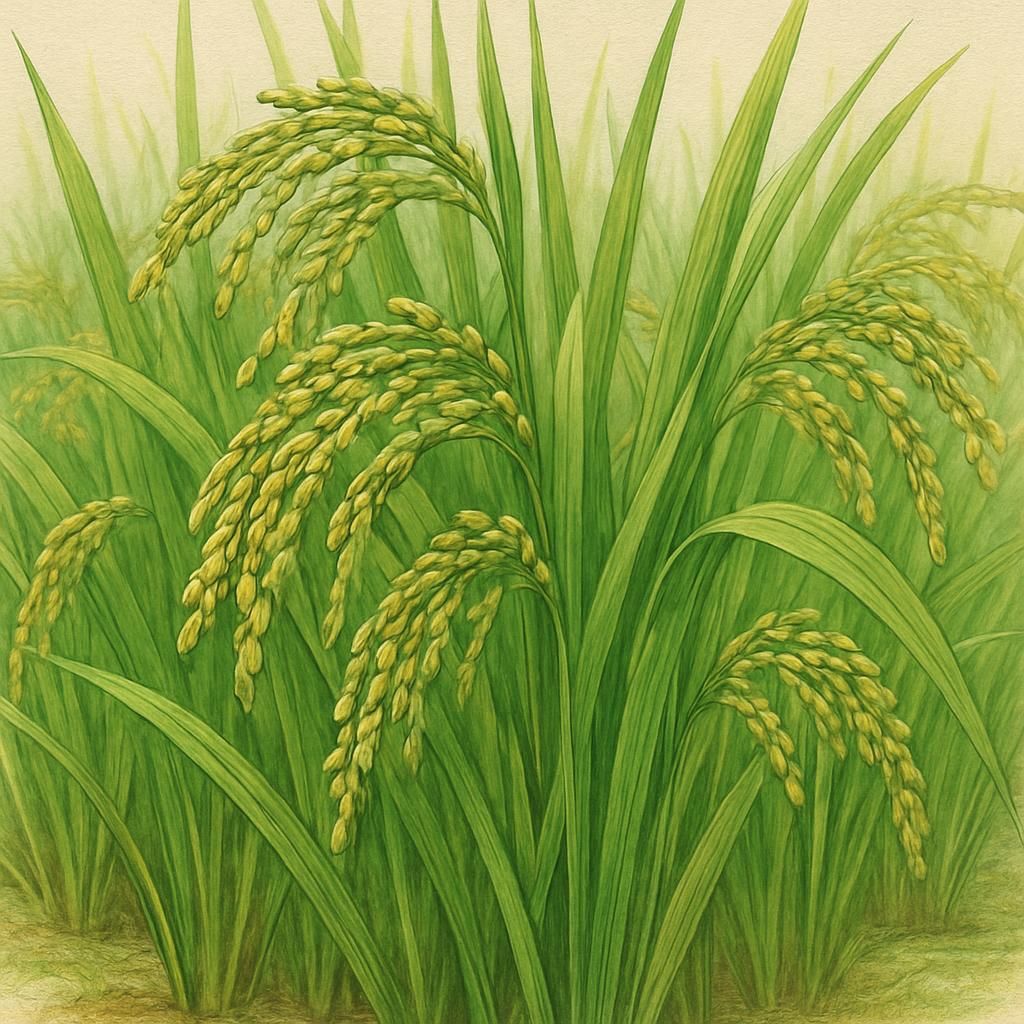
Introduction to Zenith Rice
Zenith Rice is a variant of the species Rice, celebrated for its robust yield and disease resistance. It has been developed to thrive in a range of climatic settings, making it popular among both commercial and small-scale farmers. Zenith Rice is characterized by medium-length grains, providing a balance of texture and flavor that suits various culinary uses.
Botanical Profile of Zenith Rice
Zenith Rice belongs to the Poaceae family, which is known for supporting the majority of the world’s staple food crops. This specific variety, 'Zenith', has been selectively bred to excel in growth, consistency, and harvest efficiency. Its development was guided by objectives to improve yield potential and reduce susceptibility to pests and diseases ubiquitous in rice cultivation.
Soil, pH, and Climate Requirements for Zenith Rice
The successful cultivation of Zenith Rice requires specific conditions of soil, pH, and climate, each playing a pivotal role in the plant's development. Proper planning and understanding of these conditions can significantly enhance the quality and quantity of yield.
| Factor | Ideal Conditions for Zenith Rice |
|---|---|
| Soil Type | Loamy, well-draining with high fertility |
| Soil pH | 5.5 - 7.0 |
| Temperature | 21°C to 37°C |
| Rainfall | 1000mm to 1500mm per year |
| Altitude | Up to 2000 meters |
Step-by-Step Planting & Propagation
- Seed Selection: Choose high-quality Zenith Rice seeds to ensure robust germination rates.
- Soil Preparation: Plow the field deeply to ensure that the soil is well-aerated and suitable for rice paddies. Till and level the land to avoid waterlogging which can cause root rot.
- Water Management: Establish a water management system suited for maintaining optimal moisture levels during the planting season.
- Sowing: Direct sowing is often preferred for Zenith Rice. In tropical climates, a nursery may be used to start the seeds, followed by transplanting seedlings after 20-30 days.
- Spacing: Space the plants adequately (approximately 15-20 cm apart) to promote healthy growth and reduce competition for nutrients.
Care & Maintenance Regimes for Zenith Rice
Zenith Rice requires consistent care during its growing season to maximize yield. Proper irrigation, nutrient management, and pest control are integral components of its agricultural regimen.
| Aspect | Schedule |
|---|---|
| Watering | Maintain 5cm of standing water, drain before harvest |
| Fertilization | Use NPK fertilizer at a ratio of 2:1:1 (Nitrogen-rich fertilizers before planting and during early growth stages are vital) |
| Weeding | Manual or chemical methods every 2 weeks |
Pests, Diseases & Organic Management
Zenith Rice can face threats from pests such as Spider Mites and diseases like bacterial blight. Integrated Pest Management (IPM) and organic solutions help safeguard against these issues.
- Organic Control: Neem oil, beneficial insects like ladybugs, and companion planting can reduce pest numbers and improve plant health.
- Consult the Crop Diseases Under the Microscope: 9 Organic Fixes for Small Farm Resilience for effective disease control strategies.
Harvesting, Curing & Optimal Storage
Zenith Rice reaches maturity approximately 90-120 days after planting. Indicators for readiness include yellowing of grains and a moisture level of around 20%.
- Harvesting: Manual or mechanical harvesting can be used.
- Curing: Dry the rice grains under the sun until the moisture content is 12-14%.
- Storage: Store in a cool, dry place to prevent mold growth and insect infestation.
Companion Planting for Zenith Rice
Companion planting can enhance growth and yield of Zenith Rice. Compatible crops include:
- Peas and Soybeans which fix nitrogen in the soil.
- Thyme, Marigold, and Nasturtium deter harmful pests and enhance biodiversity.
Explore insights into effective companion planting techniques in our Summer Companion Planting: 10 Organic Pairings to Boost Small Farm Resilience.