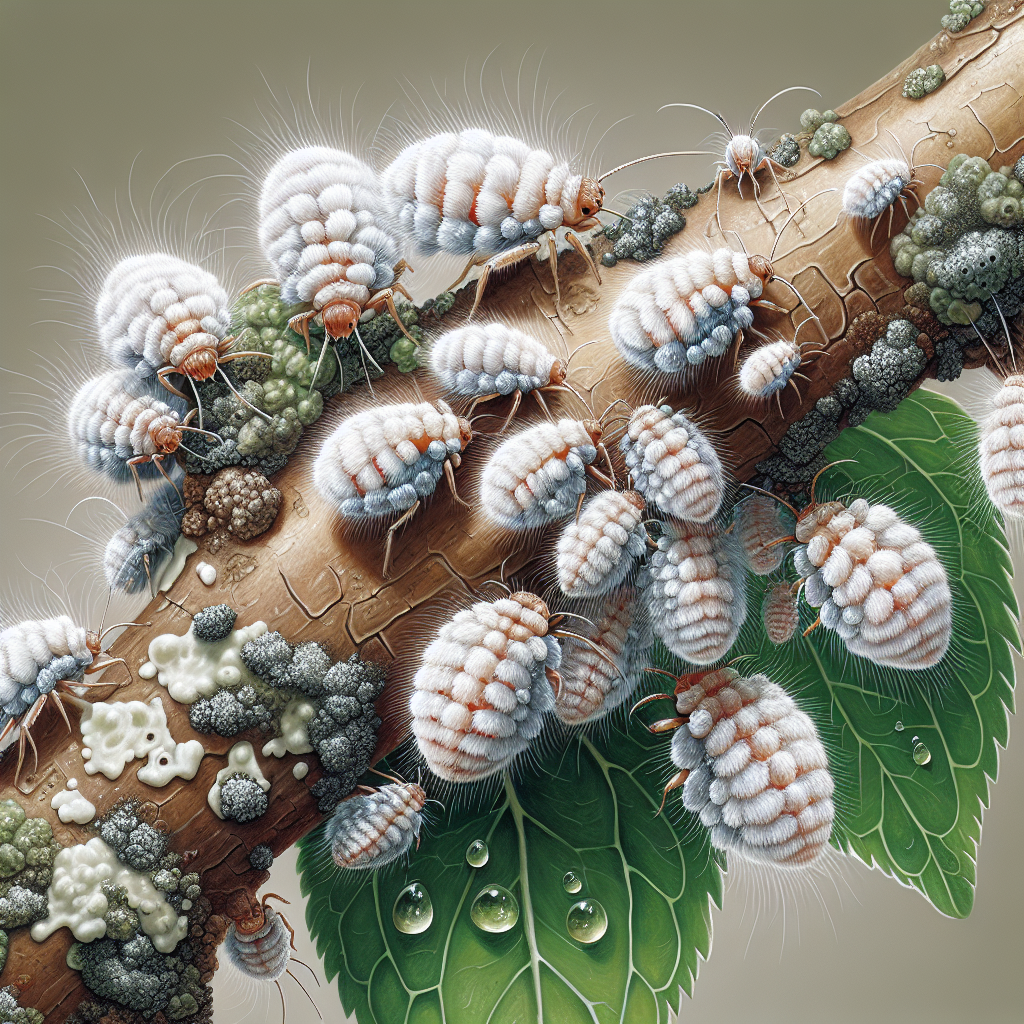
Introduction to woolly aphid
Woolly aphids represent one of the most distinctive and challenging pests in orchards and gardens worldwide, particularly infamous for infesting fruit trees such as apple, pear, and cherry trees. Unlike typical aphids, woolly aphids (primarily Eriosoma lanigerum, the woolly apple aphid) are cloaked in a fluffy, white, waxy secretion that resembles tufts of cotton or wool, making them both visually striking and notoriously difficult to control chemically due to this protective coating. These pests thrive in temperate climates, feeding on phloem sap and excreting honeydew that fosters unsightly sooty mold, while their feeding also induces the formation of galls—abnormal plant growths that distort branches and roots.
First identified in North America in the late 19th century, woolly aphids have since spread globally, posing a persistent threat to commercial orchards and home gardens alike. Their life cycle can span multiple generations per year, with peak activity in late summer and fall, when colonies migrate to roots for overwintering. Beyond direct feeding damage, woolly aphids weaken host plants, making them susceptible to secondary infections like sooty mold and bacterial cankers. Early identification is crucial, as unchecked infestations can reduce tree vigor, fruit quality, and yields by up to 50% in severe cases. This guide provides professional-grade diagnostic tools, lifecycle insights, organic management strategies, and prevention tactics tailored for sustainable agriculture. For small farms, integrating these practices with tools like those in Spring Pest Patrol: Organic AI Strategies to Shield Your Crops from Common Invaders can optimize pest monitoring without synthetic inputs.
Identifying Symptoms & Damage
Spotting woolly aphids early hinges on recognizing their unique signs, which differ markedly from other sap-suckers like mealybugs or scale insects. The hallmark symptom is clusters of small, pear-shaped insects (1-3 mm long) enveloped in white, filamentous wax that looks like tiny clumps of cotton candy adhering to bark, twigs, branches, and roots. On apple trees, infestations often start at wounds, pruning scars, or crotches, forming conspicuous white masses that can swell into galls—irregular, tumor-like swellings filled with aphid colonies.
Damage manifests progressively: initial feeding causes yellowing leaves, stunted shoots, and curled foliage due to sap extraction. Honeydew excretion leads to shiny, sticky surfaces attracting ants and promoting black sooty mold that blocks photosynthesis. Galls on roots impair water and nutrient uptake, resulting in poor growth, branch dieback, and reduced fruit size—critical in crops like pear where yields can drop 20-30%. Severe root infestations mimic drought stress or root rot, with trees showing wilting despite adequate moisture. Inspect roots by gently digging around the base; white woolly masses signal underground colonies. Differentiate from mealybugs by the aphids' mobility and woollier texture—mealybugs have a more segmented, floury wax. Use a hand lens to confirm pear-shaped bodies with dark spinal stripes beneath the wax. Secondary signs include ant trails (ants 'farm' aphids for honeydew) and predaceous insect activity like lady beetle larvae. In cherry orchards, trunk infestations cause cankers, oozing sap that resembles gummosis.
Lifecycle and Progression of woolly aphid
Understanding the woolly aphid's complex lifecycle is key to timing interventions. These pests exhibit both sexual and asexual reproduction, with 8-12 generations annually in warm climates. Overwintering occurs as nymphs in root galls or bark cracks; in spring (March-May), wingless females (sternorrhyncha) emerge, giving live birth to nymphs via parthenogenesis—no males needed. Nymphs crawl short distances, settling to feed and secrete wax, maturing in 7-10 days at 70-80°F.
Summer sees population explosions: crowded colonies produce winged forms (alates) that disperse to new hosts or roots. By late summer/fall, sexual forms appear—males and oviparous females mate, laying overwintering eggs on bark. Root colonies persist year-round in mild areas, migrating via irrigation ditches or soil movement. Progression varies: crawlers (first instars) are vulnerable; later stages hide in galls. Peak damage occurs August-October when root feeding peaks, coinciding with fruit swell. Monitor with sticky traps for alates and root digs quarterly. Compared to general aphids, woolly species are root-oriented, explaining persistent orchard reinfestations.
Environmental Triggers & Risk Factors
Woolly aphids flourish under specific conditions that growers must mitigate. High nitrogen fertilizers promote tender, succulent growth ideal for feeding, while excessive irrigation creates humid microclimates favoring colonies—damp soils aid root migration. Pruning wounds and tree stress from drought, phytophthora, or mechanical injury serve as entry points; ants exacerbate by protecting aphids from predators.
Temperatures of 65-80°F with mild winters (no prolonged freezes) allow survival; USDA zones 5-9 are high-risk. Poor air circulation in dense plantings or near clover (alternate host) boosts spread. Overcrowded orchards with susceptible varieties like young apple scions on dwarf rootstocks suffer most, as galls girdle vascular tissue. Climate change extends generations, with warmer falls delaying dormancy. Risk assessment: inspect high-nitrogen plots post-rain; avoid over-fertilizing during peak activity.
Organic Control & Treatment Plans
Organic management emphasizes integrated pest management (IPM) over broad sprays. Cultural Controls: Prune infested twigs in winter (dispose, don't compost); improve drainage to dry roots. Plant resistant rootstocks like Geneva series for apple. Biological Controls: Encourage natural enemies—lacewings, syrphid flies, and lady beetles devour crawlers. Release Chrysopa carnea (green lacewings) at 1,000/acre; coccinellids like Harmonia axyridis thrive on woollies. Avoid ant access with Tanglefoot bands.
Organic Sprays: Dormant oil (3-4% horticultural oil) smothers overwinterers; apply at pink bud stage. Insecticidal soap or neem oil targets crawlers—weekly for 3 weeks, evenings to spare predators. Systemic organics like azadirachtin disrupt molting. For roots, drench with potassium salts of fatty acids. Monitoring Plan: Scout weekly spring-fall; threshold: 1 colony/10 branches. Rotate tactics; track via apps for precision. Success stories show 80-90% control combining predators and oils, outperforming synthetics long-term. See Soil Health Mastery: 5 Proven Strategies for Small Farms to Build Fertile Ground Without Breaking the Bank for vigor-boosting complements.
Preventing woolly aphid in the Future
Prevention trumps cure: select resistant varieties (e.g., Liberty apple) and certified stock. Maintain tree vigor with balanced nutrition—avoid excess N; mulch to suppress weeds/ant highways. Winter sanitation removes egg sites; reflective mulches deter alates. Companion planting with yarrow or thyme attracts predators. Quarantine new plants; boot-clean soil movers. Annual root checks and early-spring oils prevent buildup. IPM audits reduce risks 70%; monitor weather for triggers. Long-term: diversify orchards to buffer losses.
Crops Most Affected by woolly aphid
Woolly aphids primarily target Rosaceae family: apple (80% cases), pear, cherry, peach, plum. Secondary: cottonwood, elm, hawthorn. Orchards suffer most; backyard trees hit hard sans monitoring. In Hass Avocado, rare but damaging on roots. Yields drop 10-50%; economic losses hit millions yearly.