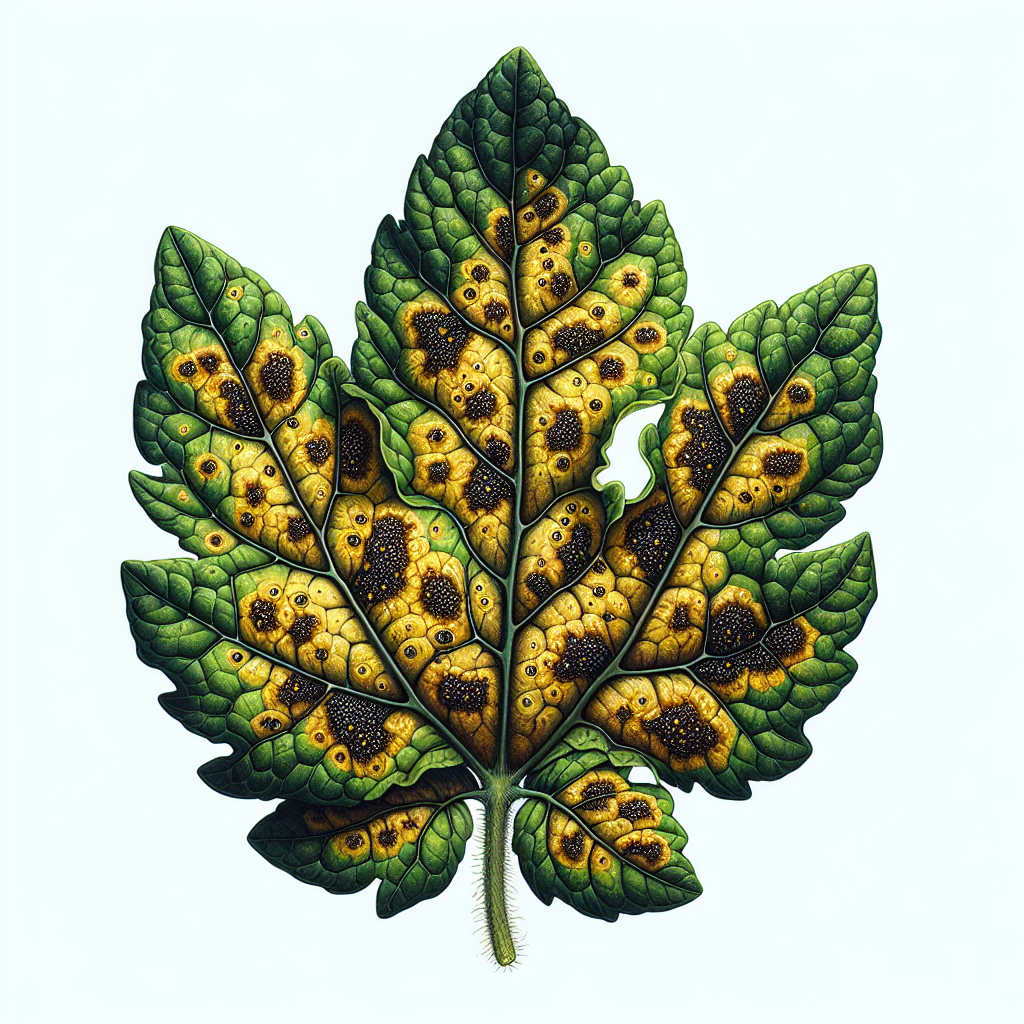
Introduction to Xanthomonas blight
Xanthomonas blight represents one of the most challenging bacterial diseases in modern agriculture, striking a wide array of crops with its aggressive progression and potential for rapid spread. Caused by gram-negative bacteria from the genus Xanthomonas, this disease manifests as dark, necrotic lesions on leaves, stems, and fruits, often leading to defoliation, twig cankers, and substantial yield reductions. Farmers worldwide grapple with Xanthomonas blight due to its ability to infect through natural openings and wounds, exacerbated by wet weather conditions that favor bacterial multiplication and dispersal.
First identified in the early 20th century on crops like tomato and walnut trees, Xanthomonas blight has since evolved into multiple pathovars, each tailored to specific hosts. For instance, Xanthomonas arboricola pv. juglandis devastates walnut orchards, while Xanthomonas campestris pv. vesicatoria targets peppers and tomatoes. The economic impact is staggering: in severe outbreaks, losses can exceed 50-80% of the crop value, particularly in high-value fruit and vegetable production. This guide provides professional-grade diagnostic tools, lifecycle insights, and proven organic management strategies to help growers combat this pervasive threat. Early detection is key, as once established, the bacteria can overwinter in crop debris, perpetuating annual infections.
Understanding Xanthomonas blight's biology is crucial for prevention. The pathogen produces biofilms and EPS (exopolysaccharides) that ooze from lesions, creating a sticky exudate that clings to tools, hands, and splashing raindrops. In tropical and subtropical regions, where humidity often exceeds 80%, the disease can defoliate entire fields within weeks. Integrated approaches combining sanitation, copper-based organics, and resistant cultivars offer the best defense. For more on small farm optimization against such diseases, check out Why Misidentifying Plants Costs Small Farms Thousands - And How AI Camera Diagnosis Fixes It Fast.
Identifying Symptoms & Damage
Accurate identification of Xanthomonas blight begins with recognizing its hallmark symptoms, which differ slightly by host but share core characteristics. Initial signs appear as small, water-soaked spots on the underside of leaves, often along veins. These lesions expand rapidly into angular, dark brown to black necrotic areas with yellow halos, a feature distinguishing them from fungal leaf spot diseases. On upper leaf surfaces, spots may show a greasy sheen before turning brittle and shot-hole-like as centers fall out.
Stem and twig infections produce elongated cankers with sunken, cracked bark and amber-colored ooze during wet periods. Fruits develop raised, corky lesions or dark, sunken spots that render them unmarketable. Severe cases lead to shoot tip dieback, defoliation, and tree decline. Differentiate from fungal blights by the absence of mycelial growth and presence of bacterial streaming when lesions are suspended in water—a simple diagnostic test: place leaf tissue in water and observe thread-like bacterial exudate under magnification.
Damage quantification is critical for management decisions. In tomatoes, foliar blight can reduce photosynthesis by 40-60%, stunting fruit set. On walnuts, nut drop and kernel discoloration slash yields by up to 70%. Secondary effects include increased susceptibility to aphids and sunburn on exposed fruits. Scout fields weekly during warm, rainy periods, focusing on lower canopy where splash dispersal concentrates infections. Use a 10x hand lens to spot angular lesions bounded by veins, and send samples to local extension services for PCR confirmation if unsure.
Lifecycle and Progression of Xanthomonas blight
The lifecycle of Xanthomonas blight is tightly synced with environmental moisture, making it a quintessential wet-weather pathogen. Primary inoculum survives in infected crop debris, weed hosts, and as epiphytes on healthy plants. In spring, as temperatures rise above 20°C (68°F), bacteria multiply on leaf surfaces, entering through stomata, hydathodes, or wounds from pruning, hail, or thrips feeding.
Once inside, Xanthomonas colonizes intercellular spaces, producing toxins that kill host tissue within 3-7 days. Lesions exude bacteria-laden ooze, which rain splash disperses up to 2 meters. Optimal infection occurs at 25-30°C (77-86°F) with leaf wetness >6 hours. Secondary cycles repeat every 5-10 days under ideal conditions, leading to polycyclic epidemics. Bacteria can spread systemically in vascular tissue, causing wilt-like symptoms.
Overwintering strategies include desiccation-resistant oospores in debris and survival in soil for 1-2 years. Progression accelerates post-flowering when dense canopies trap humidity. In perennials like avocado, cankers girdle branches, leading to multi-year decline. Understanding this cycle informs timing: prune in dry periods, remove debris post-harvest, and avoid overhead irrigation during peak risk windows.
Environmental Triggers & Risk Factors
Xanthomonas blight epidemics hinge on specific environmental triggers: prolonged leaf wetness from rain, dew, or irrigation, coupled with daytime highs of 24-32°C (75-90°F) and relative humidity >85%. Night temperatures above 15°C (59°F) prevent bacterial die-off. Overhead sprinkling creates ideal splash-dispersal microclimates, while dense planting reduces airflow, extending wetness durations.
Risk factors amplify vulnerability. Susceptible varieties, excessive nitrogen fertilization (promoting succulent growth), and wounds from cultivation or cutworms provide entry points. Poor sanitation—leaving infected debris or using contaminated tools—recycles inoculum. Regions with frequent thunderstorms, like the southeastern U.S. or Southeast Asia, see annual outbreaks. Soil pH extremes (>7.5 or <5.5) stress plants, indirectly favoring infection.
Climate change intensifies risks with erratic storms and warmer nights. Assess field microclimates using weather stations; if leaf wetness exceeds 8 hours daily, halt irrigation and apply protectants preemptively.
Organic Control & Treatment Plans
Organic management of Xanthomonas blight emphasizes prevention over cure, as no bactericides fully eradicate established infections. Core strategy: Sanitation—remove and destroy all infected material promptly, burying debris >30 cm deep or hot-composting at 60°C (140°F). Disinfect tools with 10% bleach or 70% alcohol between cuts.
Copper-based sprays form the backbone: apply fixed-copper products (e.g., copper octanoate, Bordeaux mixture) at 7-10 day intervals during wet periods, starting at bud break. Tank-mix with citric acid or phosphorous acid for enhanced efficacy and reduced phytotoxicity. For systemic action, use acibenzolar-S-methyl (ASM) inducers to boost plant defenses.
Biologicals like Bacillus subtilis or Pseudomonas fluorescens compete with Xanthomonas, applied weekly as foliar sprays. Streptomycin is restricted organically but allowed under certain regulations for curative use. Resistant varieties: Plant certified disease-free stock; for tomatoes, choose 'Mountain Magic' or hybrids with Xcv genes.
Integrated plan: 1) Scout twice weekly. 2) Prune for airflow (20-30% canopy thinning). 3) Drip irrigate. 4) Apply copper pre-rain. 5) Rotate with non-hosts like onion. 6) Mulch to suppress splash. Monitor progress; if >10% incidence, rogue plants. Success rates exceed 70% with diligent execution.
Preventing Xanthomonas blight in the Future
Long-term prevention hinges on cultural IPM. Select resistant cultivars rigorously—consult seed catalogs for Xanthomonas ratings. Site selection: avoid low-lying frost pockets that trap humidity; ensure full sun and well-drained soils. Crop rotation (2-3 years) with grasses or brassicas starves inoculum.
Optimize fertility: balanced NPK, avoiding luxury nitrogen. Windbreaks reduce storm damage. Quarantine new stock; hot-water treat seeds (50°C for 25 min). For perennials like walnut, graft onto resistant rootstocks. Annual planning: calendar copper sprays based on rain forecasts. Education: train crews on hygiene. Track via field journals; aim for zero overwintering inoculum.
Crops Most Affected by Xanthomonas blight
Xanthomonas blight plagues diverse crops, with pathovars specialized by host. Primaries include tomato (Xcv: bacterial spot), walnut (X. arboricola pv. juglandis: leaf/stem blight), mango (X. mangiferaeindicae: foliar canker), pepper (X. axonopodis pv. vesicatoria), avocado (X. campestris pv. laureicola), and citrus (X. citri: canker). Secondary hosts: stone fruits like peach, strawberry, beans, and ornamentals. Tropicals like banana and papaya face variants in humid zones. Global hotspots: Florida tomatoes, California walnuts, Indian mangoes. Prioritize vigilance on these high-value susceptibles.