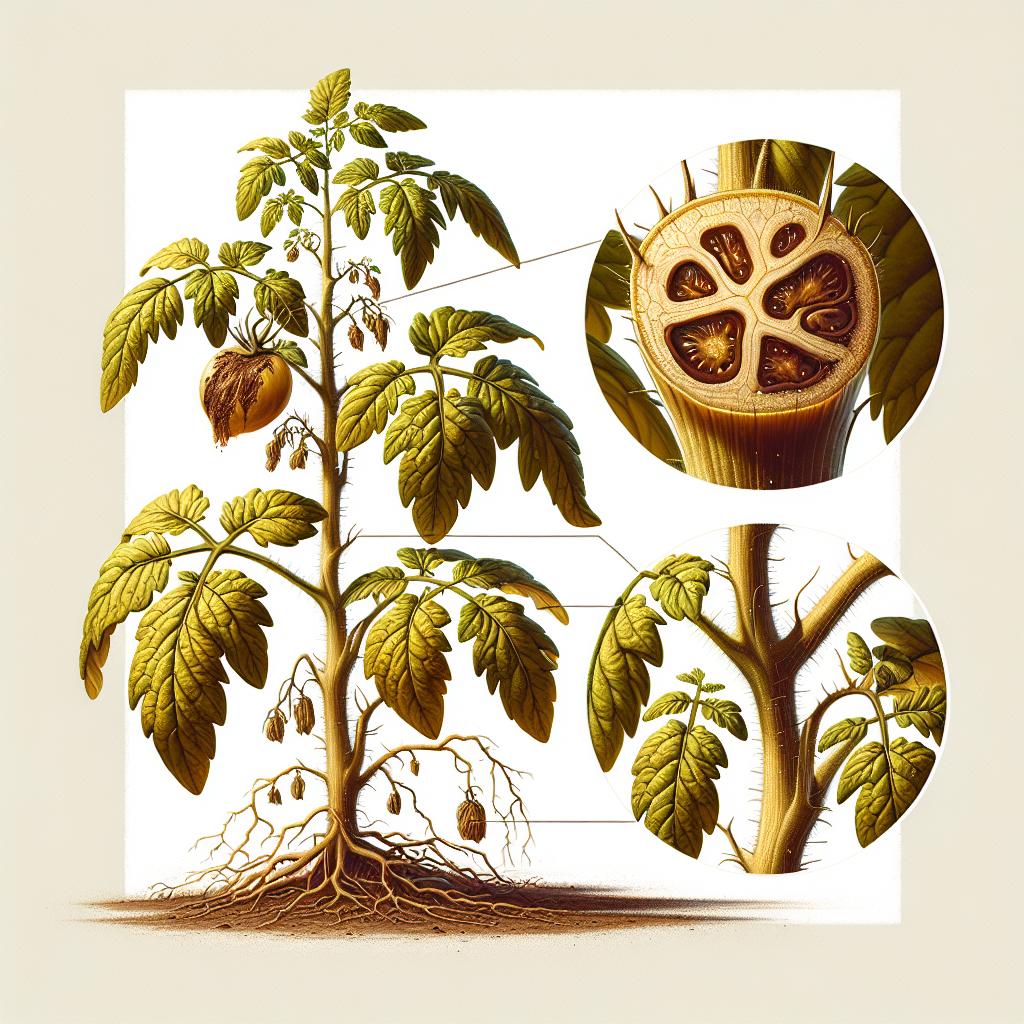
Introduction to wilt
Wilt diseases represent one of the most destructive challenges in agriculture, striking at the heart of a plant's vascular system and halting water transport from roots to leaves. Commonly caused by soil-borne pathogens like Fusarium wilt, Verticillium wilt, or bacterial agents such as Ralstonia solanacearum, wilt can devastate entire fields overnight. This guide provides professional-grade diagnostic tools, symptom identification, lifecycle insights, and proven organic management strategies tailored for small farms and commercial operations alike.
Understanding wilt is essential because it mimics drought stress but progresses irreversibly, often leading to 50-100% yield losses in susceptible crops. Unlike foliar diseases, wilt targets the xylem vessels, causing permanent collapse. Farmers must differentiate it from environmental stressors like heat or root rot for timely intervention. With rising global temperatures exacerbating pathogen survival, proactive prevention is key to sustainable production.
Identifying Symptoms & Damage
Wilt manifests through a cascade of visual cues starting in the lower plant parts. Initial symptoms include permanent wilting of younger leaves during the day, even under adequate soil moisture—unlike temporary drought wilt that recovers at night. Leaves turn dull green, then chlorotic (yellow), often with a characteristic one-sided drooping on branches due to unilateral vascular blockage.
As progression advances, affected leaves curl upward, necrose at margins, and drop prematurely. Stems show dark brown vascular discoloration when cut longitudinally; this 'vascular staining' is a hallmark diagnostic feature. In advanced stages, entire plants collapse, resembling sudden death. Root systems may appear healthy externally but harbor microscopic blockages.
Damage quantification is severe: in tomatoes, Fusarium wilt can reduce yields by 60-80%; in bananas, Panama disease variants cause plantation wipeouts. Secondary signs include fungal mycelium in stems or bacterial ooze from cuts. For accurate diagnosis, submit samples to labs for pathogen culturing or PCR testing. Differentiate from Phytophthora infections, which often show root decay alongside wilt.
Lifecycle and Progression of wilt
Wilt pathogens persist as resilient chlamydospores, sclerotia, or bacteria in soil for years, surviving on crop debris, weeds, or alternate hosts. Infection begins at roots through wounds or natural openings during warm, moist conditions (25-30°C optimal for Fusarium). Pathogens colonize xylem vessels, producing toxins and enzymes that block water flow and induce wilting.
Progression is systemic: from roots upward, symptoms appear 7-21 days post-infection, accelerating in high humidity. Fungal wilts like Verticillium produce microconidia that spread via splashing water or tools. Bacterial wilt (Ralstonia) moves faster, with bacteria exuding from stems in warm, wet weather. Sporulation on dead tissue restarts cycles.
In perennials like avocado or banana, chronic infections lead to slow decline over seasons. Annual crops face acute epidemics. Lifecycle completes in 4-6 weeks under ideal conditions, with soil populations building over monoculture years. Understanding this enables timed interventions, like avoiding planting during peak pathogen activity.
Environmental Triggers & Risk Factors
Wilt thrives in poorly drained, warm soils (above 25°C), where pathogens activate and oxygen depletion stresses roots. High nitrogen fertilizers promote lush growth vulnerable to infection, while compacted soils limit root escape. Monocropping exhausts soil suppressiveness, elevating risk—rotate with non-hosts like corn or onion.
Irrigation practices are critical: overhead watering spreads bacteria; drip systems reduce splash. Weed hosts like pigweed harbor pathogens. Climate change intensifies risks with prolonged droughts stressing plants or floods mobilizing soil inoculum. Acidic soils (pH <6) favor Fusarium; nematodes like root-knot nematodes predispose plants by wounding roots.
Risk assessment: fields with prior wilt history score high; test soil pathogen levels annually. For more on predictive tools, see Why 80% of Small Farms Battle Weather Disasters - And How Hyper-Local AI Forecasts Can Save Your Harvest. Integrate cover crops like clover to suppress pathogens naturally.
Organic Control & Treatment Plans
Organic management emphasizes integrated approaches: no chemical sterilants exist, so focus on exclusion and suppression. Select resistant varieties—e.g., VFN-rated tomatoes for Fusarium. Solarize soil pre-planting: cover moist beds with plastic for 4-6 weeks in summer to kill 70-90% of pathogens via heat.
Biological controls shine: Trichoderma harzianum or Bacillus subtilis drenches colonize roots, outcompeting wilts (apply 10^9 CFU/ml at planting). Mycorrhizal fungi enhance root vigor against vascular invasion. Compost teas with actinomycetes suppress soil pathogens; apply biweekly.
Cultural tactics: deep till to bury debris, flood fallow fields for anaerobic kill (effective for Ralstonia). Remove infected plants immediately, flaming roots to prevent reinoculation. Mulch with brassica residues—biofumigants release isothiocyanates toxic to fungi. For nematodes, pair with marigold rotations (marigold).
Step-by-step plan: 1) Soil test for pH/pathogens; amend to 6.5-7.0. 2) Rotate 3-4 years. 3) Plant green manures. 4) Drench with biofungicides at transplant. 5) Monitor weekly, rogue symptomatic plants. Success rates hit 80% with diligence, preserving organic certification.
Preventing wilt in the Future
Long-term prevention builds soil microbial diversity, the natural barrier against wilts. Implement 4-year rotations: solanaceous crops (tomato, potato) to cereals (wheat, rice), then brassicas, legumes (peas). Avoid volunteer plants harboring inoculum.
Enhance soil health with no-till, cover cropping (hairy vetch), and organic matter additions—boosts antagonistic microbes. Use certified disease-free seeds/seedlings; hot-water treat vegetatives. Raised beds improve drainage, reducing root flooding.
Farm hygiene: disinfect tools (10% bleach), footbaths at field edges. Grafted plants onto resistant rootstocks (e.g., tomato on Maxifort) bypass soil pathogens. Monitor with bait plants or sentinel rows. For small farms, companion planting with suppressives like thyme or yarrow deters vectors. Annual soil solarization or biofumigation resets fields. Resistant cultivars and vigilance ensure wilt-free seasons.
Crops Most Affected by wilt
Wilt plagues a wide spectrum, but hits high-value solanacea first: tomato (Fusarium races 1-3), potato, eggplant, bell pepper. Tropicals suffer Panama wilt (banana, plantain); bacterial wilt ravages cucumber, squash, watermelon.
Legumes like soybeans, chickpeas face Sclerotium rolfsii; cotton Verticillium. Perennials: avocado (Rosellinia), mango (Fusarium). Cereals less affected but sorghum and sugarcane vulnerable. Global losses exceed $10B yearly; choose region-specific resistants.