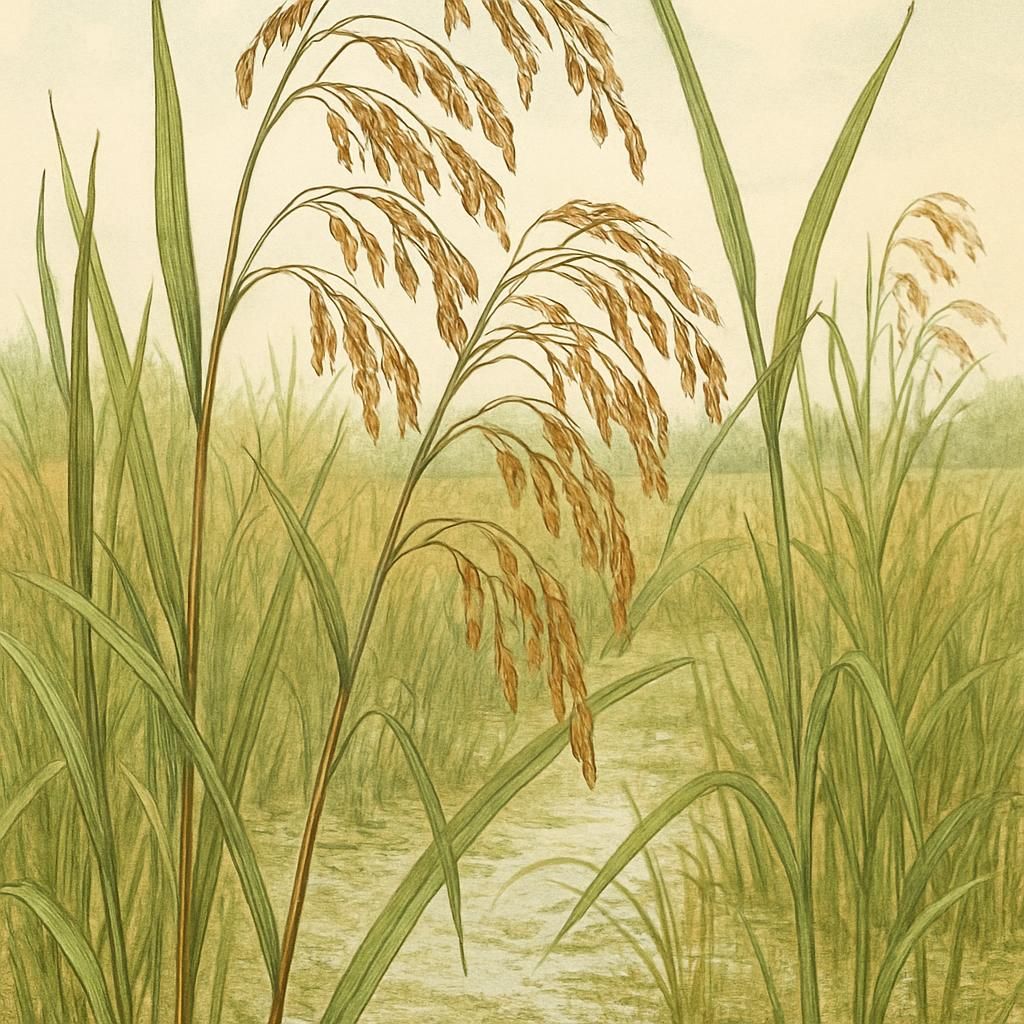
Introduction to Wild Rice (Manoomin)
Wild Rice, or Manoomin as it's called in the Ojibwe language, is not exactly rice but an aquatic grass native to the lakes and streams of North America. Popular for its high nutritional value and rich nutty flavor, wild rice stands out as a delicacy not just in indigenous cuisine but also in gourmet markets worldwide. While challenging to cultivate, wild rice offers lucrative opportunities for farmers willing to meet its specific environmental needs.
Botanical Profile of Wild Rice (Manoomin)
Scientifically known as Zizania palustris, wild rice is an annual plant naturally found in the shallow waters of northern lakes. It grows to heights between 1-3 meters and produces kernels similar to rice but longer and darker. The grains themselves have a high protein content, rich in lysine, contributing to its versatile culinary uses.
Soil, pH, and Climate Requirements for Wild Rice (Manoomin)
Wild Rice demands very specific growing conditions that mimic its natural habitat. Successful cultivation requires adequate water, temperature control, and pH levels.
| Aspect | Ideal Condition |
|---|---|
| Soil Type | Clayey soils in shallow water |
| pH Level | 6.0 - 8.0 |
| Water Depth | 15-90 cm |
| Temperature | 15°C - 30°C (growth) |
| Sunshine | Full sun |
As the markdown table suggests, wild rice needs slightly acidic to neutral pH levels, consistently submerged conditions, and ample sunlight.
Step-by-Step Planting & Propagation
- Site Selection: Choose areas with nutrient-rich shallow waters. Ideally, sites that mimic natural settings such as marshes, shallow pond edges, or quiet river sections.
- Preparation: Clear the site of invasive species and ensure soil is suitable for root anchorage.
- Sowing: Broadcast seeds evenly over the water surface in late spring to early summer.
- Water Management: Maintain a constant water level. As plants grow, adjust levels to avoid flooding seedlings.
- Weed Control: Regularly inspect and manually remove competitive weeds.
Care & Maintenance regimes for Wild Rice (Manoomin)
Wild Rice is low maintenance but requires precise care routines to thrive.
| Aspect | Schedule |
|---|---|
| Watering | Maintain constant water levels (natural rainfall) |
| Fertilizing | Not generally required |
| Weeding | Manual removal monthly |
Ensure a watchful approach for optimal growth through careful water level adjustments and weed management.
Pests, Diseases & Organic Management
Wild Rice is susceptible to certain pests like Spider Mites and diseases, including ergot and smut. Use organic pesticides and implement water management strategies to combat these. Beneficial insects can also aid in pest control.
Harvesting, Curing & Optimal Storage
Harvest wild rice when the grains mature, which is typically late summer to early fall. The grains should be collected when they start to drop. Curing involves drying the grains under the sun for several days followed by a traditional parching process to enhance flavor and improve storage. Store in cool, dry conditions to prevent mold or rot.
Companion Planting for Wild Rice (Manoomin)
Companion planting is rare with wild rice due to its specific wetland requirements, but some aquatic plants like cattails and water lilies can coexist without out-competing for resources.
For further insight into weather patterns that impact small-scale farming, check out The Truth About Weather Patterns and Small Farm Resilience.