Encyclopedia
Definitive guides for crops, pests, and agricultural diseases.

Tucuma (Astrocaryum aculeatum)
Tucuma (Astrocaryum aculeatum) is a tropical palm native to the Amazon rainforest, prized for its nutrient-rich fruit and oil. This guide covers everything from planting to harvesting, ensuring successful cultivation. Learn the best practices for growing this unique crop in suitable climates.
View Guide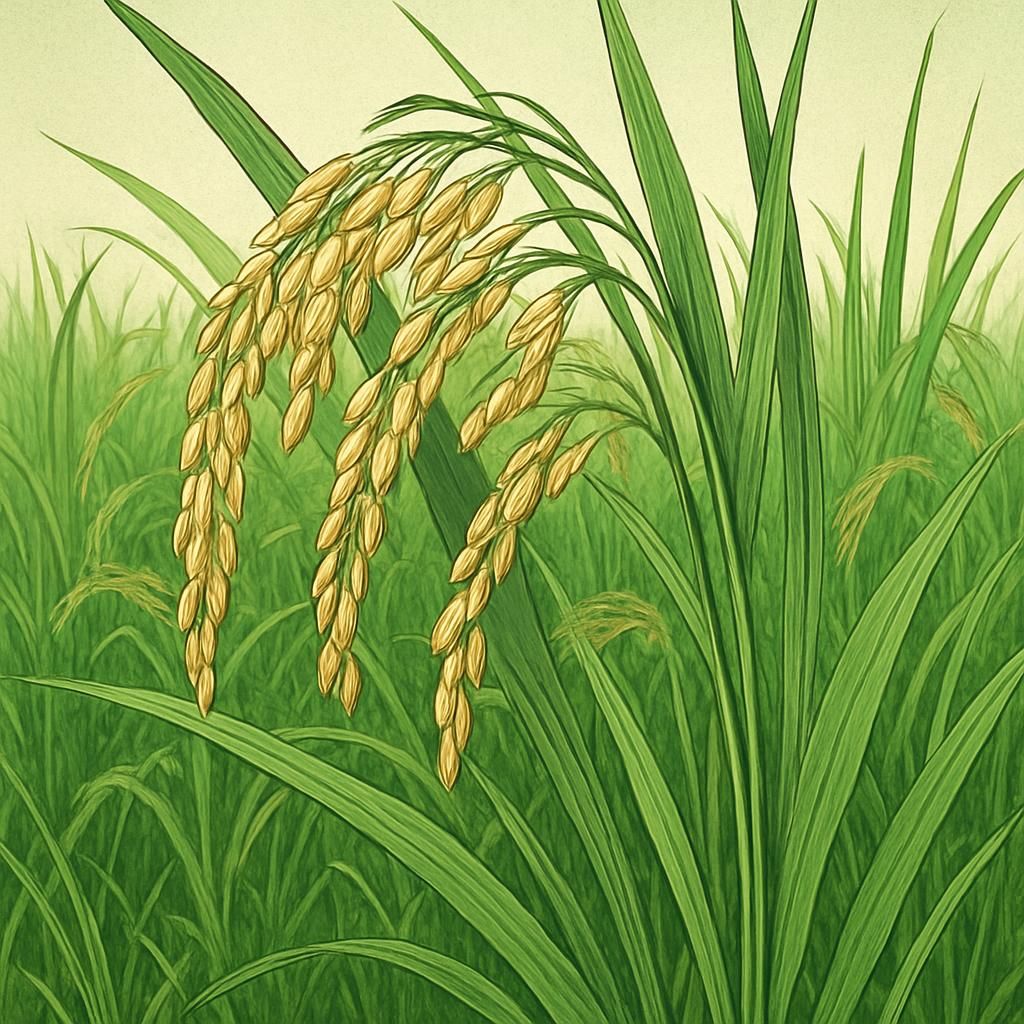
Tulaipanji Rice
A premium variety of aromatic rice native to West Bengal, India, known for its unique aroma and delicate texture.
View Guide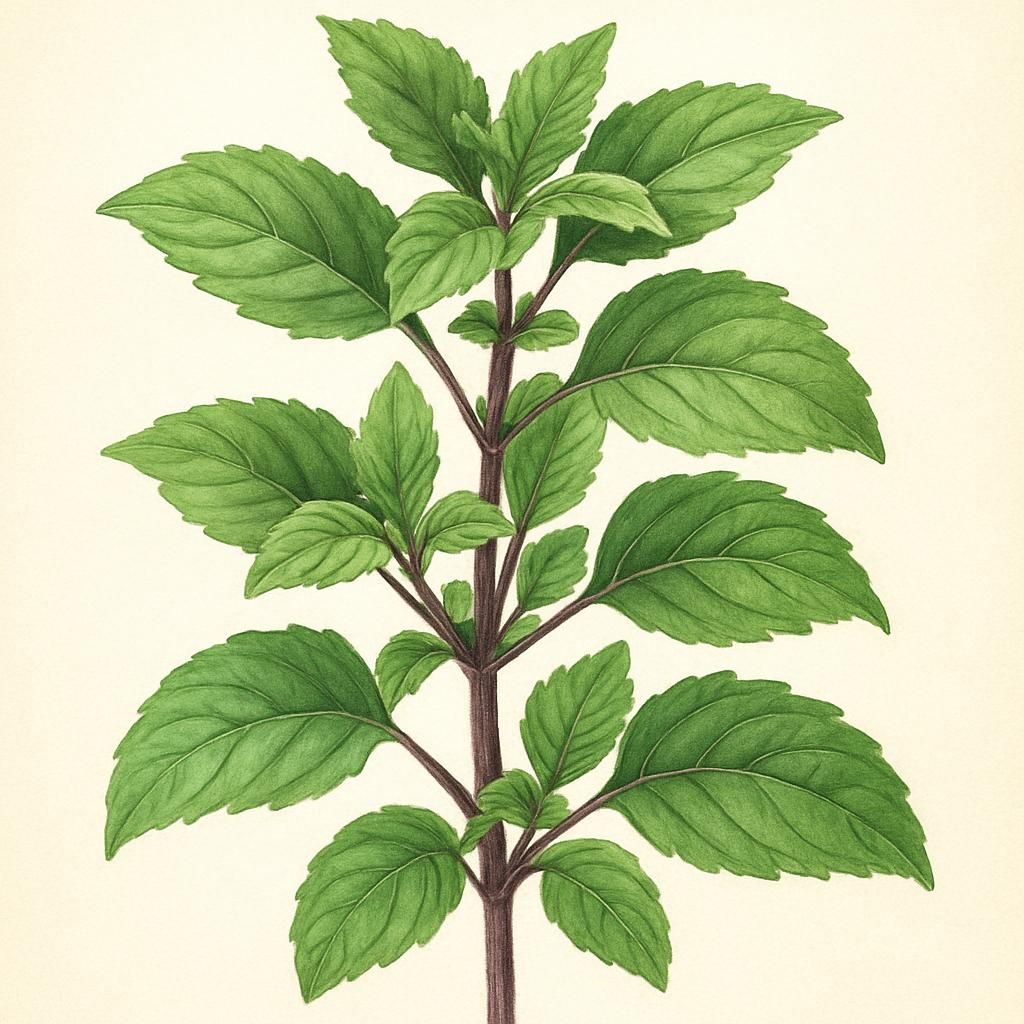
Tulsi (Kapoor)
Tulsi (Kapoor), revered in Ayurvedic medicine, is a versatile herb popular for its aromatic leaves and health benefits. It thrives in warm climates and well-drained soil, making it an ideal addition to home gardens.
View Guide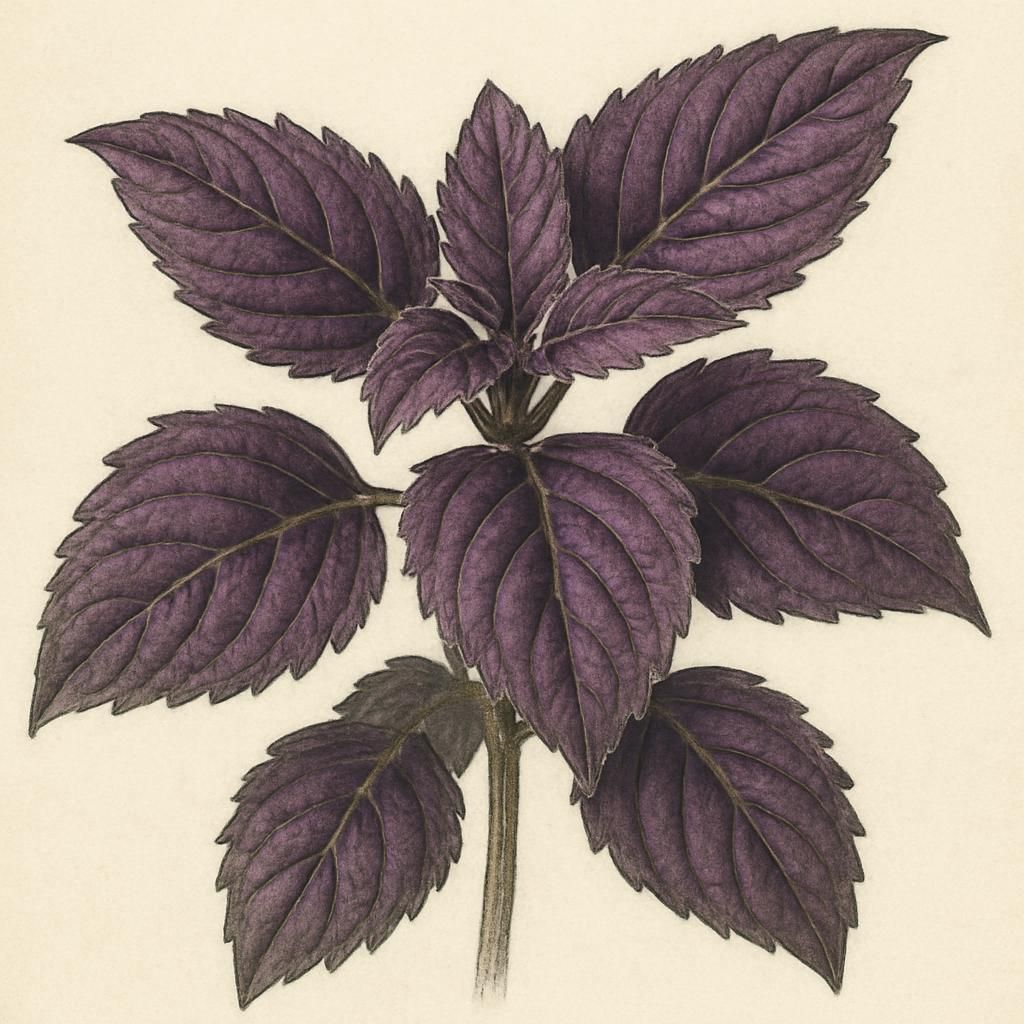
Tulsi (Krishna)
Krishna Tulsi, a revered medicinal herb in Hindu tradition, is known for its dark purple leaves and potent therapeutic properties. It thrives in warm climates and requires minimal care, making it an ideal choice for organic farming.
View Guide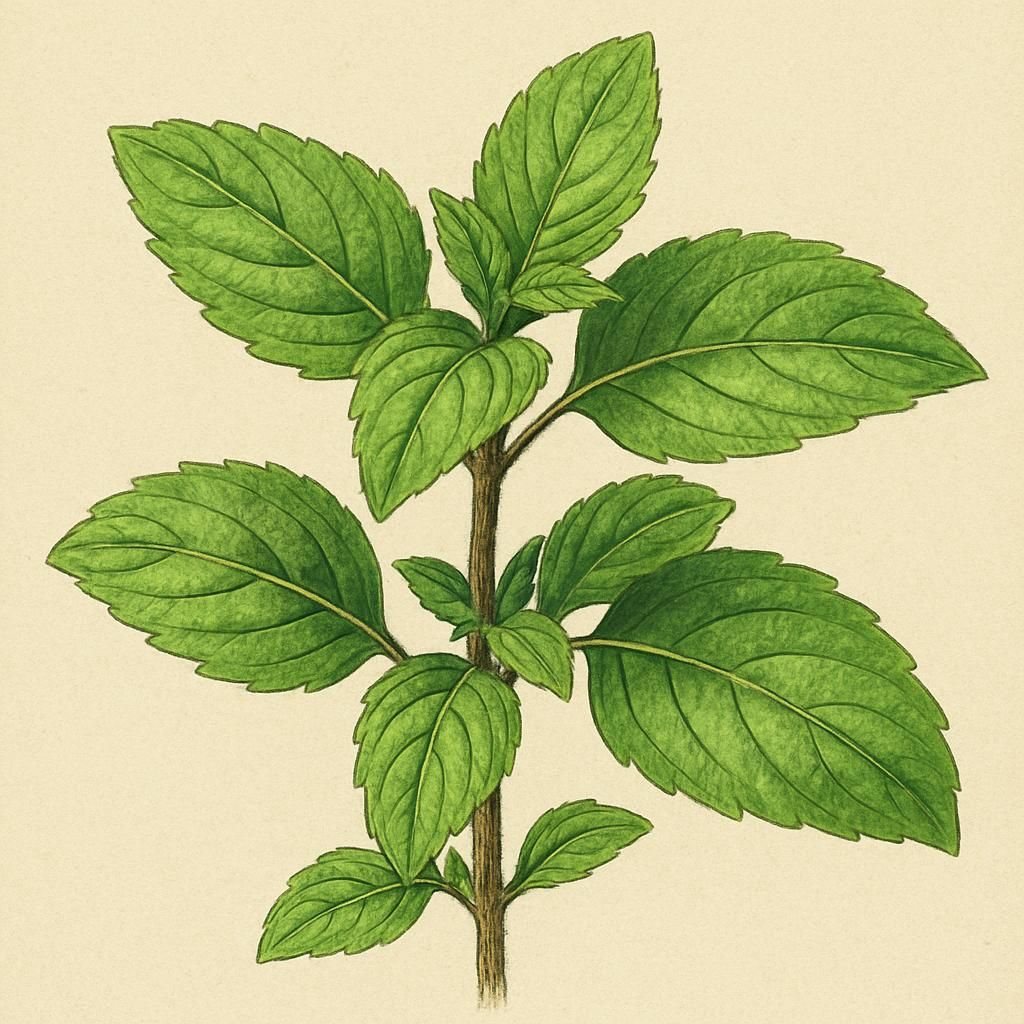
Tulsi (Rama)
Tulsi (Rama), also known as Holy Basil, is a revered medicinal plant in Ayurveda, prized for its therapeutic benefits and pronounced aroma. Growing this herb requires understanding its soil, climate conditions, and care to fully harness its culinary and health attributes.
View Guide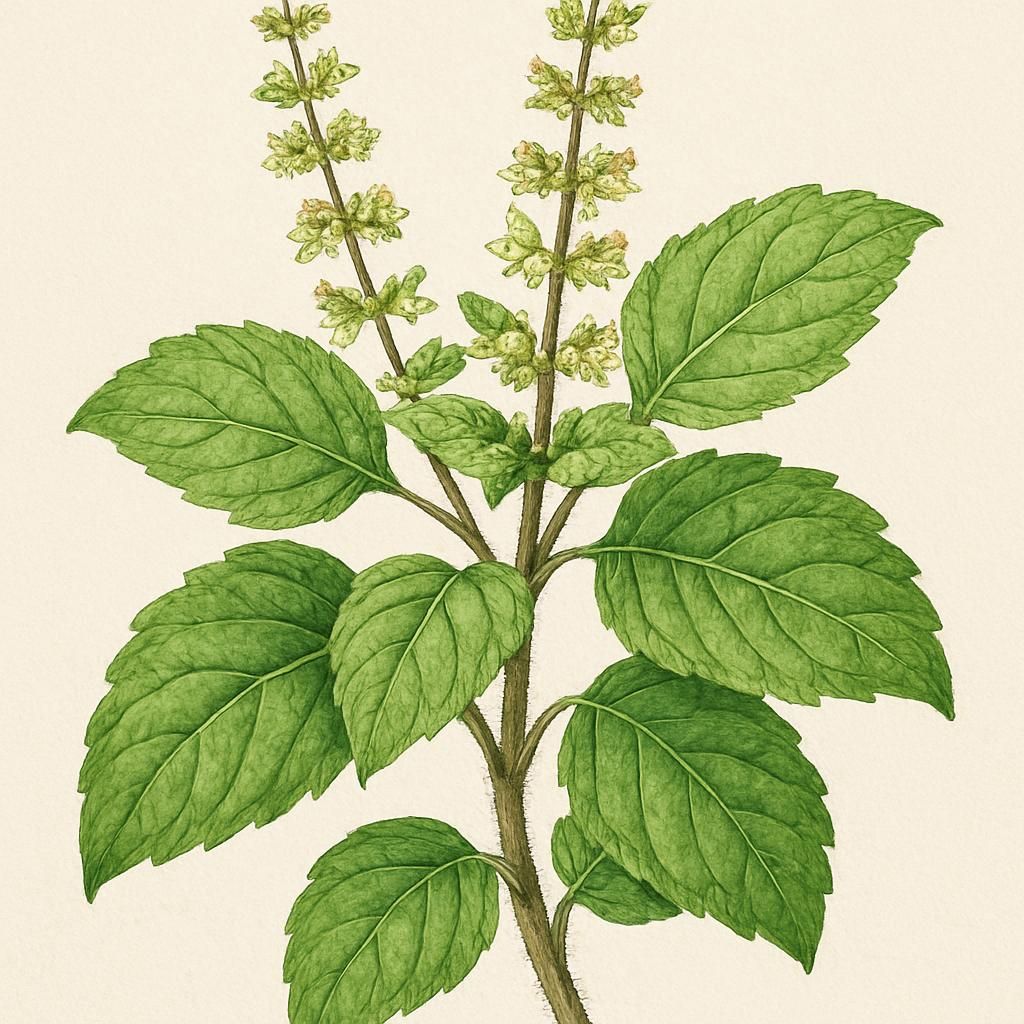
Tulsi (Vana)
Tulsi, also known as Vana or wild basil, is renowned for its medicinal uses and aromatic properties. This plant thrives in warm climates and is relatively easy to cultivate, making it an ideal choice for herbal gardens.
View Guide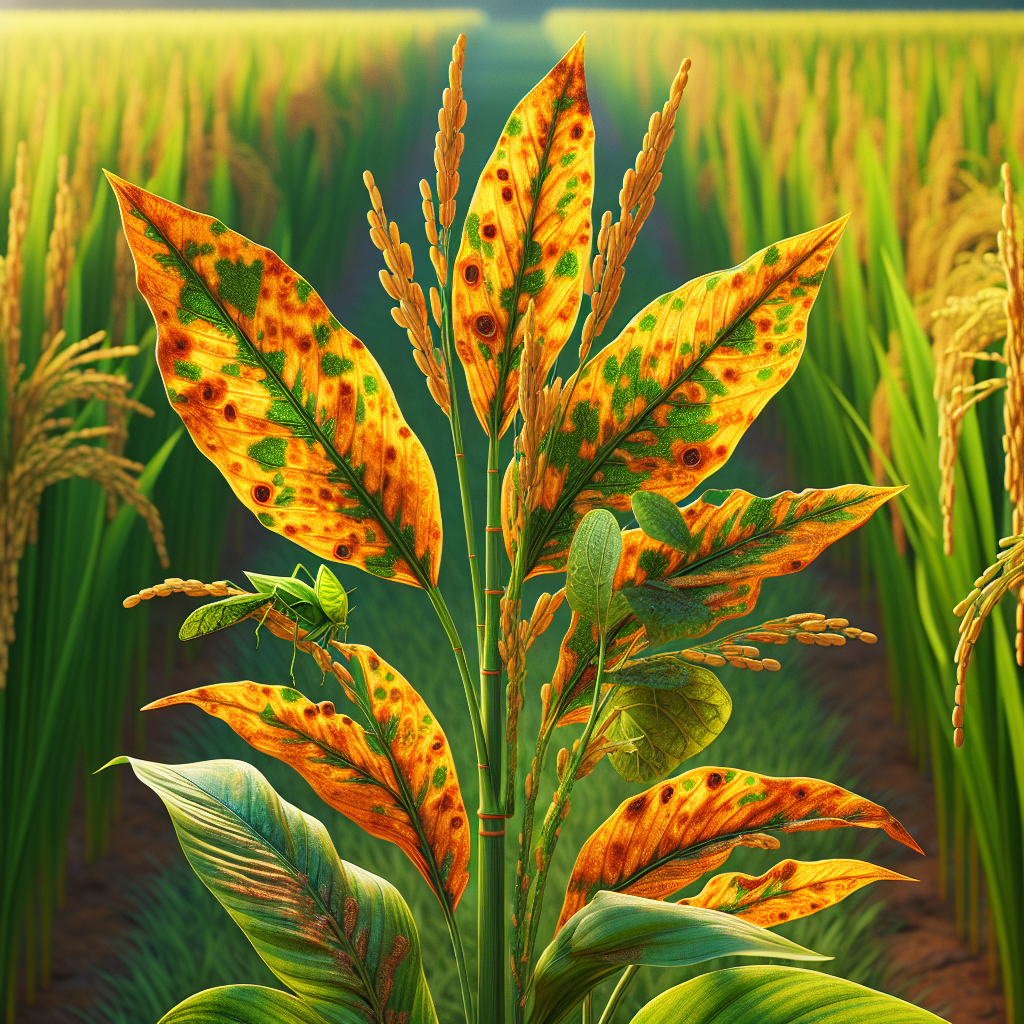
tungro
Tungro is a devastating viral disease primarily affecting rice crops, transmitted by the green leafhopper Nephotettix virescens. It causes stunted growth, yellow-orange discoloration, and significant yield losses up to 100% in severe cases. Effective management relies on resistant varieties, vector control, and cultural practices.
View Profile
Turf
Turf refers to dense mats of unwanted grass species invading agricultural fields, lawns, and turf areas, competing aggressively with crops for water, nutrients, and space. This guide provides comprehensive diagnostics, lifecycle insights, organic management strategies, and prevention tactics to reclaim your land from turf encroachment. Ideal for farmers, landscapers, and homeowners battling excessive grass growth.
View Guide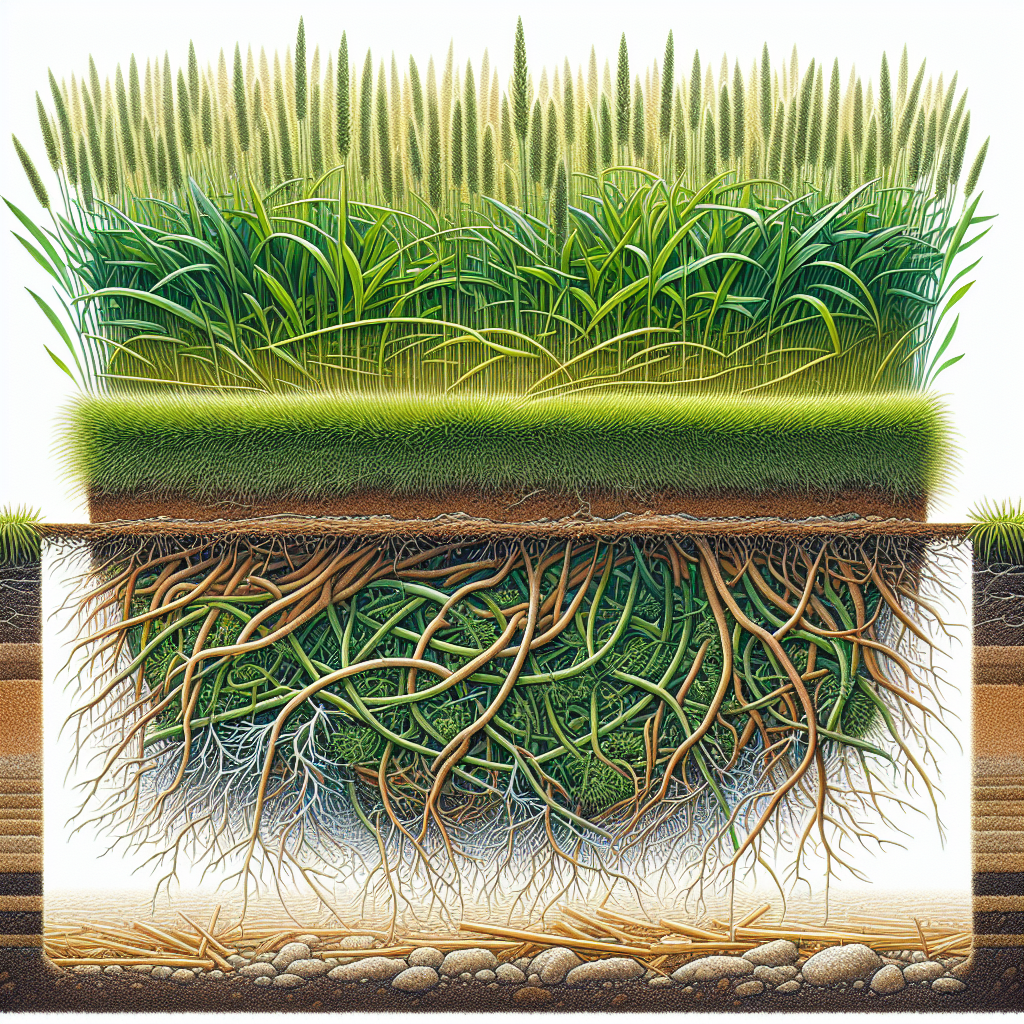
Turfgrass
Turfgrass refers to grassy weeds that aggressively invade agricultural fields, lawns, and orchards, outcompeting crops for water, nutrients, and sunlight. These perennial invaders spread via rhizomes, stolons, and seeds, making them notoriously difficult to eradicate. Effective management combines cultural practices, organic herbicides, and prevention to restore crop productivity.
View Guide
Turkey Red Wheat
Turkey Red Wheat is a heritage variety known for its hardiness, quality grain, and rich flavor. Ideal for bread making and prairie regions, this wheat offers robust yields when cultivated under suitable conditions.
View Guide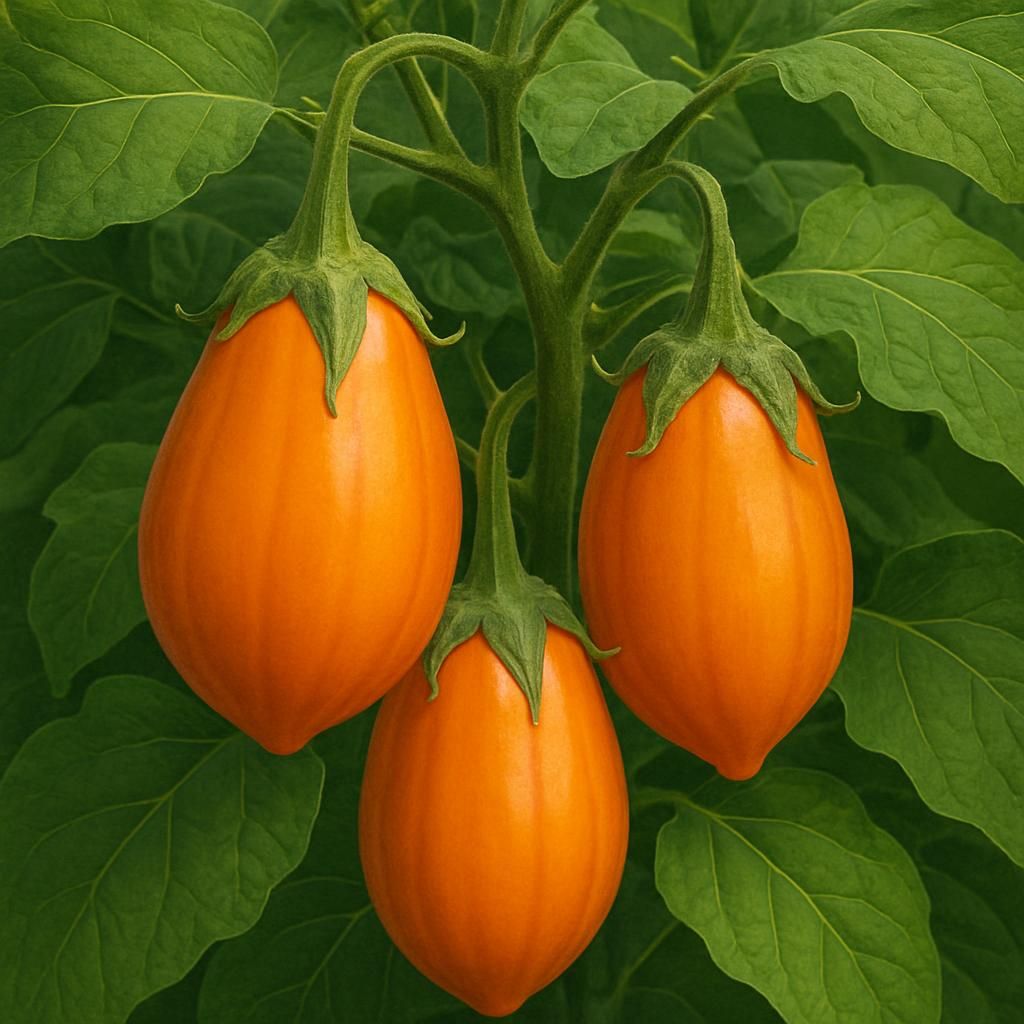
Turkish Orange Eggplant
The Turkish Orange Eggplant is a vibrant variety known for its bright orange fruit. It is cultivated primarily for its ornamental and culinary value, offering a unique taste and high nutritional content.
View Guide
Turmeric
Turmeric is a tropical rhizomatous spice crop grown for its vividly orange underground stems, prized in cooking, medicine, and natural dyeing. It thrives in warm, humid conditions, fertile well-drained soil, and a long frost-free season, rewarding careful growers with high-value rhizomes rich in curcuminoids and aromatic oils.
View Guide
Turnip
Turnip is a fast-growing cool-season root crop valued for both its swollen storage root and nutritious leafy tops. With proper timing, loose fertile soil, and steady moisture, it can produce tender, sweet roots in as little as 30 to 60 days, making it one of the most efficient crops for home gardens and market farms.
View Guide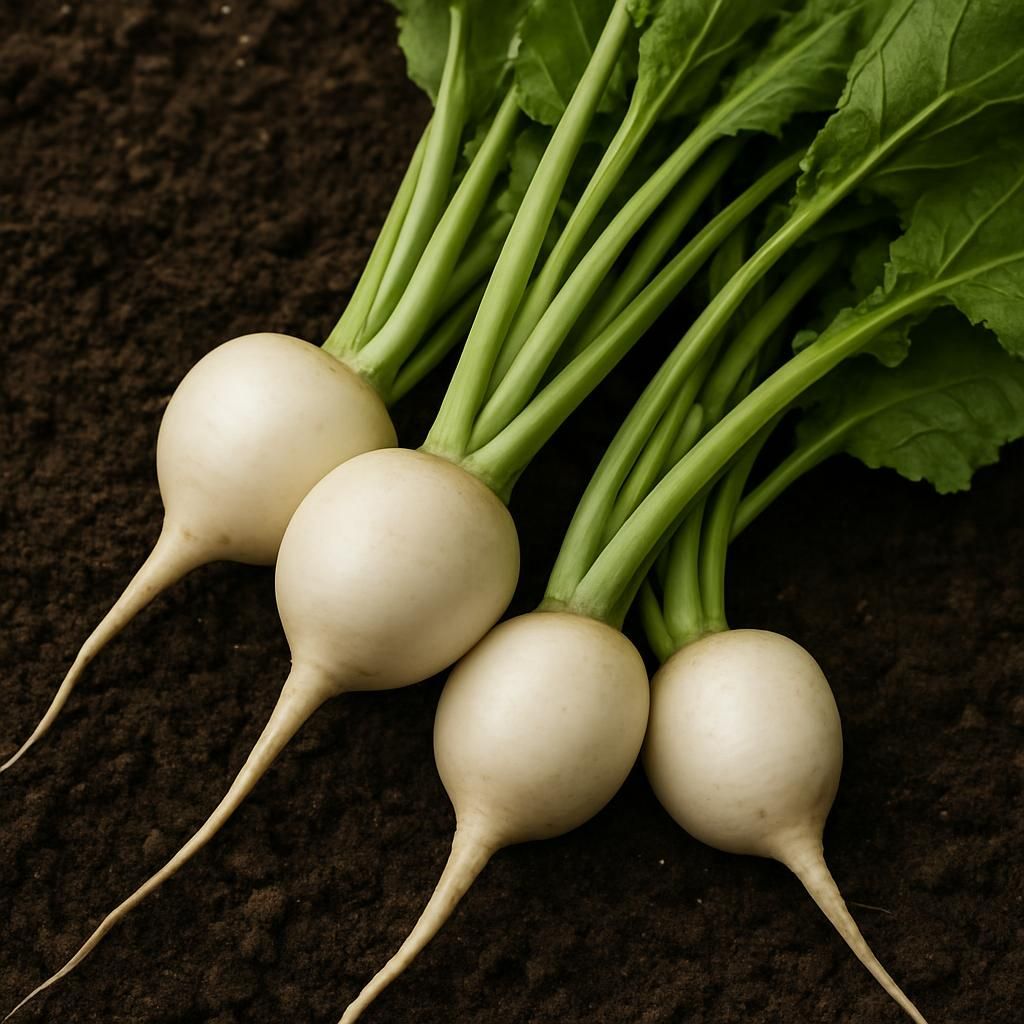
Turnip (Gilfeather)
Gilfeather turnip is a heritage Vermont variety prized for its exceptionally sweet, smooth white roots and tender greens. It thrives in cool weather and offers reliable yields with proper soil management. This guide delivers professional-grade, field-tested advice for successful cultivation.
View Guide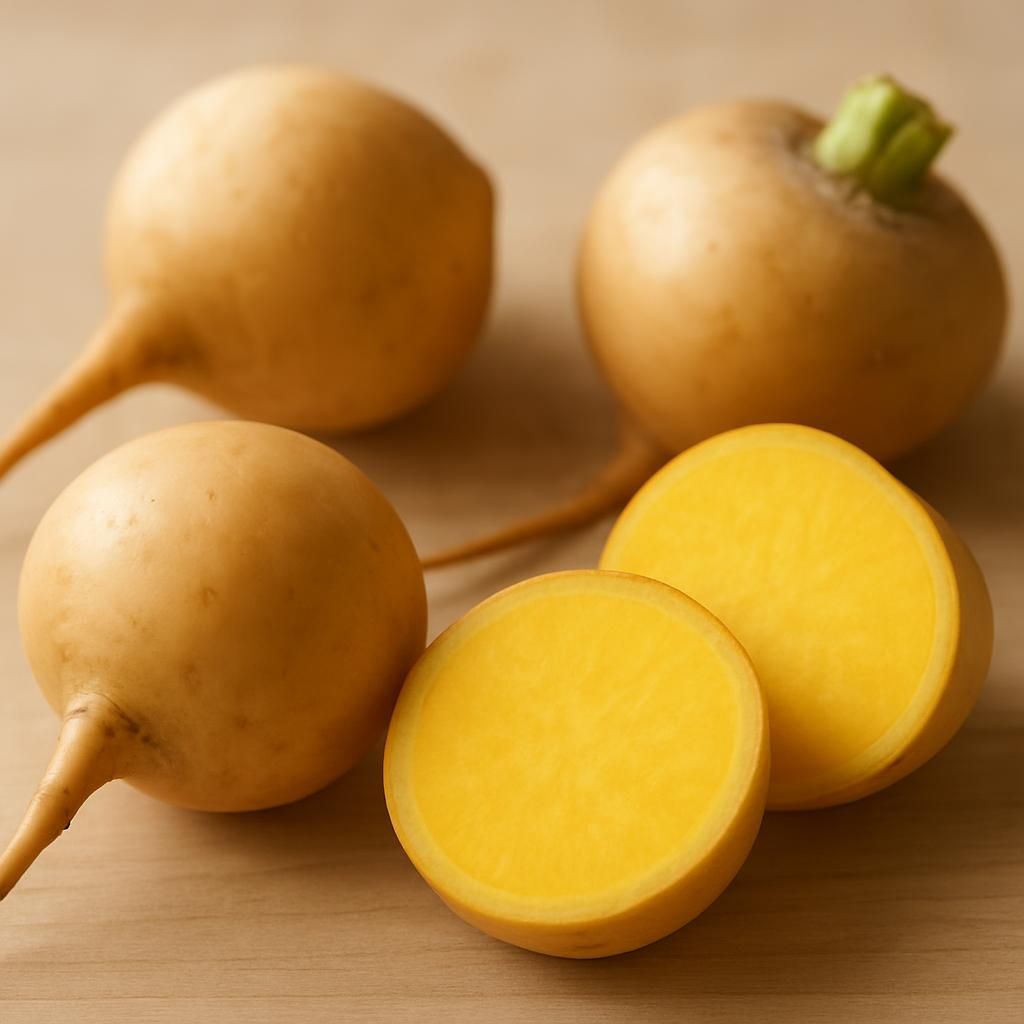
Turnip (Golden Ball)
Golden Ball is a heritage yellow-fleshed turnip prized for its sweet, nutty flavor and reliable storage qualities. This cool-season root crop thrives in well-drained soils and produces smooth, globe-shaped roots with golden interiors that hold their color when cooked. Professional growers value Golden Ball for its disease resistance, bolt tolerance, and consistent market performance.
View Guide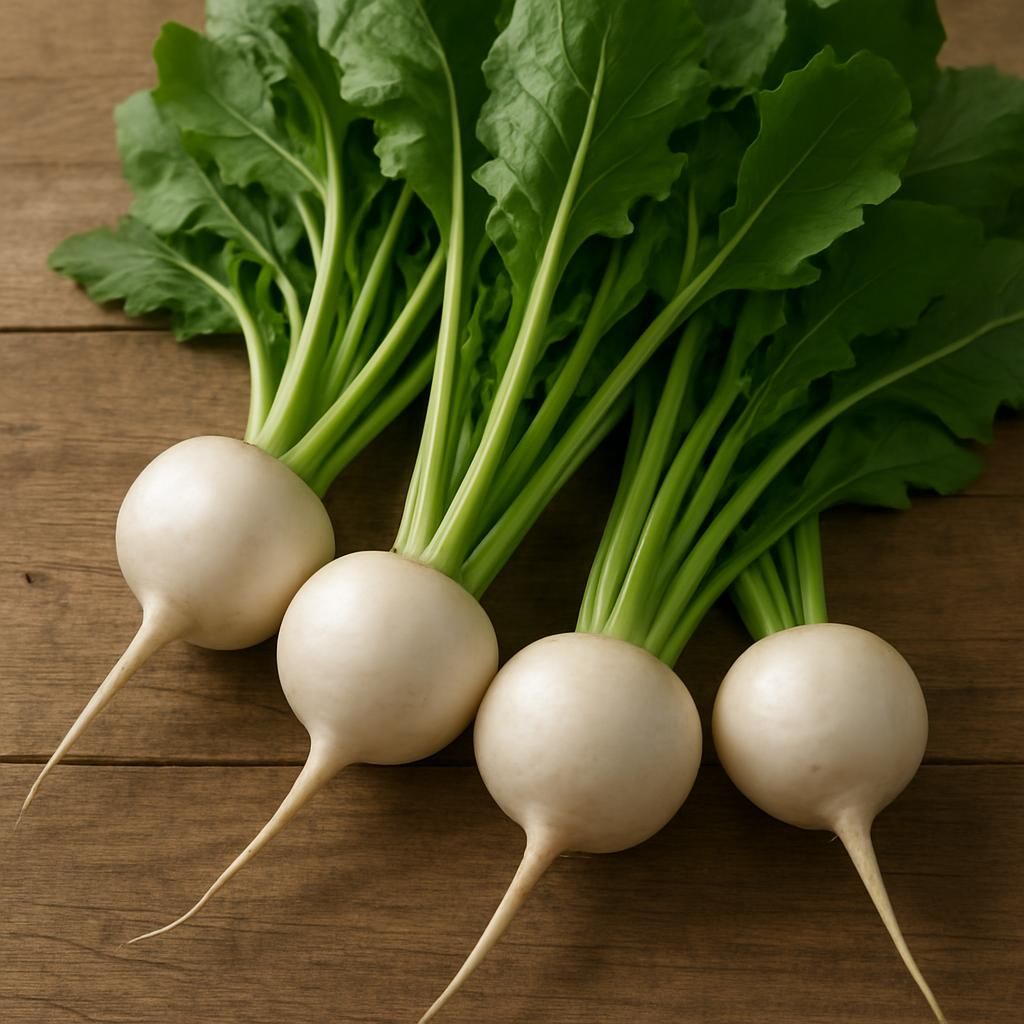
Turnip (Hakurei Tokyo)
Hakurei Tokyo turnips are fast-maturing, sweet, crisp salad turnips prized for both their tender roots and edible greens. This cool-season crop excels in spring and fall plantings, delivering high-value harvests in just 35–45 days.
View Guide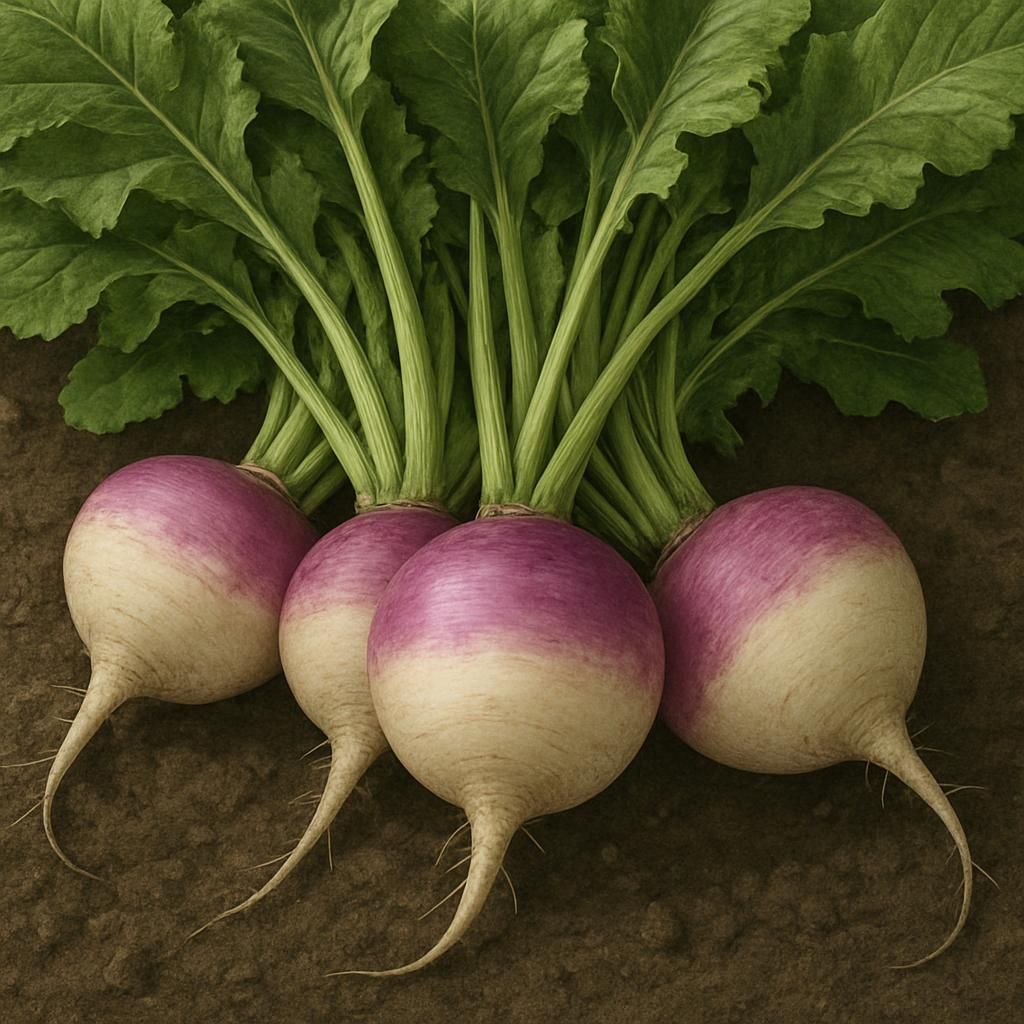
Turnip (Purple Top White Globe)
Purple Top White Globe is a fast-maturing, cool-season root vegetable prized for its crisp, sweet white flesh and distinctive purple-shouldered globe. It thrives in fertile, well-drained soils and is one of the easiest brassicas for home and market gardeners. With proper timing and care, it delivers high yields and excellent storage life.
View Guide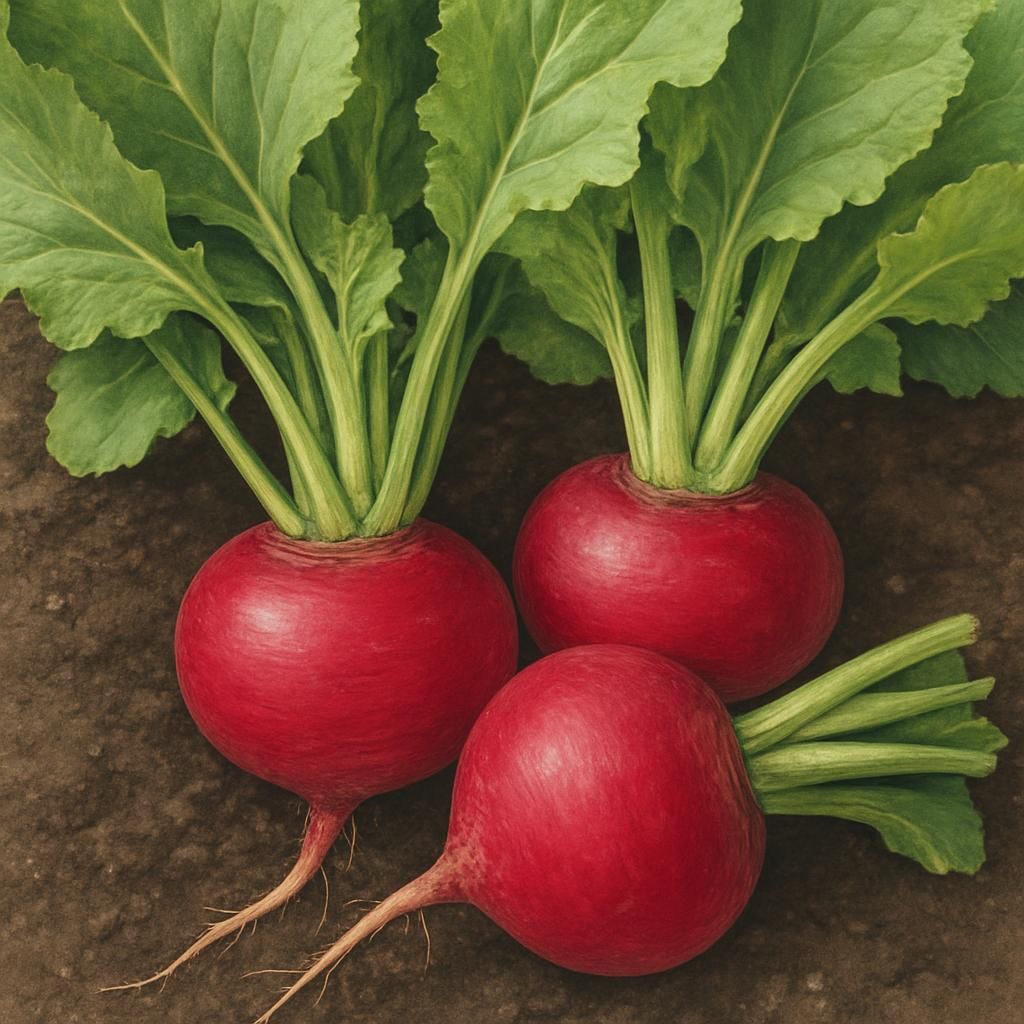
Turnip (Scarlet Ohno)
Scarlet Ohno is a striking, scarlet-skinned turnip variety prized for its sweet, crisp roots and tender greens. This cool-season root crop matures quickly and performs well in both home gardens and commercial production. Its vibrant color and mild flavor make it ideal for fresh eating, roasting, and pickling.
View Guide
Turnip yellows virus
Turnip yellows virus (TuYV) is a widespread aphid-transmitted virus that primarily affects brassica crops, causing yellowing of leaves, stunted growth, and reduced yields. Transmitted persistently by the cabbage aphid (Brevicoryne brassicae) and other species, it poses significant threats to commercial and home vegetable production. Effective management relies on cultural practices, resistant varieties, and vector control.
View Profile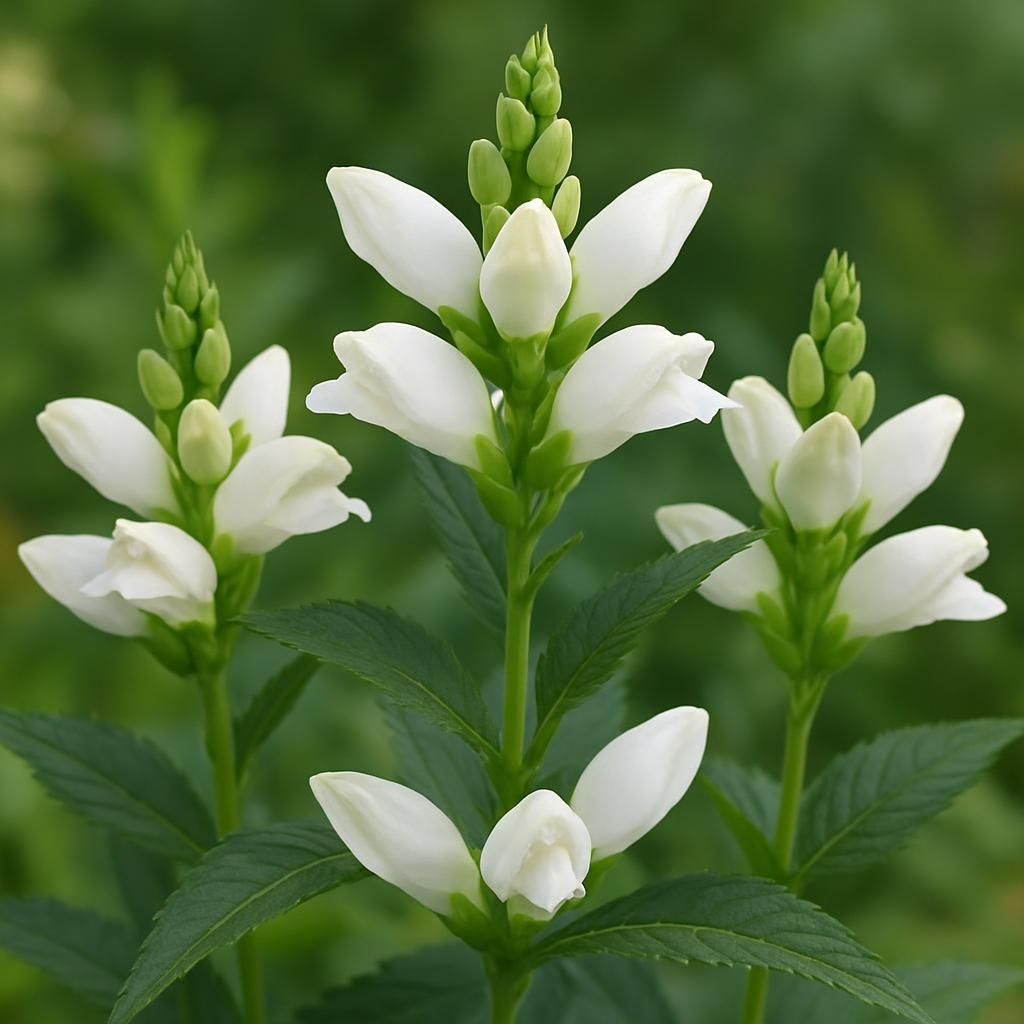
Turtlehead
Turtlehead (Chelone glabra) is a native North American perennial prized for its unique hooded flowers that resemble a turtle's head. It thrives in moist to wet soils and is valued both as an ornamental and for its ecological role in supporting pollinators.
View Guide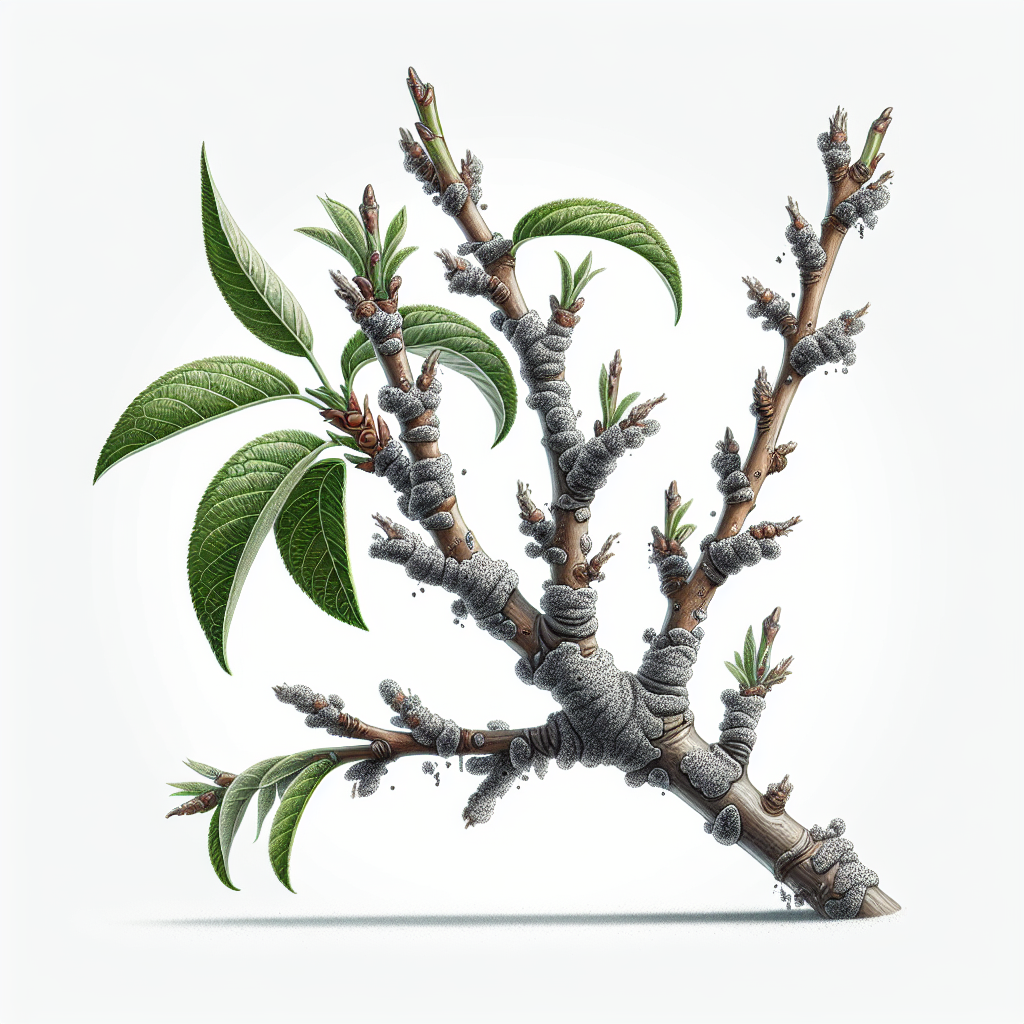
Twig blights
Twig blights are fungal diseases that cause dieback and necrosis of small branches and twigs in fruit trees and woody ornamentals, leading to significant crop losses if unmanaged. They thrive in cool, wet conditions and spread via spores, often entering through wounds or buds. Early detection and cultural practices are key to effective management.
View Profile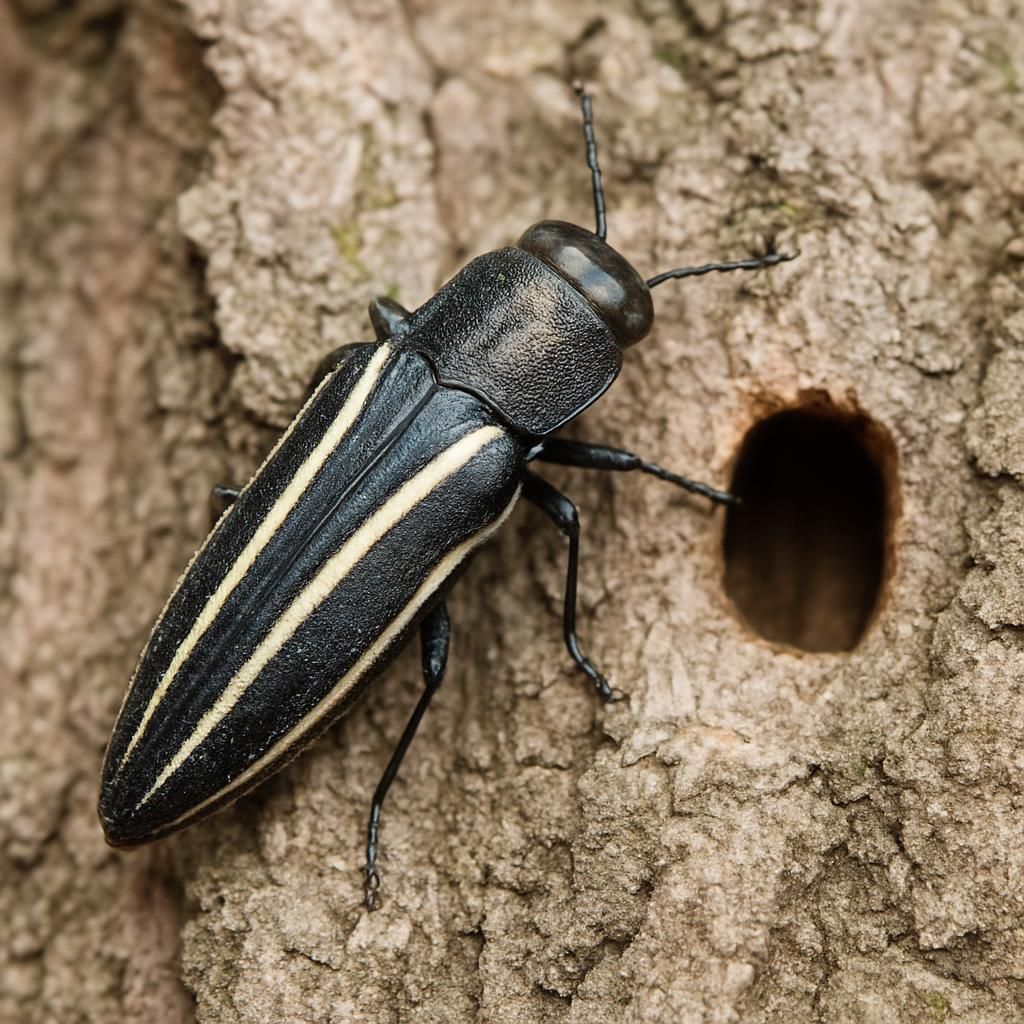
two-lined chestnut borer
The two-lined chestnut borer is a native North American buprestid beetle that primarily attacks stressed oak and chestnut trees. Larvae tunnel beneath the bark, disrupting nutrient flow and often leading to tree decline or death. Effective management combines cultural stress reduction, monitoring, and targeted treatments.
View Profile
Two-Row Barley
Two-row barley is a cool-season cereal grain valued for its plump kernels, relatively uniform grain size, and strong importance in malting, feed, and cover-cropping systems. Compared with six-row types, it typically produces fewer but larger kernels per spike, making it especially prized where grain quality, extract potential, and consistent maturation matter.
View Guide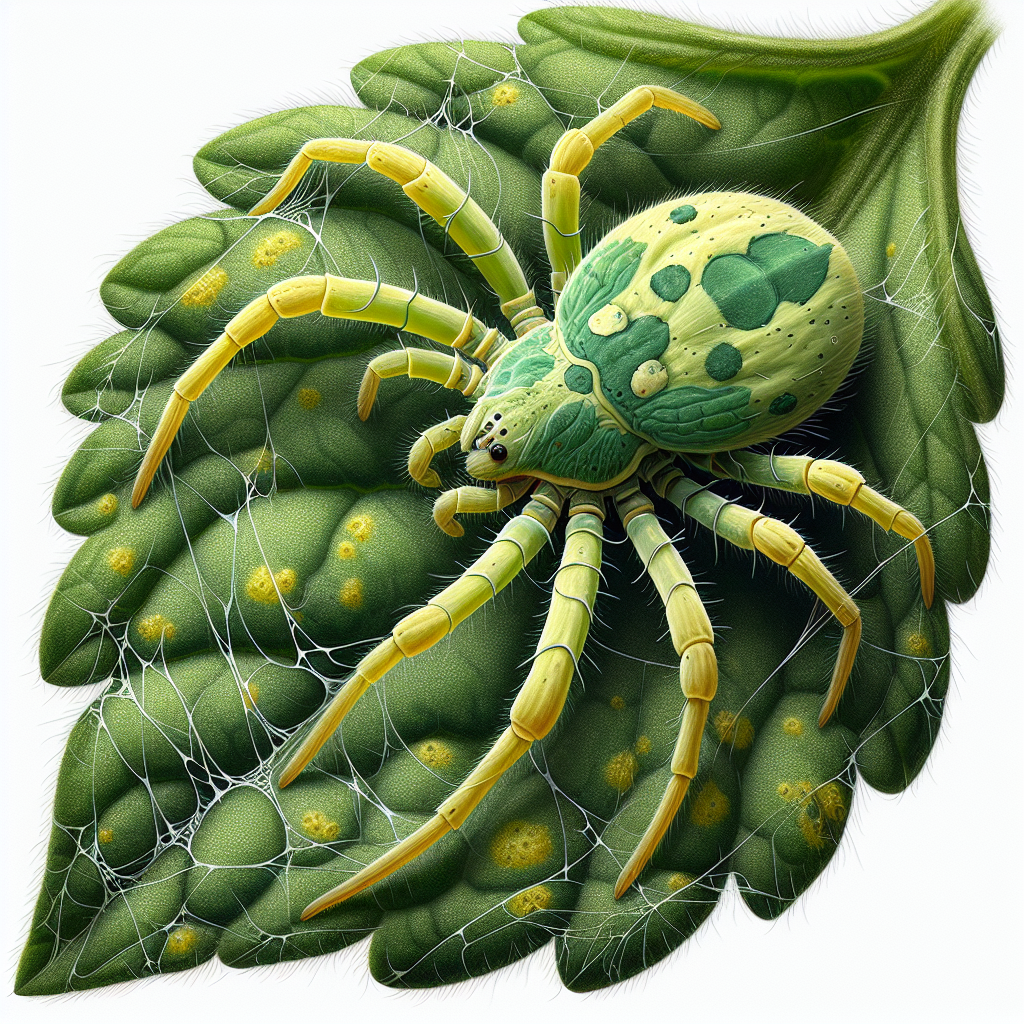
Twospotted spider mites
Twospotted spider mites (Tetranychus urticae) are tiny arachnids that cause significant damage to a wide range of crops by sucking plant sap, leading to stippling, yellowing, and webbing on leaves. These pests thrive in hot, dry conditions and can rapidly multiply, devastating orchards, vegetables, and ornamentals if unmanaged. Effective organic control relies on predatory mites, horticultural oils, and cultural practices to prevent outbreaks.
View Profile