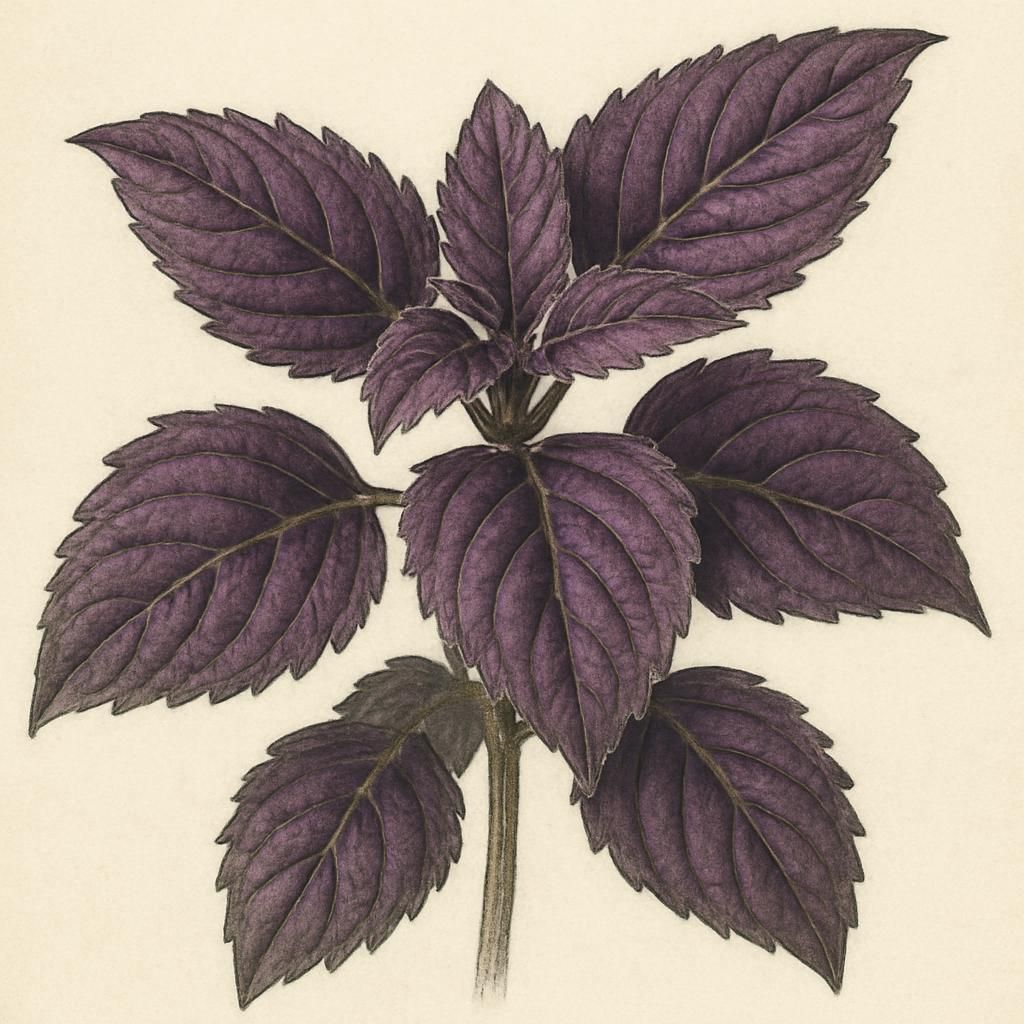
Introduction to Tulsi (Krishna)
Tulsi, often referred to as the 'Queen of Herbs', is a sacred plant in Hindu belief and a staple in traditional Ayurvedic medicine. Among its variants, Krishna Tulsi (Ocimum tenuiflorum) stands out due to its distinct purplish leaves, symbolizing the divine color associated with Lord Krishna. This variety is cherished not only for its spiritual significance but also for its extensive health benefits, including its roles in combating stress, promoting respiratory health, and supporting immunity.
Botanical Profile of Tulsi (Krishna)
Krishna Tulsi is a perennial plant that can grow up to 60 cm in height. It features smooth purple stems and leaves, which can sometimes have a green tinge tinged with purple highlights. The plant blossoms with small purplish flowers, followed by the formation of seeds. As a member of the Lamiaceae family, it shares its lineage with other aromatic herbs like Thyme and Mint.
Soil, pH, and Climate Requirements for Tulsi (Krishna)
Tulsi thrives in warm climates with ample sunlight and well-drained soil. This plant is tolerant of various soil conditions but prefers slightly acidic to neutral pH levels. It flourishes in tropical and subtropical regions and can be grown year-round in areas without frost.
| Factor | Ideal Condition |
|---|---|
| Soil | Loamy, well-drained |
| pH | 6.0 to 7.5 |
| Temperature | 20°C to 30°C (68°F to 86°F) |
| Sunlight | Full sun (6-8 hours daily) |
Step-by-Step Planting & Propagation
Seed Selection and Preparation: Obtain Krishna Tulsi seeds from a reputable source. Soak them overnight in water to improve germination rates.
Soil Preparation: Mix garden soil with organic compost in a 2:1 ratio to ensure proper drainage and fertility. Fill seed trays or small pots with this soil mixture.
Sowing Seeds: Sprinkle the seeds evenly over the soil and cover with a thin layer of soil. Water gently using a spray bottle to avoid washing away the seeds.
Germination: Place the seed trays in a warm, sunny spot. Maintain consistent soil moisture. Germination typically occurs in 7 to 14 days.
Transplanting: Once seedlings have developed two sets of true leaves, transplant them into larger pots or directly into the garden.
Care & Maintenance Regimes for Tulsi (Krishna)
To ensure healthy growth, consistent care, and maintenance practices are crucial.
| Care Aspect | Frequency | Details |
|---|---|---|
| Watering | Weekly | Water deeply, allowing soil to dry between watering |
| Fertilizing | Monthly | Apply a balanced, organic fertilizer |
| Pruning | Bi-monthly | Pinch off flowers to encourage bushy growth |
Pests, Diseases & Organic Management
Krishna Tulsi is generally hardy but can be susceptible to pests such as Spider Mites and diseases like powdery mildew.
- Spider Mites: Use neem oil sprays for organic control.
- Powdery Mildew: Improve air circulation and avoid overhead watering. For comprehensive pest management, explore these 7 Summer Pest Traps That Sabotage Small Farm Harvests.
Harvesting, Curing & Optimal Storage
Krishna Tulsi can be harvested at any stage, but for optimal flavor, wait for the plants to mature.
- Harvesting: Cut leaves early in the morning when essential oil content is high.
- Curing: Dry the leaves in a shaded area with good airflow. Ensure they are completely dry to prevent mold.
- Storage: Store dried leaves in airtight containers in a cool, dark place.
Companion Planting for Tulsi (Krishna)
Incorporating companion plants can enhance Tulsi's growth and protect it from pests. Good companions include:
- Marigold: Repels nematodes and provides pest control.
- Thyme: Acts as a living mulch, maintaining soil moisture. For more dynamic pairing strategies, refer to our guide on Summer Companion Planting: 10 Organic Pairings to Boost Small Farm Resilience.