Introduction to Turtlehead
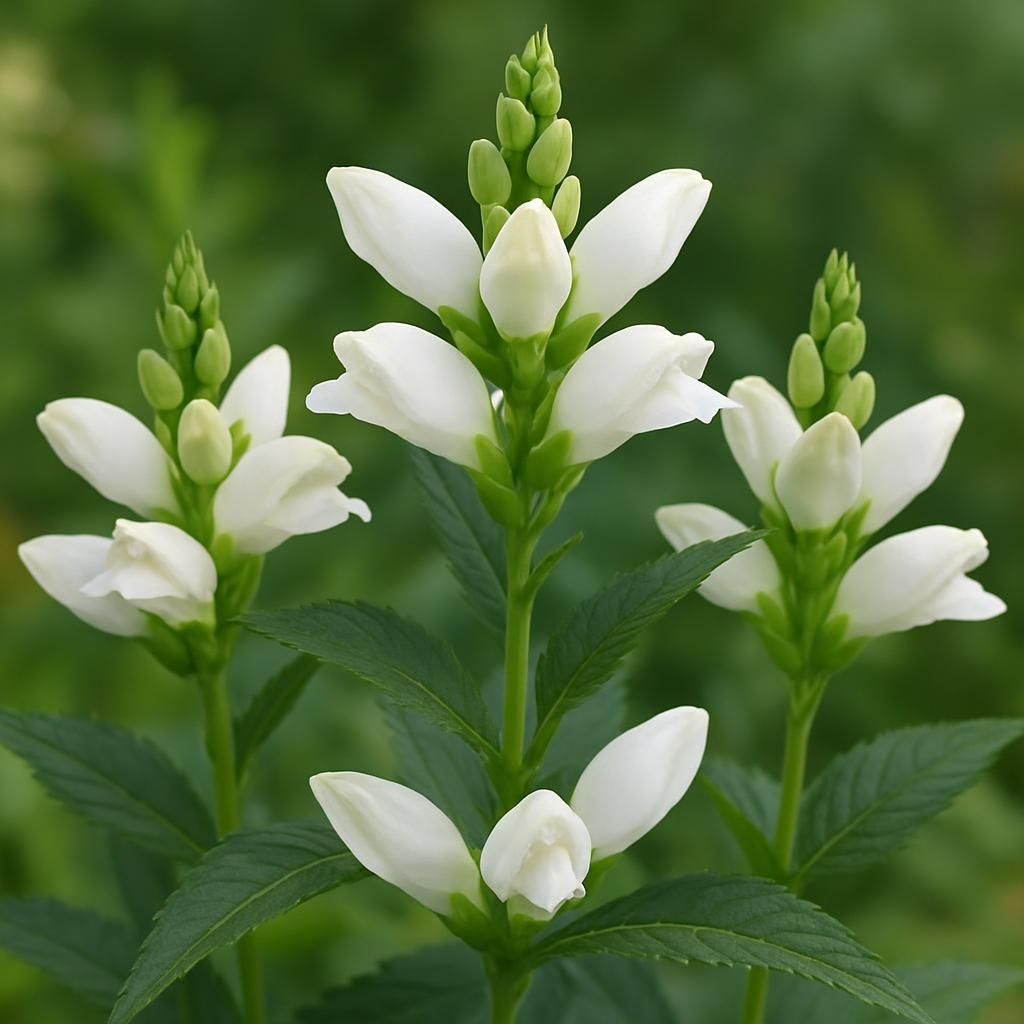
Turtlehead (Chelone glabra) is a hardy herbaceous perennial native to eastern North America. Known for its distinctive snapdragon-like blooms that appear in late summer through fall, this plant is a favorite among gardeners seeking native species that support pollinators. The flowers, typically white to pale pink, emerge in dense terminal spikes and are especially attractive to bumblebees. Beyond its ornamental value, turtlehead plays an important ecological role in wetland restoration projects and rain gardens due to its affinity for consistently moist soils.
As interest in native plant landscaping grows, turtlehead has gained recognition for its ability to thrive in challenging wet conditions where many other ornamentals fail. It forms clumps of upright stems reaching 2–3 feet in height with dark green, opposite leaves that provide textural contrast. The plant’s common name derives from the shape of its corolla, which mimics the head of a turtle—an adaptation that may help protect nectar from rain.
Professional growers appreciate turtlehead for its low maintenance requirements once established and its resistance to deer browsing. Its extended bloom period makes it valuable for extending seasonal interest in both home landscapes and commercial cut-flower production. Additionally, turtlehead serves as a larval host for the Baltimore checkerspot butterfly, enhancing its value in pollinator conservation efforts.
Botanical Profile of Turtlehead
Chelone glabra belongs to the Plantaginaceae family and is one of several species in the Chelone genus. It is characterized by square stems, opposite, lance-shaped leaves with serrated margins, and terminal racemes of tubular flowers. Each flower features a two-lipped corolla with the upper lip forming a hood and the lower lip bearing a prominent bearded palate that guides pollinators.
The plant spreads slowly via short rhizomes, forming dense clumps over time without becoming invasive. Flowers are primarily white but may exhibit pink tinges, especially in cooler temperatures. Seeds are produced in capsules that split open when mature, allowing natural dispersal in wetland habitats. Turtlehead’s root system is fibrous and shallow, making it sensitive to prolonged drought but well-adapted to saturated soils.
Soil, pH, and Climate Requirements for Turtlehead (MUST INCLUDE A MARKDOWN TABLE OF IDEAL CONDITIONS)
Successful cultivation of turtlehead depends on replicating its natural wetland habitat. The plant performs best in consistently moist to wet, rich organic soils with good drainage to prevent stagnation. It tolerates full sun to partial shade but flowers more profusely with at least four hours of direct sunlight daily.
| Parameter | Ideal Range | Notes |
|---|---|---|
| Soil Type | Loamy, high in organic matter | Incorporate compost or leaf mold |
| Soil pH | 5.5 – 7.0 | Slightly acidic to neutral |
| Moisture | Consistently moist to wet | Never allow soil to dry out completely |
| Temperature Range | 60–80°F (15–27°C) daytime | Hardy to USDA Zone 3 (-40°F) |
| Light Requirements | Full sun to partial shade | Afternoon shade beneficial in hot climates |
| Spacing | 12–18 inches (30–45 cm) | Allows air circulation and clump expansion |
Step-by-Step Planting & Propagation
Plant turtlehead in early spring or fall when soil temperatures are moderate. Begin by preparing the site: remove weeds and incorporate 2–3 inches of well-rotted compost to improve moisture retention. Dig planting holes twice the width of the root ball and at the same depth as the container. Space plants 12–18 inches apart to allow for mature clump size.
Water thoroughly after planting and apply a 2-inch layer of organic mulch to conserve moisture and suppress weeds. For propagation, divide established clumps in early spring every 3–4 years. Each division should have at least three healthy shoots and a portion of the root system. Alternatively, sow fresh seed in late fall or stratify for 60 days at 35–40°F before spring sowing.
Care & Maintenance regimes for Turtlehead (MUST INCLUDE A MARKDOWN TABLE OF WATER, FERTILIZER, AND PRUNING SCHEDULES)
Turtlehead requires minimal intervention once established but benefits from consistent moisture management. Fertilization should be light and organic to avoid excessive vegetative growth at the expense of blooms. Pruning spent flower spikes encourages reblooming and maintains tidy appearance.
| Season | Watering Schedule | Fertilizer Application | Pruning Action |
|---|---|---|---|
| Spring | Keep soil evenly moist; 1 inch/week | Apply 1–2 inches compost or balanced organic fertilizer (5-5-5) at 1 lb per 100 sq ft | Remove winter-damaged stems to 2–3 inches above soil |
| Summer | Increase to 1.5–2 inches/week during heat | Side-dress with aged manure mid-June if growth is weak | Deadhead spent spikes to promote secondary bloom |
| Fall | Maintain moisture until first frost | No additional fertilizer | Cut back stems to 4–6 inches after foliage yellows |
| Winter | Minimal; rely on natural precipitation | None | Mulch 2–3 inches over crowns in Zones 3–5 |
Pests, Diseases & Organic Management
Turtlehead is relatively pest-resistant but may occasionally host aphids or slugs and snails in overly moist conditions. Monitor new growth in spring for aphid colonies and blast them off with a strong stream of water or apply insecticidal soap. Slugs can be managed with beer traps or iron phosphate baits placed around the base of plants.
Fungal issues such as powdery mildew may appear in crowded plantings with poor air circulation. Improve spacing, remove affected foliage, and apply neem oil or a baking soda spray (1 tsp per quart of water plus a drop of dish soap) at the first sign of infection. Root rot can occur in poorly drained soils; always ensure the planting site does not remain waterlogged.
Harvesting, Curing & Optimal Storage
Turtlehead is primarily grown as an ornamental rather than a food crop, so harvesting focuses on cut flowers and seed collection. For cut flowers, harvest when two-thirds of the spike has opened. Place stems immediately in cool water and condition for 4–6 hours before arranging. Vase life averages 5–7 days with floral preservative.
For seed saving, allow capsules to dry on the plant until they begin to split. Collect seeds on a dry day, remove chaff, and store in labeled paper envelopes at 40°F with low humidity. Viability remains high for up to three years under proper conditions.
Companion Planting for Turtlehead
Turtlehead pairs well with other moisture-loving natives in rain gardens and wetland borders. Recommended companions include Joe-Pye weed, cardinal flower, and marsh marigold. These plants share similar moisture requirements and create layered height and color interest.
Avoid planting turtlehead near aggressive spreaders such as mint or running bamboo that may outcompete it. In mixed borders, position turtlehead behind shorter perennials like hosta or ferns to highlight its upright form while ensuring its roots remain shaded and cool.
Stop Treating Tomato Blight Like a Spray Problem: Here Is What Works Better