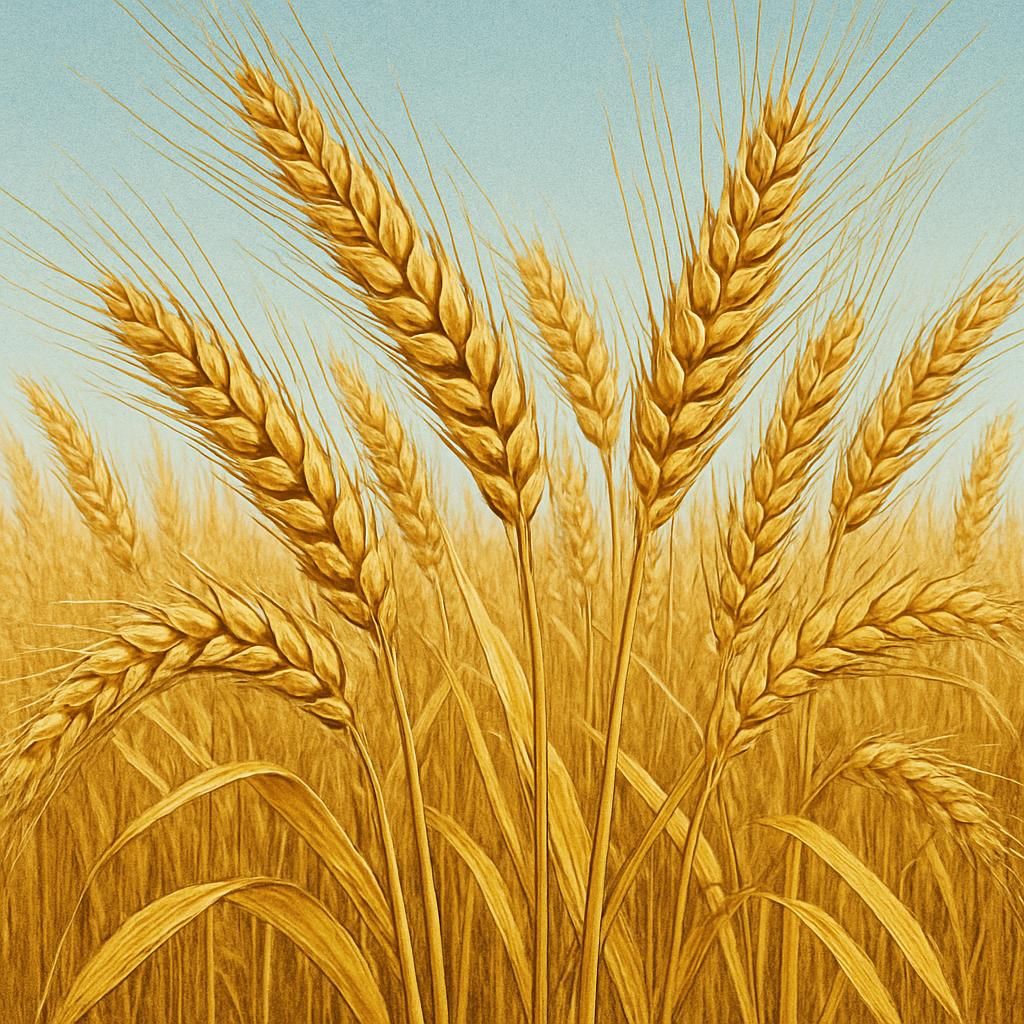
Introduction to Turkey Red Wheat
Turkey Red Wheat is a heritage wheat variety that traces its roots back to the Mennonite immigrants who settled in the United States during the late 1800s. Revered for its high protein content and excellent baking properties, this wheat is particularly famous for producing high-quality bread flour. Known for its deep red-colored grains, Turkey Red thrives in the temperate climate of the central prairies, including states like Kansas and Nebraska.
Botanical Profile of Turkey Red Wheat
Belonging to the species Wheat, Turkey Red Wheat is a type of hard red winter wheat. The plant typically grows to a height of 3 to 4 feet, with a robust stalk and long, narrow leaves. Wheat heads comprise multiple florets, each capable of producing individual grains. Turkey Red Wheat is considered a winter wheat, meaning it is typically planted in the fall and harvested in early summer.
Soil, pH, and Climate Requirements for Turkey Red Wheat
Turkey Red Wheat requires specific conditions for optimal growth. Below is a detailed table showcasing the ideal environmental settings:
| Condition | Ideal Range |
|---|---|
| Soil Type | Loamy, well-drained |
| Soil pH | 6.0 - 7.0 |
| Temperature | 60°F - 70°F (15.5°C - 21°C) |
| Rainfall | 12-15 inches annually |
Step-by-Step Planting & Propagation
- Site Selection: Choose a location with full sun and loamy soil that drains well.
- Soil Preparation: Test soil pH and amend as necessary to reach the desired 6.0-7.0 pH level. Incorporate organic matter to enhance soil fertility.
- Seeds: Use high-quality, certified seeds to ensure purity and disease resistance.
- Planting Time: Sow seeds in the fall, approximately 1-1.5 inches deep. Space rows 6-8 inches apart to account for plant growth.
- Germination: Ensure soil stays moist but not waterlogged. Germination typically occurs within 7-10 days if conditions are optimal.
Care & Maintenance Regimes for Turkey Red Wheat
Proper care ensures healthy crops and high yields. Monitoring and managing water, nutrients, and pests are crucial.
| Task | Details |
|---|---|
| Watering | Supplement rainfall with irrigation during dry spells, especially at the tillering and booting stages. |
| Fertilizing | Apply a balanced fertilizer at seeding, then a nitrogen-rich fertilizer during the stem elongation phase. |
| Pruning | Not necessary, but monitor for weed management. |
Pests, Diseases & Organic Management
Turkey Red Wheat is susceptible to certain pests such as the Hessian fly and diseases like Rusts and Septoria. Use organic management methods such as crop rotation and natural predators to control pest numbers. Also, maintaining good air circulation through adequate spacing can prevent disease outbreaks.
Harvesting, Curing & Optimal Storage
The wheat is ready to harvest when the grains are hard and the stems are golden brown. Use mechanical or hand harvesting methods. Post-harvest, store grains in a cool, dry place to prevent issues such as mold or pest infestations.
Companion Planting for Turkey Red Wheat
Companion planting can increase yields and reduce pest issues. Suitable companions include legumes like Fava Beans that fix nitrogen, enriching the soil.
For more detailed insights on small farm resilience, check out the Fall Soil Revival: 8 Organic Strategies to Rebuild Fertility for Small Farms.