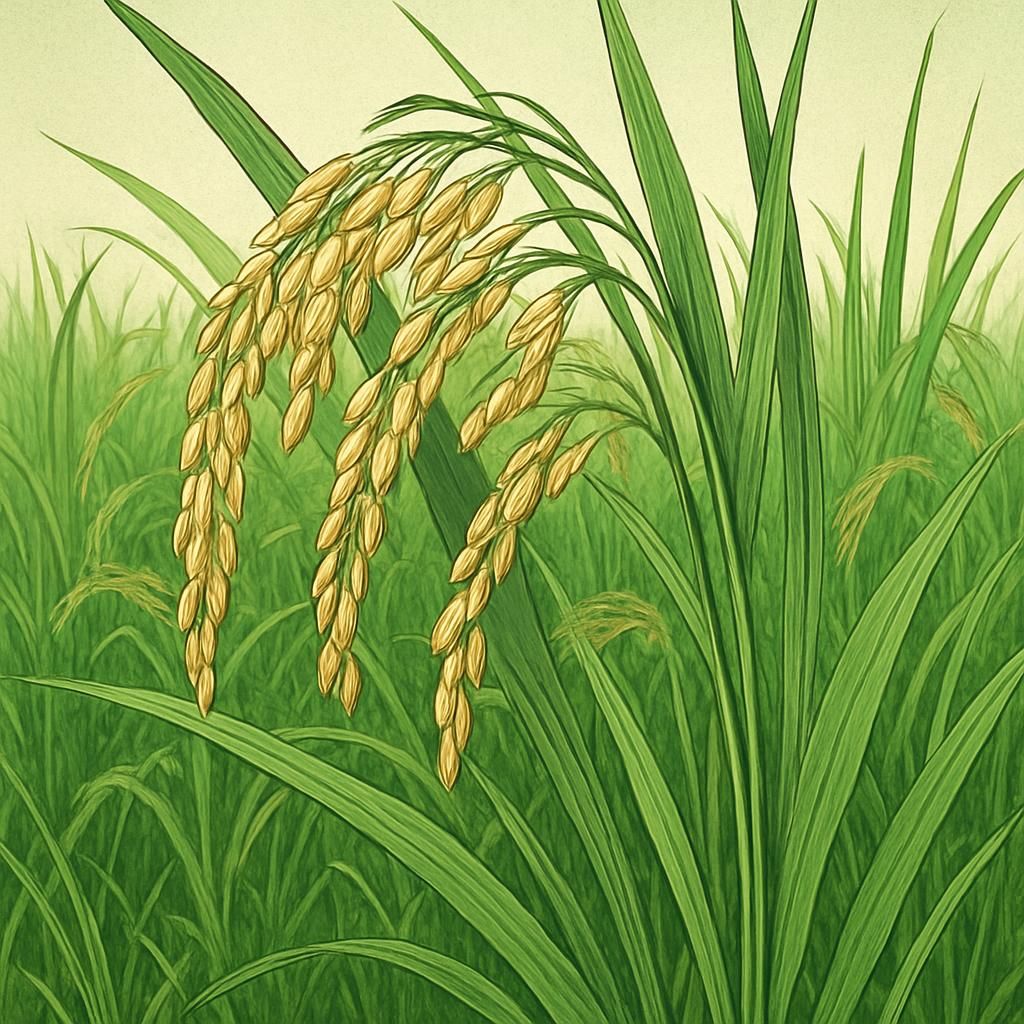
Introduction to Tulaipanji Rice
Tulaipanji Rice is a distinguished aromatic rice variety primarily cultivated in the region of North Bengal, India. It holds a historical significance and is cherished for its unique aroma and fine grain quality. The rice is non-basmati and offers a distinct taste that places it among the more elite rice varieties in India. Its cultivation is deeply rooted in tradition and requires specific climatic conditions, making it a specialty crop in its native region.
Botanical Profile of Tulaipanji Rice
Tulaipanji is scientifically known as Oryza sativa. This rice variety features elongated grains that are slender yet robust. The grains are shorter compared to other aromatic rice varieties, such as Basmati Rice. Upon cooking, Tulaipanji Rice tends to be soft with a pronounced fragrance that enhances the dining experience.
Soil, pH, and Climate Requirements for Tulaipanji Rice
Tulaipanji Rice requires specific soil and climate conditions to thrive, facilitating its characteristic aroma and grain quality.
| Factor | Ideal Condition |
|---|---|
| Soil Type | Alluvial, loamy soil with good fertility |
| pH Range | 5.5 to 6.5 |
| Temperature | 25°C to 35°C during growth season |
| Rainfall | 1500mm to 2000mm annually |
Step-by-Step Planting & Propagation
- Seed Selection: Choose certified seeds of Tulaipanji to ensure high-quality crop production.
- Field Preparation: Plow the field to create a fine tilt, ensuring the soil is well-aerated.
- Sowing: Sow seeds directly into the soil or use seedling transplantation. It generally depends on regional practices.
- Irrigation: Maintain consistent water supply during germination and early sapling stages to support healthy growth.
- Spacing: Ensure adequate spacing (20cm x 20cm) between plants to allow proper airflow and sunlight.
Care & Maintenance Regimes for Tulaipanji Rice
Careful management is necessary to prevent pest infestation and promote healthy growth throughout its lifecycle.
| Schedule | Water | Fertilizer | Pruning |
|---|---|---|---|
| Germination | Regular | Nitrogen-rich | Not required |
| Vegetative Stage | Maintain water level | Balanced NPK fertilizer | Not required |
| Pre-harvest | Gradual withdrawal | Potassium to strengthen | Not required |
Pests, Diseases & Organic Management
Tulaipanji Rice is susceptible to pests such as Leafhoppers and diseases like Rice Blast. Organic management strategies include:
- Utilizing Spider Mites predators as biological control agents.
- Applying neem oil to curb infestations naturally.
- Adopting crop rotation practices to reduce disease incidence and enhance soil health. More on effective strategies can be found in the 7 Summer Pest Traps That Sabotage Small Farm Harvests.
Harvesting, Curing & Optimal Storage
- Harvesting: It is typically done when grains display a golden hue and are firm. This occurs roughly 120-140 days post-sowing.
- Curing: Post-harvest, grains need to be sun-dried to reduce moisture content below 14% for safe storage.
- Storage: Store grains in a cool, dry place. Utilize hermetically sealed tanks to prolong freshness and protect against pests.
Companion Planting for Tulaipanji Rice
Companion planting can significantly enhance yields and performance. Suitable companions include Nasturtium for pest deterrents, and legumes to fix nitrogen and improve soil fertility effectively. Discover more pairings suited for different seasons in the Summer Companion Planting: 10 Organic Pairings to Boost Small Farm Resilience blog post.