Encyclopedia
Definitive guides for crops, pests, and agricultural diseases.

Thompson Seedless Grapes
Thompson Seedless Grapes, also known as Sultana or Thompson Raisins, are a premier table grape variety prized for their sweet, crisp green berries without seeds, making them ideal for fresh eating, raisins, and winemaking. Originating from Persia and popularized in California, this cultivar thrives in warm, arid climates with excellent heat summation for optimal sugar development. This definitive guide provides professional-grade cultivation techniques to maximize yields of this high-value crop.
View Guide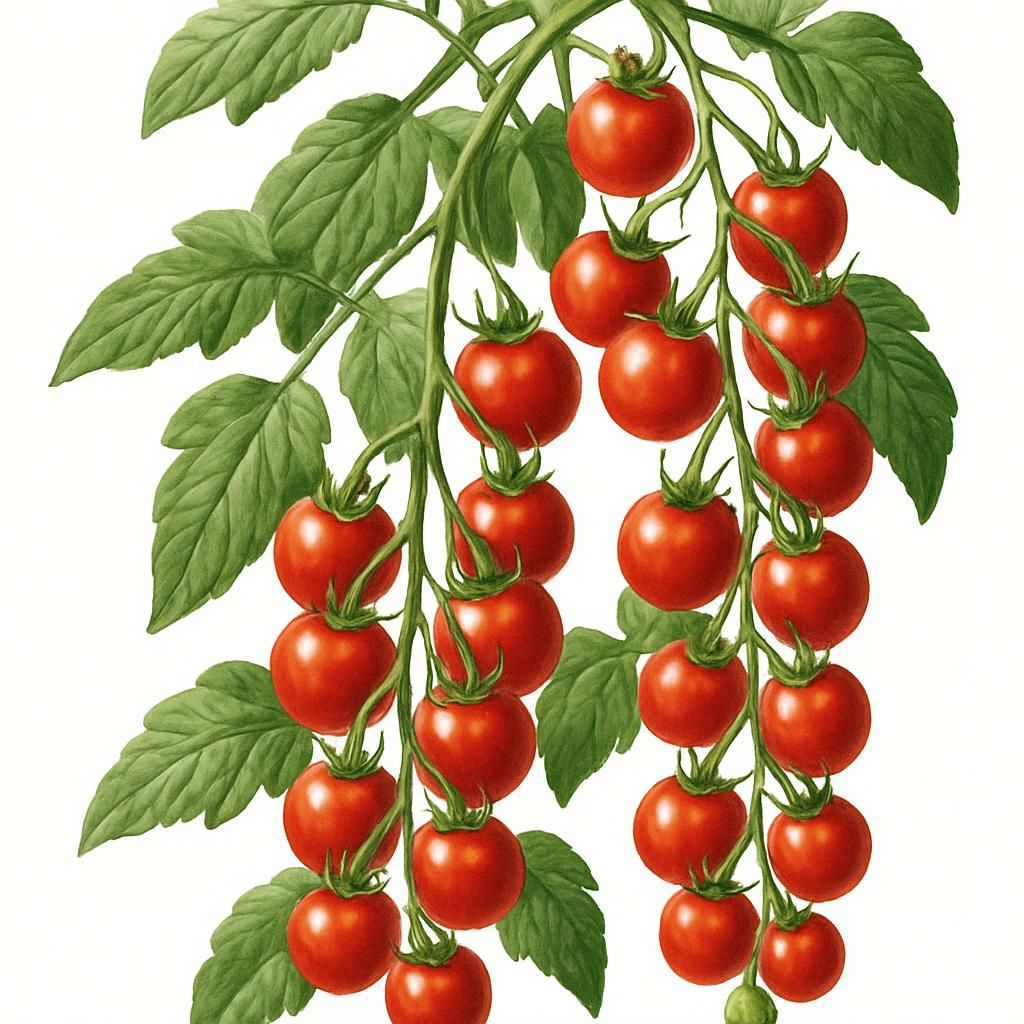
Thousand Flower Tomato
Thousand Flower Tomato is a rare, highly prolific heirloom variety renowned for its massive clusters of small, sweet fruits. It offers exceptional yields, disease resistance, and ornamental beauty, making it a favorite among small-scale growers and home gardeners seeking both productivity and visual appeal.
View Guide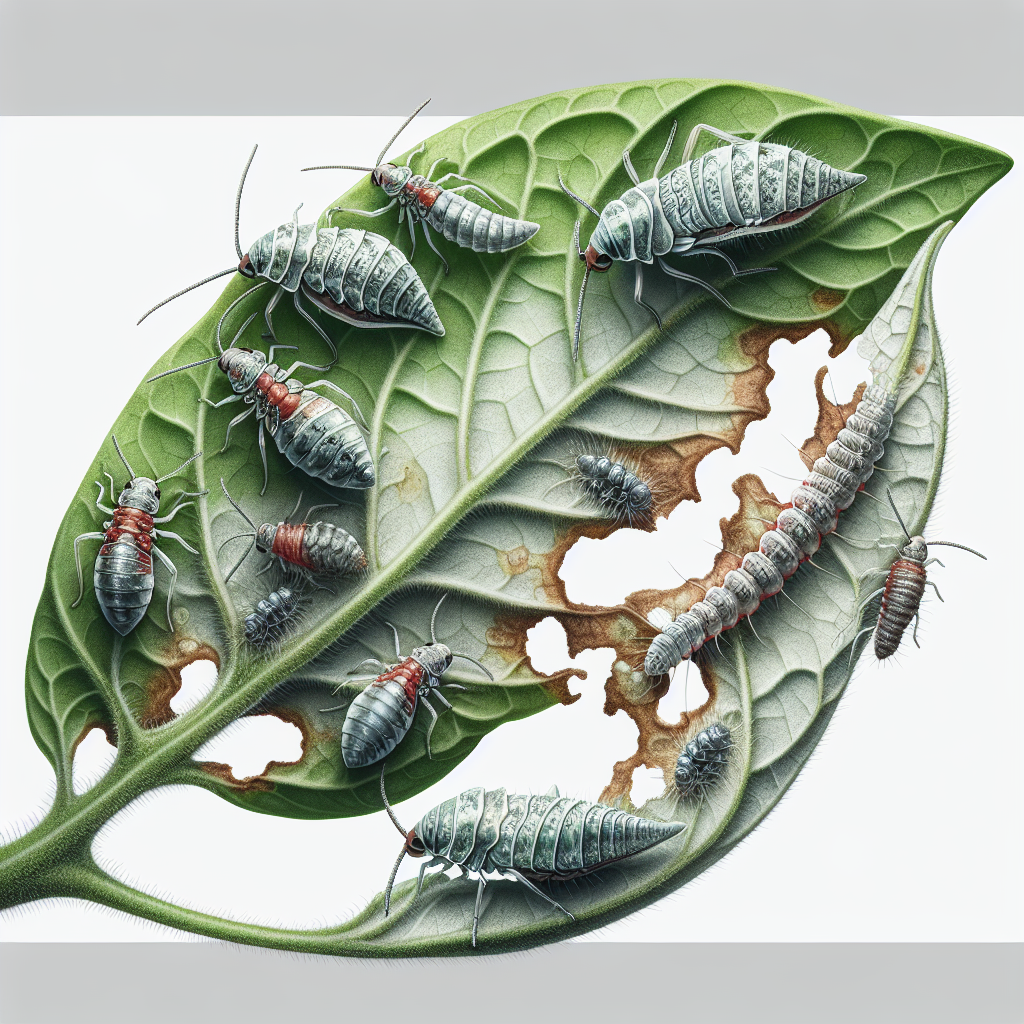
Thrips
Thrips are tiny, slender insects that damage crops by rasping plant tissues and sucking sap, causing silvering, distortion, and reduced yields. They are prolific breeders with multiple generations per season, thriving in warm, dry conditions. Effective management combines monitoring, organic controls like predatory insects, and cultural practices for prevention.
View Profile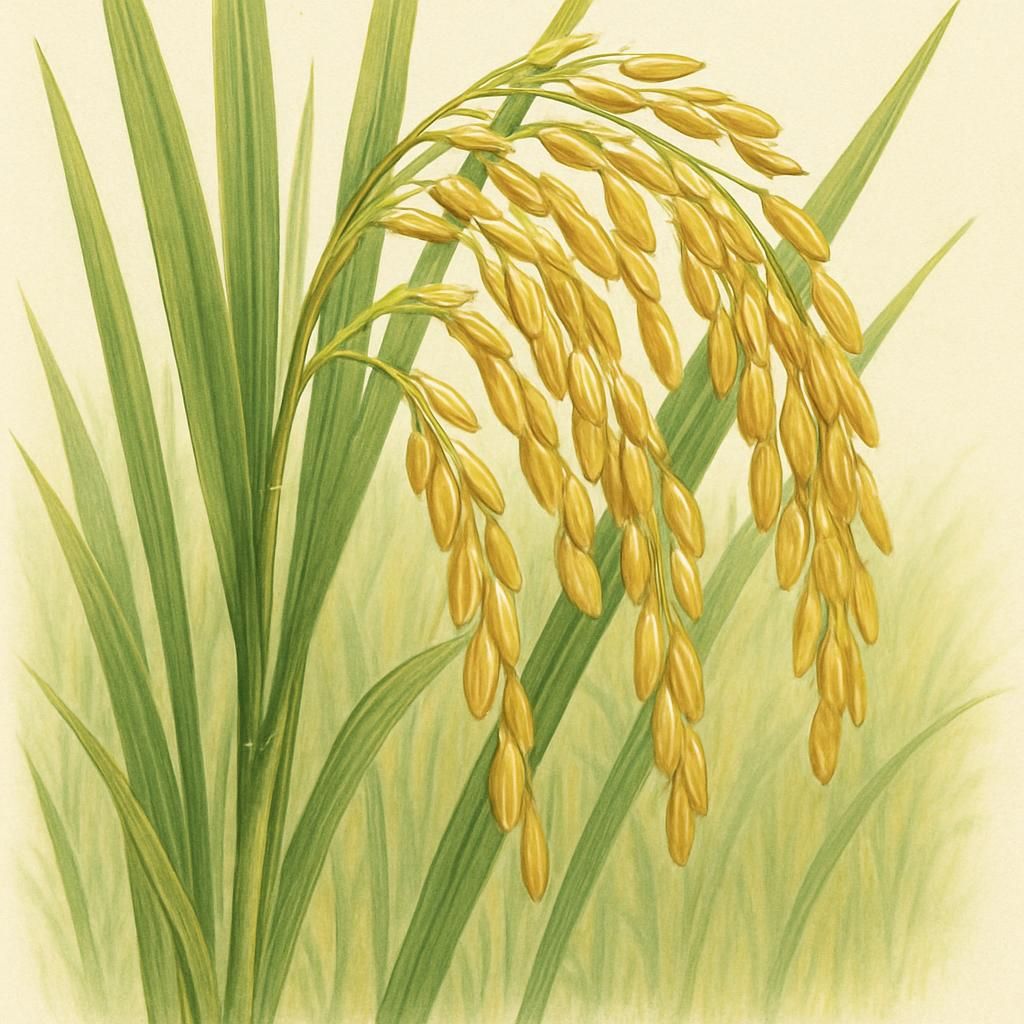
Thuyamalli Rice
Thuyamalli Rice is a traditional, aromatic rice variety from India, known for its unique fragrance and distinct flavor. It is cherished for its nutritional value and is well-suited for various culinary applications.
View Guide
Thyme
Thyme is a woody, perennial Mediterranean herb prized for its aromatic leaves, culinary versatility, and high essential-oil content. It thrives in lean, sharply drained soils and rewards growers with years of harvest when managed with restraint rather than excess water or fertility.
View Guide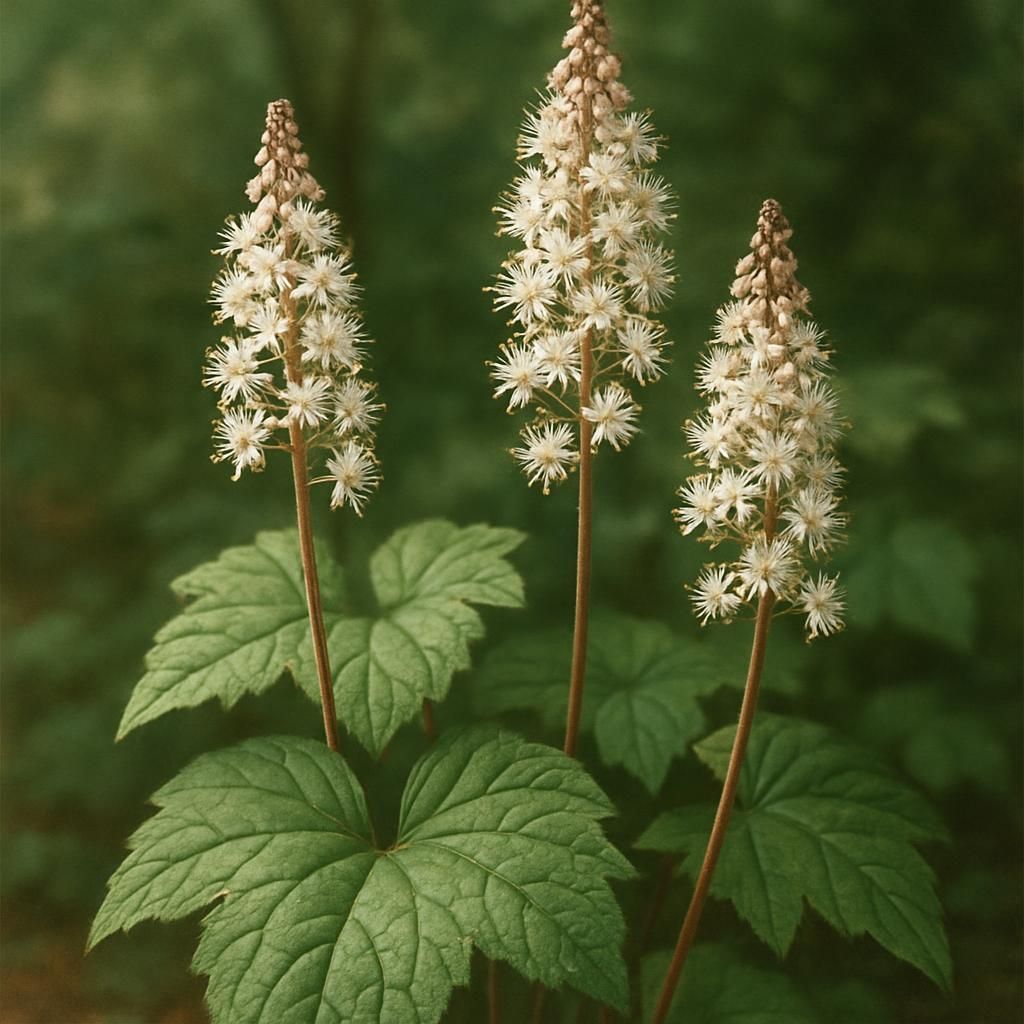
Tiarella
Tiarella, commonly known as foamflower, is a shade-loving perennial prized for its attractive foliage and delicate white spring blooms. This comprehensive guide covers soil preparation, planting methods, maintenance schedules, and organic pest management for optimal growth in woodland and shade gardens.
View Guide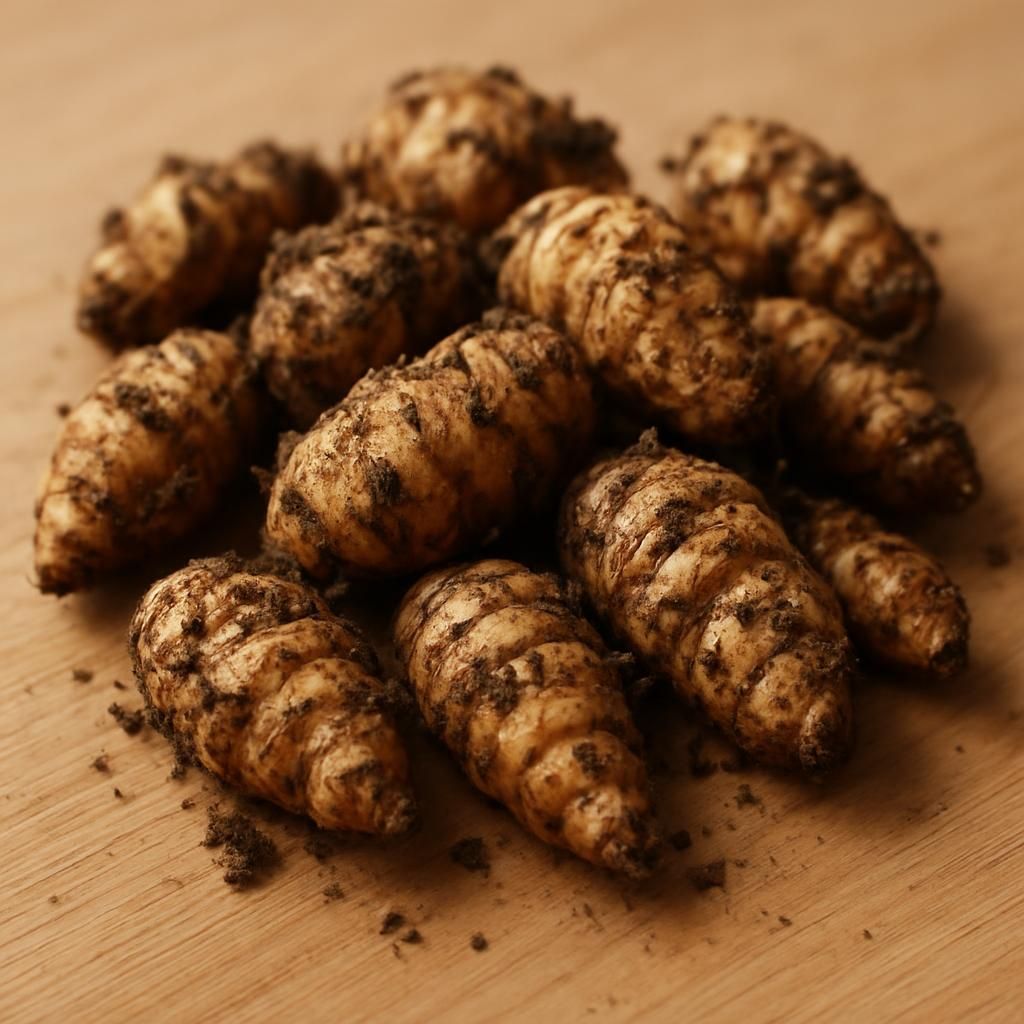
Tiger Nut (Chufa)
Tiger nut, also known as chufa, is a drought-tolerant sedge cultivated for its sweet, almond-like edible tubers rich in fiber, healthy fats, and minerals. It thrives in warm climates with well-drained sandy soils and serves as both a nutritious food crop and a valuable cover crop that improves soil structure.
View Guide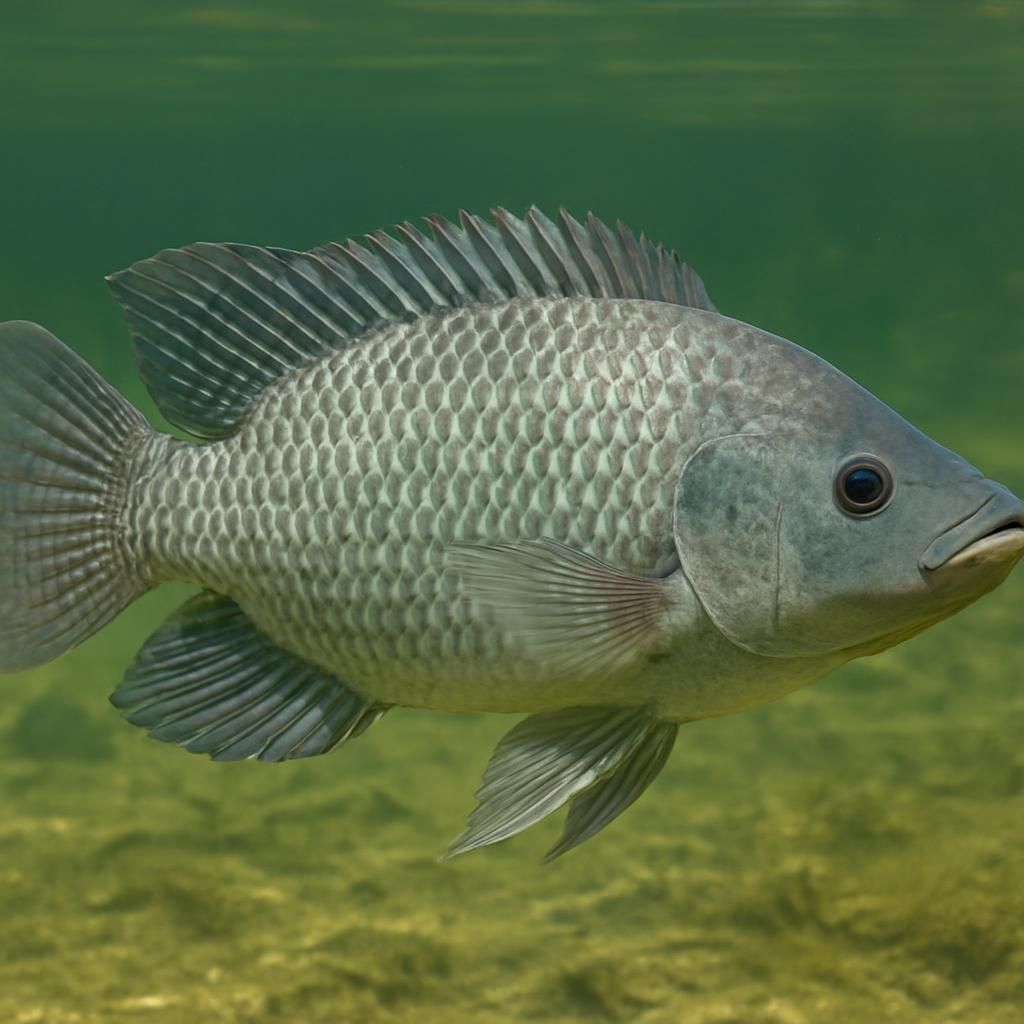
Tilapia
Tilapia is a fast-growing freshwater fish species widely farmed for its mild flavor, adaptability, and high protein yield. This comprehensive guide covers optimal conditions, step-by-step production methods, integrated pest and disease management, harvesting techniques, and companion planting strategies for sustainable tilapia aquaculture.
View Guide
Tipburn
Tipburn is a non-infectious physiological disorder primarily affecting leafy greens and rapidly growing crops, characterized by necrosis at leaf tips and margins due to localized calcium deficiency. It disrupts cell wall development in young tissues, leading to significant yield losses in lettuce, cabbage, and tomatoes under high transpiration and low calcium conditions. Effective management focuses on balanced irrigation, calcium supplementation, and environmental control to ensure uniform nutrient delivery.
View Profile
tobacco mosaic virus
Tobacco mosaic virus (TMV) is a highly contagious plant virus causing mosaic patterns, leaf distortion, and yield losses in tobacco and numerous other crops. First identified in the late 19th century, it spreads mechanically via contaminated tools, hands, or sap and persists in plant debris. Effective management relies on prevention through sanitation, resistant varieties, and strict hygiene rather than curative treatments.
View Profile
Toddy Palm
Toddy palm, also known as palmyra palm, is a resilient tropical tree prized for its sweet sap used in toddy production, nutritious fruits, and versatile byproducts like tender hearts and leaves. Thriving in hot, arid conditions, it offers sustainable income for small farms through multiple harvests over its 100+ year lifespan. This guide provides expert cultivation techniques for optimal yields.
View Guide
Tofu Soybean
Tofu soybean is a food-grade soybean grown specifically for high-protein, pale-hilum seeds that process well into smooth, high-yield tofu. Successful production depends on warm soils, precise moisture management from flowering through pod fill, and careful harvest timing to protect seed quality, protein performance, and storage life.
View Guide
Tomato
Tomatoes are a versatile, nutrient-rich crop beloved worldwide for their juicy fruits used in salads, sauces, and salsas. Originating from the Andes, they thrive in warm climates with proper care, yielding abundantly from determinate bush varieties to vigorous indeterminate vines. This definitive guide covers everything from soil prep to pest management for maximum harvests.
View Guide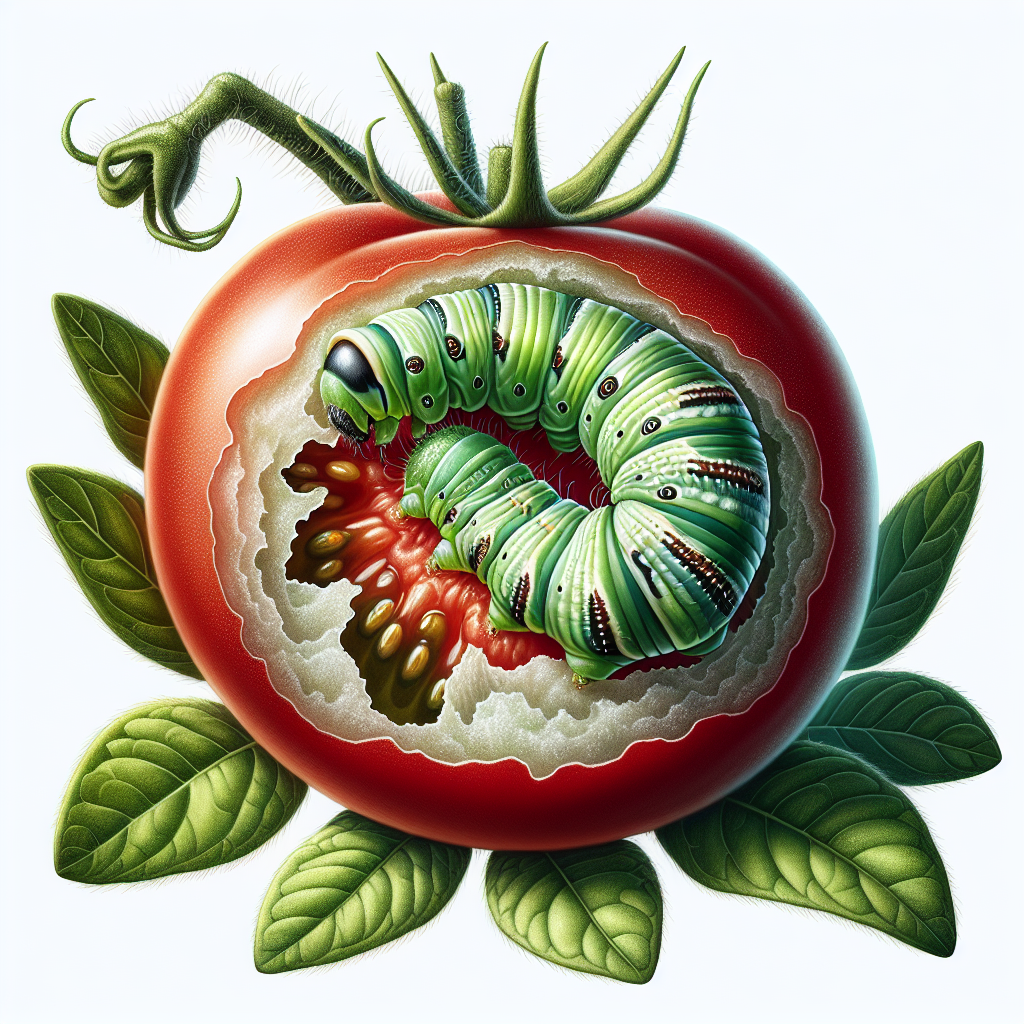
Tomato Fruitworms
Tomato fruitworms, primarily Helicoverpa zea (corn earworm) and Helicoverpa armigera, are devastating lepidopteran pests that bore into tomato fruits, causing extensive damage and rendering produce unmarketable. These moths lay eggs on foliage and fruits, with larvae feeding internally, leading to rapid crop losses in warm-season crops. Effective integrated pest management combining monitoring, biological controls, and cultural practices is essential for sustainable control.
View Profile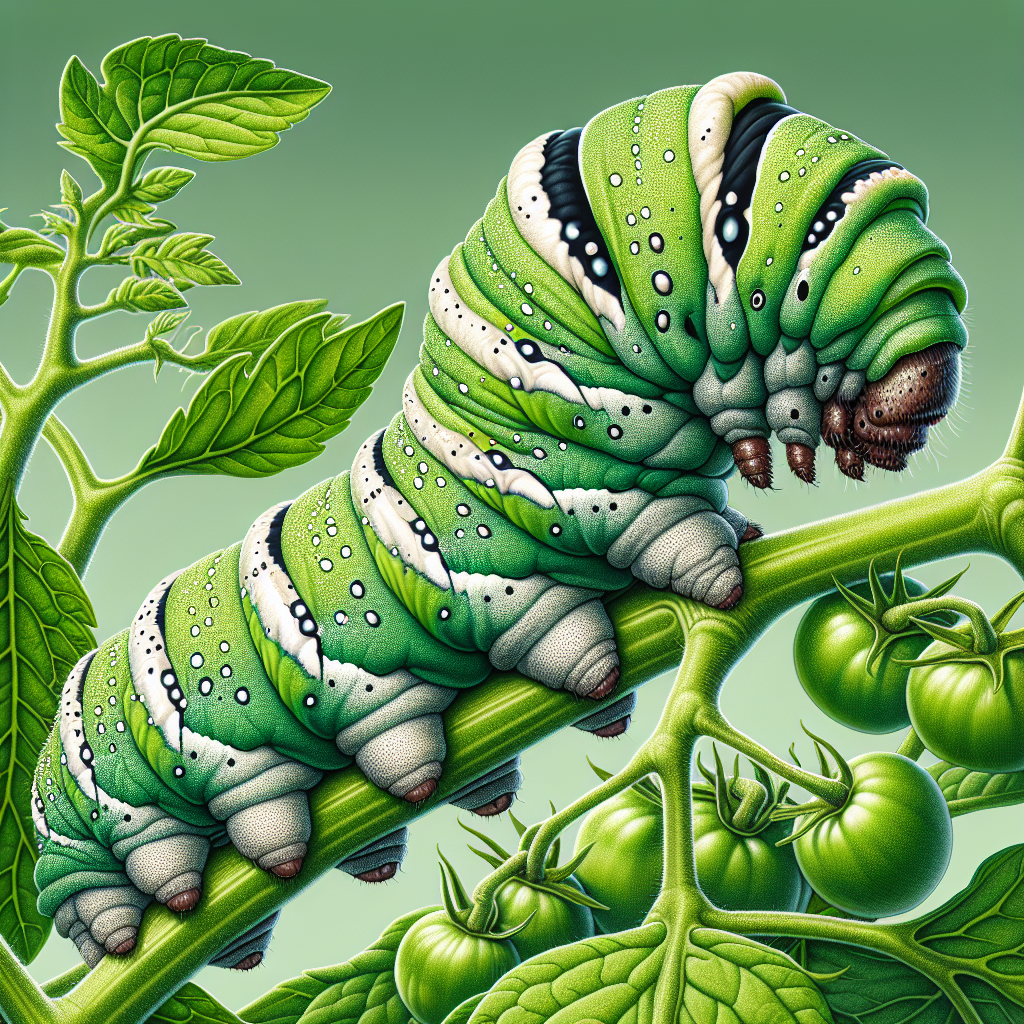
Tomato hornworms
Tomato hornworms are large, voracious caterpillars that devastate tomato foliage and fruits, capable of stripping plants bare overnight. Native to the Americas, these pests undergo complete metamorphosis and are primarily active in warm seasons. Effective management combines vigilant scouting, biological controls like BT, and cultural practices for sustainable organic production.
View Profile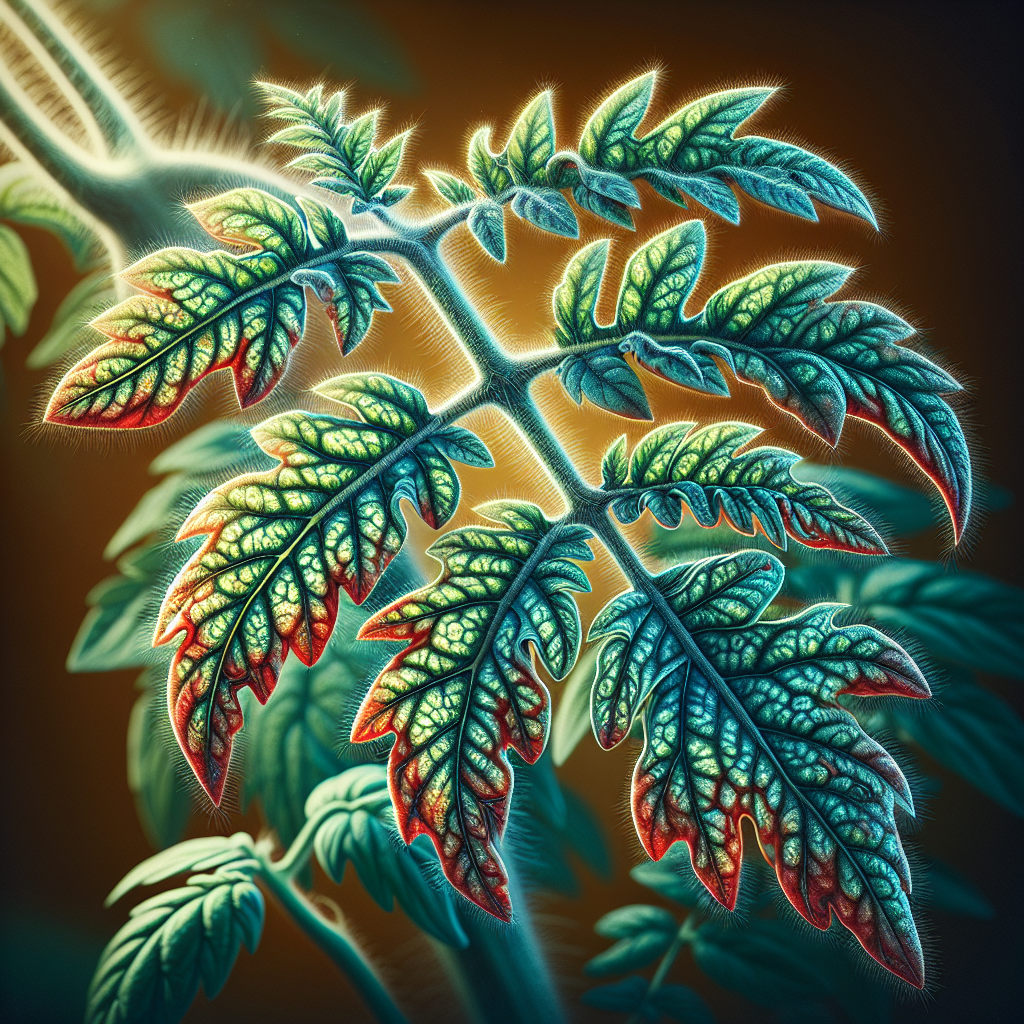
Tomato Mosaic Virus
Tomato Mosaic Virus (ToMV) is a highly contagious tobamovirus that causes mottled leaves, stunted growth, and reduced yields in tomato crops and related solanaceous plants. Transmitted mechanically through contaminated tools, hands, or infected plant debris, it persists in soil and seed for years. While no cure exists, prevention through sanitation and resistant varieties offers the best management strategy for sustainable tomato production.
View Profile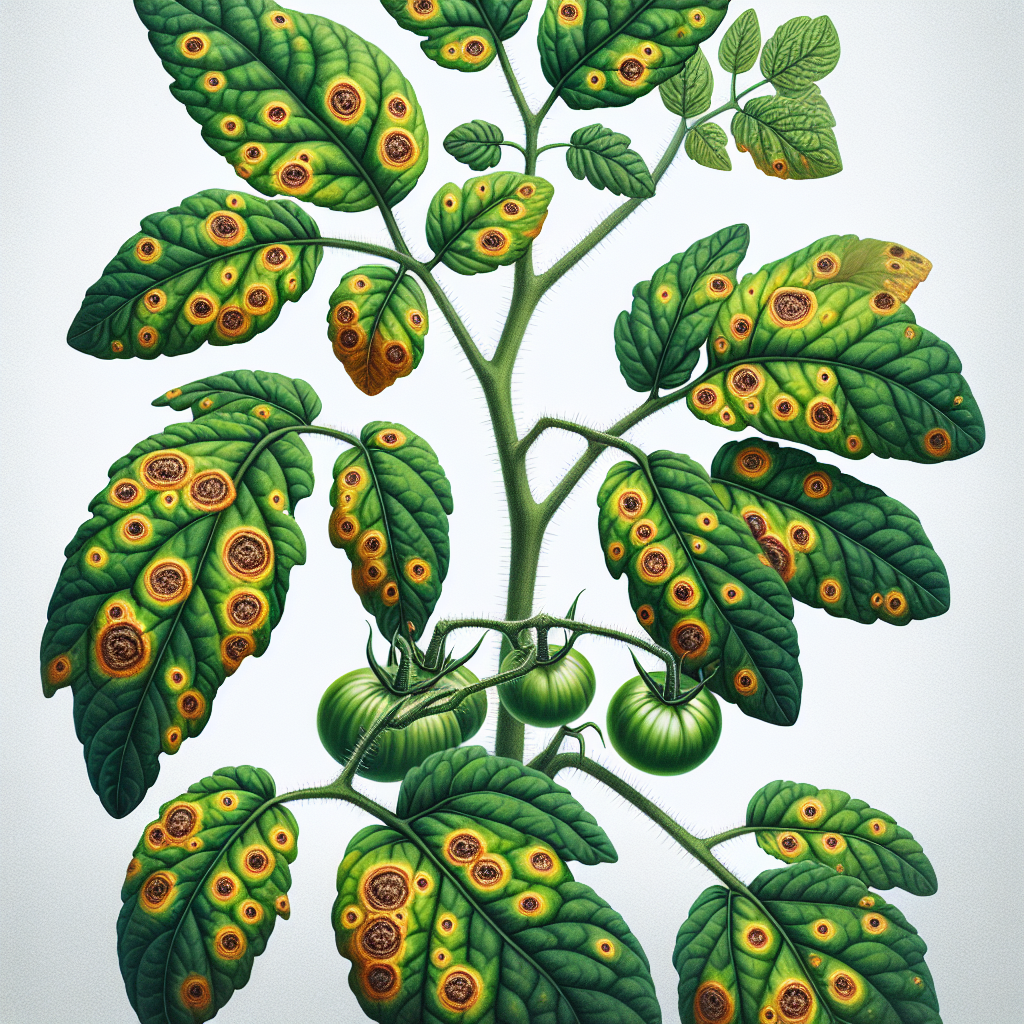
tomato spotted wilt virus
Tomato spotted wilt virus (TSWV) is a devastating viral disease transmitted primarily by thrips, causing characteristic bronze spots, wilting, and necrosis on tomatoes and other crops. It leads to significant yield losses through stunted growth and unmarketable fruit. Effective management relies on thrips control, resistant varieties, and strict sanitation practices.
View Profile
Tommy Atkins Mango
Tommy Atkins mango is one of the world’s most commercially important mango cultivars, valued for its excellent shipping durability, attractive red-blushed skin, and reliable productivity. While often considered less aromatic than premium dessert cultivars, it is a vigorous, adaptable tree that performs well in warm subtropical and tropical regions when managed for canopy balance, drainage, and disease prevention.
View Guide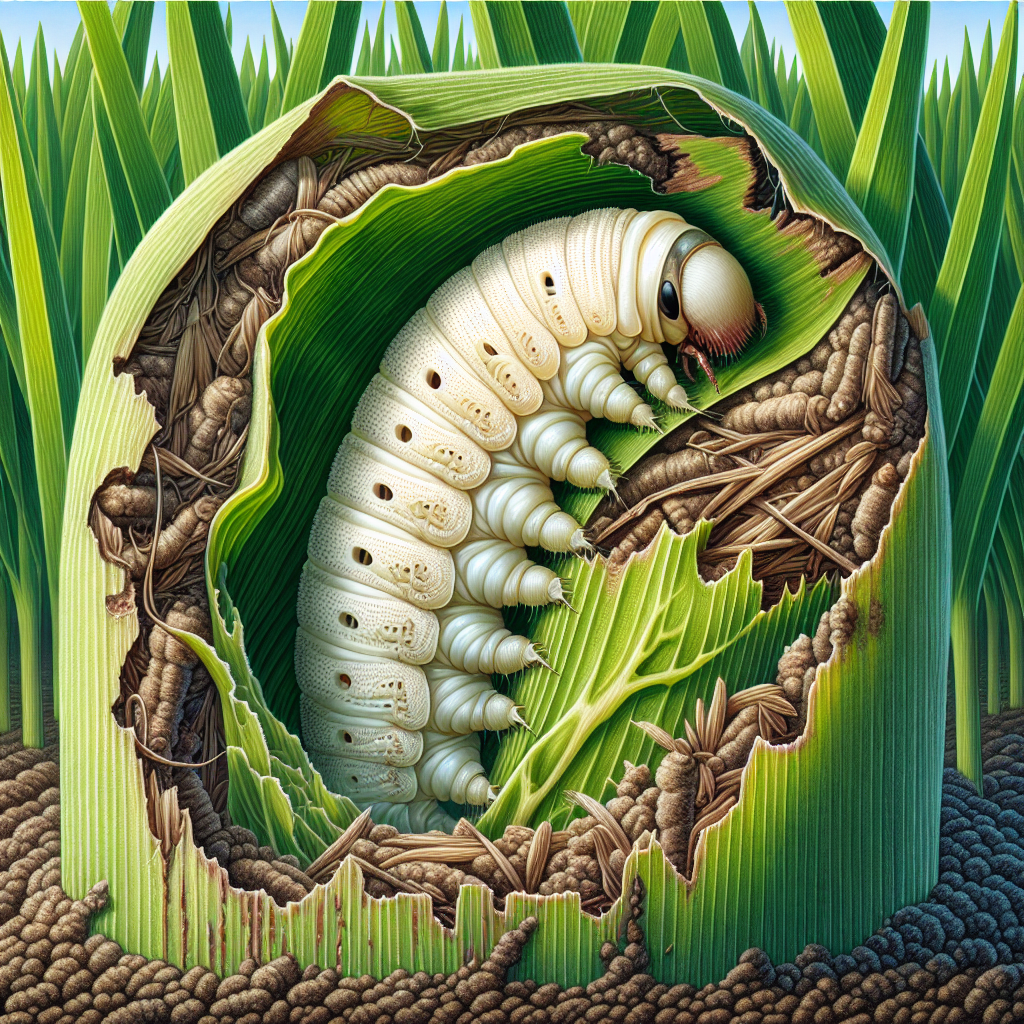
top borer
The top borer (Scirpophaga excerptalis) is a destructive moth pest primarily targeting rice crops, boring into the top leaves and shoots of young plants, causing 'dead hearts' and significant yield losses. Effective management relies on timely scouting, cultural practices, and organic controls like neem-based sprays. This guide provides comprehensive diagnostics, lifecycle insights, and prevention strategies for farmers.
View Profile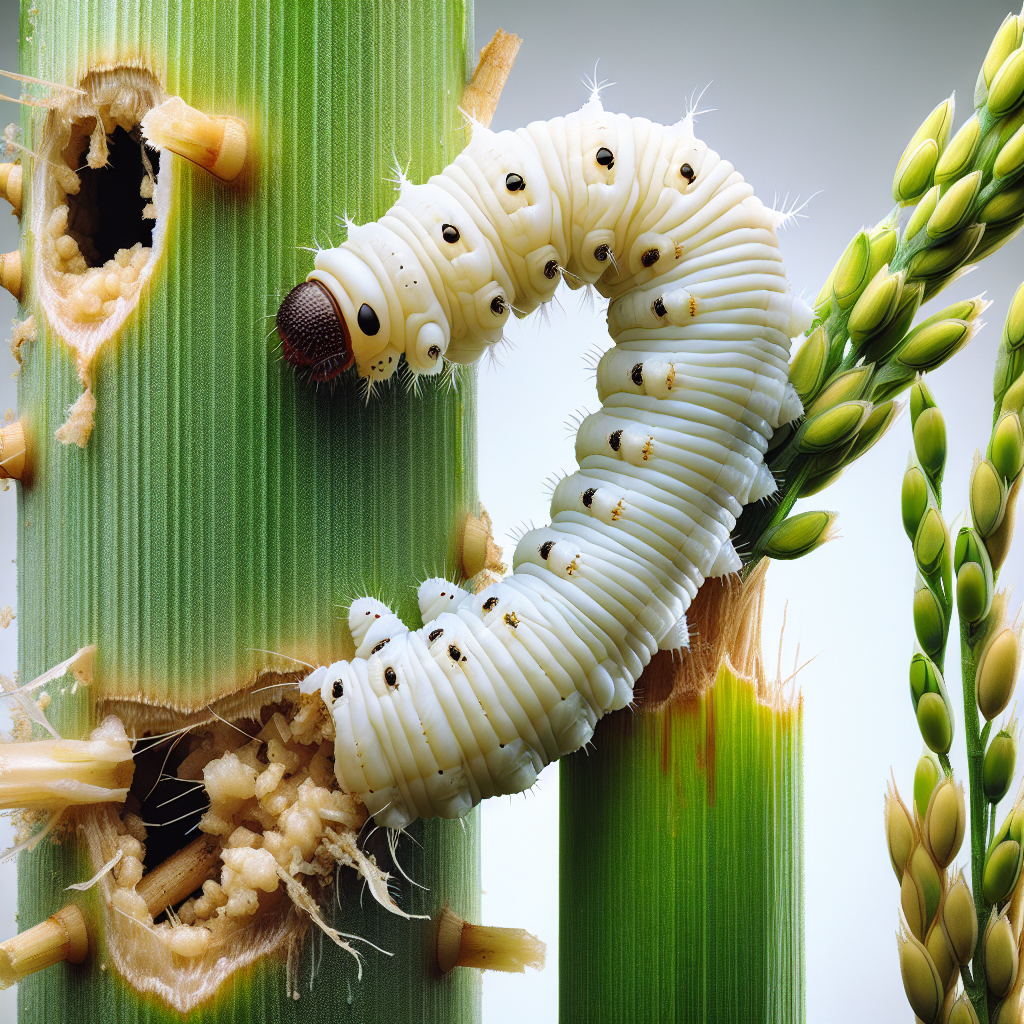
Top shoot borer
The top shoot borer (Scirpophaga excerptalis) is a destructive moth pest primarily targeting rice crops, boring into the growing shoots and causing 'dead hearts' that lead to significant yield losses. This guide provides comprehensive diagnostics, lifecycle insights, organic management strategies, and prevention tips for farmers battling this pest. Effective control hinges on early detection and integrated organic practices to protect vital shoots.
View Profile
Tortoise Beetles
Tortoise beetles are small, shiny, leaf-shaped pests in the Chrysomelidae family that defoliate plants by skeletonizing leaves, primarily targeting solanaceous crops like sweet potatoes and tomatoes. Their armored, turtle-like appearance and rapid reproduction make early detection crucial for effective management. This guide provides diagnostic symptoms, lifecycle details, organic controls, and prevention strategies for farmers.
View Profile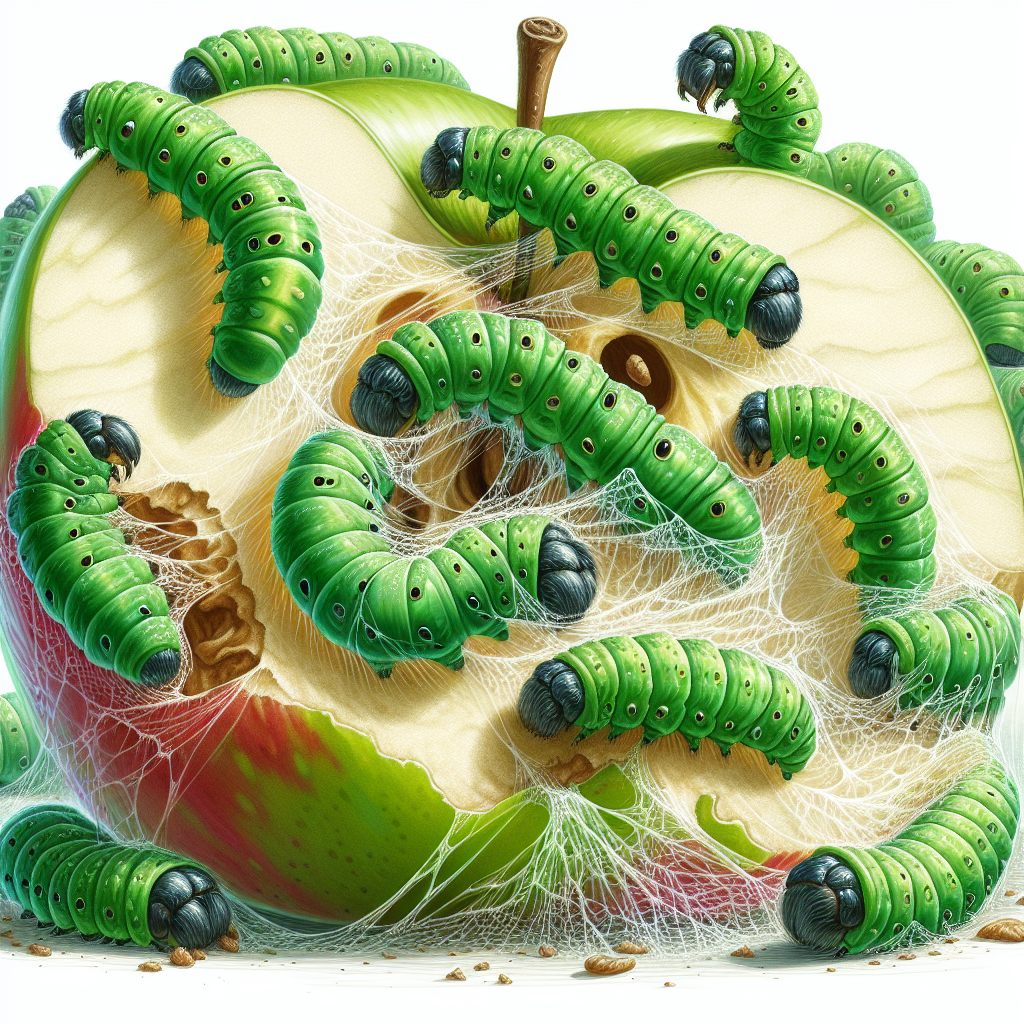
Tortricid moth larvae
Tortricid moth larvae, commonly known as leafrollers or fruitworms, are destructive pests belonging to the family Tortricidae that bore into fruits, leaves, and shoots of numerous crops. These small, green to brown caterpillars cause significant economic losses by feeding internally and webbing plant parts together. Effective management combines monitoring, organic controls, and cultural practices for sustainable agriculture.
View Profile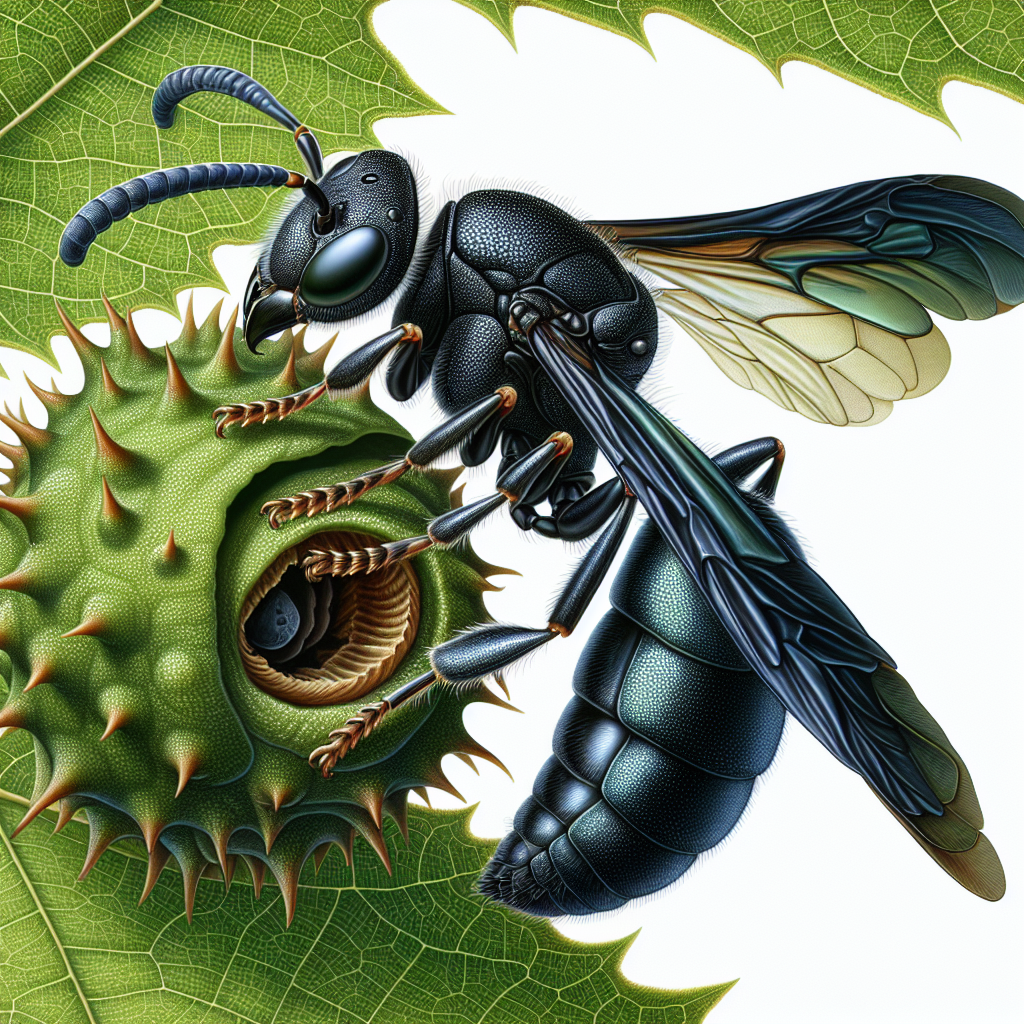
Torymus
Torymus sinensis is a parasitic wasp primarily known for its role in biological control of the oriental chestnut gall wasp, though certain species can become pests in agricultural settings by parasitizing beneficial insects or galling plants. This guide provides comprehensive diagnostics, lifecycle insights, and organic management strategies for growers facing Torymus infestations. Effective prevention focuses on monitoring and habitat management to minimize crop damage.
View Profile
Tossa Jute
Tossa jute is a warm-season bast fiber crop prized for its strong, lustrous fiber and rapid biomass production. It thrives in hot, humid conditions with fertile, well-drained alluvial soils, and responds best to careful stand establishment, balanced nutrition, and precise harvest timing for premium fiber quality.
View Guide