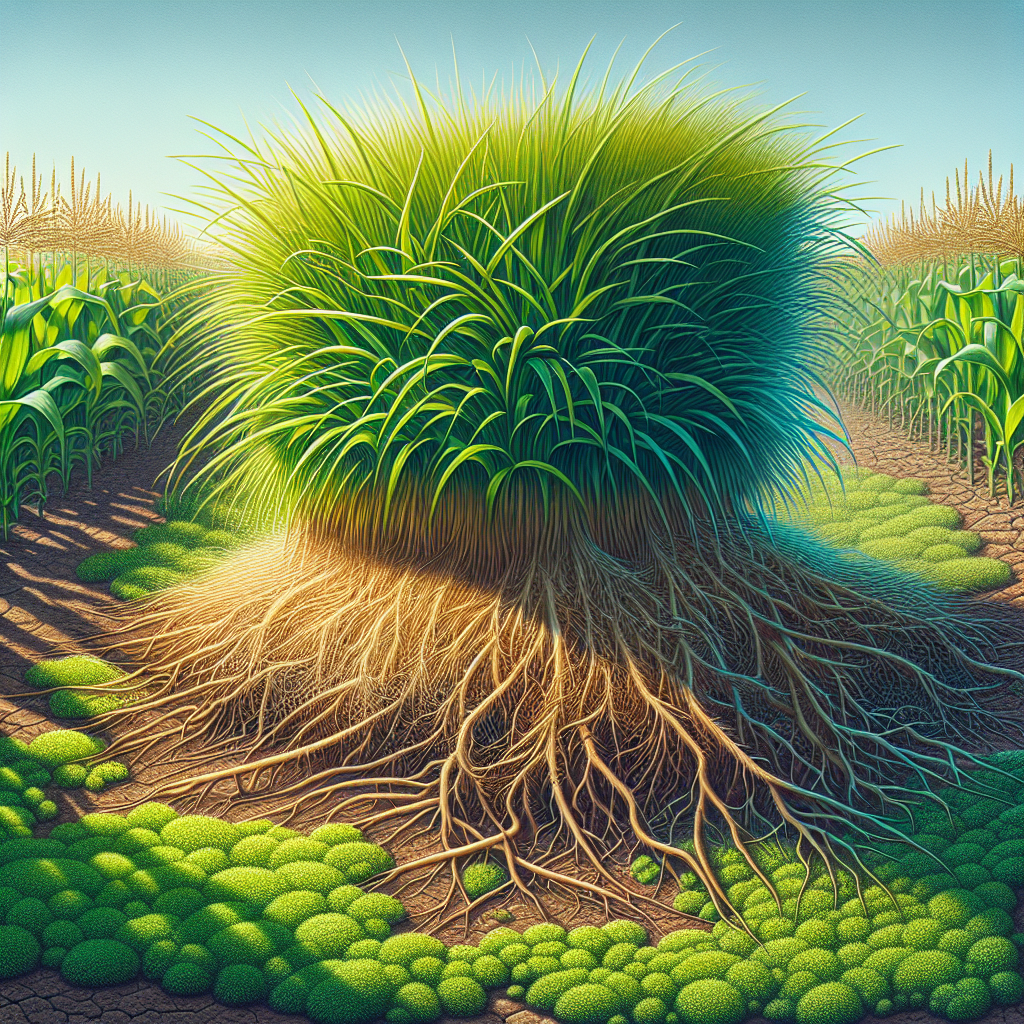
Introduction to turf
Turf, often referring to dense stands of cool-season grasses like Kentucky bluegrass (Poa pratensis), perennial ryegrass (Lolium perenne), and tall fescue (Festuca arundinacea), poses a significant challenge in agricultural and horticultural settings. While turfgrasses are prized for lawns and sports fields, they become problematic pests when they invade crop fields, orchards, and gardens. These vigorous grasses form thick mats that outcompete desirable plants, leading to reduced yields and increased management costs. As a professional botanist and agricultural expert, I've seen turf invasions wipe out wheat stands and smother young corn seedlings. This definitive guide equips you with diagnostic tools, lifecycle knowledge, and proven organic strategies to manage and prevent turf issues effectively. Understanding turf as a 'pest' shifts your approach from mere mowing to targeted eradication and prevention.
Turf proliferation is exacerbated in modern farming due to monoculture practices, soil compaction, and inconsistent irrigation. In the U.S., turfgrass covers over 40 million acres—more than any single crop—highlighting its ubiquity and competitive edge. Early identification and intervention are key, as established turf can persist for decades without proper management. This guide draws from field trials, university extension data, and practical farm applications to deliver actionable advice. Whether you're dealing with volunteer turf in potato fields or lawn encroachment into vegetable patches, these strategies will restore balance to your growing areas. For small farms optimizing every square foot, check out Why Misidentifying Plants Costs Small Farms Thousands - And How AI Camera Diagnosis Fixes It Fast for tech-assisted identification tips.
Identifying Symptoms & Damage
Turf damage manifests through subtle yet progressive signs. Initial symptoms include fine-textured, uniformly green patches emerging in crop rows, often bluish-green in cool weather. Kentucky bluegrass forms tight-knit sods with boat-shaped leaf tips, while ryegrass shows auricle-like clasping at the leaf base. Damage escalates as turf roots penetrate up to 3 feet deep, depriving crops of moisture—yield losses can reach 30-50% in heavily infested soybeans.
Visual diagnostics: Look for rhizomatous (underground stem) spread creating interconnected mats resistant to tillage. Foliar clues include folded vernation (young leaves rolled inward) and ligules (membrane at leaf collar)—absent in many broadleaf crops. Wilting crop plants amid vigorous turf signal competition stress. In turf vs. rice paddies, grasses cause lodging and harvest contamination.
Physical damage includes soil compaction from dense fibrous roots, reducing aeration and promoting root rot. Economic impacts: Increased herbicide needs (even organic), mowing frequency, and fuel costs. Use a soil probe to check root depth—turf often dominates below 6 inches. Differentiate from weeds like crabgrass by turf's perennial nature and lack of seedheads in early infestations. Scout weekly during spring and fall growth flushes for best results.
Lifecycle and Progression of turf
Turfgrasses exhibit a perennial lifecycle with distinct phases tailored to cool-season dominance. Germination occurs in fall or spring when soil temps hit 50-65°F (10-18°C), with seedlings establishing via tillers (side shoots). Vegetative growth peaks in cool, moist conditions, forming crowns from which rhizomes and stolons (above-ground runners) expand the colony.
Flowering (boot stage) happens in late spring, producing wind-pollinated seedheads—up to 1 million seeds per plant annually for ryegrass. Seeds remain viable 2-5 years in soil, fueling reinfestation. Dormancy in summer heat protects crowns; winter hardiness allows survival to -20°F. Full sod maturity takes 2-3 years, but progression accelerates in disturbed soils.
Progression in fields: Year 1—patchy invasion; Year 2—expansive mats; Year 3+—dominance, suppressing crops like tomato by 70%. Interrupt at vegetative stage with cultural controls. Monitor with quadrant sampling: count tillers per square foot (>50 indicates heavy infestation). Lifecycle knowledge informs timing—target crowns pre-flowering for max efficacy.
Environmental Triggers & Risk Factors
Turf thrives under specific triggers: cool temps (60-75°F days), moderate fertility (high nitrogen), and consistent moisture. Risk factors include over-irrigation (>1 inch/week), compacted soils (bulk density >1.6 g/cm³), and pH 6.0-7.0. No-till farming without cover crops favors turf seedbank activation.
Poor drainage creates anaerobic microsites where turf outcompetes waterlogged crops. Recent disturbances like construction or flooding introduce rhizome fragments. Climate change extends growth windows, with milder winters boosting overwintering. High N-fertilization (e.g., for corn) inadvertently feeds turf. Companion pests like army worms weaken crops, opening invasion doors.
Risk mapping: Use soil tests for N-P-K imbalances; infrared thermography detects cool-season turf patches in warm-season fields. Mitigation starts with trigger avoidance—drought-stress turf selectively.
Organic Control & Treatment Plans
Organic management emphasizes cultural, mechanical, and biological tactics. Cultural: Smother with tarps (solarization) for 6-8 weeks in summer—kills 90% via heat (>120°F soil). Overseed with competitive crops like clover to suppress regrowth.
Mechanical: Deep plowing (8-12 inches) severs rhizomes; repeated mowing at 2 inches stresses reserves. Flame weeding pre-emergence targets seedlings without residues.
Biological: Introduce grazers like chickens or geese—they devour young turf. Beneficial nematodes (Heterorhabditis bacteriophora) target larvae if present. Organic amendments: High-Ca lime raises pH >7.5, inhibiting turf.
Integrated Plan: 1. Scout/mow weekly. 2. Solarize hotspots. 3. Till + reseed suppressants. 4. Mulch 4 inches deep. 5. Monitor 2 years. For squash fields, combine with row covers. Success rates: 85% with persistence. Avoid synthetic auxins—stick to OMRI-listed options.
Preventing turf in the Future
Prevention hinges on exclusion and competition. Use certified weed-free seed; quarantine equipment to block rhizome hitchhikers. Crop rotation with smother crops like buckwheat disrupts lifecycle. Maintain soil health—Soil Health Mastery: 5 Proven Strategies for Small Farms to Build Fertile Ground Without Breaking the Bank details aeration and amendments.
Barrier methods: Plastic borders or deep tillage edges. Fertilize precisely—low N starves turf. Cover crops (hairy vetch) winterkill naturally, preventing spring flush. Long-term: Diverse polycultures outcompete monoculture turf. Annual audits ensure zero tolerance.
Crops Most Affected by turf
Turf devastates low-growing, slow-establishing crops. Wheat suffers 20-40% yield loss from competition and harvest fouling. Corn seedlings are smothered, delaying maturity. Soybeans face root competition in row ends. Vegetable crops like potato, onion, and lettuce lose vigor in infested fields. Orchards (apple, mango) see young trees stressed. Turf-free zones via mulching protect high-value strawberry and blueberry beds.