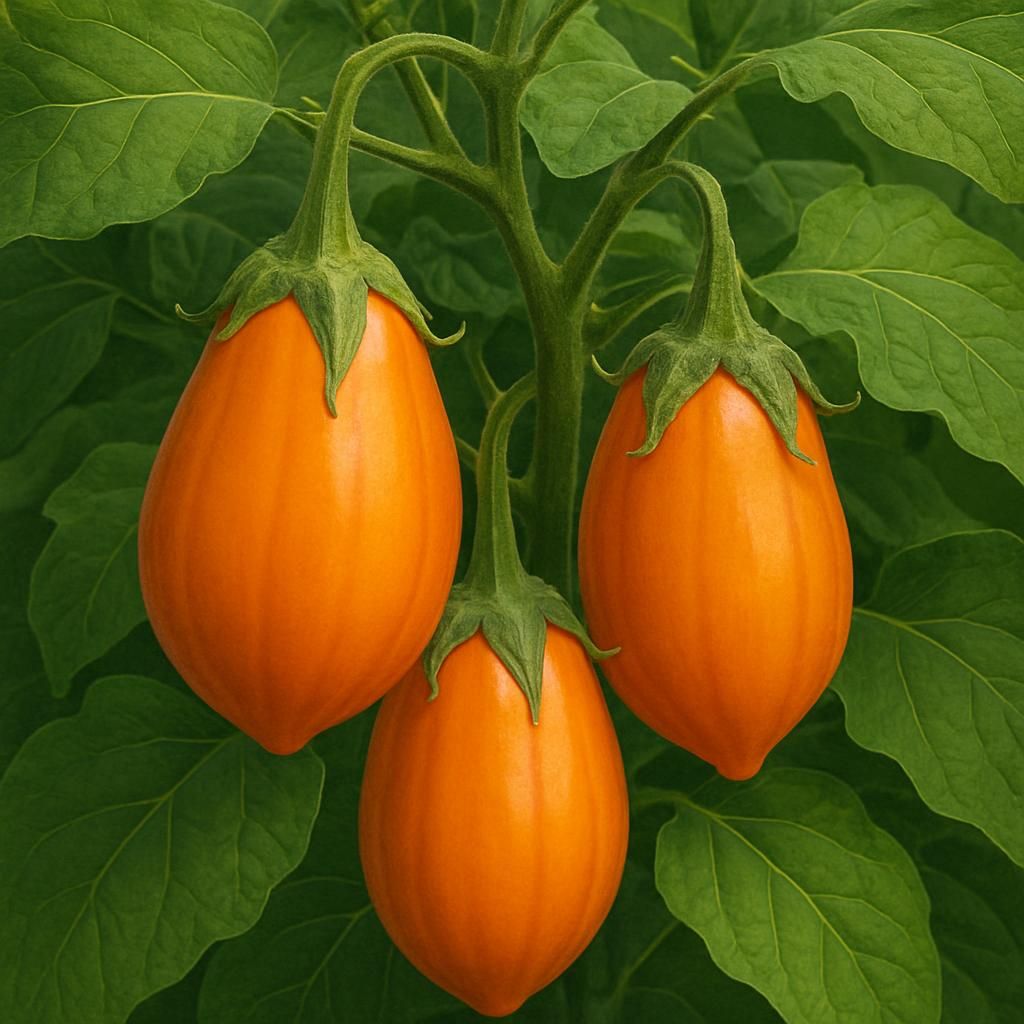
Introduction to Turkish Orange Eggplant
The Turkish Orange Eggplant, also known as 'Scarlet Eggplant,' is a distinctive variety with bright orange, tomato-sized fruits. Originating from Africa but gaining popularity in Turkey, it's an annual species that brings an ornamental and edible intrigue to gardens. Highly valued for its appealing color, unique taste, and high nutritional value, it is a choice addition to any kitchen garden.
Botanical Profile of Turkish Orange Eggplant
Scientific Name: Solanum aethiopicum
Family: Solanaceae, the same family as tomatoes and potatoes.
This eggplant is a warm-season plant that thrives under good sunlight and well-draining soil. A mature plant can reach up to 1.5 meters and typically bears fruit within 75-95 days from transplanting. The eggplants are known for their unique, slightly bitter taste, which mellows with cooking.
Soil, pH, and Climate Requirements for Turkish Orange Eggplant
Turkish Orange Eggplant prefers warm conditions and thrives in well-drained, nutrient-rich soil. They demand consistent moisture but do not tolerate waterlogged soil. Plentiful sunlight enhances fruit production and flavor.
| Condition | Preferred Range |
|---|---|
| pH Level | 6.0 - 7.5 |
| Soil Type | Loamy, well-drained |
| Sunlight | Full Sun (6-8 hours) |
| Temperature | 70°F - 85°F (21°C - 29°C) |
Step-by-Step Planting & Propagation
Seed Selection: Choose quality seeds from a reputable source to ensure healthy plants and a fruitful harvest.
Starting Seeds Indoors: Begin seeds indoors about 8-10 weeks before the last frost date in your area.
Transplanting: Transplant seedlings outdoors when they have three to four leaves and the danger of frost has passed. Harden off seedlings by gradually exposing them to direct sunlight.
Spacing: Space plants about 24-36 inches apart to allow for adequate growth and air circulation to prevent diseases.
Care & Maintenance Regimes for Turkish Orange Eggplant
Turkish Orange Eggplants require regular care for optimal growth and productivity.
| Aspect | Specifics |
|---|---|
| Watering | 1-2 inches per week |
| Fertilizer | Balanced 10-10-10 every 3-4 weeks |
| Pruning | Remove yellow leaves to improve air circulation |
Watering: Ensure consistent watering, avoiding overhead watering to prevent leaf diseases.
Fertilizing: Use a balanced fertilizer every 3-4 weeks, but be cautious of over-fertilization which can result in more foliage and fewer fruits.
Pruning: Regularly remove yellowing leaves and ensure good air circulation to prevent fungal diseases.
Pests, Diseases & Organic Management
Common Pests: One of the frequent pests includes Spider Mites, which can be controlled with neem oil or insecticidal soap.
Diseases: Look out for Verticillium wilt and Leaf Spot Diseases, which can be managed through crop rotation and proper spacing to enhance air circulation.
Organic management includes using companion plants such as marigolds to deter nematodes and employing organic mulches to retain soil moisture and regulate temperature.
Harvesting, Curing & Optimal Storage
Harvest Turkish Orange Eggplants when they reach the desired size and color. The skin should be firm and glossy. Avoid letting them mature excessively to maintain their unique flavor.
- Harvesting: Use sharp pruning shears to cut the stem about an inch from the top.
- Curing: Allow the harvested fruits to rest in a warm, shady area for a few days to set the skin.
- Storage: Store the eggplants in the refrigerator for up to a week in a breathable bag to avoid excess moisture.
Companion Planting for Turkish Orange Eggplant
Companion planting can significantly enhance the growth and pest resistance of Turkish Orange Eggplants. Consider integrating them with:
- Basil: Helps deter pests such as flies and mosquitoes.
- Spinach: Acts as a cover crop, maintaining soil moisture.
For further insights on companion planting strategies, refer to Summer Companion Planting: 10 Organic Pairings to Boost Small Farm Resilience.
Growing Turkish Orange Eggplants can be both rewarding and aesthetically pleasing. With their distinctive taste and visual appeal, these plants are a vibrant addition to any garden, delighting both the eyes and the palette.