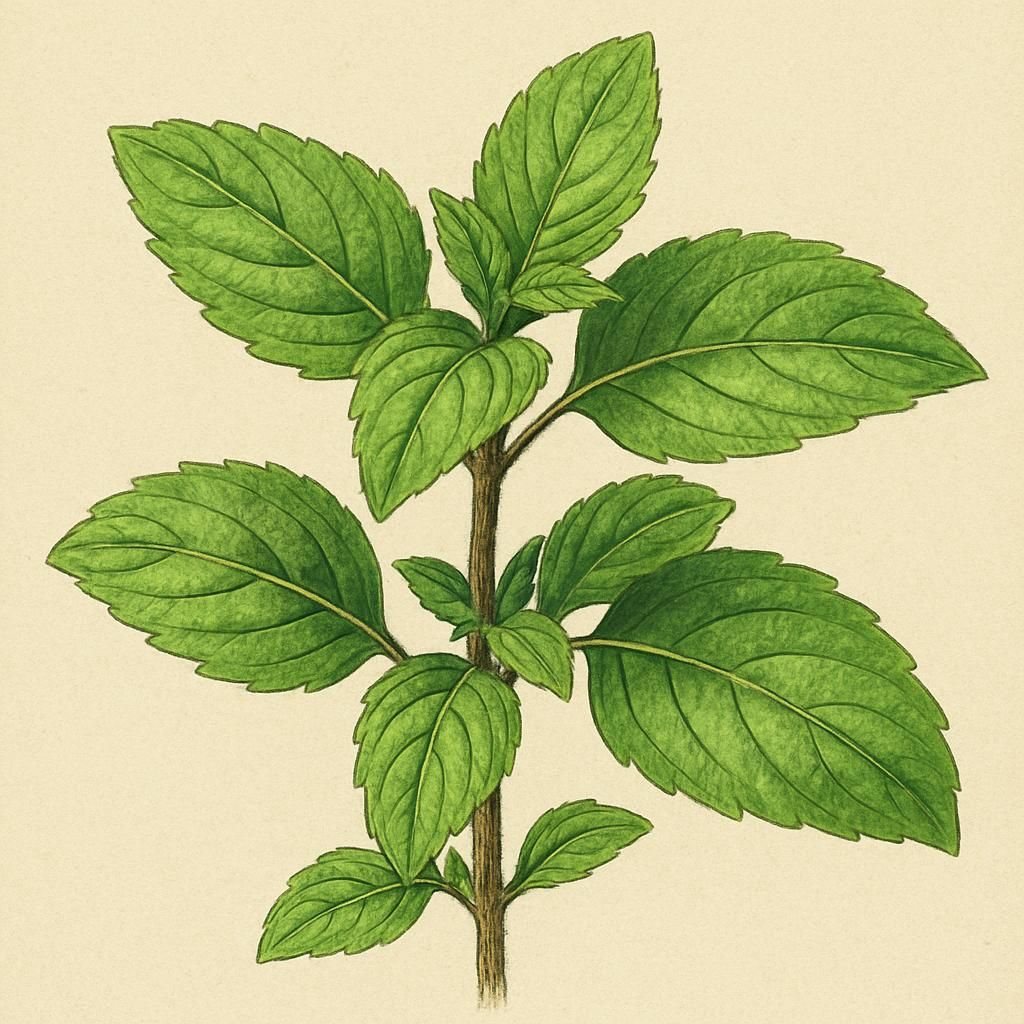
Introduction to Tulsi (Rama)
Tulsi (Rama), often referred to as Holy Basil, is an esteemed herbal plant known for its potent aroma and significant therapeutic benefits. In the traditional medicine system of Ayurveda, it is celebrated for its anti-viral, anti-bacterial, and adaptogenic properties. This aromatic plant is easy to grow and is a valuable addition to gardens not only for its medicinal properties but also for its culinary uses, providing a unique flavor to dishes.
Botanical Profile of Tulsi (Rama)
The scientific name of Tulsi (Rama) is Ocimum sanctum. This perennial plant belongs to the Lamiaceae family, native to the Indian subcontinent and widespread across the tropics of Southeast Asia. It typically grows to a height of one to two feet, featuring broad green leaves, a hairy stem, and small purple or white flowers.
Soil, pH, and Climate Requirements for Tulsi (Rama)
Tulsi thrives in a well-draining and nutrient-rich soil. While it can adapt to various soil types, it prefers loamy or sandy soils for optimal growth. This plant is sun-loving and prefers warm temperatures.
| Parameter | Ideal Condition |
|---|---|
| Soil Type | Loamy, Well-drained |
| Soil pH | 6.0 - 7.5 |
| Temperature | 21-30°C (70-86°F) |
| Sunlight | Full to Partial Sunlight |
Step-by-Step Planting & Propagation
- Seed Selection: Begin with high-quality seeds sourced from a reputable supplier. Choose seeds that are robust and free from any discoloration or mold.
- Soil Preparation: In your garden, prepare a well-drained, fertile bed by adding compost or well-rotted manure to enrich the soil.
- Sowing: Tulsi can be sown directly in the ground or started indoors. For direct sowing, plant seeds ¼ inch deep. If starting indoors, sow seeds in trays and transplant seedlings outdoors once they have 3-4 true leaves.
- Spacing: Ensure a spacing of about 12 inches between plants to allow sufficient airflow and prevent fungal diseases.
- Watering: Keep the soil consistently moist but not waterlogged. Tulsi dislikes dry soil but is equally intolerant of soggy ground.
Care & Maintenance Regimes for Tulsi (Rama)
Caring for Tulsi requires regular attention to watering, fertilizing, and pruning schedules.
| Activity | Frequency |
|---|---|
| Watering | Moderate, 2-3 times per week, more often in dry spells |
| Fertilizing | Monthly, with a balanced organic fertilizer |
| Pruning | Pinch off tips regularly to promote bushy growth and prevent flowering |
Additional Tips:
- Mulching: Apply a layer of organic mulch around the base of the plant to retain soil moisture and suppress weeds.
- Temperature Protection: As a tropical plant, Tulsi may require protection from frost or extremely cold temperatures using row covers.
Pests, Diseases & Organic Management
Tulsi (Rama) is relatively resilient but can occasionally be affected by pests such as Spider Mites and mealybugs. Common diseases include powdery mildew and root rot.
- Pest Management: Use neem oil or insecticidal soap for pest control.
- Disease Management: Ensure proper spacing and airflow to prevent mildew and other fungal diseases. Regularly check for root rot and adjust watering accordingly.
Harvesting, Curing & Optimal Storage
Harvest Tulsi leaves in the morning when their essential oils are most concentrated.
- Harvesting: Wait until the plant has at least 8 inches in height before starting to harvest leaves. Use sharp, clean scissors to cut leaves, taking no more than one-third of the plant at a time.
- Curing: After harvesting, rinse the leaves thoroughly and allow them to dry completely on a clean towel.
- Storage: Store dried leaves in an airtight container, away from direct sunlight to preserve their flavor and potency.
Companion Planting for Tulsi (Rama)
Tulsi benefits when planted alongside vegetables and other herbs that enjoy similar growing conditions. Companion planting with Lemon, Tomato, or Basil can deter pests and enhance growth.
Companion planting enhances soil nutrients and can also serve as a natural pest deterrent, contributing to the plant's robust health.
Conclusion
Incorporating Tulsi (Rama) into your garden can be a rewarding endeavor. Its resilience and versatile applications make it a viable option for both beginners and experienced gardeners looking to expand their herbal repertoire.
For more insights into maintaining plant health organically, visit our detailed post on Crop Diseases Under the Microscope: 9 Organic Fixes for Small Farm Resilience.
Additionally, you can explore the influence of Weather Patterns on Small Farm Resilience, which can be critical for growing sensitive crops like Tulsi.