Encyclopedia
Definitive guides for crops, pests, and agricultural diseases.
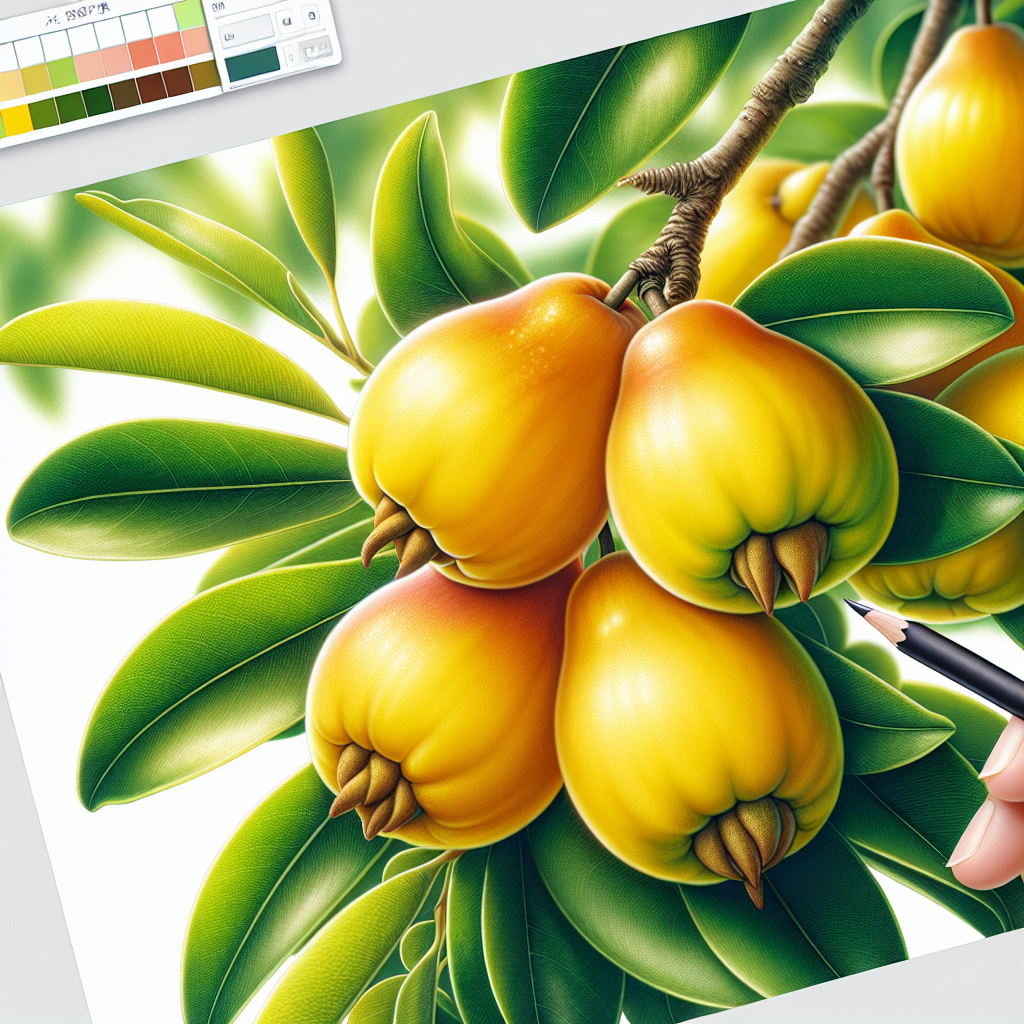
Ubajay (Eugenia pyriformis)
Ubajay, or Eugenia pyriformis, is a rare subtropical fruit tree prized for its pear-shaped, sweet-tart fruits with aromatic yellow skin. Native to southern Brazil, it thrives in warm, humid climates and offers commercial potential for niche markets due to its unique flavor and ornamental value. This guide provides expert cultivation techniques for optimal yields.
View Guide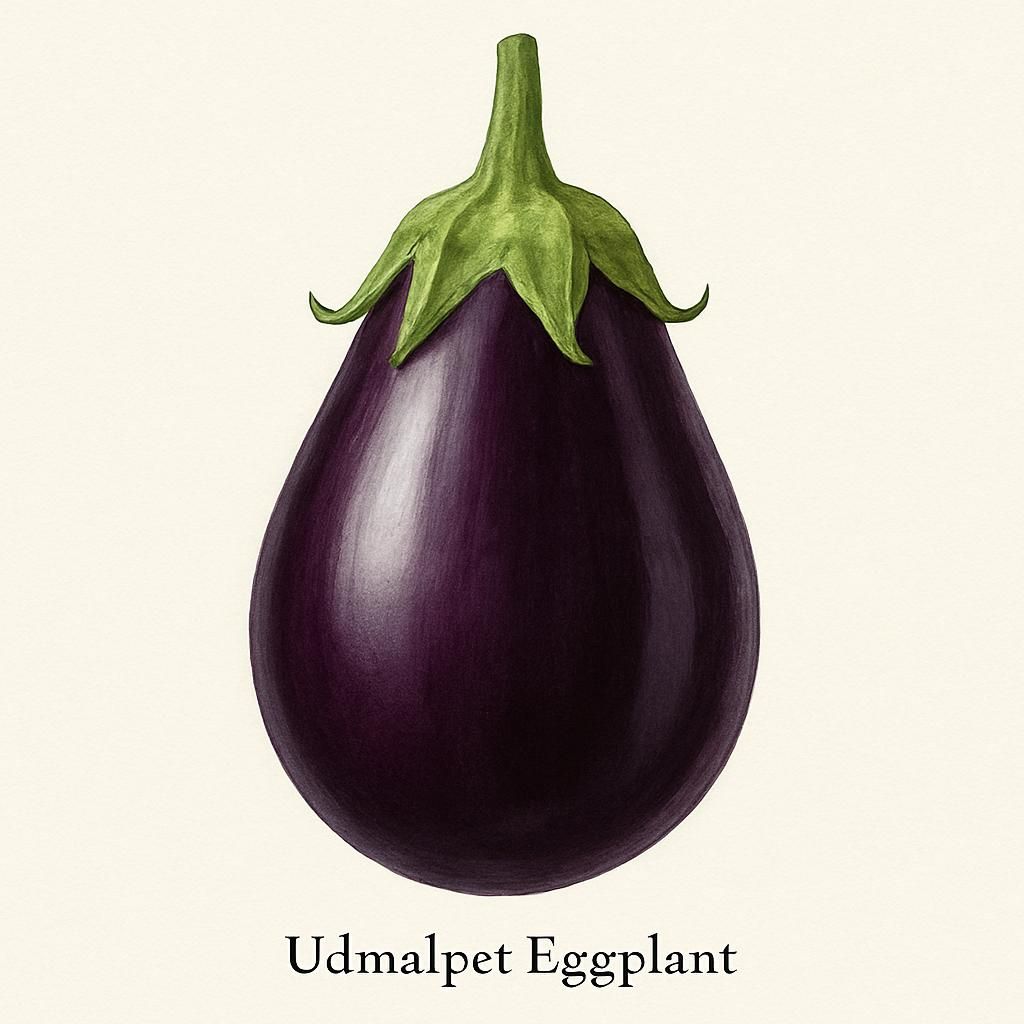
Udmalpet Eggplant
Udmalpet Eggplant is a unique variety renowned for its rich flavor and smooth texture. It is cultivated extensively in Udmalpet, India, thriving in warm climates and well-drained soils. This guide provides a comprehensive look at growing, caring, and harvesting this versatile crop.
View Guide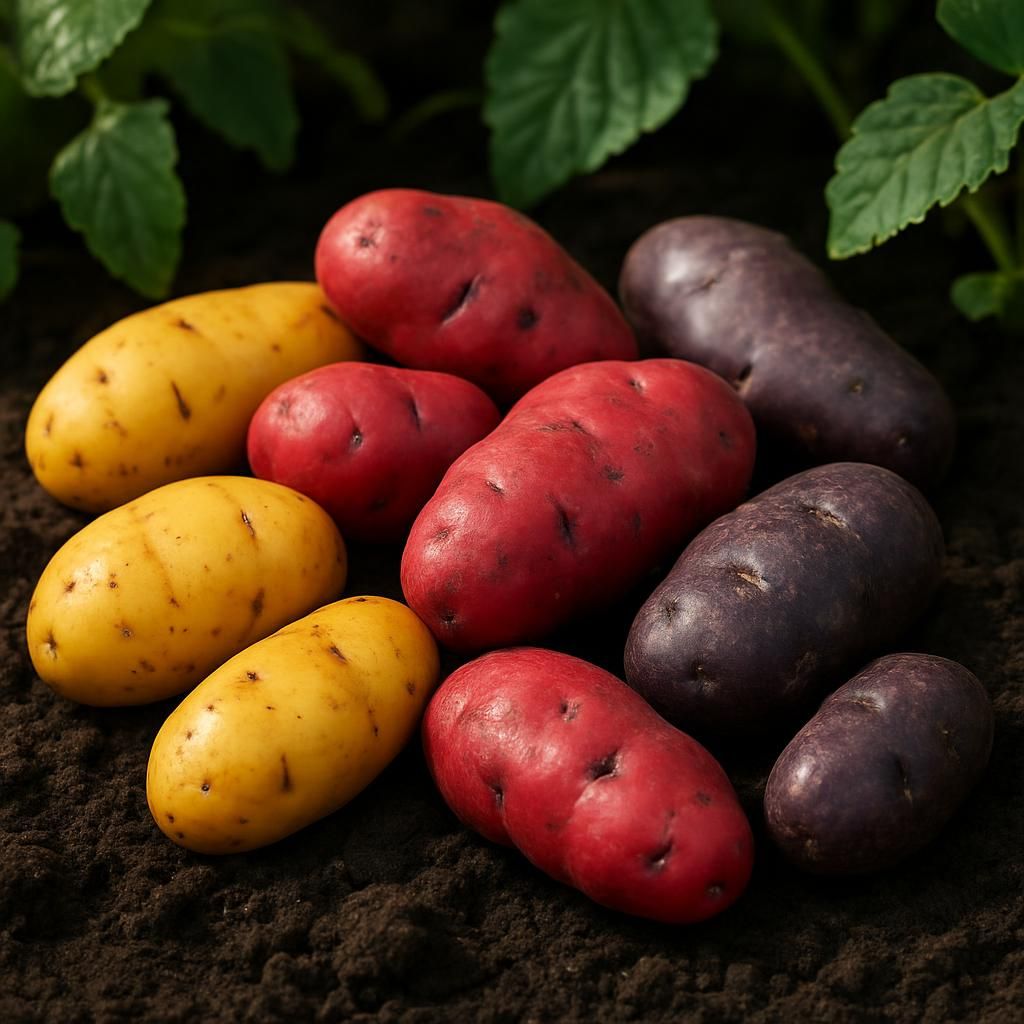
Ulluco (Ullucus tuberosum)
Ulluco is a high-altitude Andean tuber crop prized for its colorful, crunchy tubers and nutritious leaves. This guide covers complete cultivation from soil preparation through harvest and storage with professional-grade detail.
View Guide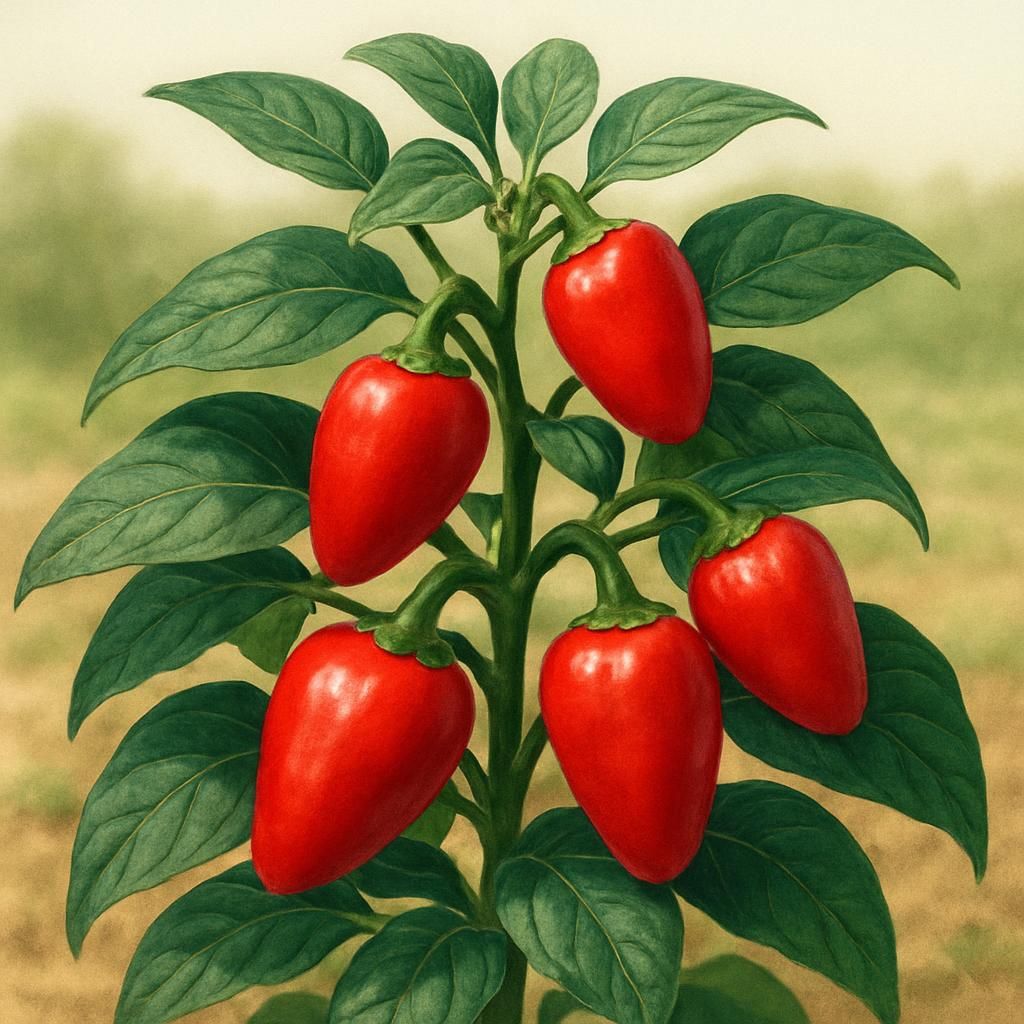
Ulupica Pepper
Ulupica Pepper is a rare, high-heat wild chili native to the Bolivian highlands, prized by chefs and small-scale growers for its intense flavor and ornamental value. This definitive guide covers soil, climate, propagation, care schedules, organic pest control, harvesting, and companion planting for commercial and home production.
View Guide
Upland Cotton
Upland cotton is the dominant commercial cotton species worldwide, valued for its adaptability, reliable yield, and medium-staple fiber. It thrives in long, warm growing seasons with moderate moisture, fertile well-drained soils, and careful management of nutrients, weeds, insects, and boll health from squaring through harvest.
View Guide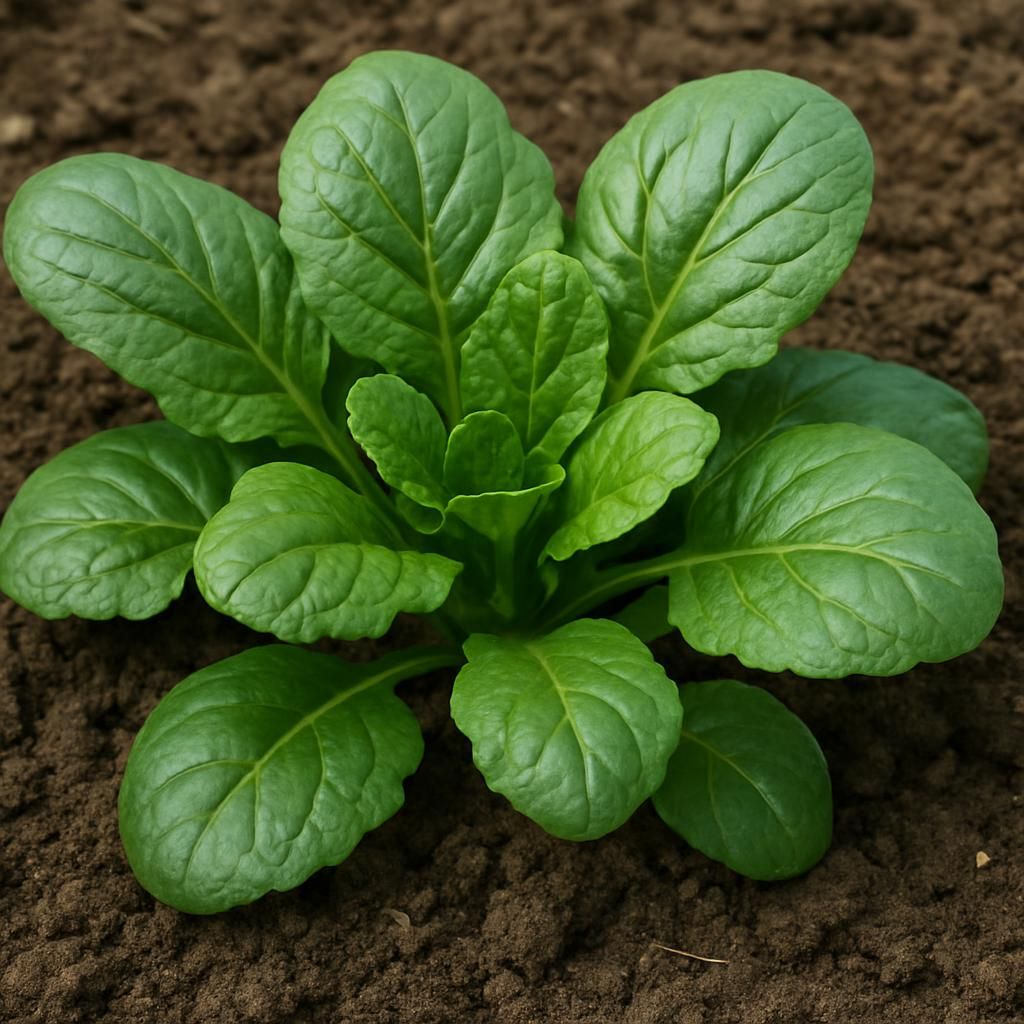
Upland Cress
Upland Cress, a hardy leafy green, is popular for its peppery flavor and ease of cultivation. Its adaptability makes it suitable for various climates, providing a great source of vitamins and minerals.
View Guide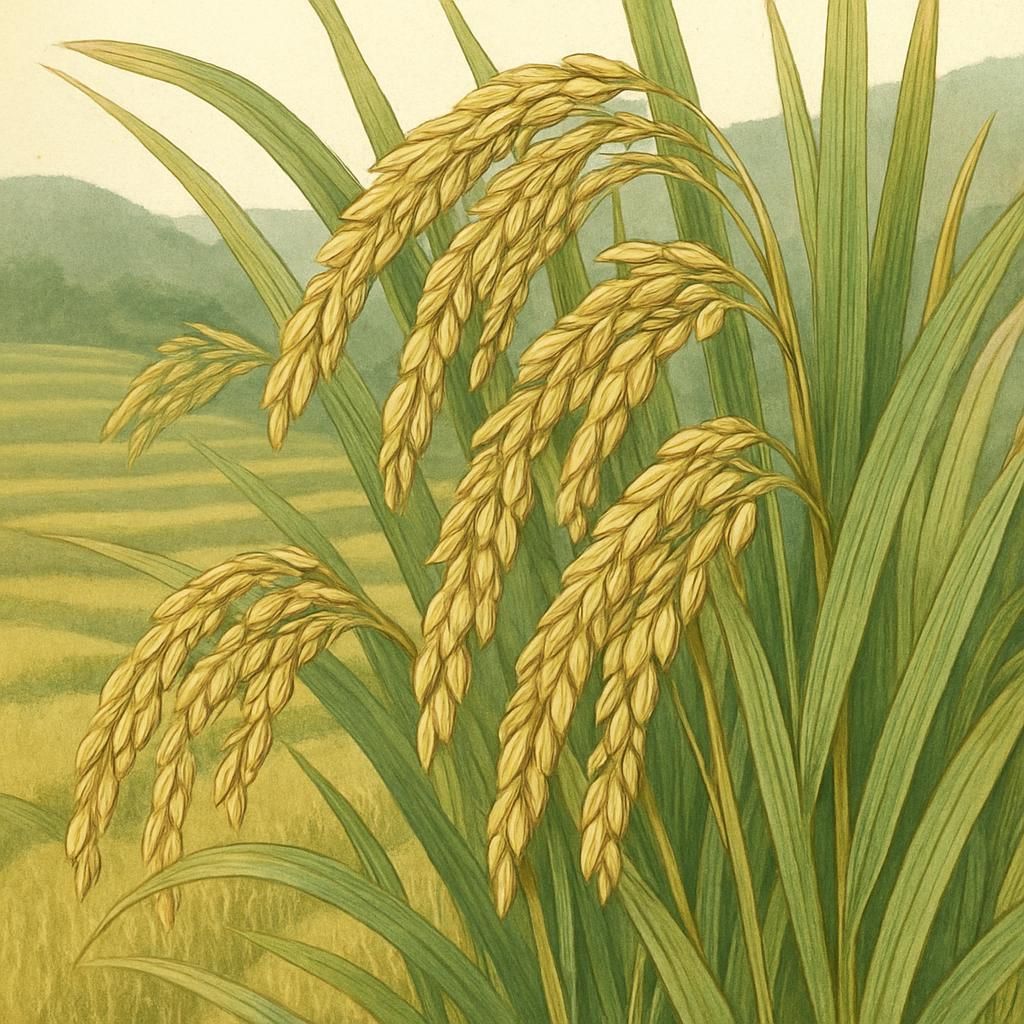
Upland Rice (Pa-le)
Upland Rice, also known as Pa-le, is a versatile rice variety that thrives in moderately elevated areas and well-drained soils without requiring constant wet conditions, making it distinct from lowland rice.
View Guide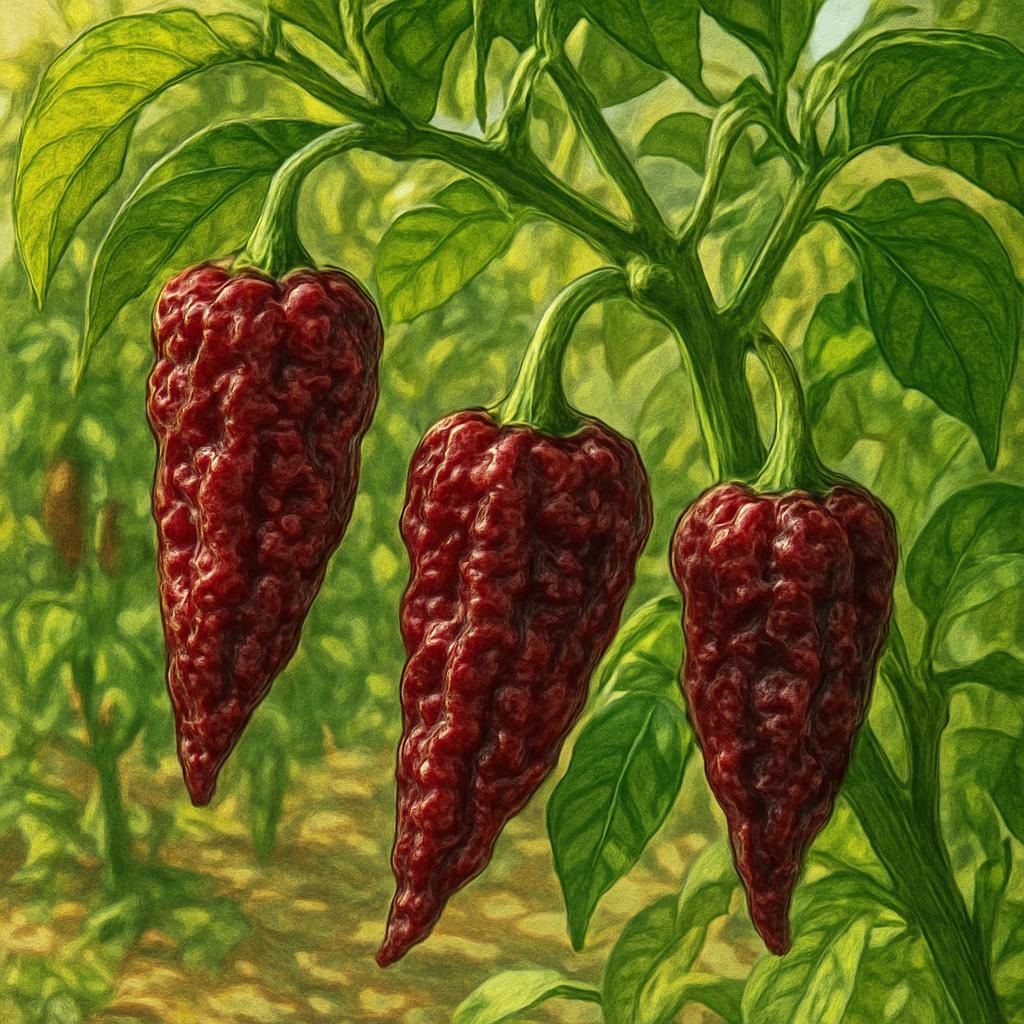
Urfa Biber (Isot)
Urfa Biber (Isot) is a unique Turkish chili pepper known for its rich, smoky flavor and dark color. This pepper thrives in warm climates and requires well-drained soil, making it a popular choice for spice enthusiasts and gourmet chefs.
View Guide
Valencia Orange
Valencia orange is one of the world’s most important sweet orange cultivars, prized for its excellent juice quality, balanced sweetness-acidity, and late-season harvest window. It is a vigorous evergreen citrus that performs best in frost-limited subtropical to warm Mediterranean climates with deep, well-drained soils and careful irrigation management.
View Guide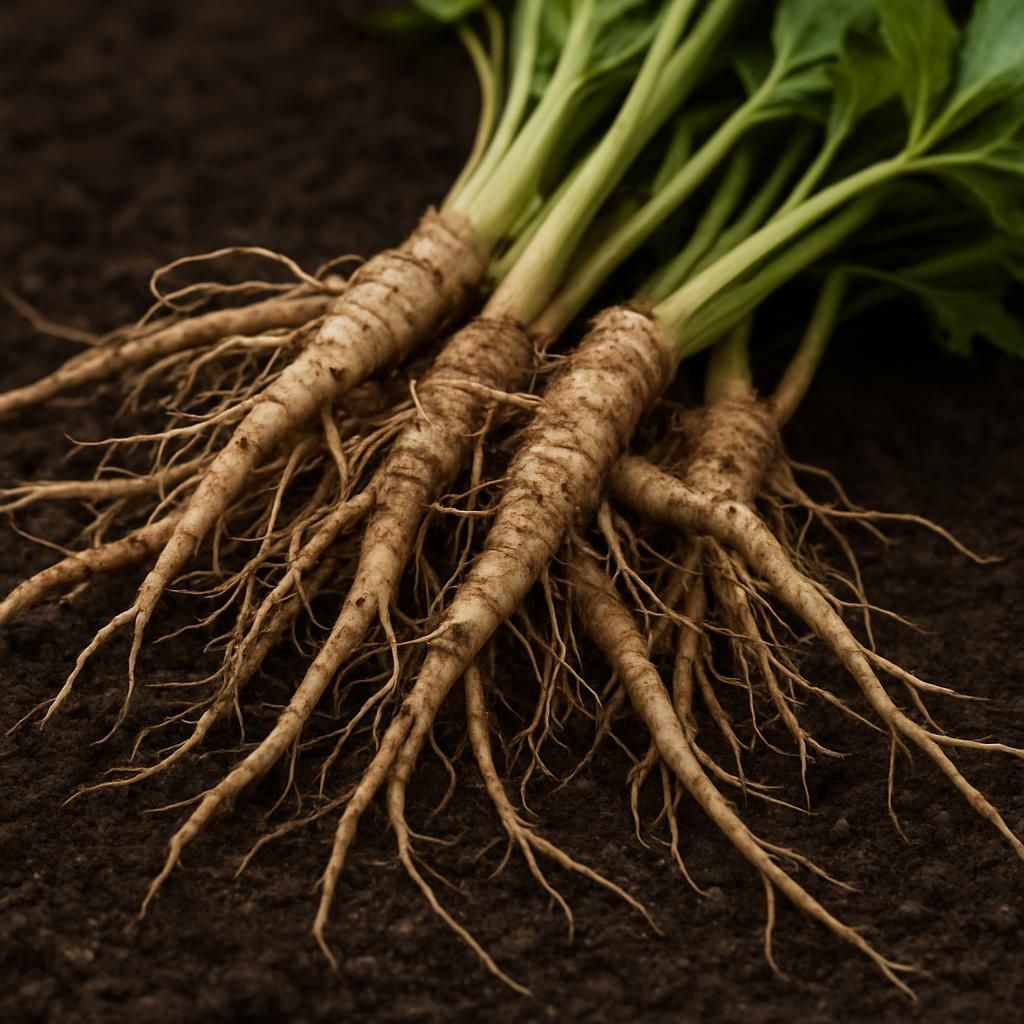
Valerian Root
Valerian Root is a hardy perennial herb cultivated for its fragrant rhizomes and roots used in herbal medicine and natural sleep aids. It thrives in temperate climates with moist, fertile soils and requires patience as the roots reach harvestable size after two growing seasons.
View Guide
Vanilla
Vanilla is a tropical climbing orchid grown primarily for its aromatic seed pods, known commercially as vanilla beans. It is one of the most labor-intensive spice crops in the world, requiring warm humidity, filtered shade, hand pollination in most production systems, and careful curing after harvest. When managed well, however, it can be a high-value specialty crop for humid tropical and protected subtropical environments.
View Guide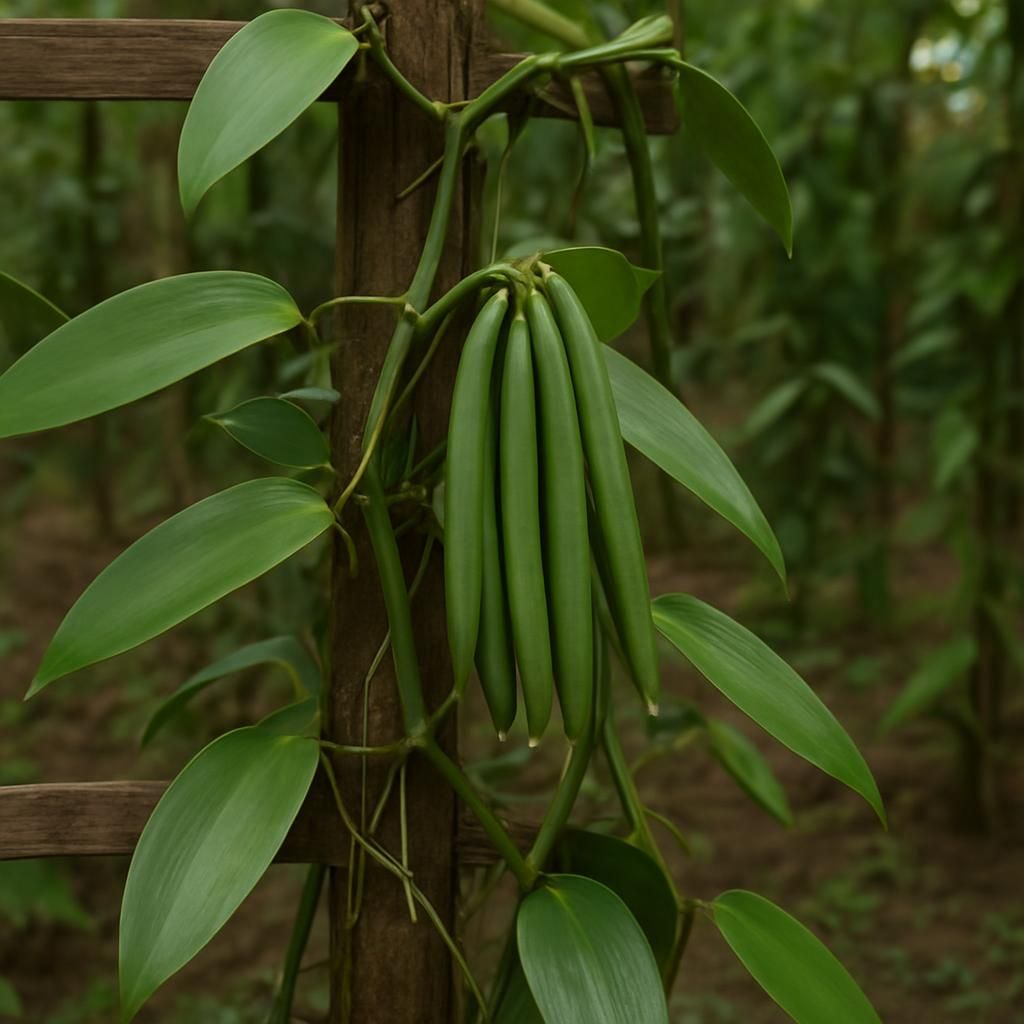
Vanilla (Planifolia - Madagascar)
Vanilla planifolia from Madagascar produces the world's most prized Bourbon vanilla through meticulous hand-pollination, shade-grown cultivation, and a lengthy curing process. This labor-intensive orchid vine yields pods with exceptional vanillin content and complex aroma prized by chefs and extract makers. Successful commercial production requires precise microclimate control, patient multi-year timelines, and integrated pest management.
View Guide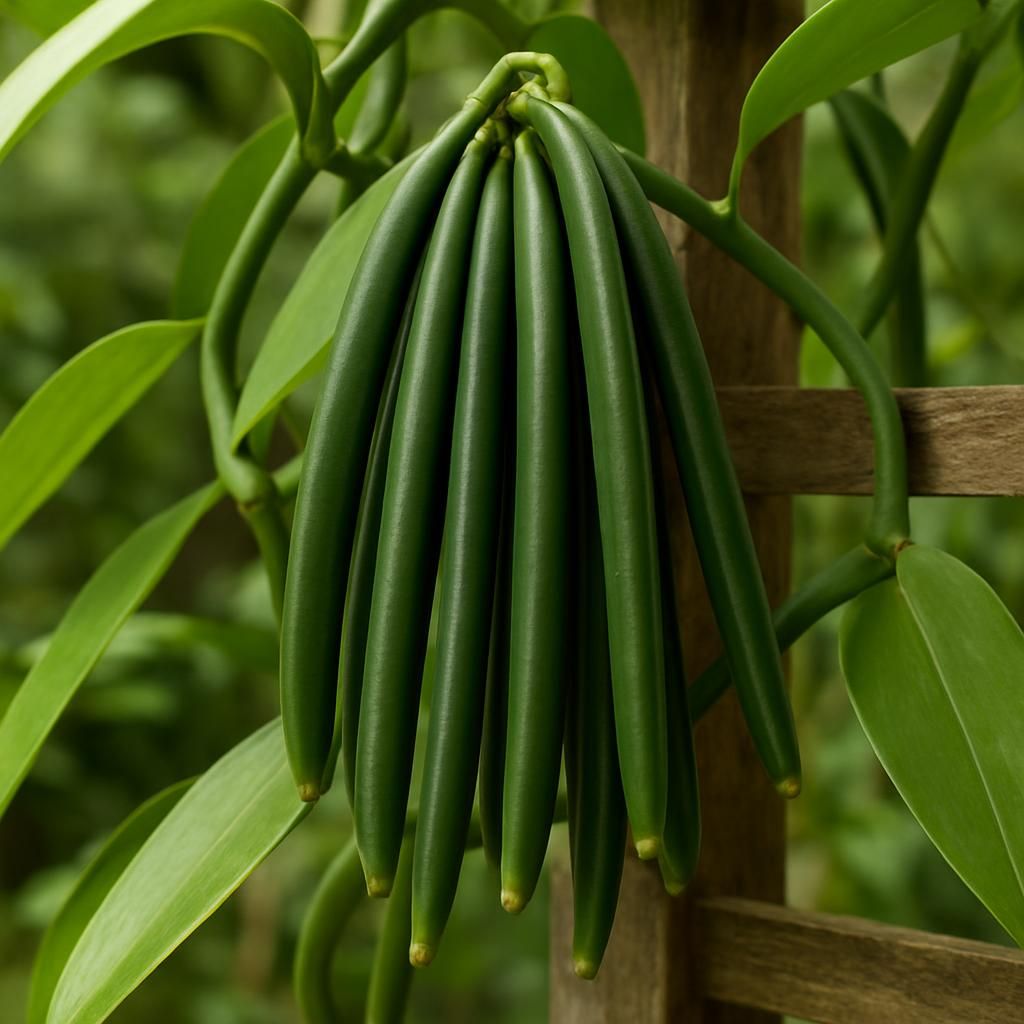
Vanilla (Pompona)
Vanilla pompona is a robust, high-yielding orchid species prized for its large, aromatic pods and resilience in tropical agroforestry systems. This comprehensive guide details every stage of commercial and small-scale cultivation from propagation through post-harvest curing.
View Guide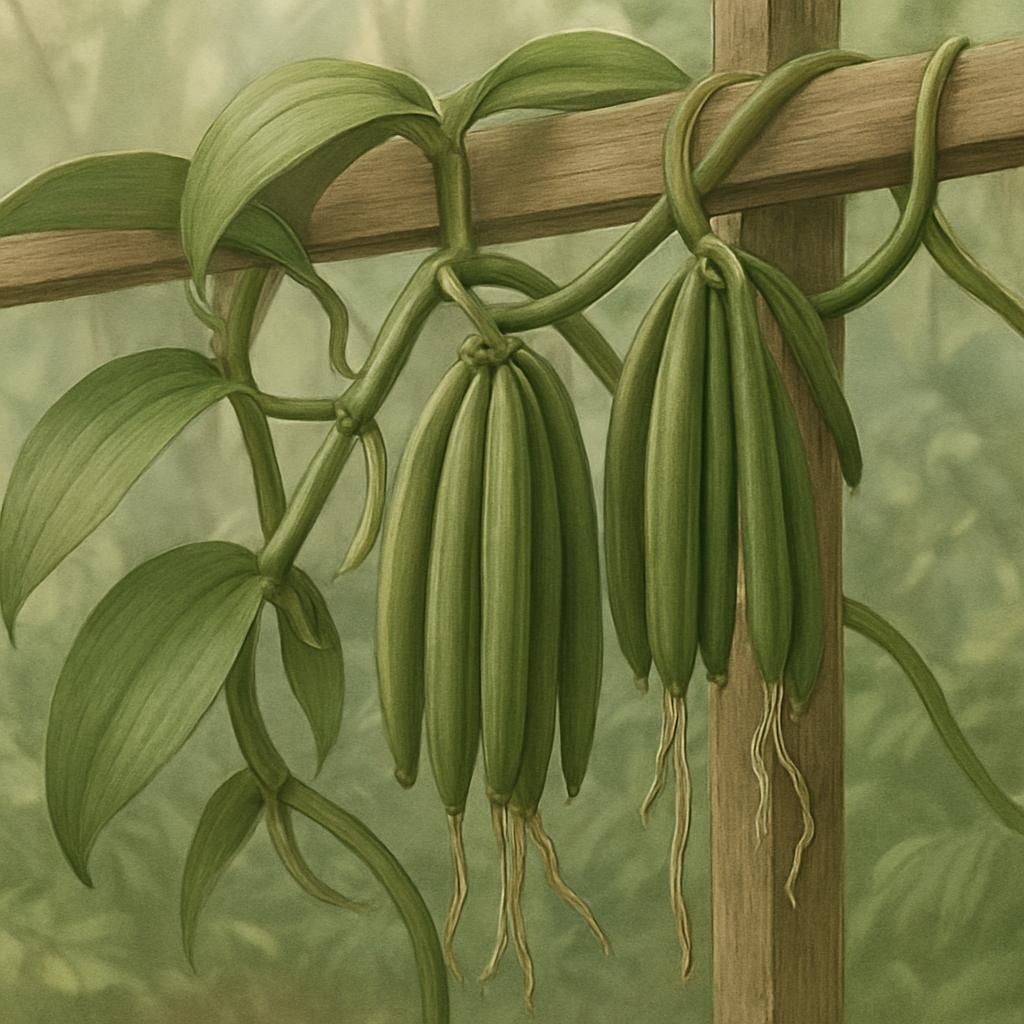
Vanilla (Tahitiensis)
Vanilla tahitensis, commonly known as Tahitian vanilla, is a premium tropical orchid vine prized for its rich, fruity aroma and thick, oily pods. This comprehensive guide covers optimal growing conditions, propagation, care, pest management, and post-harvest curing for commercial and home growers.
View Guide
various leaf spots
Various leaf spots are common foliar diseases caused by fungi and bacteria, manifesting as discolored lesions on leaves that reduce photosynthesis and yield. They affect a wide range of crops under humid conditions, with symptoms including circular to irregular spots with halos or centers. Effective management relies on cultural practices, resistant varieties, and targeted organic treatments.
View Profile
various viral diseases
Various viral diseases devastate crops worldwide by causing mosaic patterns, stunting, and yield losses through insect vectors and infected planting material. These pathogens replicate inside plant cells, spreading rapidly in warm, humid conditions. Effective management relies on prevention, vector control, and resistant varieties rather than curative treatments.
View Profile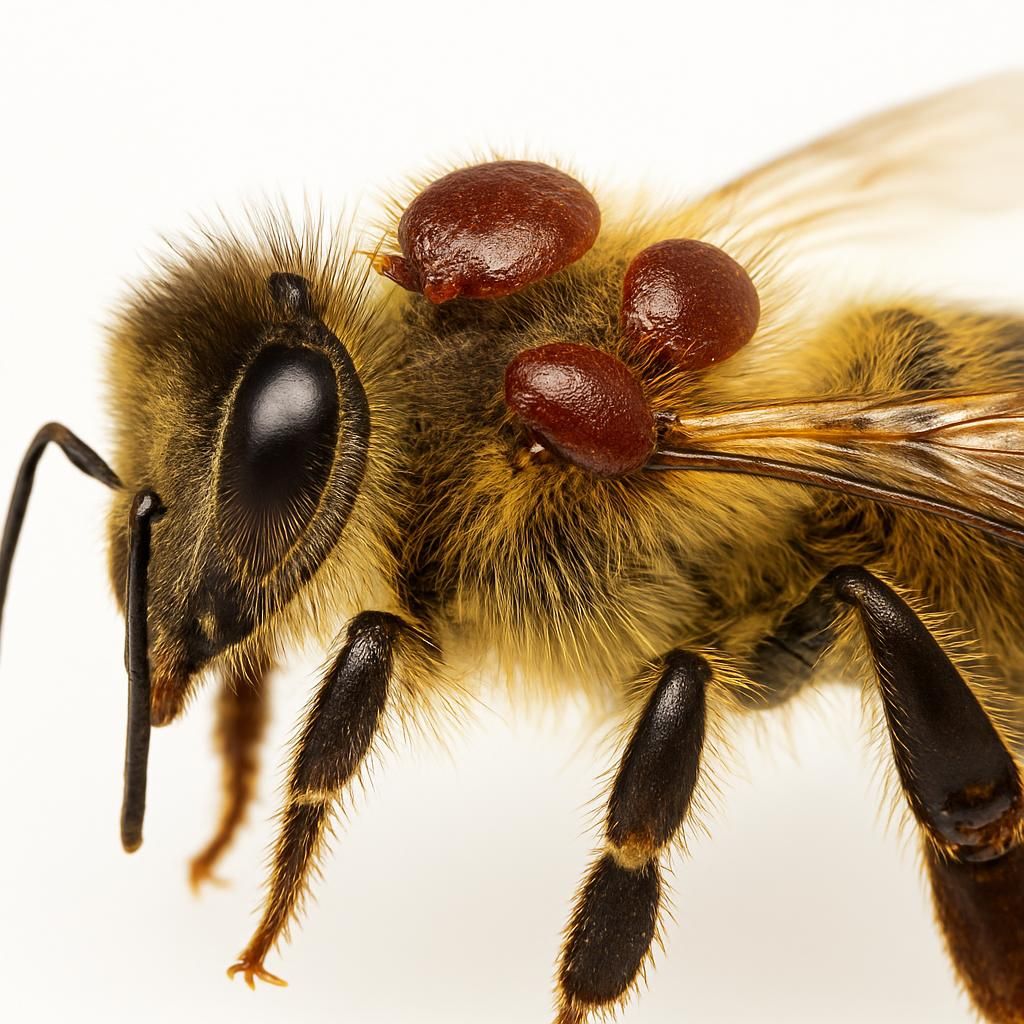
Varroa mites
Varroa destructor is the most destructive ectoparasitic mite of honey bees worldwide, weakening colonies through direct feeding and virus transmission. Effective management requires integrated monitoring, cultural practices, and timely treatments to prevent colony collapse. This guide provides diagnostic symptoms, lifecycle details, environmental risk factors, organic control options, and long-term prevention strategies.
View Profile
Vascular-streak dieback
Vascular-streak dieback (VSD) is a lethal vascular disease primarily affecting avocado trees, caused by the fungus Ceratocystis cacaofunestum and related species, leading to rapid wilting and tree death. It spreads via wounds and insects, manifesting as dark streaks in the vascular tissue. Early detection and strict sanitation are critical for management in tropical and subtropical regions.
View Profile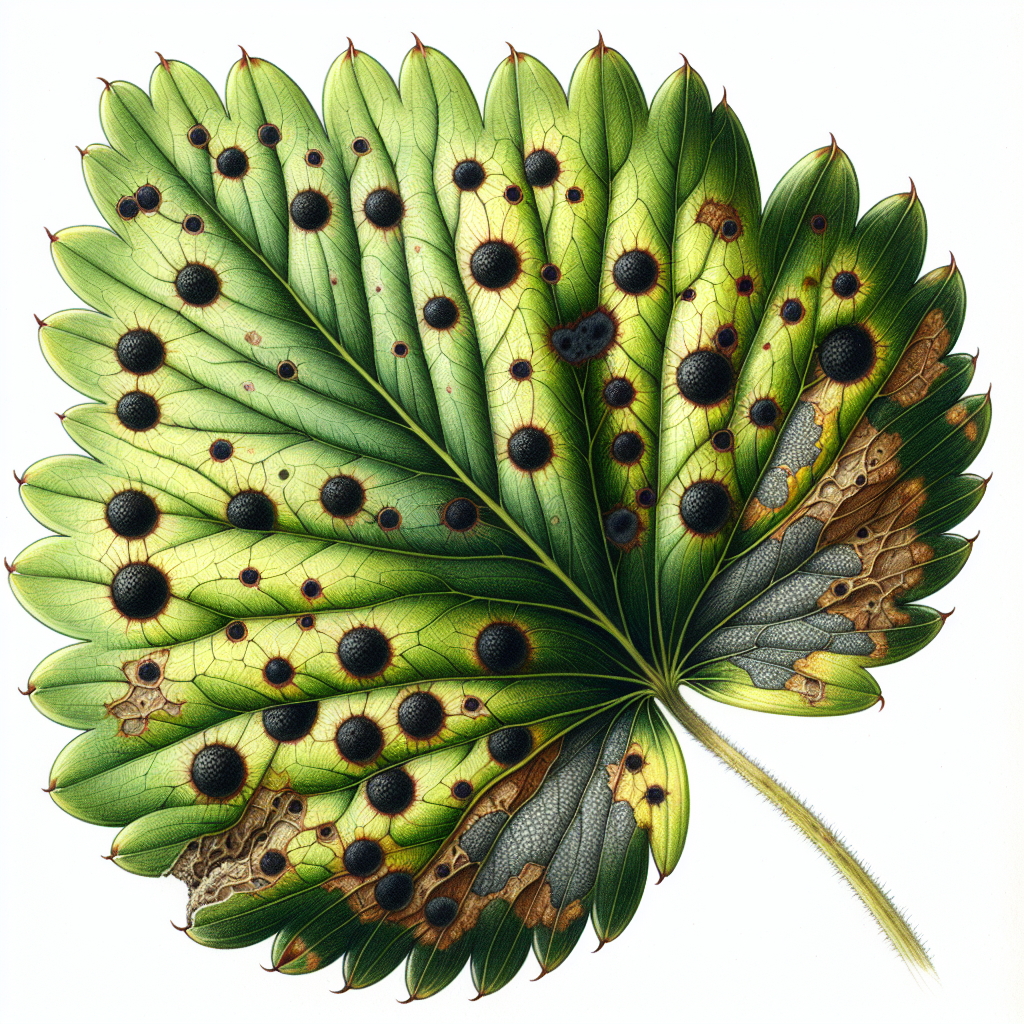
vein spot
Vein spot is a fungal disease primarily affecting strawberry leaves, caused by the pathogen Cercospora traversiana, leading to dark brown spots along leaf veins that can reduce photosynthesis and yield. It thrives in warm, humid conditions and is managed through cultural practices, resistant varieties, and organic fungicides. Early detection and prevention are key to minimizing crop losses in affected fields.
View Profile
Velvet Apple (Mabolo)
Velvet Apple, also known as Mabolo, is a tropical evergreen tree prized for its unique rust-red, velvety-skinned fruits with sweet, custardy flesh. Native to the Philippines, it thrives in warm climates and offers high market value for both fresh consumption and processing. This guide provides expert cultivation techniques for optimal yields.
View Guide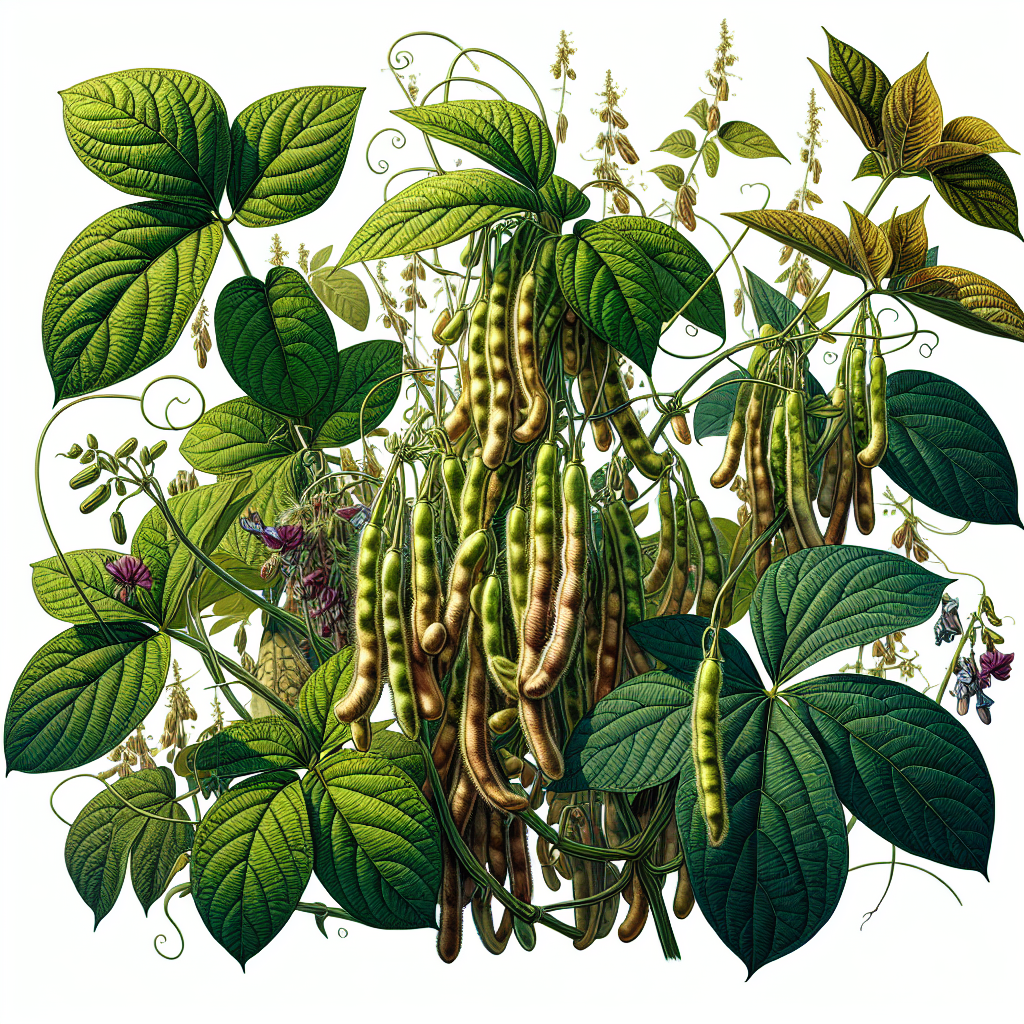
velvetbean
Velvetbean (Mucuna pruriens) is a fast-growing tropical legume often considered a pernicious weed pest in agricultural systems, aggressively competing with crops for resources and smothering fields with its dense vines. While valued as a cover crop for nitrogen fixation in some contexts, its uncontrolled spread causes significant yield losses in row crops and orchards. This guide provides comprehensive diagnostics, lifecycle insights, organic management strategies, and prevention tactics for farmers battling velvetbean infestations.
View Guide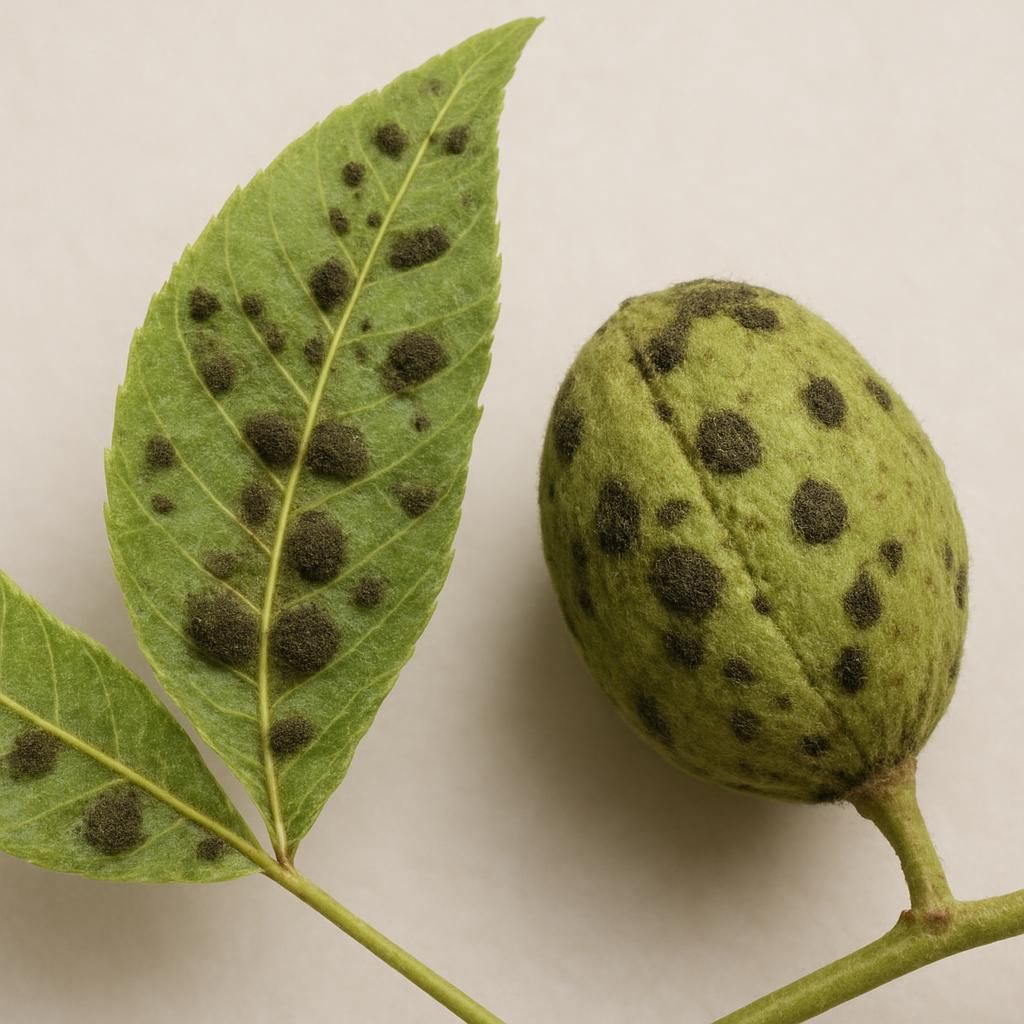
Venturia effusa
Venturia effusa is an ascomycete fungal pathogen that causes scab disease primarily on pecan trees, leading to significant reductions in nut quality and yield. The disease manifests as olive-green to black lesions on foliage, shucks, and young nuts, progressing under prolonged leaf wetness and moderate temperatures. Effective management relies on integrated cultural practices, timely fungicide applications, and resistant cultivar selection.
View Profile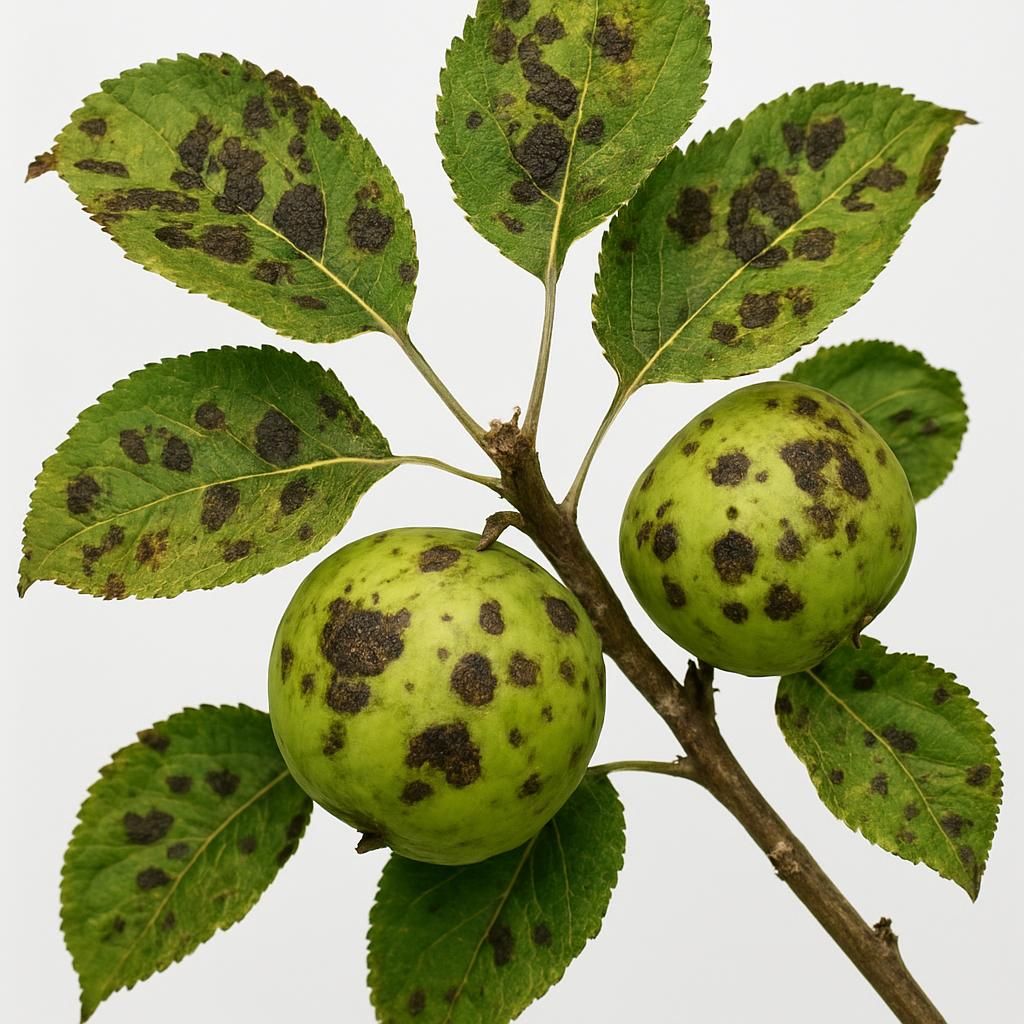
Venturia inaequalis
Venturia inaequalis is the fungal pathogen responsible for apple scab, a major disease affecting apple and pear orchards worldwide. It causes dark, scabby lesions on leaves, fruit, and twigs, leading to premature defoliation and reduced fruit quality. Effective management relies on integrated cultural practices, resistant cultivars, and timely fungicide applications.
View Profile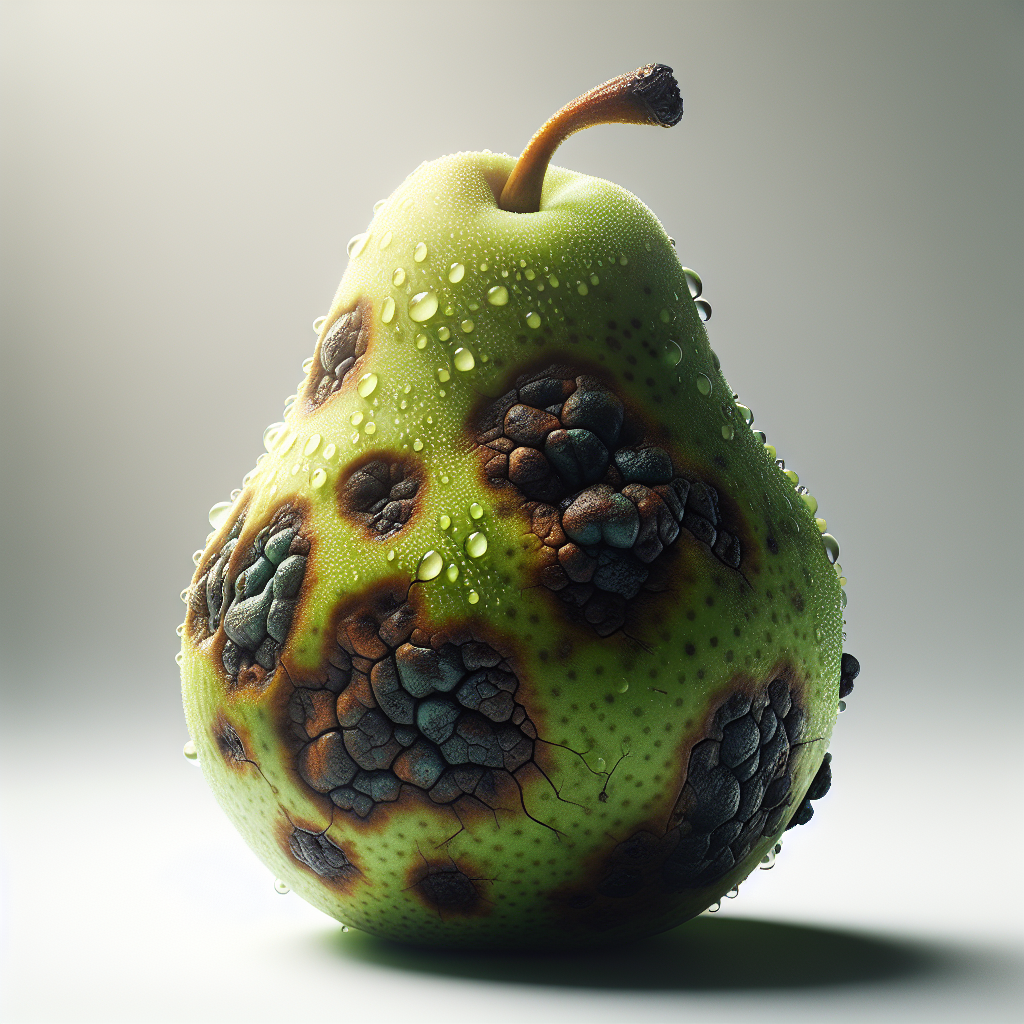
Venturia pirina
Venturia pirina, commonly known as pear scab, is a fungal disease that severely impacts pear orchards by causing scab lesions on leaves, fruits, and stems. This guide provides comprehensive diagnostics, lifecycle insights, organic management strategies, and prevention tactics to safeguard pear crops. Effective control hinges on timely monitoring and cultural practices, particularly in humid climates.
View Profile