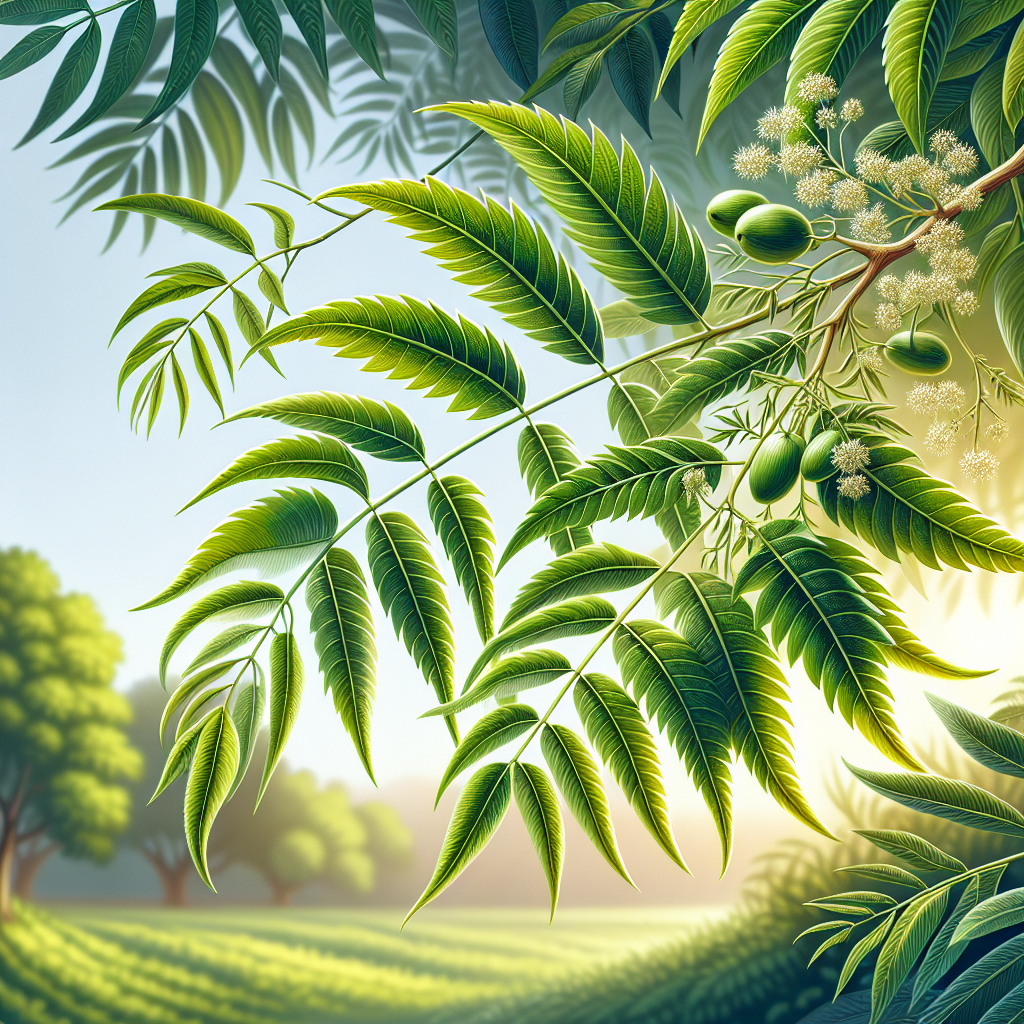
Introduction to neem
Neem, scientifically known as Azadirachta indica, is a versatile evergreen tree belonging to the Meliaceae family, native to the Indian subcontinent and parts of Southeast Asia. Revered in traditional agriculture for over 2,000 years, neem is prized for its bioactive compounds like azadirachtin, nimbin, and salannin, which make it a cornerstone of organic pest control. Farmers worldwide cultivate neem for its leaves, seeds, bark, and oil, which serve as natural insecticides, fungicides, and soil amendments. In modern agriculture, neem products deter pests such as aphids, whiteflies, and caterpillars without harming beneficial insects like pollinators.
However, neem cultivation isn't without challenges. As a competitive tree, it can overshadow understory crops, compete for water and nutrients, and release allelochemicals that inhibit nearby plant growth. Poor management leads to issues like leaf yellowing, pest invasions on neem itself, or reduced yields in intercropped fields. This definitive guide equips farmers with professional-grade diagnostics and strategies to manage neem effectively, ensuring it enhances rather than hinders crop production. Whether you're integrating neem into mango orchards or using it as a hedgerow, understanding its biology and environmental needs is key to sustainable farming. For small farms optimizing companion planting, check this comprehensive guide.
Neem thrives in arid, semi-arid climates with temperatures between 20-40°C (68-104°F) and annual rainfall of 400-1200 mm. It tolerates poor, saline soils (pH 6.2-11.0) and drought once established, making it ideal for marginal lands. Mature trees reach 15-20 meters, with dense canopies providing shade and windbreaks. Economically, neem yields 20-50 kg of seeds per tree annually after 5-7 years, producing oil valued at $500-1000 per ton globally. Proper management maximizes these benefits while minimizing risks to adjacent crops like tomato or chili pepper.
Identifying Symptoms & Damage
Diagnosing neem health issues requires keen observation of foliage, bark, stems, and roots. Common symptoms include chlorosis (yellowing leaves), defoliation, dieback, and gummosis. Early signs of nutrient deficiency appear as interveinal yellowing on older leaves, progressing to necrosis if untreated. Neem scale insects cause sooty mold on leaves, while leaf miners create serpentine trails. Differentiate from diseases like leaf spot (Alternaria), which shows concentric rings, versus viral mosaic (mosaic viruses) with puckered, mottled patterns.
Damage from mismanagement manifests as stunted growth, reduced seed production, or root rot in waterlogged soils. Allelopathy affects companion crops, causing wilting in sensitive plants like lettuce or cucumber. Inspect trunks for borers (entry holes with frass) and roots for nematodes (root-knot nematodes). Use a hand lens to spot mites (spider mites) via webbing and stippling. Severe infestations lead to 30-50% leaf loss, impacting azadirachtin content by up to 40%.
Quantitative assessment: Healthy neem leaves have 0.1-0.5% azadirachtin; stressed trees drop below 0.05%. Soil tests reveal pH extremes (>10) causing iron chlorosis. Pruning wounds invite fungal cankers (anthracnose). Compare symptoms side-by-side: drought stress shows wilting without spots, while fungal issues have lesions. Early detection via weekly scouting prevents 70% of yield losses. For AI-assisted plant diagnosis, explore this tool.
Lifecycle and Progression of neem
Neem's lifecycle spans 200+ years, with peak productivity at 10-40 years. Germination occurs in 7-14 days under 25-30°C, with 80% success in fresh seeds. Seedlings grow 1-2 m/year initially, slowing after 5 years. Flowering starts at 3-5 years, peaking March-June in tropics, producing white flowers pollinated by bees. Fruits mature in 6-8 months, turning yellow-olive, each containing 1-3 seeds.
Progression stages: Juvenile (0-3 years: root establishment), Vegetative (3-10 years: canopy expansion), Reproductive (10+ years: seed harvest). Annual leaf flush follows monsoons; defoliation in dry seasons conserves water. Pests peak during flowering: shoot borers attack tender flushes. Diseases progress from leaf spots to twig blights in humid conditions. Pruning synchronizes growth cycles, boosting yields by 25%. Monitor phenology: leaf fall signals dormancy, new growth indicates recovery.
In intercropping, neem's progression shades crops like soybeans post-monsoon. Lifecycle disruptions from overwatering lead to Phytophthora root rot (phytophthora). Sustainable harvesting: Remove <25% canopy annually to avoid stress.
Environmental Triggers & Risk Factors
Neem flourishes in USDA zones 10-12 but falters in frost (<5°C kills seedlings). High humidity (>80%) triggers fungal epidemics; drought beyond 6 months causes dieback. Poor drainage amplifies root rots (root rot). Saline soils (EC >8 dS/m) stunt growth, though neem tolerates up to 12 dS/m better than citrus.
Risk factors: Overcrowding (<5m spacing) promotes competition, reducing yields 40%. Monocultures invite pests like Hyadaphis neems (neem aphid). Herbicide drift causes leaf cupping. Climate change intensifies: erratic rains spike anthracnose. Soil compaction from machinery limits roots, mimicking nutrient deficits.
Triggers for outbreaks: Nitrogen excess fuels succulent growth, attracting thrips. Integrate with marigold borders to repel nematodes. Monitor via weather stations; thresholds: >30°C + humidity >70% = spray neem oil preventatively.
Organic Control & Treatment Plans
Emphasize IPM: Scout weekly, intervene at 10% infestation. Cultural: Space 10x10m, deep plow for drainage. Mulch with neem cake (2-5 kg/tree) repels soil pests.
Biological: Release ladybugs for aphids, Trichogramma for borers. Neem oil (0.5-2%) sprays disrupt insect hormones; apply evenings, 3x at 7-day intervals. BT kurstaki targets caterpillars (caterpillars). For fungi, copper oxychloride + baking soda.
Treatment plans:
- Mild infestation: Hand-pick, hose off pests.
- Moderate: Soap-neem spray (1:100), companion thai basil.
- Severe: Systemic organics like spinosad, prune infected parts.
Soil drench with neem cake controls nematodes. Rotate with legumes to fix N. Yields recover 80% post-treatment. Track via logs for patterns.
Preventing neem in the Future
Prevention beats cure: Select resistant varieties like Nimtree-49. Site prep: Solarize soil 4 weeks pre-planting. Plant windbreaks, irrigate drip (20L/tree/week young). Annual pruning shapes canopy, removes suckers.
Crop rotation: Avoid solanaceae nearby. Monitor aphids as vectors. Cover seeds with neem powder. Build soil OM >3% via compost. Use yarrow teas for resilience. Early warning: Yellow sticky traps for flies. Long-term: Grafting boosts vigor 30%. Annual audits prevent 90% issues.
Crops Most Affected by neem
Neem's shade/allelopathy impacts understory crops: potato (stunted tubers), carrot (forked roots), spinach (bitter leaves). Rice fields near neem show 15-20% yield drop from shading. Corn competes poorly for water. Fruit trees like apple benefit from pest repulsion but suffer light competition. Legumes chickpeas tolerate best. Space neem >20m from sensitive strawberry. Intercrop with sorghum or millet successfully.