Introduction to Alternaria
Alternaria, caused by various species of the fungal genus Alternaria spp., represents one of the most ubiquitous plant pathogens in agriculture. This necrotrophic fungus infects a broad spectrum of crops, leading to significant economic losses through leaf spots, stem blights, fruit rots, and seedling damping-off. As a professional botanist and agricultural expert, I've observed Alternaria's devastating impact on both field and greenhouse operations worldwide, particularly in warm, moist environments that favor its rapid proliferation.
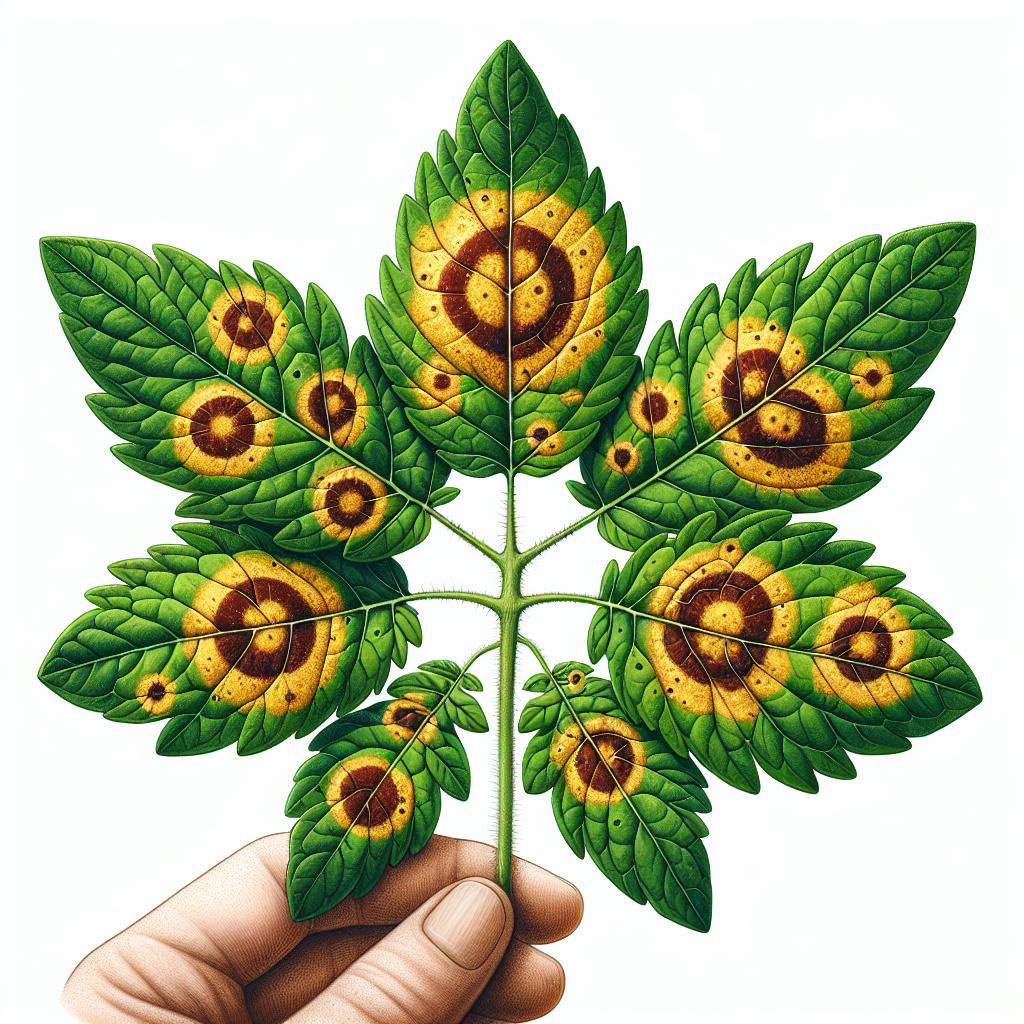
The disease manifests as dark, concentric-ringed lesions on leaves, often with a yellow halo, progressing to defoliation and reduced photosynthesis. While not always lethal, severe infections can slash yields by 20-50% in susceptible varieties. Understanding Alternaria is crucial for sustainable farming, as it often acts as a secondary invader following wounds or stress from pests like aphids or environmental extremes. This definitive guide equips growers with diagnostic tools, lifecycle insights, organic treatments, and prevention protocols to combat Alternaria effectively. For more on related foliar issues, see our detailed entry on Alternaria leaf spot.
Identifying Symptoms & Damage
Accurate diagnosis begins with recognizing Alternaria's hallmark symptoms, which vary slightly by host but share consistent fungal signatures. On leaves, initial signs appear as small, dark brown to black spots (1-10 mm diameter) with a zonate or target-like pattern due to alternating light and dark rings—hence the name 'target spot.' A chlorotic (yellow) halo often surrounds lesions, especially on younger foliage.
As infection advances, spots coalesce, leading to blighted patches, premature leaf drop, and weakened canopies. Stems may develop elliptical lesions with sunken centers, while fruits exhibit firm, sunken rots with velvety black spore masses under humid conditions. Seedlings suffer damping-off, collapsing at the soil line with brown rot at the base.
Damage quantification is critical: in tomatoes, Alternaria can reduce fruit size and quality by 30%; in brassicas, it exacerbates black rot susceptibility. Differentiate from look-alikes like Septoria leaf spot (smaller spots, no zonation) or Cercospora leaf spot (gray centers). Use a 10x hand lens to spot Alternaria's olive-green to black conidia (multi-celled spores with beaks). Lab confirmation via culturing on potato dextrose agar reveals the pathogen's characteristic chains. Early scouting—weekly inspections during humid periods—prevents escalation. Yield impacts include 10-70% losses, underscoring prompt action.
Lifecycle and Progression of Alternaria
Alternaria's lifecycle is polycyclic, enabling multiple infection cycles per season. Primary inoculum overwinters as mycelium or conidia in crop debris, infected seeds, or alternate hosts. Spring rains splash spores onto lower leaves, where they germinate in 6-12 hours at 24-30°C (75-86°F) and >90% humidity.
Conidia penetrate via stomata or wounds, colonizing intercellular spaces and producing toxins that kill host tissue. Lesions sporulate within 3-7 days, releasing airborne conidia for secondary spread. Optimal progression occurs at 25-28°C with free water on leaves for 8+ hours; dry heat halts it. Sexual stages are rare; reproduction is asexual via conidia.
Progression: Week 1—pinpoint spots; Week 2—target lesions; Month 1—defoliation; Late season—fruit rots. In perennials like avocado, it persists in bark. Understanding this cycle informs timing: remove debris post-harvest to break inoculum chains. Check out our blog on Spring Pest Patrol: Organic AI Strategies to Shield Your Crops from Common Invaders for integrated monitoring tips.
Environmental Triggers & Risk Factors
Alternaria exploits specific conditions: prolonged leaf wetness (dew, irrigation), high nitrogen fertility promoting lush growth, and temperatures of 20-30°C. Overhead watering splashes spores; dense canopies trap humidity. Risk spikes after hail, wind damage, or pest injury from thrips, creating entry points.
Susceptible varieties, poor air circulation, and acidic soils (pH <6) elevate threats. In tropics/subtropics, it's year-round; temperate zones peak mid-summer. Drought-stressed plants succumb faster as defenses wane. Crop rotation gaps <2 years retain soil inoculum. Monitor with weather stations: >12 hours leaf wetness + 25°C = high risk. Mitigate via morning irrigation and pruning for airflow.
Organic Control & Treatment Plans
Organic management emphasizes cultural, biological, and approved biochemical tools—no synthetic fungicides needed. Step 1: Cultural Controls—Remove infected debris immediately; till lightly to bury spores. Space plants for 20-30% better airflow; avoid overhead irrigation.
Step 2: Biologicals—Apply Trichoderma harzianum or Bacillus subtilis (e.g., Serenade) at 7-10 day intervals pre-symptoms. Streptomyces lydicus (Actinovate) suppresses via antibiotics. Efficacy: 40-60% reduction.
Step 3: Biocontrol Sprays—Potassium bicarbonate (MilStop) or copper octanoate (e.g., Cueva) at labeled rates; rotate to prevent resistance. Neem oil + insecticidal soap deters spores on contacts. Baking soda (1 tbsp/gal + oil) raises pH, inhibiting germination.
Treatment Protocol (for moderate infection):
- Day 0: Prune 20% infected tissue; bury debris.
- Days 1-3: Bacillus spray (full cover, dusk).
- Days 7,14: Copper + bicarbonate alternate.
- Ongoing: Compost teas with compost + molasses for microbials.
Resistant varieties (e.g., Mountain Merit tomato) cut needs 50%. Integrate with powdery mildew controls for synergy. Monitor progress; halt at 80% control.
Preventing Alternaria in the Future
Prevention trumps cure: Select resistant cultivars—e.g., 'Iron Lady' tomato, 'Defiant' brassicas. Rotate crops 2-3 years, avoiding solanaceae/brassica sequences. Soil solarization (6 weeks summer plastic) kills 90% soil inoculum.
Enhance resilience: Balanced fertility (avoid excess N), pH 6.5-7.0, mulching to reduce splash. Prune lower leaves; stake for airflow. Fall clean-up + flaming debris eliminates overwintering sites. Seed treatments with Trichoderma prevent damping-off. Scout weekly; act at 5% incidence. Long-term: Biofumigants like mustard cover crops release volatiles suppressing Alternaria. Track via apps for hyper-local forecasts.
Crops Most Affected by Alternaria
Alternaria strikes diverse crops, with solanaceae and cucurbits hardest hit. Top vulnerabilities:
- Tomato ([/wiki/tomato]): Early/late blight mimics; 30-50% defoliation.
- Potato ([/wiki/potato]): Tuber rots, early blight synergy.
- Onion/Garlic ([/wiki/onion], [/wiki/garlic]): Leaf blight, neck rot.
- Brassicas (e.g., cabbage): Black spots, alternaria blight.
- Cucurbits ([/wiki/cucumber]): Fruit rots.
- Grains (wheat, corn): Leaf/ear spots.
Others: apple, mango, strawberry. Tailor strategies per crop; e.g., stubble mulch for grains.