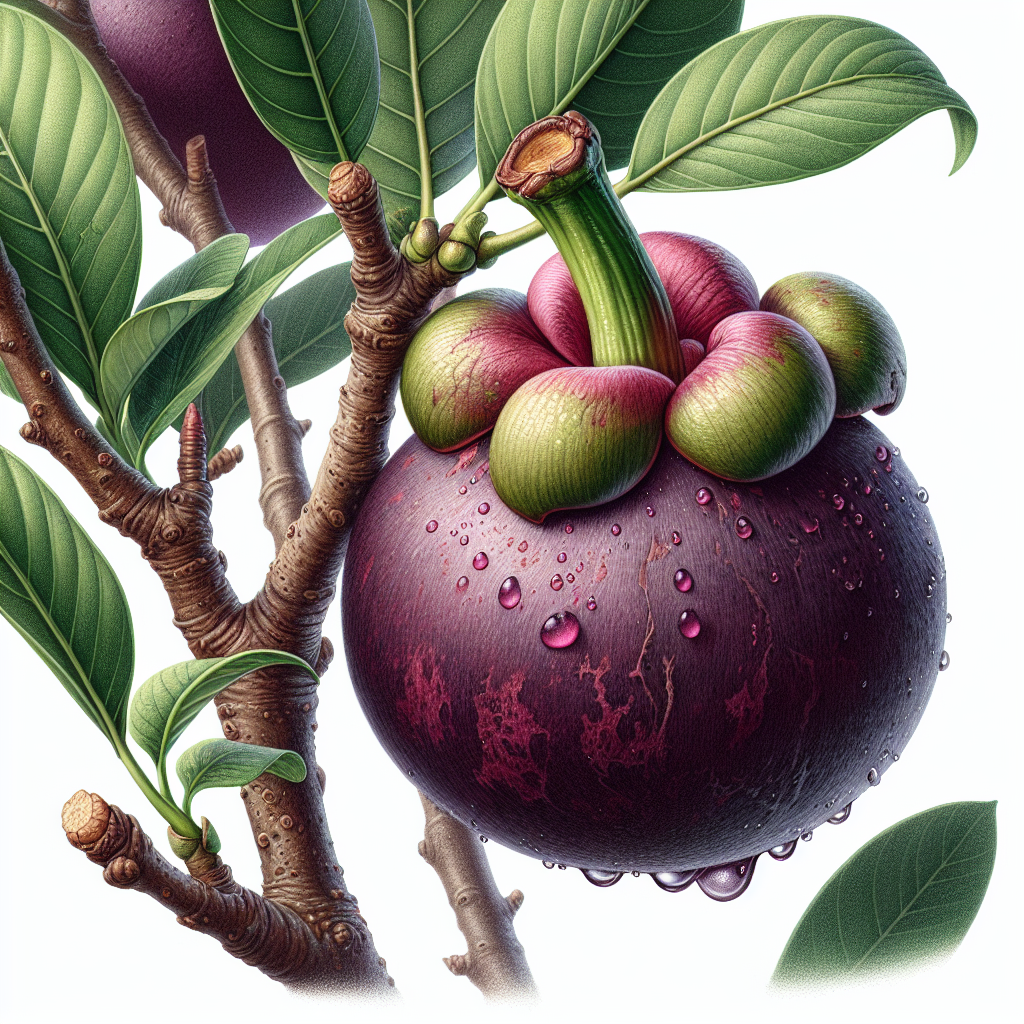
Introduction to Garcinia mangostana
Garcinia mangostana, popularly known as the mangosteen or queen of tropical fruits, is an evergreen tree native to Southeast Asia, particularly thriving in humid, tropical climates like those in Thailand, Malaysia, Indonesia, and the Philippines. The tree can reach heights of 20-82 feet (6-25 meters) with a pyramidal crown, glossy dark green leaves, and distinctive rose-purple flowers that give way to its signature deep-purple fruit encased in a thick rind, encasing sweet, juicy white segments. Valued for its antioxidant-rich arils, mangosteen is a high-value crop for small farms and commercial orchards, but it faces significant challenges from pests, diseases, and environmental factors that can reduce yields by up to 70% if unmanaged.
As a slow-growing tree that takes 5-9 years to bear fruit from seed and prefers well-drained, acidic soils (pH 5.0-6.5) with high organic matter, mangosteen demands precise cultural practices. Poor management exacerbates issues like anthracnose, fruit flies, and Phytophthora root rot, leading to cracked rinds, premature fruit drop, and tree decline. This comprehensive diagnostic and management guide equips growers with professional-grade, organic strategies to identify, treat, and prevent these problems, ensuring sustainable production. For more on tropical fruit vulnerabilities, check this insightful post on Why 90% of Small Farms Fail at Pest Management - And 8 Organic Fixes That Actually Work.
Mangosteen's sensitivity to temperature extremes (optimal 73-86°F or 23-30°C) and rainfall (requiring 78-98 inches annually without waterlogging) makes it prone to stress-induced disorders. Pests such as fruit flies and mealybugs target the fruit, while fungal pathogens exploit wounds from cracking. Early diagnosis through symptom scouting and integrated organic controls can preserve fruit quality and tree health, boosting marketable yields.
Identifying Symptoms & Damage
Accurate identification is critical for mangosteen health, as symptoms often overlap between pests, diseases, and nutritional deficiencies. Conduct weekly inspections during flowering and fruiting (typically May-August in native ranges) using a 10x hand lens for early detection.
Leaf Symptoms:
- Yellowing or chlorosis starting at leaf tips, progressing inward: Indicates Phytophthora palmivora or nutrient deficiency (magnesium/zinc). Leaves droop and drop prematurely.
- Mottled yellow-green lesions with necrotic centers: Sign of leaf spot diseases like Alternaria or viral mosaic viruses.
- Silvery webbing or stippling: Mites or thrips feeding damage.
- Sticky honeydew and sooty mold: Scale insects or mealybugs infestation.
Fruit Symptoms:
- Sunken, dark brown lesions with pink spore masses: Classic anthracnose (Colletotrichum gloeosporioides), causing rot and cracking.
- Cracked or split rind: Environmental (dry spells after rain) or fruit flies oviposition wounds leading to secondary rots.
- Internal browning or translucent arils: Chilling injury (<50°F/10°C) or fruit rots.
- Larval tunnels with frass: Fruit borers or corn earworm-like pests.
Trunk/Root Symptoms:
- Gummosis (oozing sap) at base: Collar rot from Phytophthora.
- Wilting despite irrigation: Root rot or root-knot nematodes.
- Bark splitting with cankers: Fungal canker diseases.
Damage quantification: Thresholds include >10% leaf infestation or >5% fruit damage warranting action. Differentiate from lookalikes like sooty mold (harmless, washes off) vs. active fungal spots.
Lifecycle and Progression of Garcinia mangostana
Mangosteen trees exhibit a perennial lifecycle with distinct phenological stages vulnerable to specific threats. Trees flower once yearly (or biannually in some cultivars), with buds swelling 40-50 days pre-anthesis. Pollen viability peaks at 80% during this window, but thrips and ants disrupt pollination.
Key Stages:
- Vegetative Growth (Year-Round): New flushes attract leafminers and aphids. Progression: Tender leaves harden in 2-4 weeks.
- Flowering (1-2 Months): Male/female flower ratio 1:5; hermaphroditic flowers drop unpollinated. Pests like fruit flies lay eggs here.
- Fruit Development (90-120 Days): Fruit enlarges rapidly 30-60 days post-set, rind thickens. Cracking peaks at 60% maturity if irrigation inconsistent.
- Maturity/Harvest: Rind turns deep purple; arils sweeten. Post-harvest, storage beetles infest fallen fruit.
Progression of Infestations: Pests complete 4-6 generations/year in tropics. Eggs hatch in 3-5 days, larvae feed 10-20 days, pupae 7 days, adults live 30-60 days. Diseases spread via rain splash, progressing from leaf spots to defoliation (20-50% yield loss) to branch dieback.
Environmental Triggers & Risk Factors
Mangosteen thrives in USDA zones 10b-11 but falters under stress:
- High Humidity + Poor Drainage: Triggers Phytophthora (>80% RH, waterlogged soils).
- Temperature Fluctuations: <68°F/20°C slows growth; >95°F/35°C causes leaf scorch and fruit abortion.
- Erratic Rainfall: Dry periods followed by heavy rain (>2 inches sudden) induce fruit cracking (up to 40% loss).
- Soil Issues: Alkaline pH (>7.0) locks nutrients; compacted clay promotes root rots.
- Wind/Storm Damage: Tears leaves, entry for bacterial leaf spots.
Risk amplifies in monocultures or young orchards (<5 years). Companion crops like mango or banana increase humidity, heightening fungal risks. Scout during monsoons and heatwaves.
Organic Control & Treatment Plans
Prioritize IPM: Monitor, cultural, biological, then targeted organics.
Cultural: Improve drainage with raised beds/mulch (6-inch organic layer). Prune for airflow (20% canopy thinning). Irrigate drip (1-2 gal/tree/week, avoid wetting foliage).
Biological: Release predatory mites for spider mites; Trichoderma spp. against Fusarium. Neem oil (2% weekly) repels mealybugs.
Organic Sprays:
- Bordeaux mixture (1%) for anthracnose/leaf spots: Apply 7-10 days pre-rain.
- Potassium bicarbonate (1%) + hort oil for sooty mold/fungi.
- Bacillus thuringiensis (BT) for caterpillars/borers.
- Kaolin clay barrier for fruit flies/beetles.
Treatment Timeline:
| Stage | Action | Frequency |
|---|---|---|
| Vegetative | Neem + compost tea | Biweekly |
| Flowering | BT + copper | Weekly |
| Fruiting | Kaolin + sanitation | 10 days |
| Post-Harvest | Mulch + Trichoderma | Once |
Remove infected parts; burn debris. For severe root rot, drench with hydrogen peroxide (3%). Yields recover 30-50% in 1 season.
Preventing Garcinia mangostana in the Future
Long-term prevention builds resilience:
- Site Selection: Sandy loam, 3-4 ft deep, south-facing slopes.
- Resistant Varieties: Local selections like 'Mesta' or grafted stock.
- Sanitation: Weekly debris removal; tools disinfect (10% bleach).
- Fertility: Balanced NPK (10-5-20) + micronutrients; mycorrhizae inoculant.
- Biodiversity: Interplant marigold for nematodes, thyme for repellents.
- Monitoring: Sticky traps for flies; soil tests quarterly.
Annual IPM calendar prevents 80% outbreaks. Rotate treatments to avoid resistance.
Crops Most Affected by Garcinia mangostana
Mangosteen-specific issues overlap with tropical fruits:
- Durian: Shares anthracnose, fruit cracking.
- Mango: Mealybugs, fruit flies migrate.
- Papaya: Phytophthora, root rots.
- Avocado: Similar humidity-driven fungi.
- Pineapple: Nematodes, fruit rots in mixed orchards.
Mixed plantings amplify risks; isolate mangosteen 50 ft from guava or pomegranate.