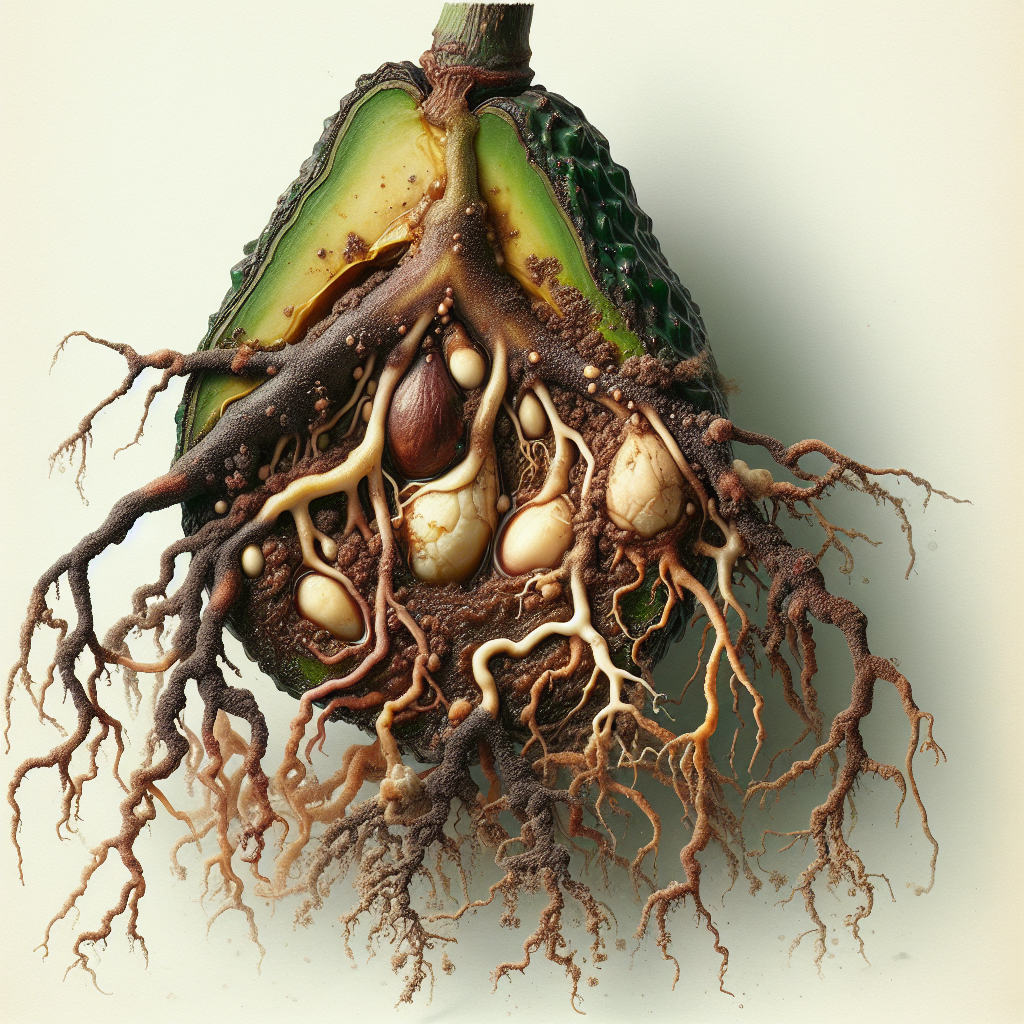
Introduction to Phytophthora palmivora
Phytophthora palmivora is one of the most notorious pathogens in agriculture, classified as an oomycete (water mold) rather than a true fungus. First identified on palms in the early 20th century, it has since become a global threat to tropical and subtropical crops, causing devastating diseases like root rot, crown rot, and fruit rots. This pathogen spreads via soil, water, and infected plant material, making it particularly challenging in humid environments.
Farmers often encounter P. palmivora in regions with high rainfall or poor drainage, where it can wipe out entire plantings of high-value crops. Unlike many fungal diseases, its ability to produce zoospores—motile spores that swim in water—allows rapid dispersal during wet periods. Early detection and integrated management are critical, as advanced infections lead to plant death with no recovery possible. This guide provides professional-grade diagnostic tools, organic treatments, and prevention strategies tailored for small farms and commercial operations. Understanding its biology empowers growers to protect yields and sustain soil health long-term.
Identifying Symptoms & Damage
Accurate diagnosis starts with recognizing the distinctive symptoms of Phytophthora palmivora, which vary by crop but share common hallmarks. Initial signs appear on roots and lower stems: dark brown to black discoloration of roots, often with a watery, soft rot texture. Infected roots feel mushy and emit a foul odor when cut open, distinguishing it from drier rots like those caused by Fusarium.
Above ground, foliage wilts during the day but may recover at night early on, mimicking drought stress. Over time, permanent wilting, yellowing of lower leaves, and defoliation occur. On trunks or crowns, lesions start as small, water-soaked spots that expand into sunken, dark cankers with reddish-brown margins. In fruiting crops, symptoms include brown, leathery spots on fruits, often at the stem end, leading to premature drop.
For palms and trees like avocado or mango, look for bleeding cankers—oozing gum or sap from bark lesions. Cutting into affected tissue reveals brick-red to dark brown discoloration extending into the vascular system. Confirm diagnosis via lab tests for oospores or by baiting soil with susceptible host tissues. Differentiate from Pythium by P. palmivora's slower progression and sporangia production. Damage escalates in wet seasons, potentially causing 50-100% losses in untreated fields.
Lifecycle and Progression of Phytophthora palmivora
Phytophthora palmivora's lifecycle is perfectly adapted to wet, warm environments, enabling explosive epidemics. It survives as thick-walled oospores in soil or infected plant debris for years. Under favorable conditions (25-30°C, saturated soil), oospores germinate, producing mycelium that infects roots directly or forms sporangia releasing zoospores.
Zoospores are the primary dispersal agents, swimming through soil water to encyst and penetrate root tips or wounds. Each cycle lasts 3-7 days, with multiple generations per season. In drier periods, chlamydospores form for long-term survival. On aboveground parts, sporangia release zoospores via rain splash or overhead irrigation.
Progression begins subsurface: root infection leads to girdling, blocking water uptake. Symptoms surface 2-4 weeks later, advancing to crown and stem rots. Fruit infections occur via splash dispersal, rotting calyces first. Without intervention, plants collapse within months, perpetuating the pathogen in soil. This hemibiotrophic lifestyle—initially symptomless colonization followed by tissue necrosis—makes early detection vital.
Environmental Triggers & Risk Factors
Phytophthora palmivora thrives in warm (20-32°C), wet conditions, with optimal infection at soil moisture near saturation. Poor drainage, compacted soils, and overwatering are primary triggers, as zoospores require free water to swim. High humidity (>80%) and temperatures above 25°C accelerate sporulation and spread.
Risk factors include planting in heavy clay soils, excessive nitrogen fertilization promoting lush growth susceptible to infection, and overhead irrigation splashing inoculum. Flooded fields or low-lying areas prone to waterlogging amplify outbreaks. Susceptible varieties, like certain banana cultivars, face higher risks. Contaminated tools, soil on equipment, or runoff from infected fields spread the pathogen over large areas.
Monoculture intensifies pressure, while wounds from cultivation or root-knot nematodes provide entry points. Climate change, with more intense rains, heightens vulnerability in tropical zones. For more on weather impacts, see Why 80% of Small Farms Battle Weather Disasters - And How Hyper-Local AI Forecasts Can Save Your Harvest. Monitoring soil moisture and avoiding stress keeps risks low.
Organic Control & Treatment Plans
Organic management of Phytophthora palmivora emphasizes cultural, biological, and phosphite-based treatments, as chemical fungicides are limited. Remove and destroy infected plants immediately, avoiding composting to prevent oospore survival. Improve drainage with raised beds, tiling, or contour planting—essential for papaya and pineapple groves.
Apply organic amendments like composted manure or biochar to enhance soil aeration and microbial suppression. Biological controls include Trichoderma spp. and Bacillus subtilis drenches, applied preventively every 14-21 days. Phosphorous acid (phosphite) foliar sprays or root drenches (e.g., 0.1-0.2% potassium phosphite) boost plant defenses, repeated monthly during wet seasons.
Mulch with coarse, disease-free materials to reduce soil splash. Solarization—covering moist soil with clear plastic for 4-6 weeks in summer—kills soil inoculum effectively. For black pepper vines, use biofumigant cover crops like mustard. Integrate with resistant rootstocks where available, like for avocado. Monitor weekly and act early. Treatment success reaches 70-90% with consistent application, but severely infected plants rarely recover.
Preventing Phytophthora palmivora in the Future
Prevention is the cornerstone of long-term control. Start with clean, disease-free planting material from certified sources. Site selection favors well-drained slopes; test soil pH (optimal 6.0-7.0) and amend with gypsum if sodic. Implement strict sanitation: disinfect tools with 10% bleach or alcohol, and quarantine new plants.
Rotate crops with non-hosts like grasses or clover for 2-3 years to starve inoculum. Avoid overhead watering; use drip irrigation to keep foliage dry. Maintain moderate fertility—excess N fuels disease. Boost beneficial microbes via mycorrhizal inoculants and compost teas.
For detailed soil strategies, explore Soil Health Mastery: 5 Proven Strategies for Small Farms to Build Fertile Ground Without Breaking the Bank. Scout regularly, using soil tests for phosphite resistance monitoring. Resistant varieties, such as certain Hass avocado selections, offer genetic protection. Windbreaks reduce rain splash. These IPM practices can reduce incidence by 80-95%.
Crops Most Affected by Phytophthora palmivora
Phytophthora palmivora strikes a wide host range, but tropical perennials suffer most. Palms (e.g., oil palm, coconut) show bud rot and trunk cankers. Fruit trees like mango, papaya, pineapple, and avocado endure root and crown rots, with losses up to 50% in wet years. Black pepper vines suffer foot rot, devastating plantations in Asia.
Other victims include cocoa (pod rot), rubber (tapping panel rot), durian, rambutan, and jackfruit. Vegetables like tomato, pepper, and cucurbits face fruit rots. Ornamentals and nursery stock amplify spread. In Phytophthora hotspots, diversified farms must prioritize sanitation across cacao, coffee, and citrus. Economic impacts exceed billions annually, underscoring vigilant management.