Encyclopedia
Definitive guides for crops, pests, and agricultural diseases.
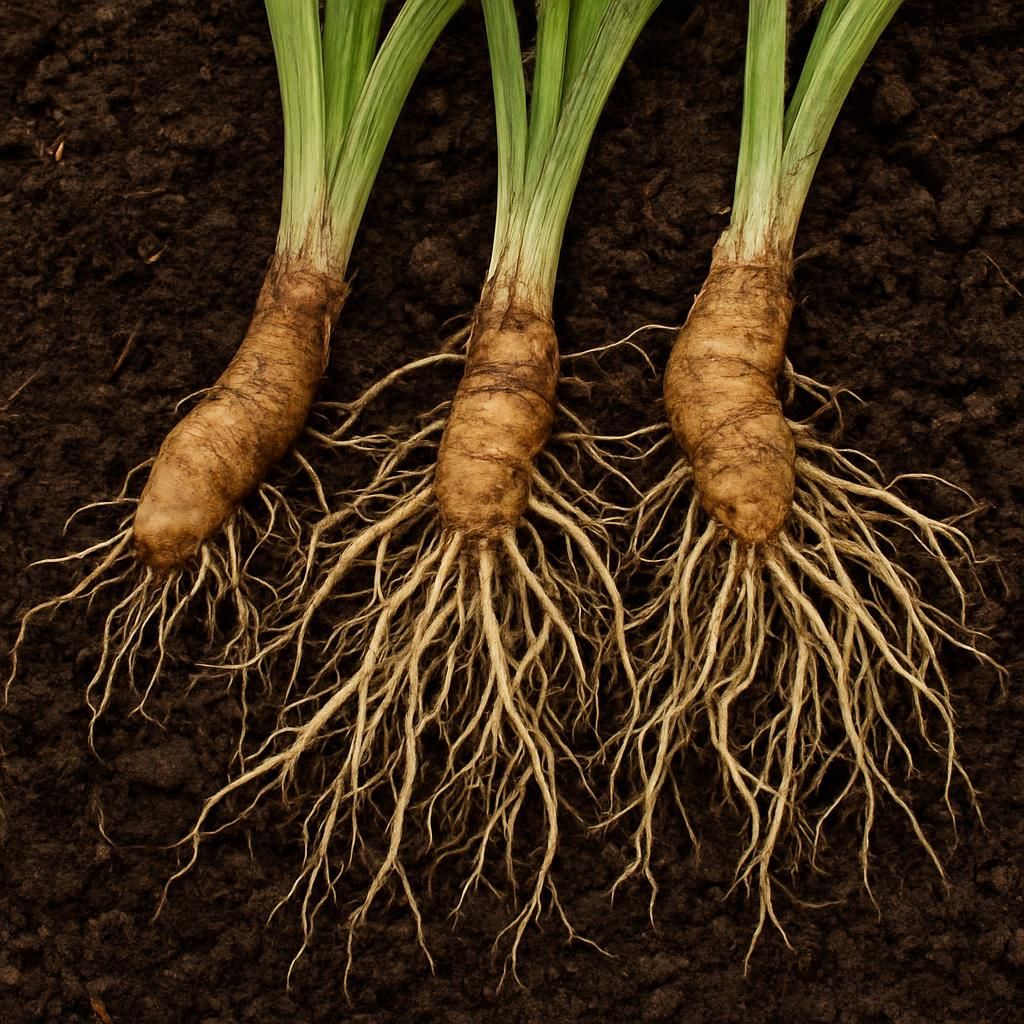
Plantain Root
Plantain Root refers to the vigorous underground rhizome and root system of plantain (Musa paradisiaca), a staple starchy crop grown for its fruit and corm. This guide delivers professional-grade, field-tested advice on soil preparation, planting, irrigation, fertility, pest management, and harvesting for commercial and small-farm success.
View Guide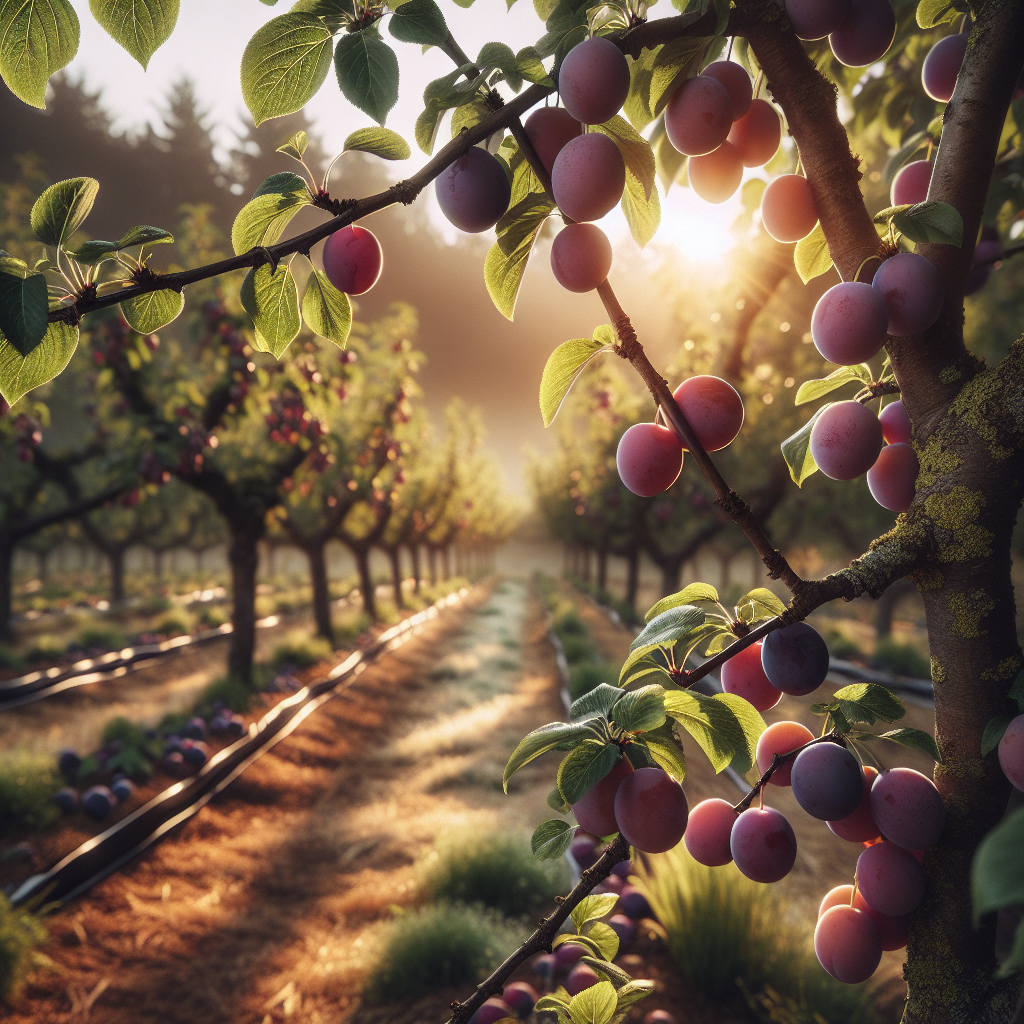
Plum
Plum is a versatile temperate fruit tree valued for fresh eating, drying, preserves, and high-value market sales. Successful plum production depends on matching cultivar type to climate, managing bloom-time frost risk, maintaining balanced soil moisture, and pruning for light penetration and disease control.
View Guide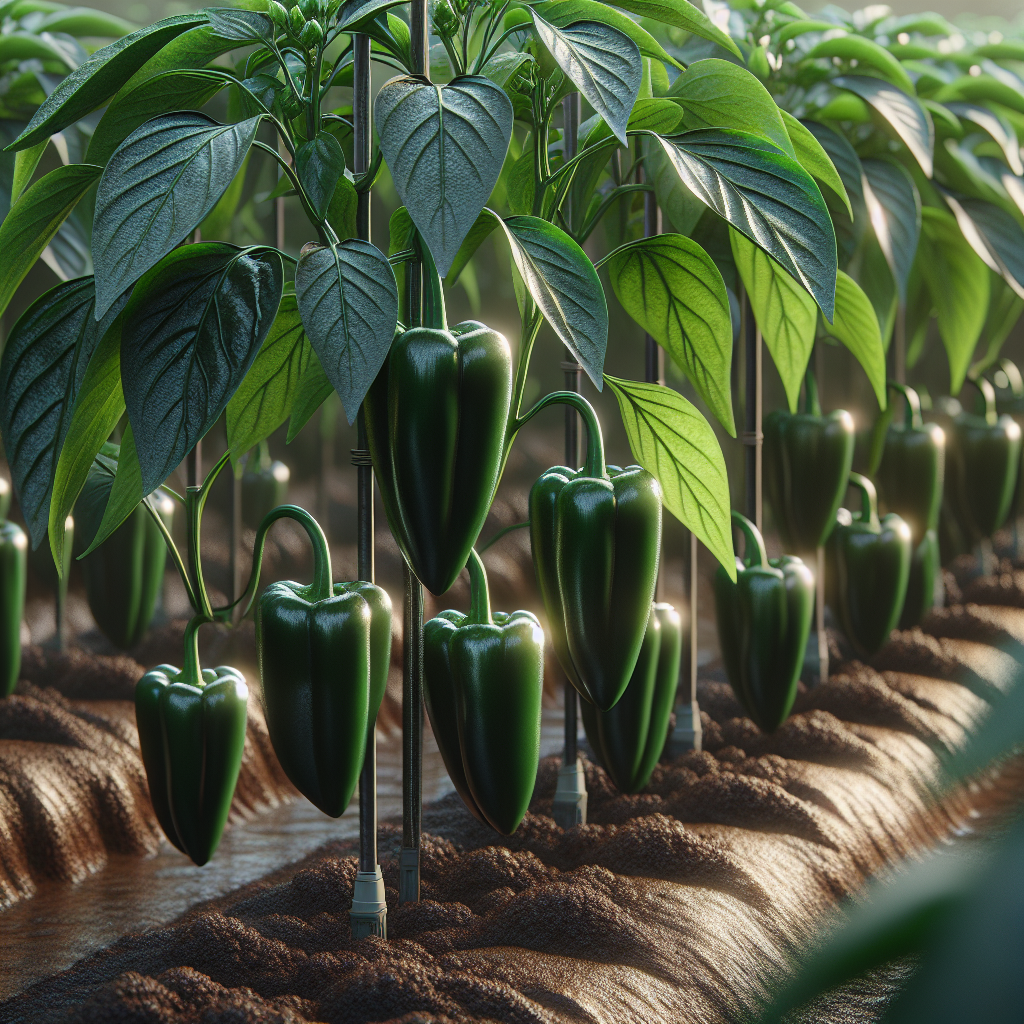
Poblano Pepper
Poblano pepper is a mild to moderately pungent chili valued for its large, heart-shaped fruits, thick walls, and rich, earthy flavor. Best known in Mexican cuisine as the fresh poblano and, when dried, as ancho, it performs exceptionally well in warm, frost-free conditions with fertile, well-drained soil and consistent moisture.
View Guide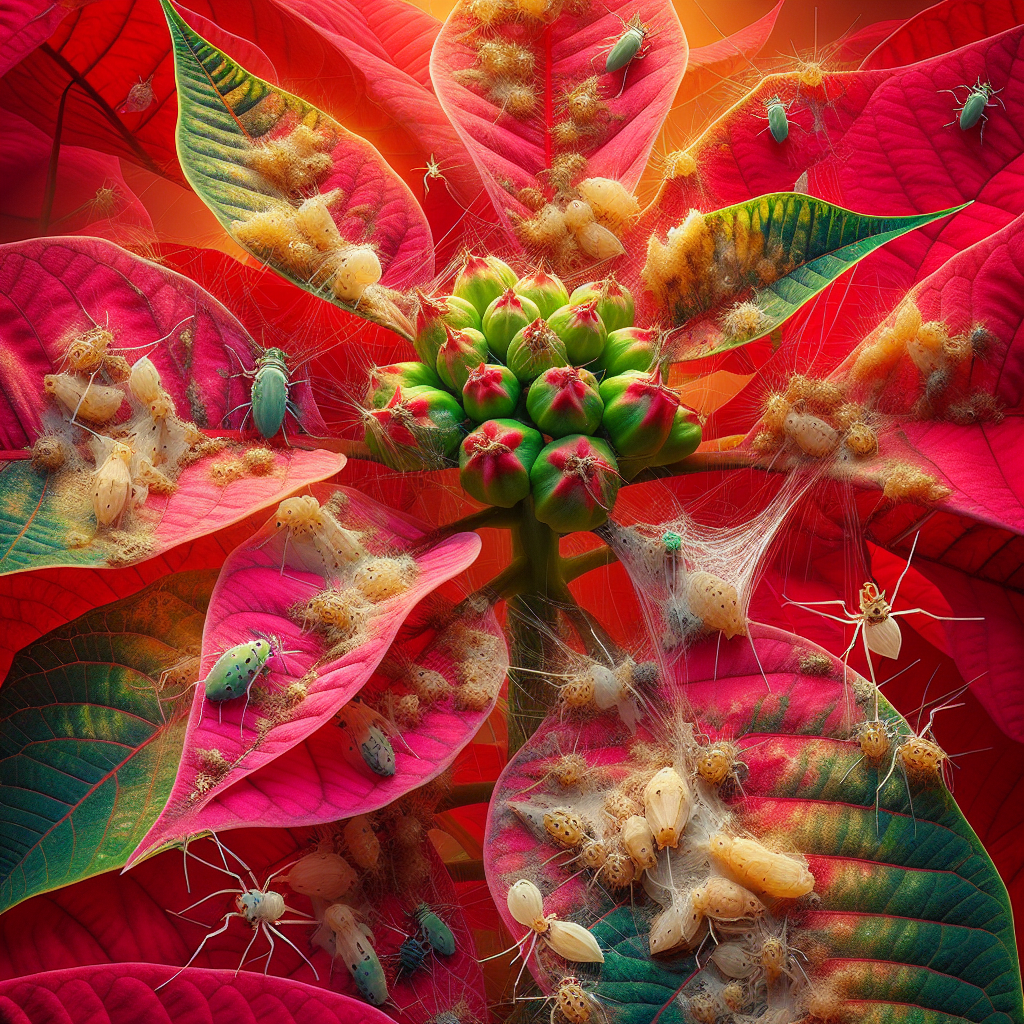
poinsettia
Poinsettia (Euphorbia pulcherrima) is a popular ornamental plant often plagued by pests like whiteflies, aphids, and spider mites, which cause leaf yellowing, wilting, and stunted growth. This guide provides definitive diagnostic methods, lifecycle insights, organic management strategies, and prevention tips for growers facing poinsettia pest outbreaks. Learn to identify symptoms early and protect your holiday crops effectively.
View Guide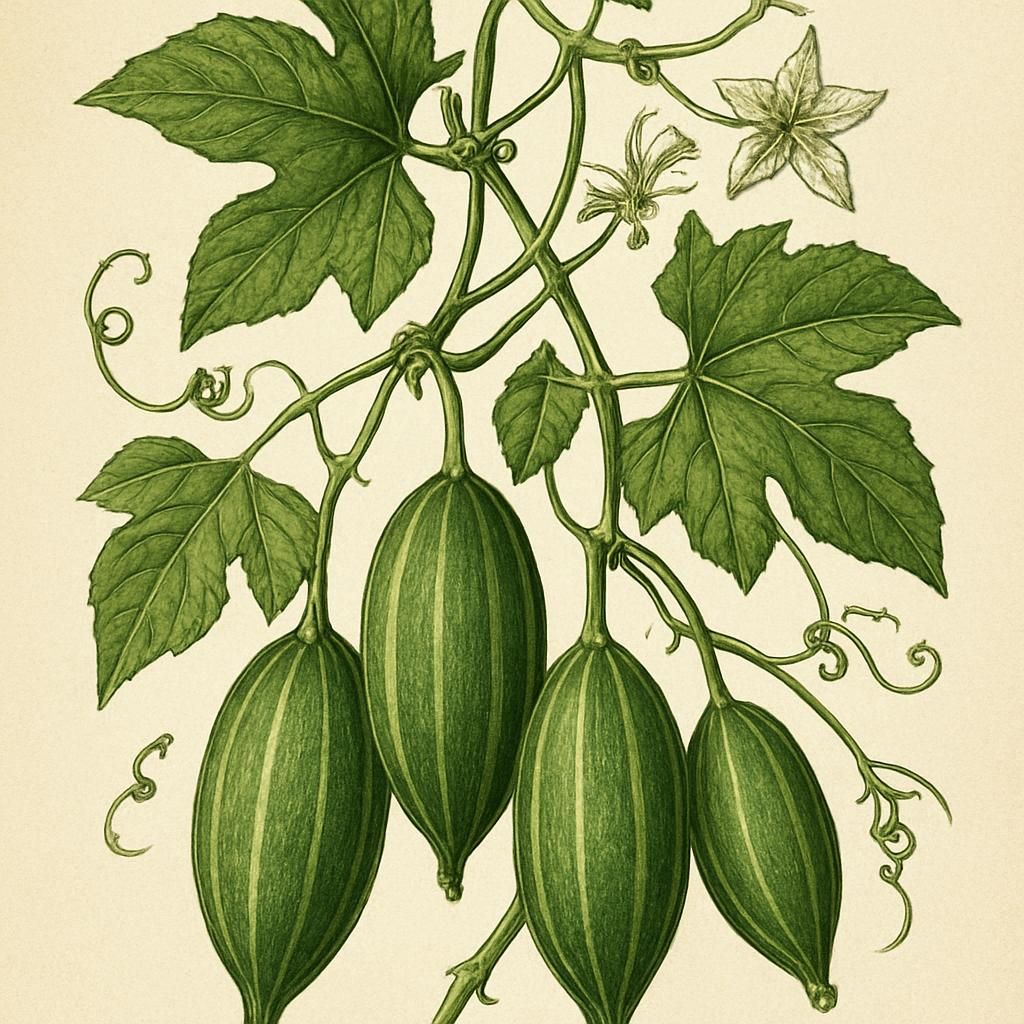
Pointed Gourd (Parwal)
Pointed Gourd, commonly known as Parwal, is a perennial vine known for its culinary and medicinal uses. It thrives in tropical climates and is popular in Indian cuisine.
View Guide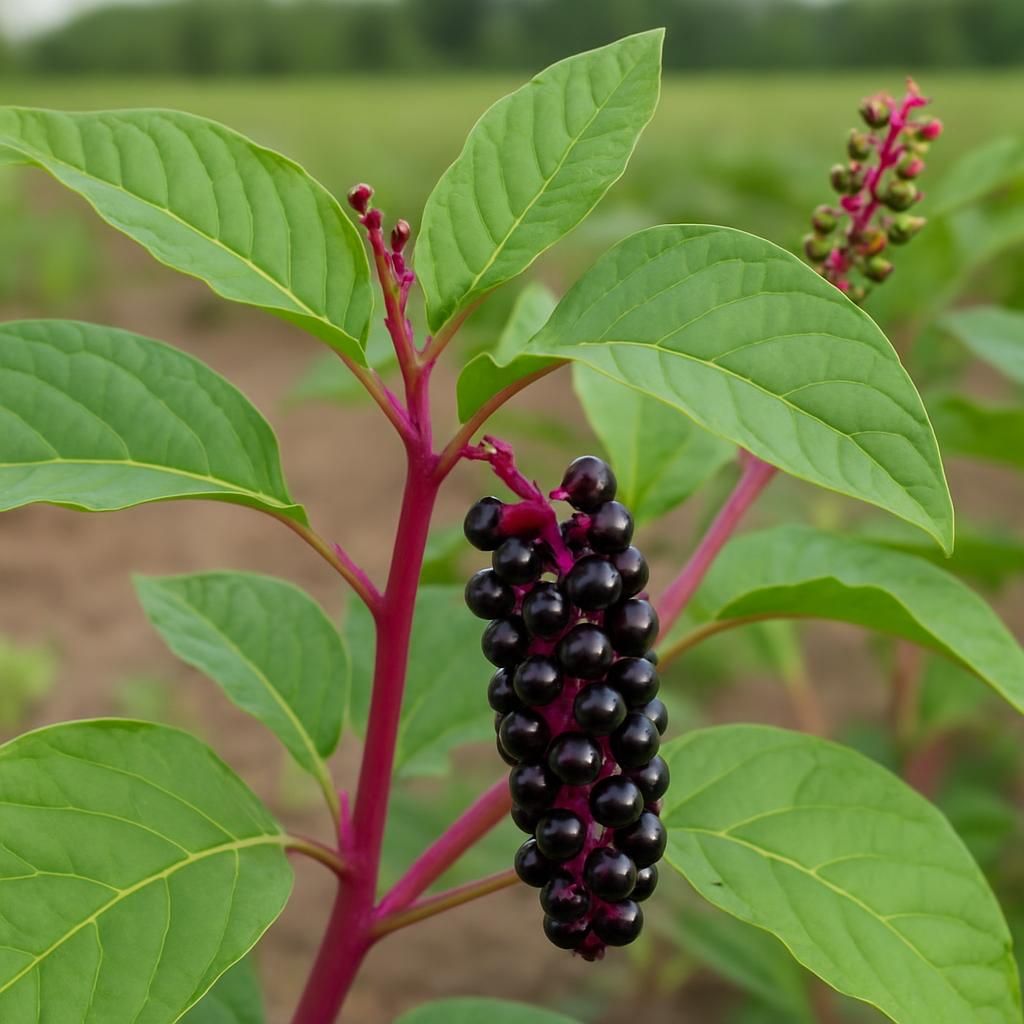
Poke Root
Poke Root is a vigorous perennial herb native to eastern North America, historically valued for its striking magenta stems and roots but now recognized primarily for its extreme toxicity and limited ornamental or ecological roles. This guide delivers professional-grade growing information including soil specifications, propagation protocols, and organic pest management while emphasizing safety due to the plant's poisonous nature.
View Guide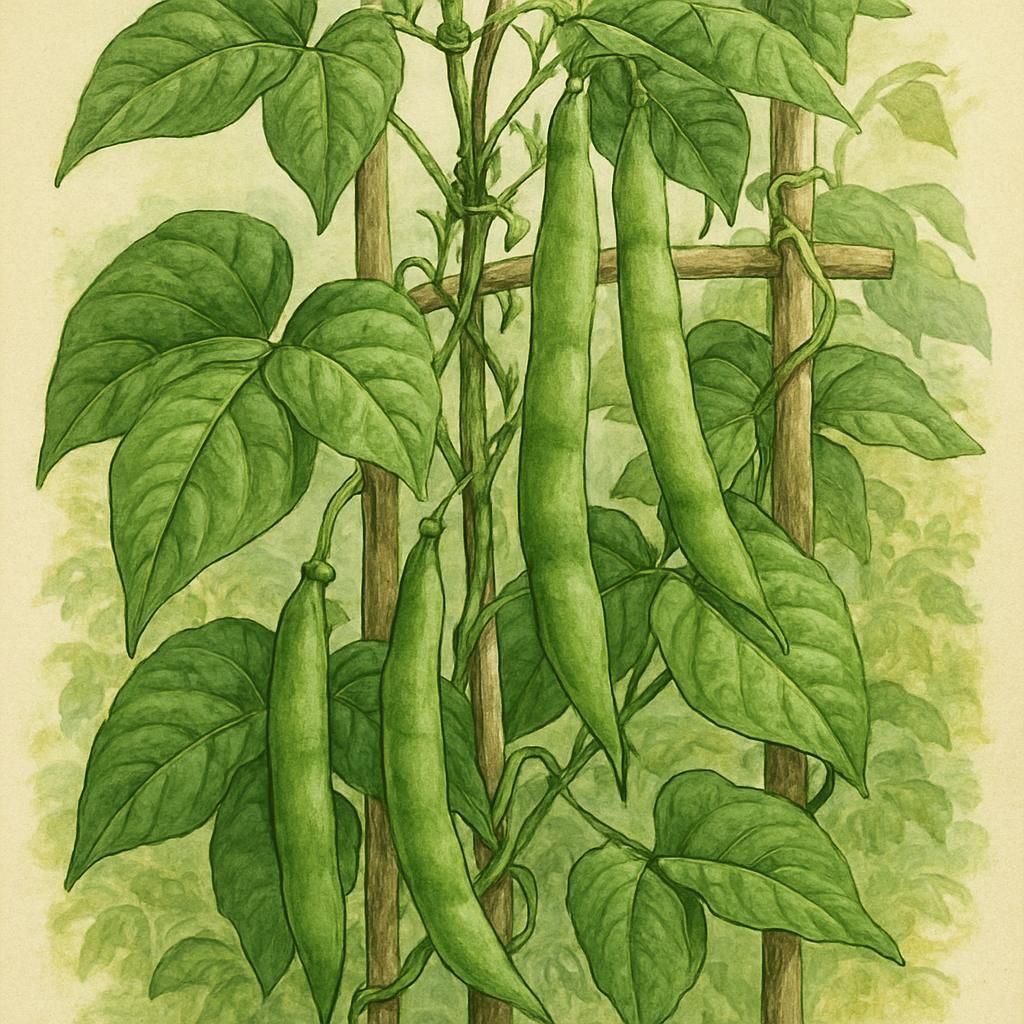
Pole Bean (Blue Lake 74)
The Pole Bean (Blue Lake 74) is a vigorous and reliable cultivar known for its exceptional flavor and productivity. It thrives in warm climates and is well-suited for vertical gardening, producing tender green pods that are easy to harvest.
View Guide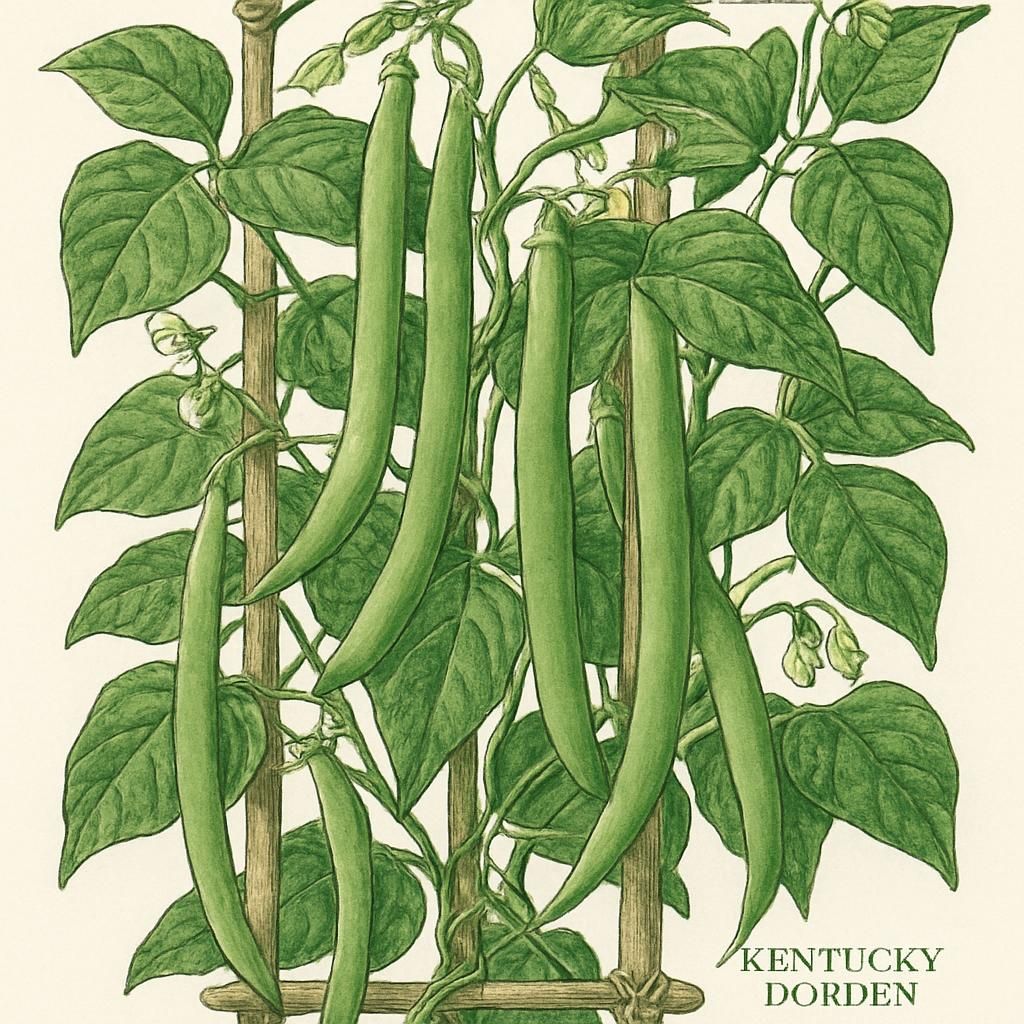
Pole Bean (Kentucky Wonder)
Kentucky Wonder Pole Beans are a prolific heirloom variety known for their long vines and high yield of tender, stringless beans. Suitable for various climates, they are a popular choice among gardeners looking to maximize vertical space.
View Guide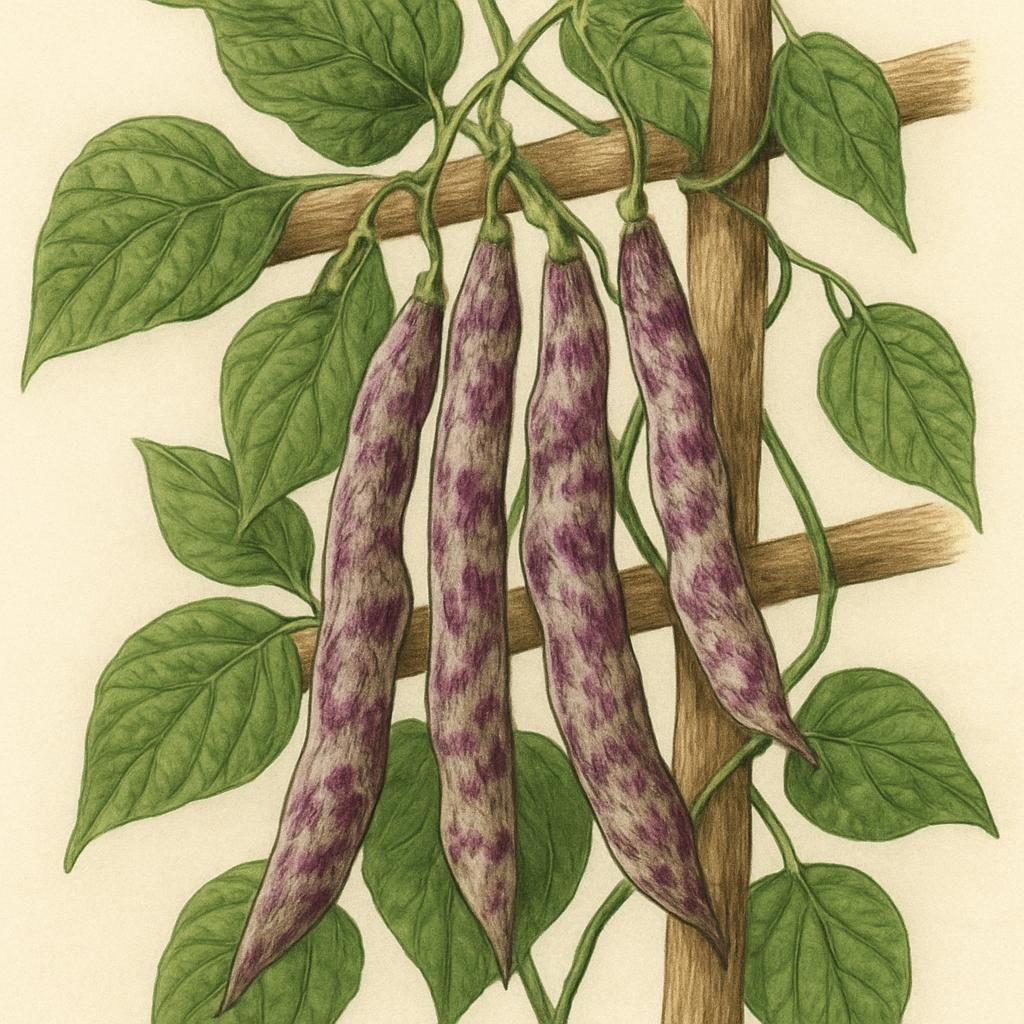
Pole Bean (Rattlesnake)
Pole Bean (Rattlesnake) is a vigorous climbing bean variety known for its striking purple and green speckled pods. It thrives in warm climates and requires support for optimal growth, making it a popular choice for gardeners looking to maximize vertical space.
View Guide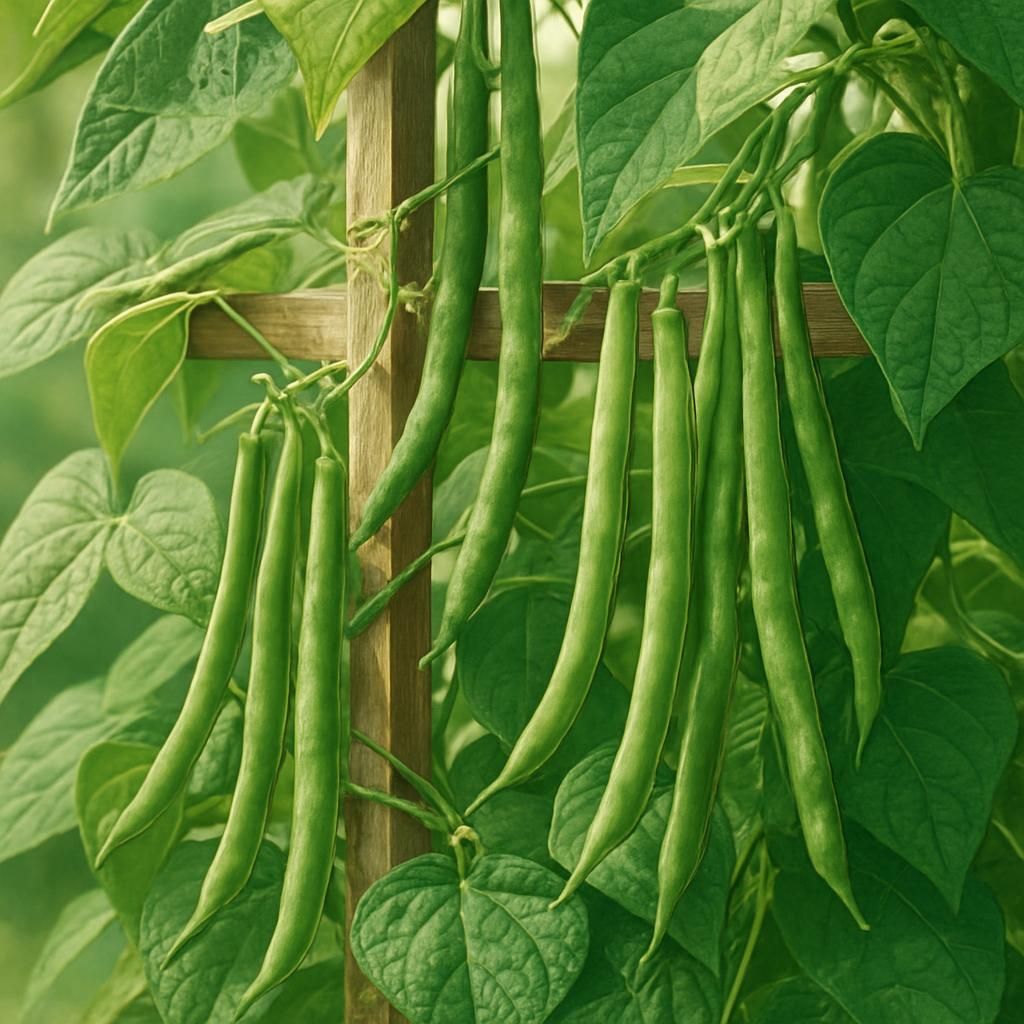
Pole Beans
Pole beans are vigorous climbing legumes that produce abundant, tender pods on vertical supports. They offer higher yields per square foot than bush varieties and improve soil fertility through nitrogen fixation. This guide covers every stage from soil preparation to storage for commercial and home growers alike.
View Guide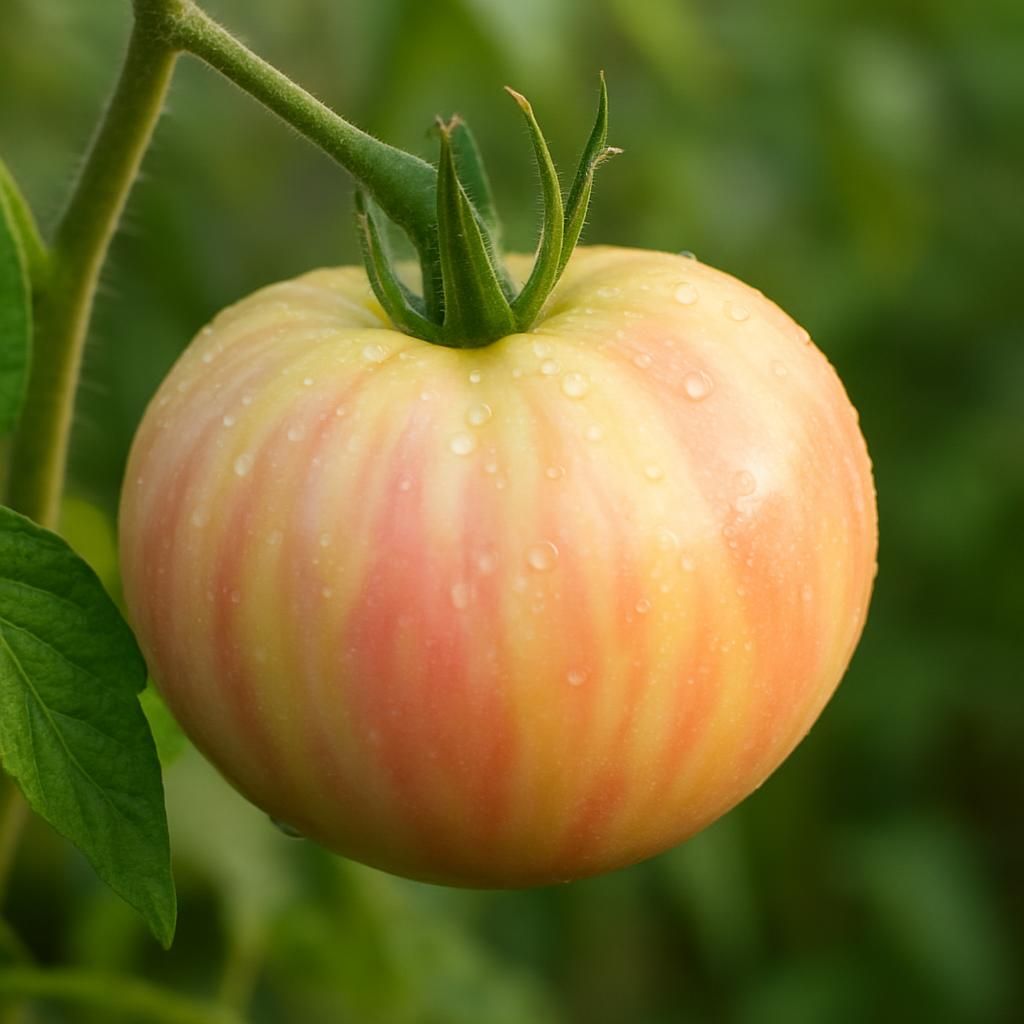
Polish Pastel Tomato
Polish Pastel Tomato is a rare, open-pollinated heirloom variety prized for its pastel pink, yellow, and cream marbled fruits with exceptional sweet-tart flavor. This indeterminate tomato produces high yields of medium-to-large beefsteak-type fruits that ripen over an extended season. Growers value its unique coloration, disease resistance, and suitability for both fresh eating and gourmet markets.
View Guide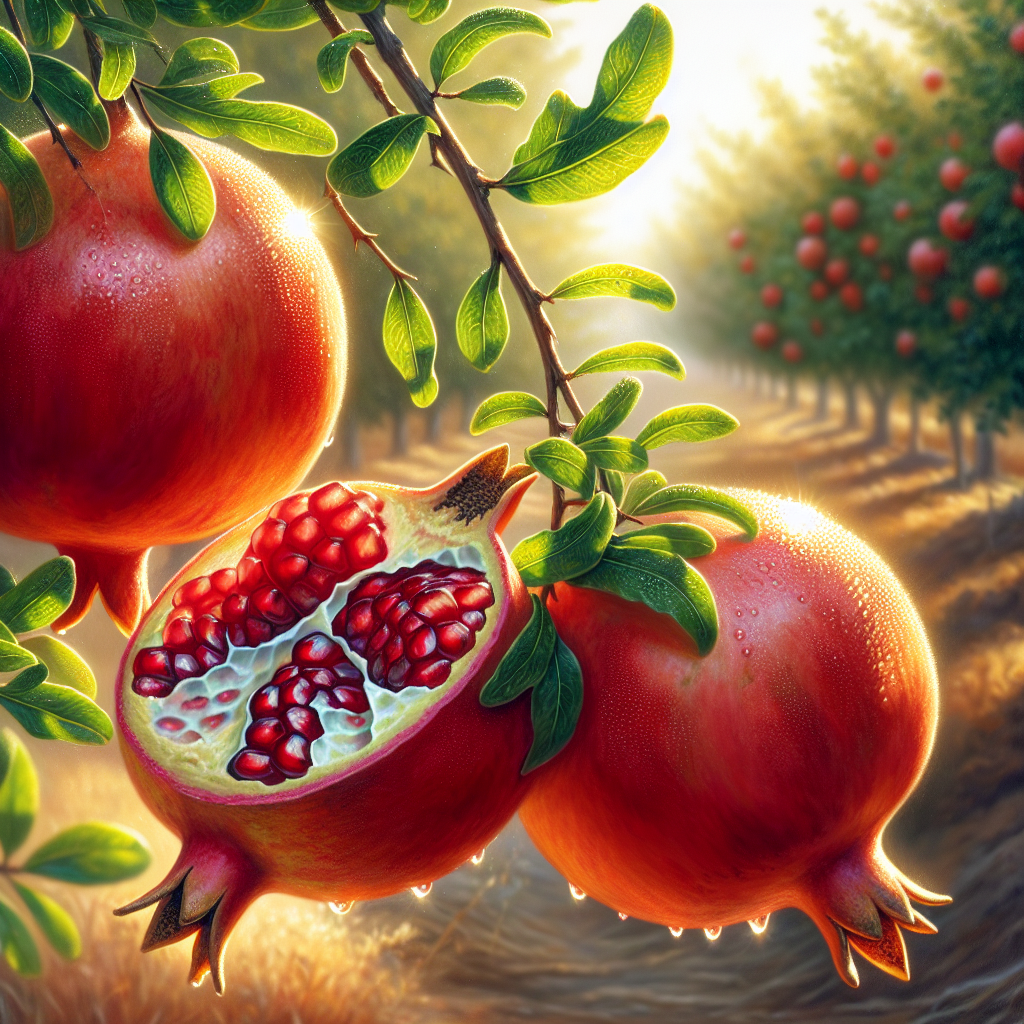
Pomegranate
Pomegranate (Punica granatum) is a nutrient-dense, drought-tolerant fruit tree celebrated for its vibrant red arils and medicinal properties. Thriving in arid climates, it offers high yields with minimal care once established, making it ideal for home orchards and commercial groves. This guide provides expert techniques for propagation, pest management, and harvesting to maximize productivity.
View Guide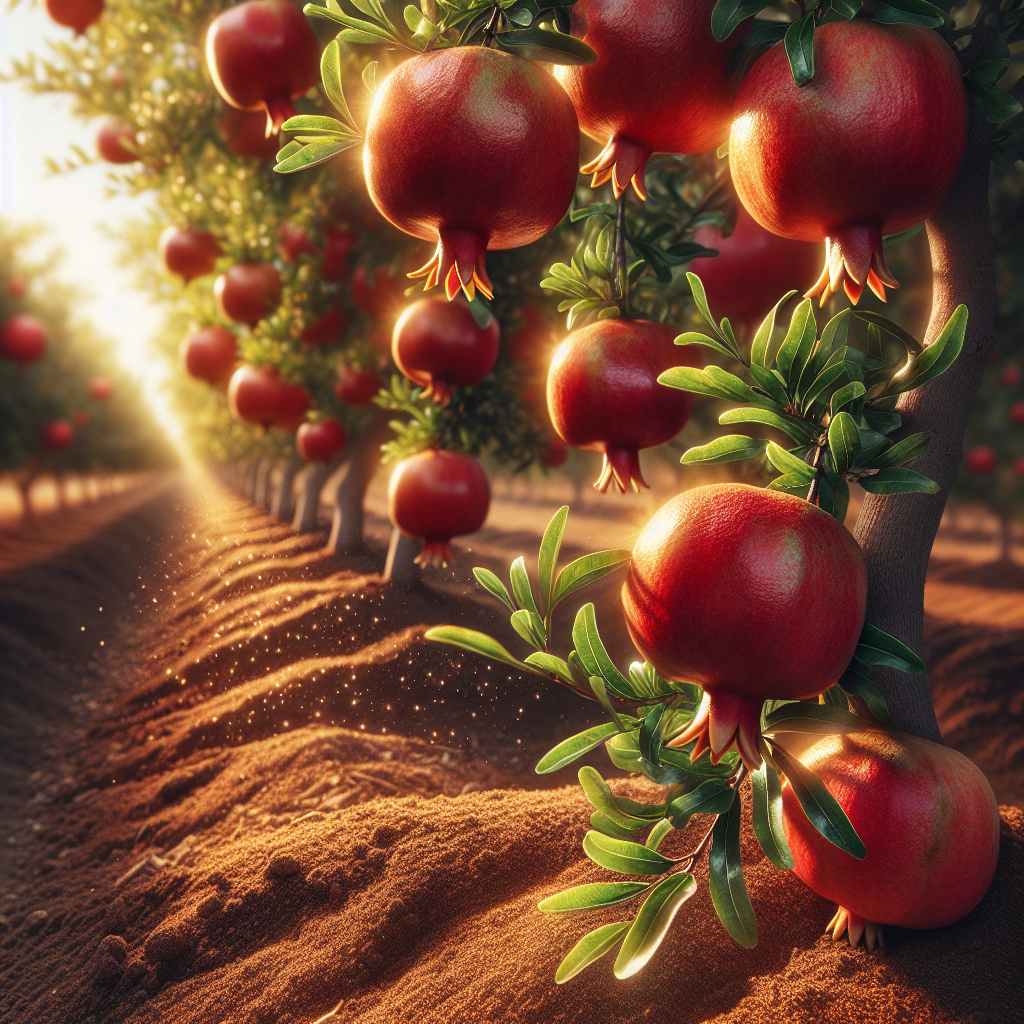
Pomegranate (Angel Red)
Angel Red is a premium soft-seeded pomegranate cultivar valued for its vivid red rind, deep ruby juice, sweet flavor, and comparatively early ripening. It performs best in warm, dry climates with intense sun, excellent drainage, and disciplined irrigation that avoids water stress swings during fruit development.
View Guide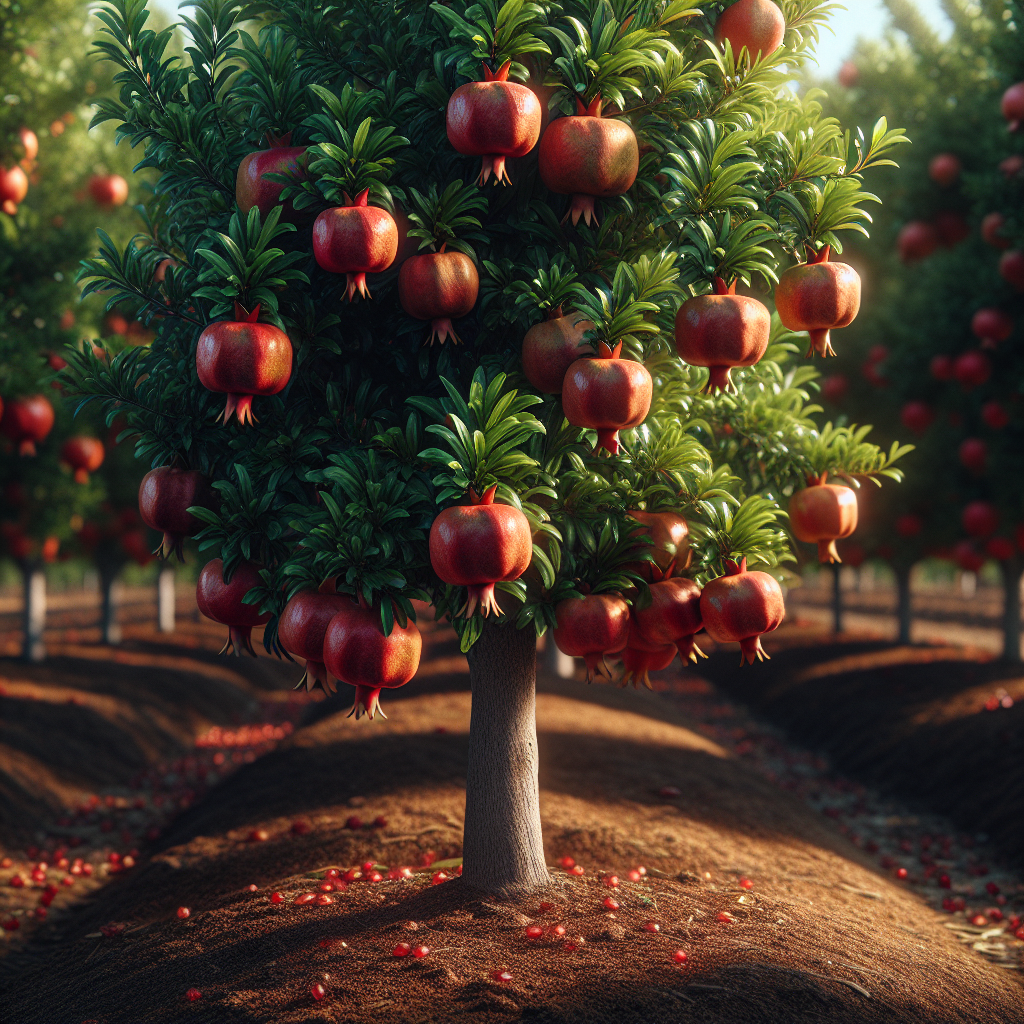
Pomegranate (Parfianka)
Parfianka is a premium pomegranate cultivar valued for its bright red rind, soft seeds, high juice content, and rich sweet-tart flavor. It is notably productive, attractive, and adaptable to warm temperate and Mediterranean-style climates, making it one of the best fresh-eating pomegranates for home orchards and small farms.
View Guide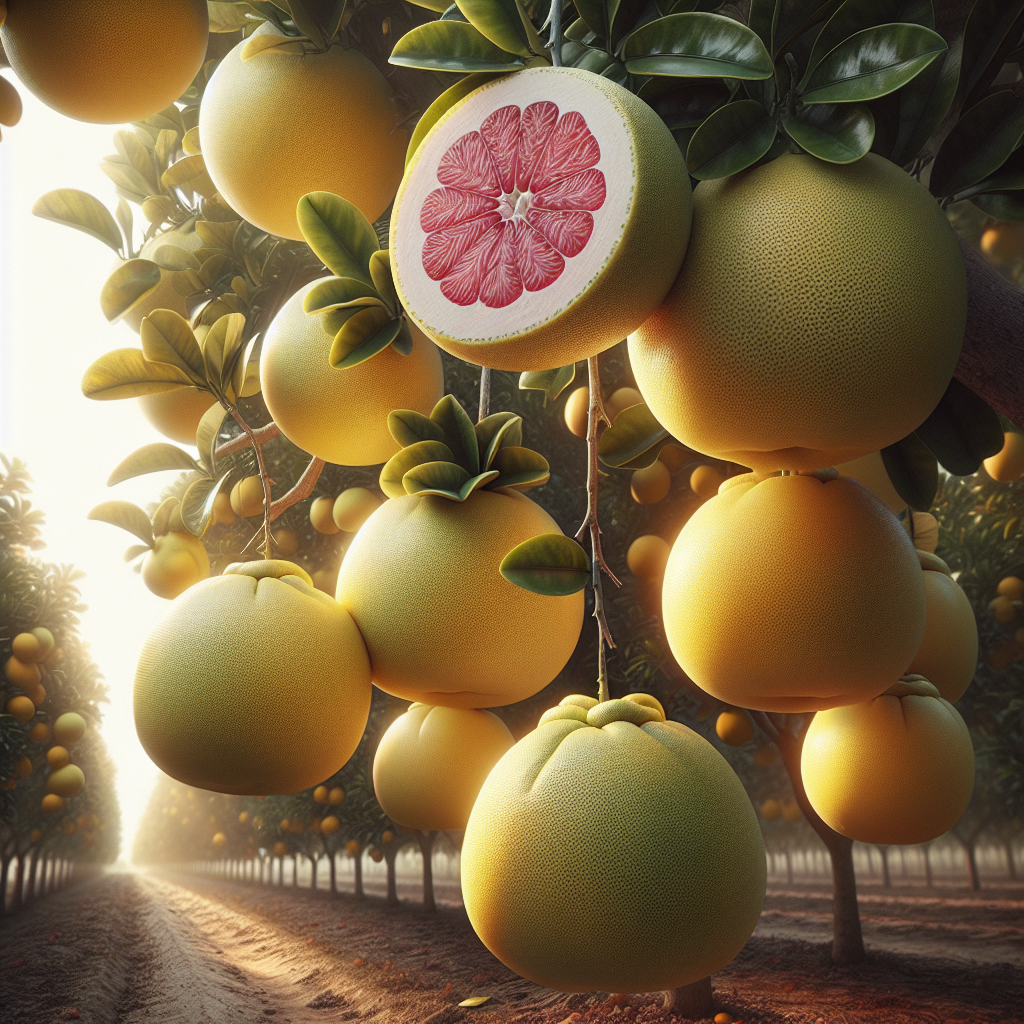
Pomelo (Chandler)
Chandler pomelo is a premium, pink-fleshed pomelo cultivar valued for its large fruit, balanced sweetness, low bitterness, and reliable performance in warm citrus-growing regions. With proper site selection, careful irrigation, and disciplined nutrient management, it can become a highly productive long-lived tree for home orchards and commercial plantings alike.
View Guide
Ponni Rice (Thanjavur)
Ponni Rice, known for its aromatic and lightweight grain, is primarily grown in the Thanjavur district of Tamil Nadu, India. It thrives in rich, clayey loam soils and is a staple in many South Indian cuisines.
View Guide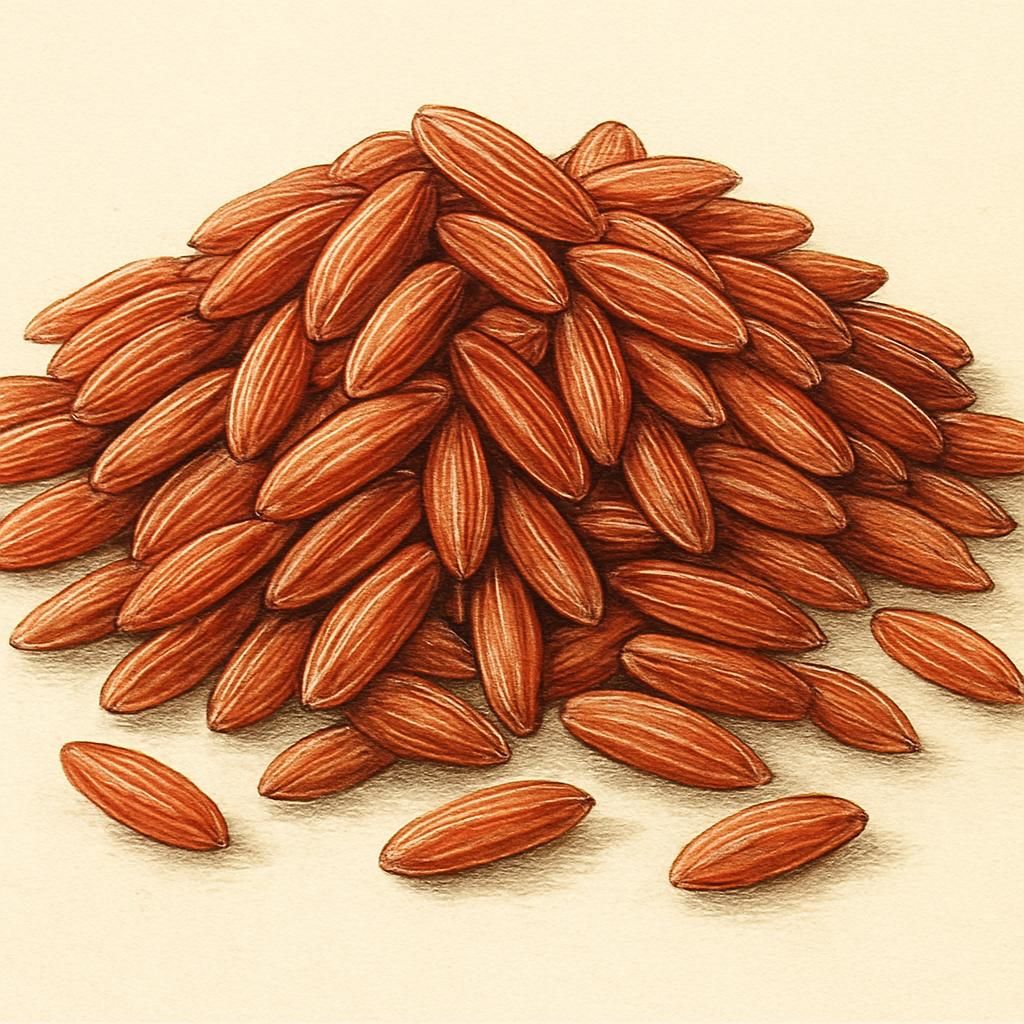
Poongar Rice
Poongar Rice is a traditional, indigenous variety revered for its resilience and health benefits. Known for its red hue and nutritional superiority, Poongar Rice thrives in diverse conditions and boasts a rich cultural heritage.
View Guide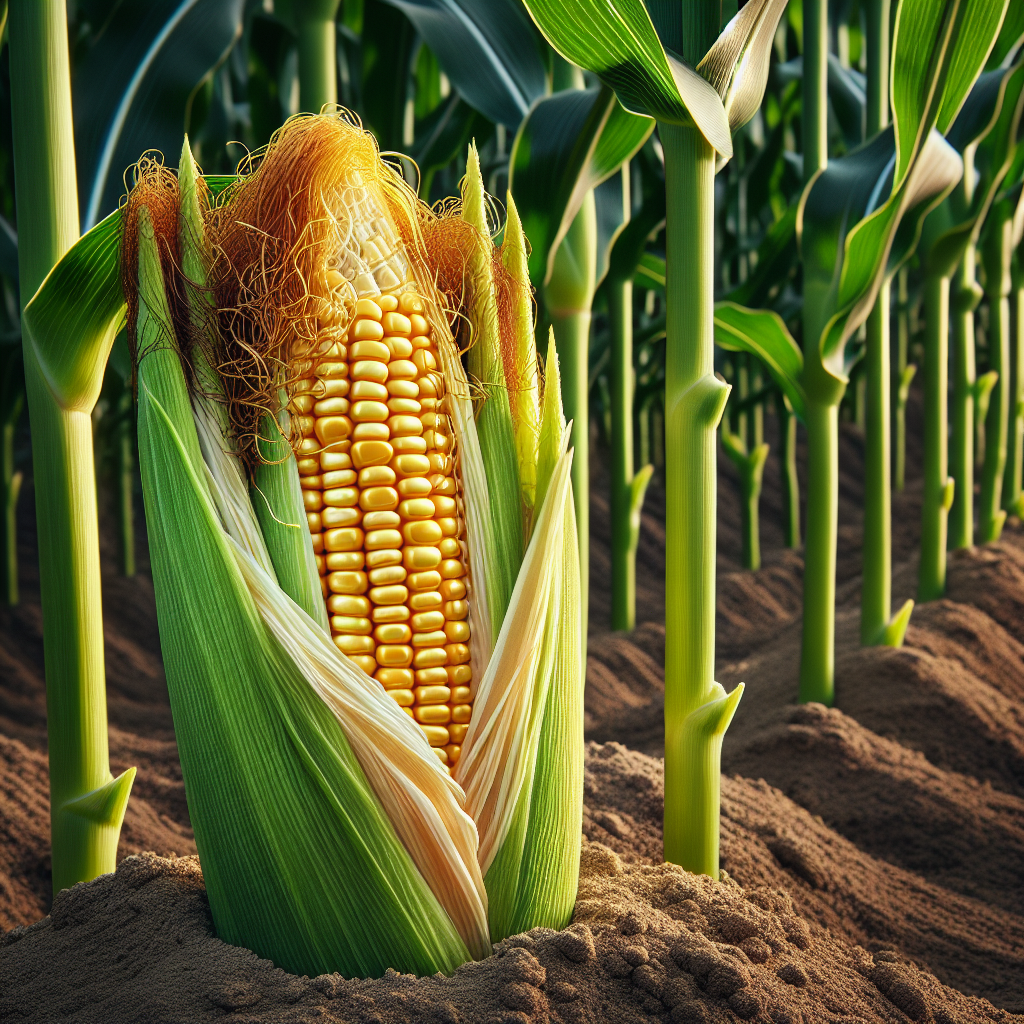
Popcorn (Orville Redenbacher)
Popcorn (Orville Redenbacher) is a premium popping corn type selected for strong expansion, tender flakes, and reliable kitchen performance when grown and dried correctly. Although managed similarly to field corn, it requires more careful attention to pollination, kernel maturity, and post-harvest moisture to achieve the crisp hull integrity and internal steam pressure needed for excellent popping.
View Guide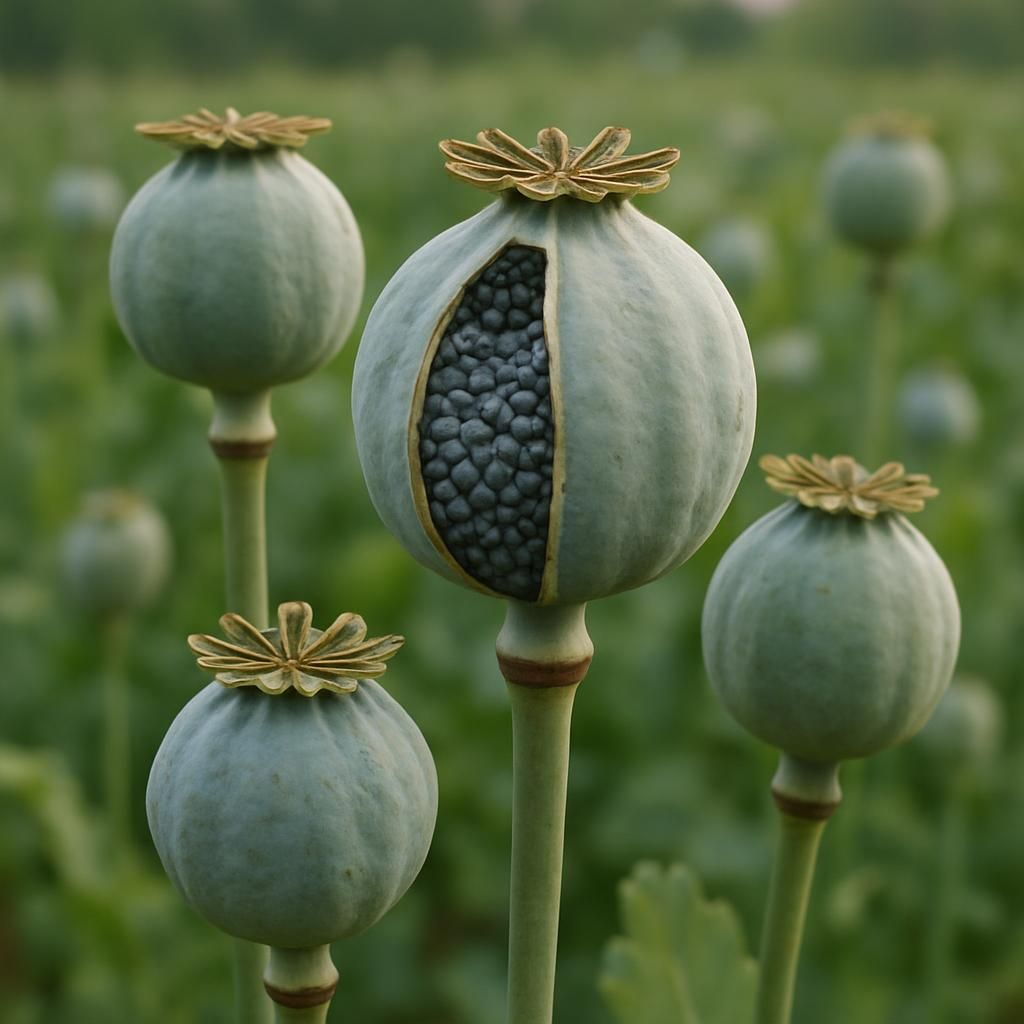
Poppy Seed (Blue)
Blue poppy seed (Papaver somniferum) is a cool-season annual grown primarily for its oil-rich seeds used in baking and culinary applications. The crop produces attractive flowers before forming distinctive capsules that contain thousands of tiny blue-grey seeds. Professional growers value it for its short cycle, high-value seed market, and usefulness in rotation systems.
View Guide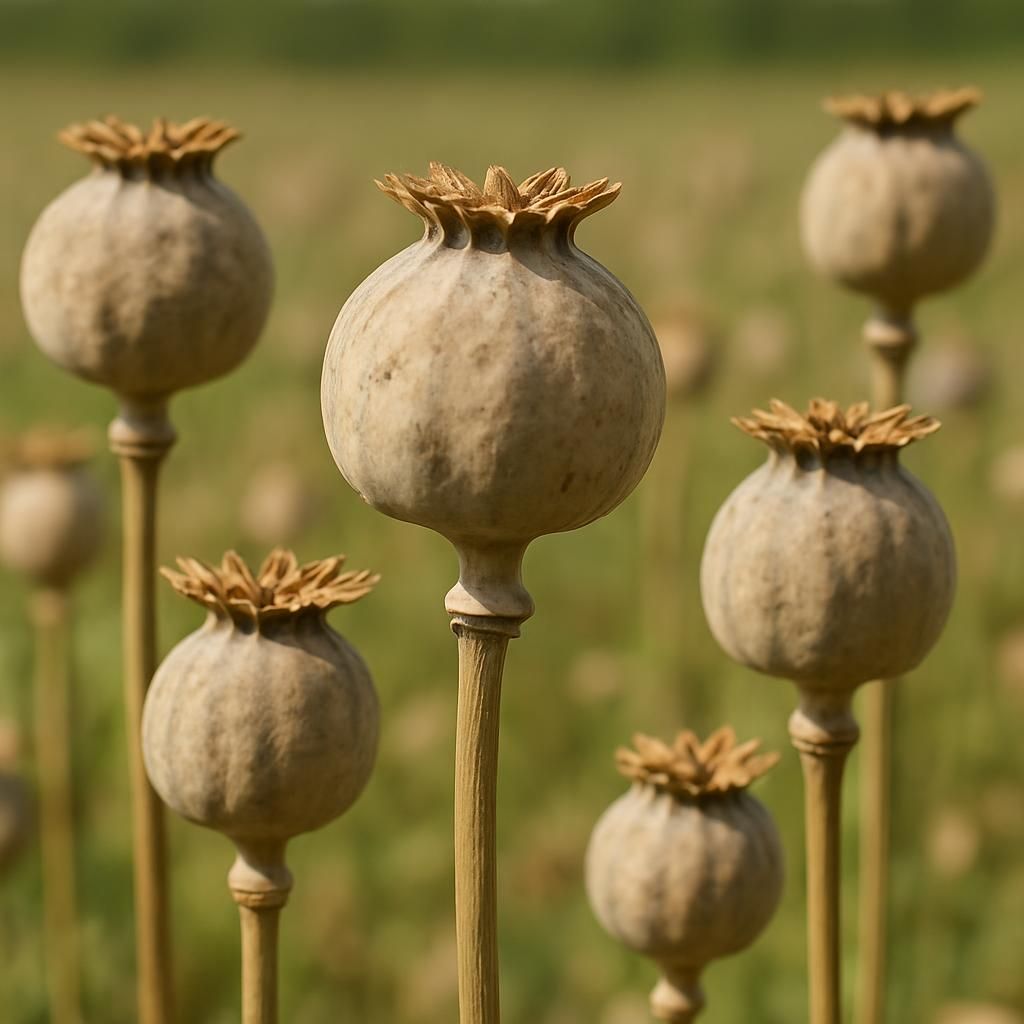
Poppy Seed (Breadseed)
Breadseed poppy is a cool-season annual grown primarily for its oil-rich seeds used in baking and culinary applications. This guide covers complete cultivation from soil preparation through harvest and storage.
View Guide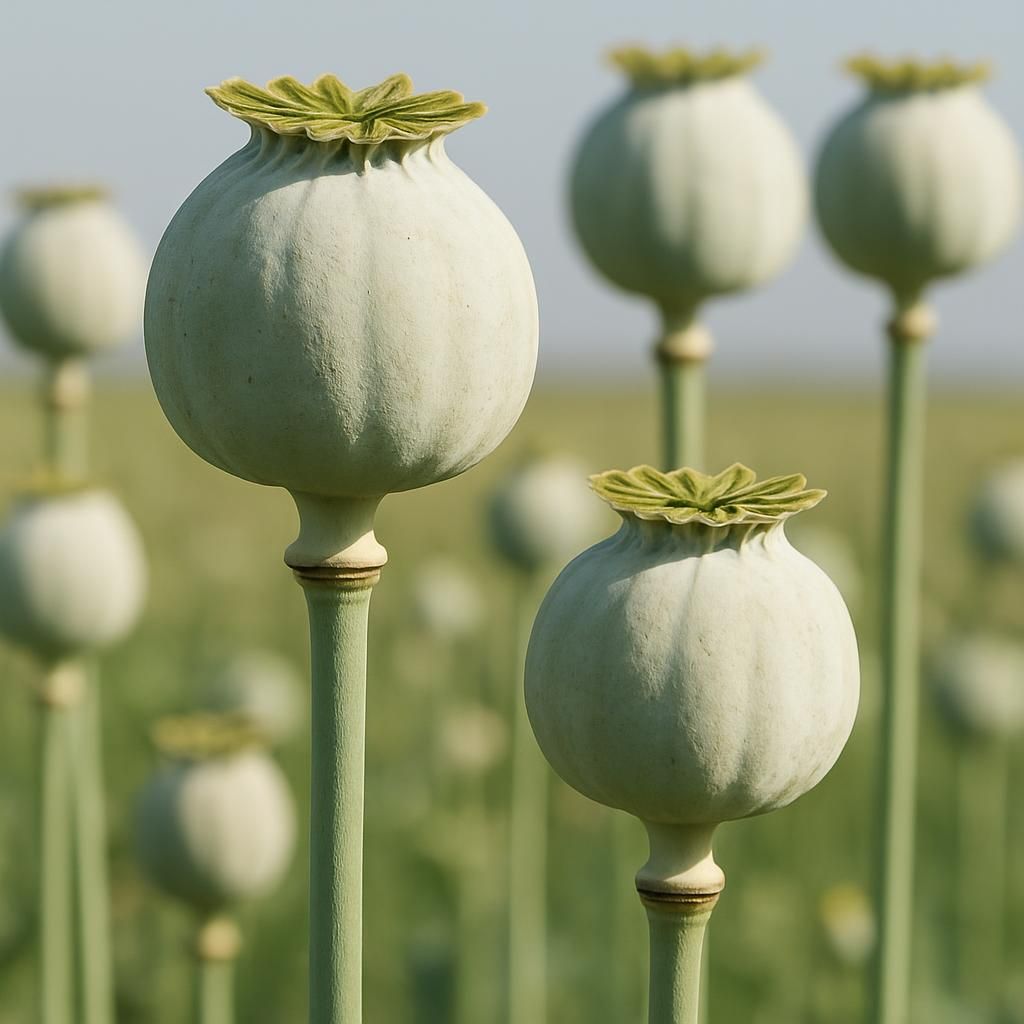
Poppy Seed (White)
White poppy seed (Papaver somniferum var. album) is a high-value oilseed and culinary crop prized for its mild flavor and high oil content. The guide covers complete production practices from soil preparation through harvest and storage, delivering professional-grade advice for commercial and serious home growers.
View Guide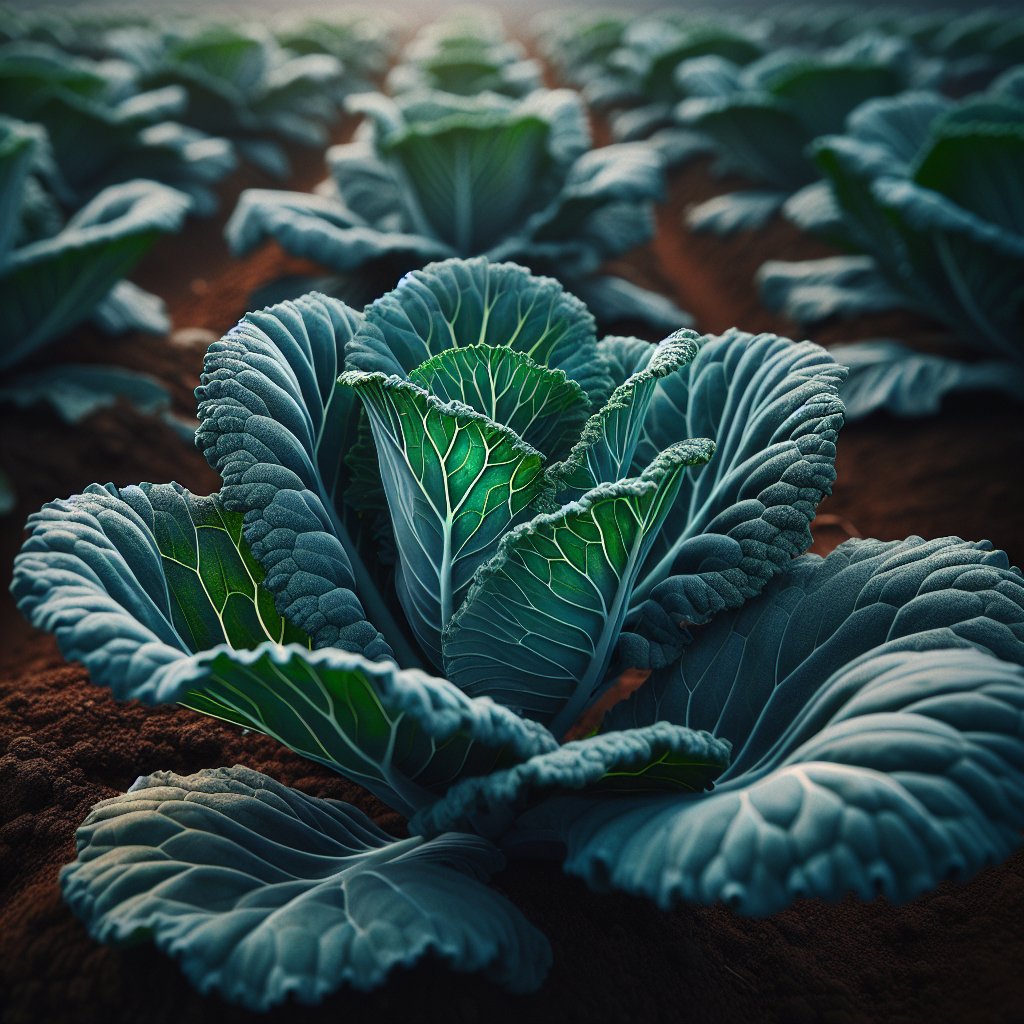
Portuguese Kale
Portuguese kale is a tender-leaved, non-heading brassica traditionally associated with the caldo verde soups of Portugal. It grows much like other kales, but its broad, smooth leaves, strong regrowth, and cool-season sweetness make it especially valuable for repeated harvests in gardens and small farms.
View Guide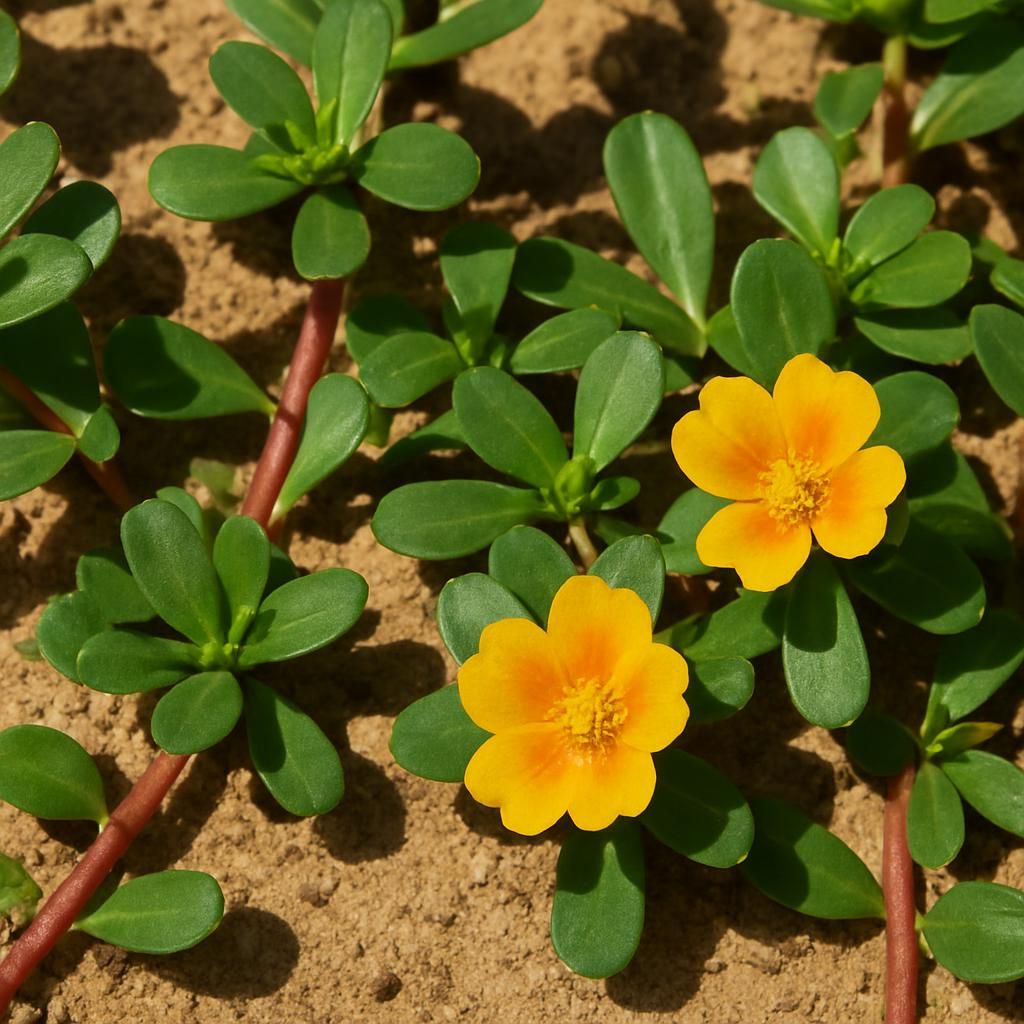
Portulaca
Portulaca, commonly known as purslane, is a heat-loving succulent annual valued for its edible leaves, vibrant flowers, and exceptional drought tolerance. This low-growing crop thrives in poor soils and full sun, making it an ideal choice for sustainable gardens and commercial production in arid climates. Its rapid growth and nutritional density position it as both a resilient vegetable and an attractive ornamental groundcover.
View Guide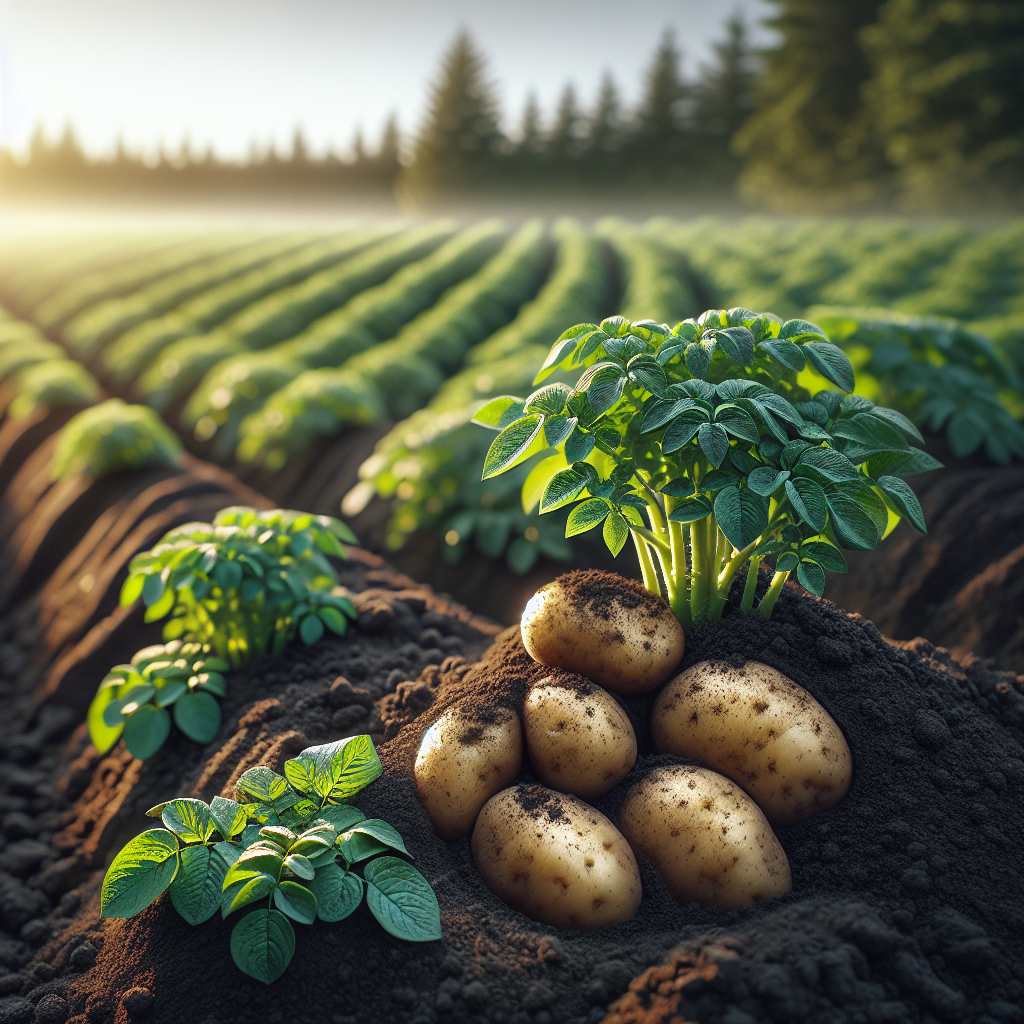
Potato
Potato is a cool-season tuber crop prized for its high productivity, storage potential, and culinary versatility. Although often considered simple to grow, producing clean, high-yielding, disease-free tubers requires careful attention to seed quality, soil structure, moisture consistency, fertility balance, and hilling practices.
View Guide