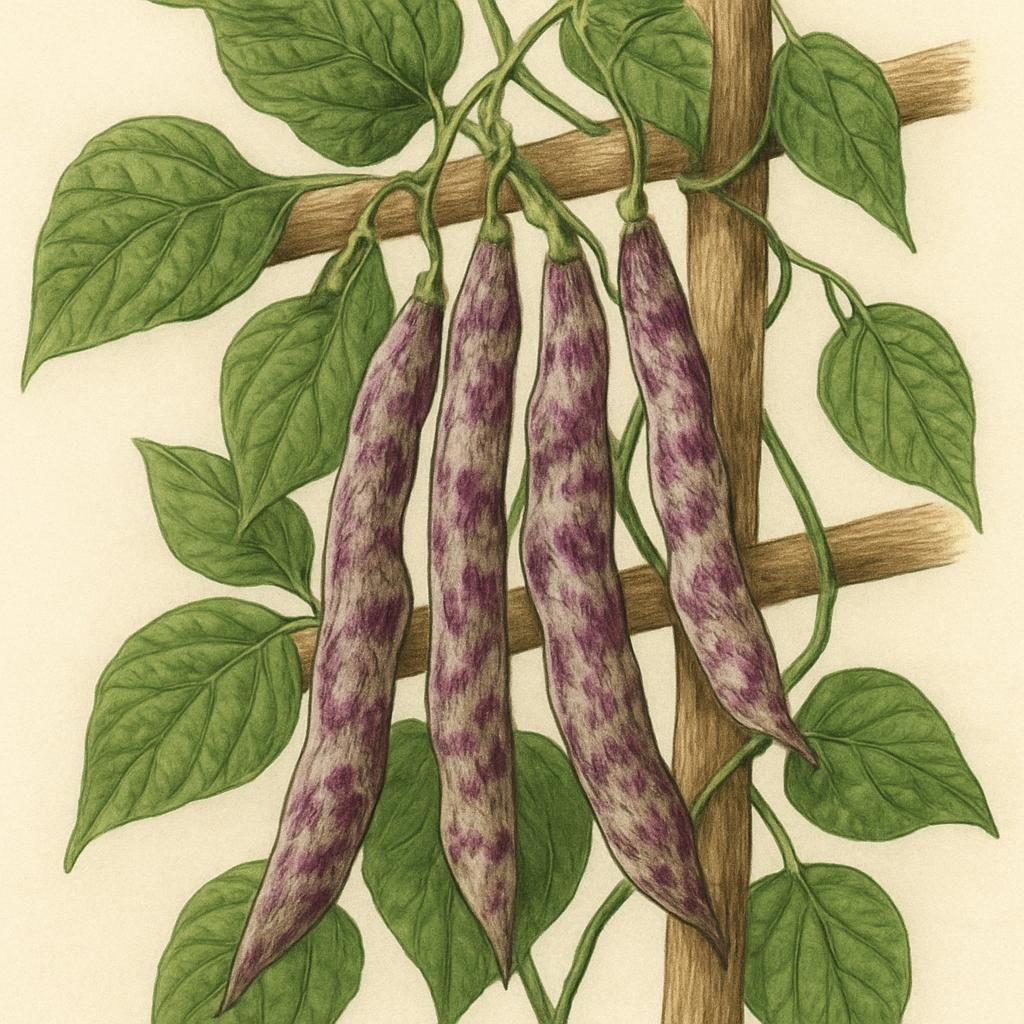
Introduction to Pole Bean (Rattlesnake)
The Pole Bean (Rattlesnake) is a beloved heirloom variety renowned for its adaptability and productivity. This climbing bean gets its name from the distinct purple speckles on its green pods, reminiscent of a rattlesnake's skin. Ideal for vertical gardening, it can be a perfect choice for those seeking to make the most of limited space.
Botanical Profile of Pole Bean (Rattlesnake)
The Rattlesnake pole bean is scientifically referred to as Phaseolus vulgaris. This annual vine can grow as high as 10 feet, given proper support. The beans are typically harvested when they are young and tender, but they can also be allowed to mature for dry beans. The pods offer a nutty flavor, making them a versatile addition to various culinary dishes.
Soil, pH, and Climate Requirements for Pole Bean (Rattlesnake)
To thrive, the Rattlesnake bean requires specific environmental conditions, largely revolving around well-drained soil and abundant sunlight. The following table outlines the ideal conditions:
| Factor | Ideal Conditions |
|---|---|
| Sunlight | Full sun |
| Soil Type | Loamy, well-drained |
| Soil pH | 6.0 - 7.5 |
| Temperature Range | 70°F - 85°F (21°C - 29°C) |
| Humidity | Moderate |
Step-by-Step Planting & Propagation
- Site Selection: Choose a sunny location with a trellis or support system ready for the climbing vines.
- Soil Preparation: Prior to planting, supplement the soil with compost or well-rotted manure to enrich its nutrient content.
- Sowing: Direct sowing is preferred after the last frost. Plant seeds about an inch deep, spaced approximately 4 to 6 inches apart.
- Watering Post-Sowing: Water evenly until germination, ensuring that the soil remains moist but not waterlogged.
- Training the Vines: As the plant grows, guide the vines onto the trellis to optimize space and sun exposure.
Care & Maintenance regimes for Pole Bean (Rattlesnake)
Effective care enhances yield and plant health. Here is a recommended schedule:
| Activity | Frequency | Details |
|---|---|---|
| Watering | Weekly, deep | 1 inch per week, deeper during dry spells |
| Fertilizing | Every 4-6 weeks | Use a balanced fertilizer like 10-10-10 NPK |
| Pruning | As needed | Remove any damaged or diseased foliage |
Pests, Diseases & Organic Management
Rattlesnake beans are susceptible to various pests and diseases, such as Spider Mites and powdery mildew. Organic management techniques include:
- Neem Oil: Effective against spider mites and general pest control.
- Companion Planting: Planting with strong-scent herbs like Rosemary to deter pests.
- Cultural Controls: Ensuring proper air circulation by spacing plants adequately can reduce powdery mildew incidences.
Harvesting, Curing & Optimal Storage
- Harvesting: Begin picking beans when they reach about 6 inches in length and are tender. Regular harvesting encourages further production.
- Curing: For dry beans, allow the pods to mature and dry on the vine before picking.
- Storage: Fresh beans can be kept in the refrigerator for up to a week. Dry beans should be stored in airtight containers in a cool, dry place.
Companion Planting for Pole Bean (Rattlesnake)
Companion planting can enhance growth and pest resistance. Suitable companions include Corn and Cucumbers which can support or benefit from the climbing habit and nitrogen-fixation of beans. Avoid planting near Onions and Garlic as they could impede bean growth.
For further insights on companion planting strategies and their benefits, explore Summer Companion Planting: 10 Organic Pairings to Boost Small Farm Resilience.
For a greater understanding of the Pole Bean (Rattlesnake), consider its broader place within the plant family, like the Kentucky Wonder Pole Bean, as other varieties share similar growing conditions and challenges.