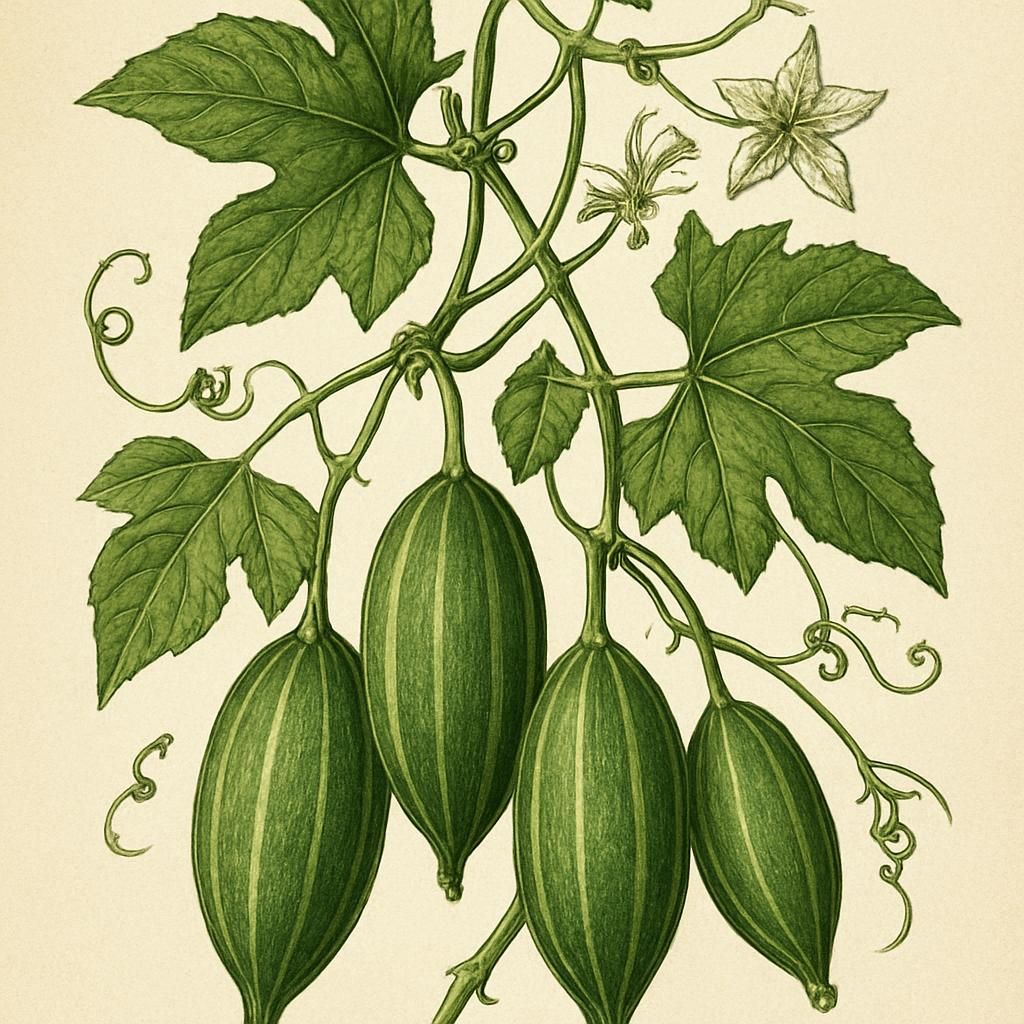
Introduction to Pointed Gourd (Parwal)
Pointed Gourd, also known as Parwal, is a tropical vine widely cultivated for its small, pointed, and fleshy fruits. Native to the Indian subcontinent, Parwal is an essential ingredient in Indian cuisine, appreciated for its versatility and nutritional value. The plant is revered not only for its culinary uses but also for its contribution to medicinal remedies.
Botanical Profile of Pointed Gourd (Parwal)
Botanically classified as Trichosanthes dioica, the Pointed Gourd belongs to the Cucurbitaceae family. This perennial climber showcases heart-shaped leaves and produces small yellow flowers. The fruits are green, cylindrical, and pointed at both ends, with a crunchy texture and mild flavor.
Soil, pH, and Climate Requirements for Pointed Gourd (Parwal)
Pointed Gourd requires specific soil and climate conditions to thrive optimally. Here is a detailed table of the ideal growing conditions:
| Factor | Ideal Condition |
|---|---|
| Soil Type | Well-drained loamy or sandy loam |
| Soil pH | 6.0 to 7.5 |
| Climate | Tropical and subtropical |
| Temperature | 25°C to 35°C (optimal during growth) |
| Rainfall | 1000 to 1500 mm annually |
Step-by-Step Planting & Propagation
Propagation Method: Parwal is typically propagated through vine cuttings rather than seeds. Select healthy, disease-free vines for cuttings. Ensure each cutting is at least 30-40 cm long with 2-3 nodes.
Preparation of Planting Area: Choose a sunny location with well-drained soil. Enrich the soil with organic matter and ensure proper drainage.
Planting: Plant the cuttings horizontally below the soil surface, allowing nodes to be exposed for root development. Maintain a spacing of about 2 meters between plants.
Support Construction: Install trellises or stakes to support the vine as it grows, enhancing air circulation and sunlight exposure.
Care & Maintenance Regimes for Pointed Gourd (Parwal)
Maintaining Parwal involves regular watering, fertilization, and pruning for healthy growth.
| Task | Frequency/Guidelines |
|---|---|
| Watering | Regularly, ensuring the soil is moist but not waterlogged |
| Fertilizing | Use balanced fertilizers; apply at planting and mid-season |
| Pruning | Trim excess growth to encourage fruiting and airflow |
Pests, Diseases & Organic Management
Pointed Gourd is susceptible to various pests and diseases. Common pests include Spider Mites and caterpillars. Diseases such as powdery mildew and root rot can also affect Parwal. Implement organic management techniques like neem oil for pest control and maintaining soil health to prevent diseases.
7 Summer Pest Traps That Sabotage Small Farm Harvests provides additional guidance on pest management.
Harvesting, Curing & Optimal Storage
Harvest Pointed Gourd fruits when they reach 5-7 cm in length and are bright green in color. Regular harvesting promotes further fruiting. Store harvested fruits in a cool, dry place for best quality. For extended storage, refrigeration prevents spoilage.
Companion Planting for Pointed Gourd (Parwal)
Companion planting with crops like Cucumber and Beet can enhance growth by deterring pests and improving nutrient uptake. Summer Companion Planting: 10 Organic Pairings to Boost Small Farm Resilience offers further insights into effective companion planting strategies.