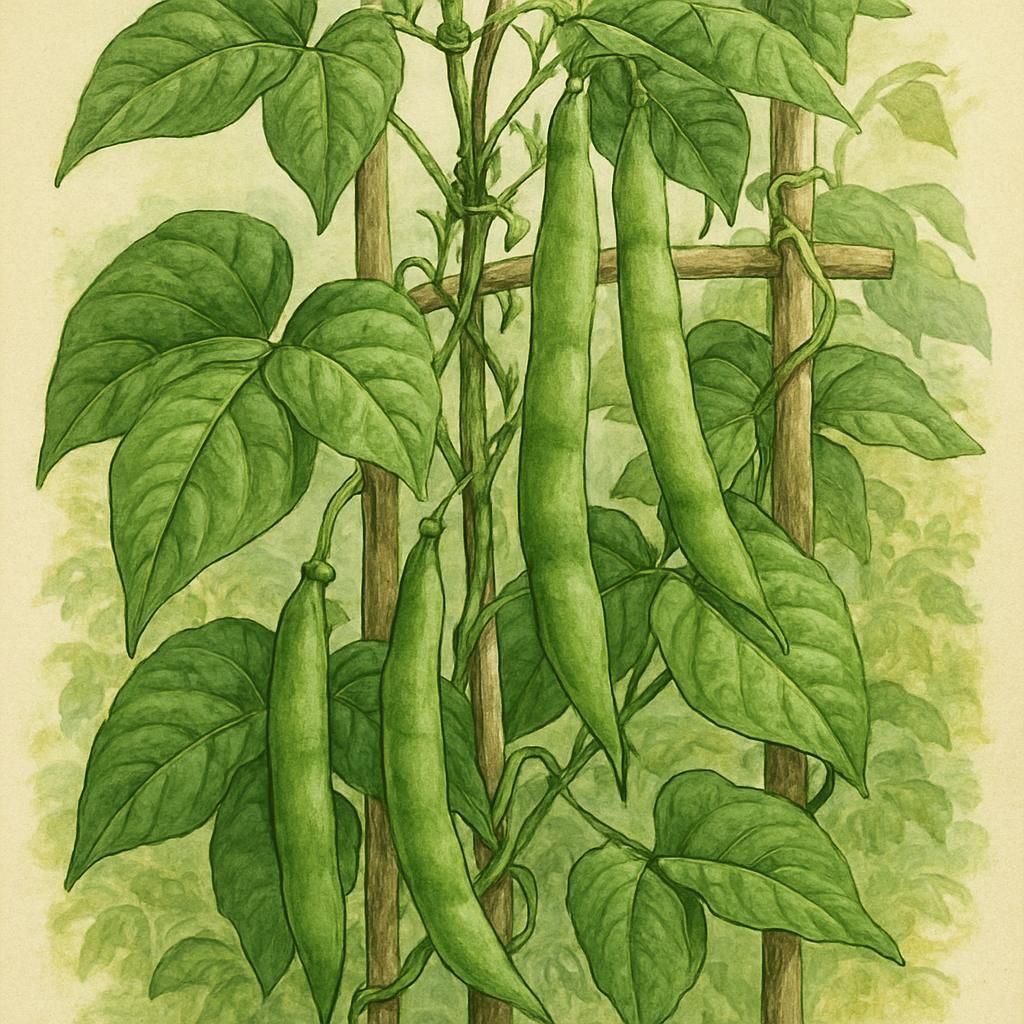
Introduction to Pole Bean (Blue Lake 74)
The Pole Bean 'Blue Lake 74' is an outstanding cultivar widely regarded for its prolific yield and exquisite taste. This variety is an ideal choice for home gardeners and farmers aiming to maximize space efficiency through vertical gardening, as it climbs poles, trellises, or any sturdy vertical support.
Botanical Profile of Pole Bean (Blue Lake 74)
Native to South America, the Pole Bean 'Blue Lake 74' belongs to the species Phaseolus vulgaris. This cultivar is characterized by long, green, cylindrical pods with a smooth texture. The beans inside are white, but they remain primarily used as a green bean, appreciated for their crisp yet tender texture.
Soil, pH, and Climate Requirements for Pole Bean (Blue Lake 74)
Proper soil and climate conditions are essential for growing healthy Pole Beans. See the table below for ideal growing conditions:
| Requirement | Ideal Conditions |
|---|---|
| Soil Type | Well-drained, loamy |
| Soil pH | 6.0 - 6.8 |
| Temperature Range | 70°F - 85°F (21°C - 29°C) |
| Sun Exposure | Full sun (6-8 hours daily) |
Step-by-Step Planting & Propagation
- Seed Selection: Start with high-quality seeds from a reputable source. Check that they are disease-free and suited for your region.
- Soil Preparation: Work organic matter such as compost into your soil to enhance drainage and nutrient content.
- Planting: Sow seeds directly into the ground after the last frost date, spacing them about 3 inches apart in rows that are 24-36 inches apart.
- Support System: Install poles or trellises immediately after planting, as bean plants need early support to climb.
- Watering: Water consistently to ensure the soil remains moist but not waterlogged.
Care & Maintenance Regimes for Pole Bean (Blue Lake 74)
To ensure vigorous growth and high yields, follow these care routines:
| Aspect | Schedule |
|---|---|
| Watering | 1 inch per week; increase during dry spells |
| Fertilization | Apply a balanced fertilizer at planting; side-dress with compost during flowering |
| Pruning | Regularly remove any dead or diseased foliage |
Pests, Diseases & Organic Management
Pole Beans are susceptible to various pests like Bean Aphids and diseases such as Powdery Mildew. Here are organic management techniques:
- Integrated Pest Management (IPM): Use beneficial insects like ladybugs to control aphid populations.
- Companion Planting: Plant crops like Marigolds to deter pests.
- Organic Pesticides: Neem oil can be applied to prevent and manage mild infestations.
- Disease Control: Ensure good air circulation and avoid overhead watering to reduce mildew risk.
Harvesting, Curing & Optimal Storage
Harvest Pole Beans when they are 6-7 inches long and still firm. Regular harvesting promotes further production.
- Curing: Allow the pods to dry on the plant if harvesting for dried beans.
- Storage: Store fresh beans in a cool, dry place; use airtight containers for dried beans.
Companion Planting for Pole Bean (Blue Lake 74)
Effective companion plants include:
- Corn: Acts as a natural trellis for beans.
- Cabbage: Reduces pest infestations.
- Thyme: Enhances flavor and repels insects.
To learn more about pest management for small farms, check out our blog on Fall Pest Siege: 9 Organic Defenses to Shield Small Farms from Invading Armies.