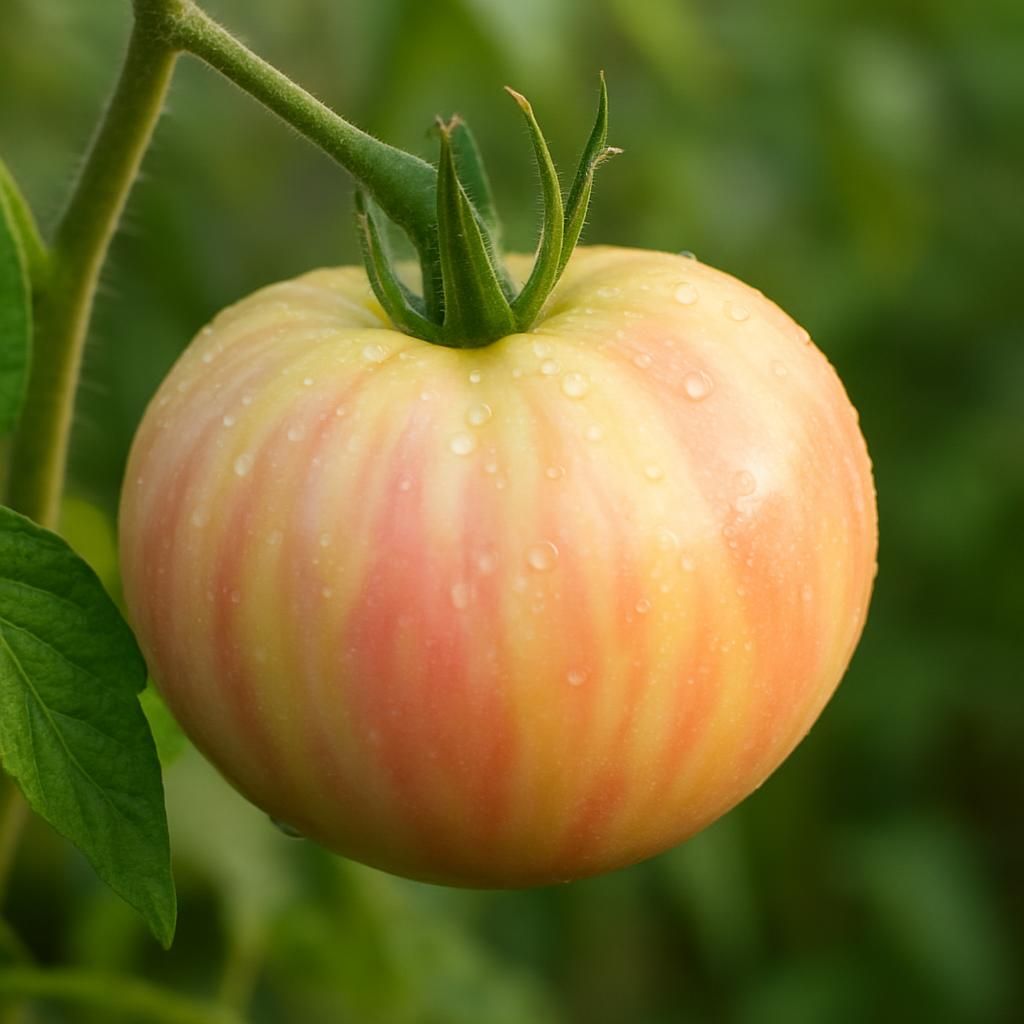
Introduction to Polish Pastel Tomato
Polish Pastel Tomato stands out among heirloom varieties for its delicate pastel coloration and rich, balanced flavor. Originating from traditional Polish seed-saving communities, this indeterminate beefsteak-type tomato produces medium-to-large fruits weighing 6–12 ounces with stunning pink, yellow, and cream marbling. The variety delivers high yields throughout the growing season and performs well in both home gardens and small-scale commercial operations. Its unique appearance and exceptional taste make it a favorite for farmers’ markets, specialty restaurants, and home cooks seeking distinctive tomatoes.
Botanical Profile of Polish Pastel Tomato
Polish Pastel Tomato belongs to the Solanaceae family, sharing characteristics with other Tomato cultivars. Plants are indeterminate, growing 5–7 feet tall with vigorous vines that require sturdy support. Foliage is dark green and slightly rugose, typical of many heirloom lines. Flowers are yellow and self-pollinating, appearing in clusters along the stems. Fruits develop smooth shoulders and ripen to a pastel blend of pink, cream, and yellow with occasional green striping. The flesh is meaty yet juicy, containing few seeds and offering a complex sweet-tart profile with subtle tropical undertones.
Soil, pH, and Climate Requirements for Polish Pastel Tomato
Polish Pastel Tomato thrives in well-drained, fertile soil enriched with organic matter. Consistent moisture and protection from temperature extremes are essential for optimal fruit set and quality.
| Parameter | Ideal Range | Notes |
|---|---|---|
| Soil Type | Loamy, well-drained | Add compost or aged manure for fertility |
| Soil pH | 6.2–6.8 | Slightly acidic conditions preferred |
| Temperature Range | 65–85°F (18–29°C) daytime | Protect below 50°F or above 90°F |
| Spacing | 24–36 inches between plants | Rows 4–5 feet apart; provide trellising |
| Sunlight | Full sun (8+ hours) | Morning sun reduces disease pressure |
| Growing Season | 70–85 days to maturity | Warm-season crop; start indoors 6–8 weeks |
Step-by-Step Planting & Propagation
- Start seeds indoors 6–8 weeks before the last expected frost in sterile seed-starting mix at 75–80°F.
- Transplant seedlings outdoors when soil temperature reaches at least 60°F and all danger of frost has passed.
- Harden off plants for 7–10 days by gradually increasing outdoor exposure.
- Dig planting holes 12–18 inches deep; mix in compost and a handful of balanced organic fertilizer.
- Plant seedlings deeply, burying the stem up to the first set of true leaves to encourage strong root development.
- Space plants 24–36 inches apart in rows 4–5 feet wide; install cages, stakes, or trellises at planting time.
- Water thoroughly after transplanting and apply a 2–3 inch layer of organic mulch to conserve moisture and suppress weeds.
Care & Maintenance regimes for Polish Pastel Tomato
Consistent care ensures healthy plants and maximum fruit production. Focus on balanced watering, timely feeding, and proper pruning to maintain airflow and reduce disease risk.
| Task | Frequency | Details |
|---|---|---|
| Watering | 1–2 inches per week | Deep, infrequent watering; avoid wetting foliage; use drip irrigation |
| Fertilizer | Every 3–4 weeks after flowering | Side-dress with compost tea or balanced organic 5-5-5 fertilizer |
| Pruning | Weekly during active growth | Remove suckers below first flower cluster; thin interior foliage for airflow |
| Mulching | Once at planting, replenish as needed | 2–3 inches of straw, leaves, or wood chips to retain moisture |
| Support | Install at planting | Cages, stakes, or Florida weave system for indeterminate vines |
Pests, Diseases & Organic Management
Polish Pastel Tomato can face common tomato challenges including Aphids, Hornworms, Spider Mites, Early Blight, and Late Blight. Scout plants weekly and maintain garden hygiene.
- Aphids and Whiteflies: Spray with insecticidal soap or neem oil; encourage beneficial insects such as ladybugs and lacewings.
- Hornworms: Handpick larvae or apply Bt (Bacillus thuringiensis) when small caterpillars are observed.
- Spider Mites: Increase humidity and spray undersides of leaves with neem or horticultural oil.
- Early Blight and Late Blight: Rotate crops, avoid overhead watering, and apply copper-based fungicides or compost tea preventively.
- Blossom End Rot: Maintain consistent soil moisture and calcium levels; avoid excessive nitrogen.
Harvesting, Curing & Optimal Storage
Harvest Polish Pastel Tomato fruits when they show full color development and slight softening at the blossom end. Use clean pruners to cut stems, leaving a small calyx attached. For peak flavor, allow fruits to ripen fully on the vine when weather permits. Store ripe tomatoes at room temperature away from direct sunlight for up to one week. For longer storage, green fruits can be harvested before frost and ripened in a paper bag with a banana or apple. Avoid refrigeration, which diminishes flavor and texture. Excess harvest can be processed into sauces, salsas, or dehydrated for winter use.
Companion Planting for Polish Pastel Tomato
Strategic companions improve pollination, deter pests, and enhance soil health. Pair Polish Pastel Tomato with Basil, Marigold, Nasturtium, and Garlic to repel aphids, whiteflies, and nematodes. Avoid planting near Fennel or walnuts, which can inhibit tomato growth. Include Cucumber and Pepper in rotation to maximize bed productivity while breaking disease cycles. For additional guidance on seasonal timing, consult The Overlooked Art of Seasonal Harvest Timing for Small Farm Profit.