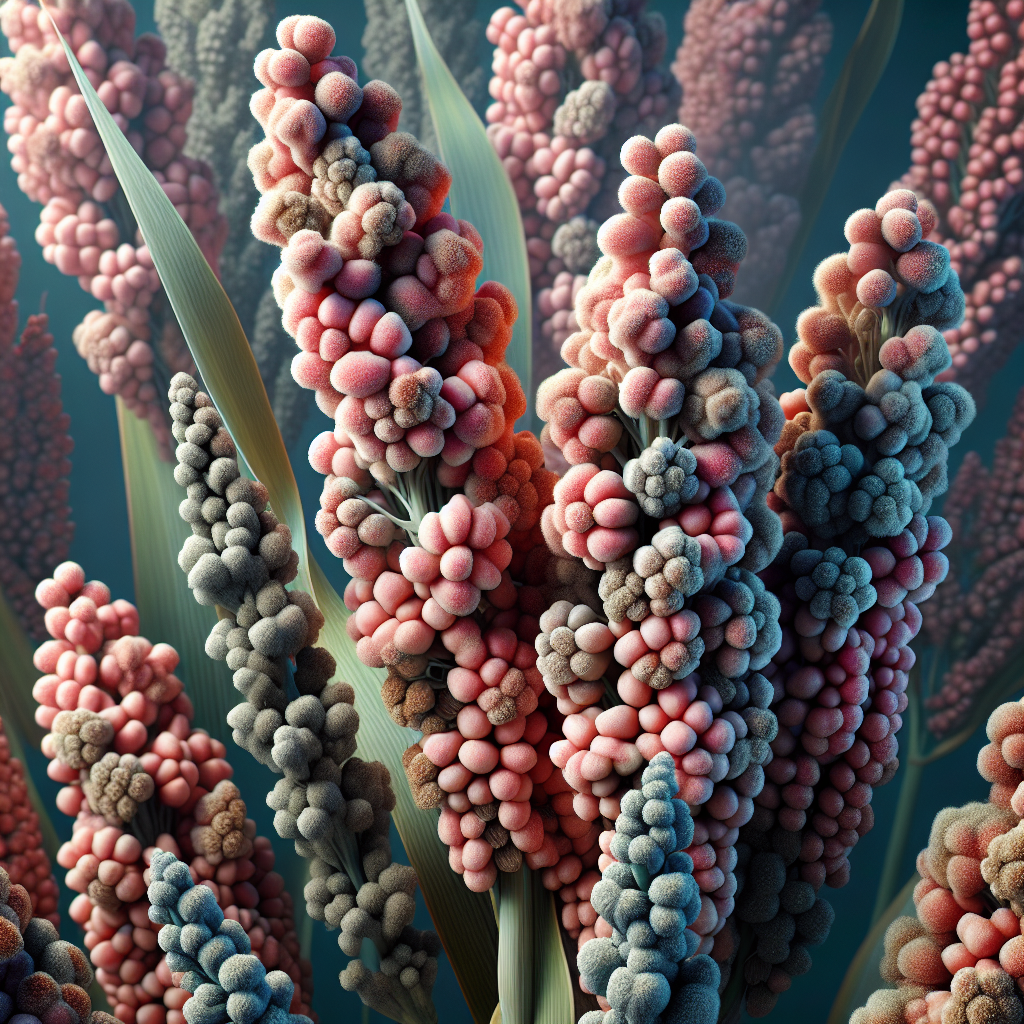
Introduction to head molds
Head molds represent a complex of fungal diseases that primarily target the reproductive heads (panicles, spikes, or ears) of grain crops, leading to widespread economic losses in agriculture worldwide. Unlike single-pathogen infections, head molds involve multiple opportunistic fungi such as Fusarium species, Alternaria, Curvularia, and others that colonize maturing grains under favorable conditions. This guide provides farmers, agronomists, and growers with a comprehensive diagnostic and management strategy for identifying, controlling, and preventing head molds in field crops.
In regions with humid subtropical or tropical climates, head molds can devastate yields by 20-50% in severe outbreaks, contaminating grains with mycotoxins that pose health risks to livestock and humans. Early detection is crucial, as infected heads produce discolored, lightweight grains unfit for milling or export. For detailed insights on Fusarium head blight, a related condition, refer to our wiki resources. Understanding the biology and environmental drivers empowers proactive management, minimizing losses while promoting sustainable farming.
Identifying Symptoms & Damage
Recognizing head molds early is essential for limiting spread. Initial symptoms appear during the late milk to dough stages of grain development, often coinciding with flowering. Look for pale pink, salmon, or grayish mold growth on glumes, lemmas, or spikelets, progressing to black or brown discoloration as spores develop.
Affected heads show shriveled, lightweight kernels with a chalky appearance, often accompanied by a musty odor. In severe cases, entire panicles lodge due to weakened structures. Damage manifests as reduced test weight, poor germination, and mycotoxin accumulation like deoxynivalenol (DON) from Fusarium. Yield losses range from 10% in mild infections to total head sterility in advanced stages.
Differentiate head molds from grain mold by the concentrated infection on heads rather than uniform kernel coverage. Use a hand lens to spot fungal mycelia or spore masses. Scout fields weekly from heading stage, focusing on low-lying, humid areas. Economic thresholds: 5-10% infected heads warrant immediate action. Associated pests like head-feeding insects can exacerbate infections by wounding tissues.
Lifecycle and Progression of head molds
Head molds follow a polycyclic lifecycle, with fungi surviving as saprophytes on crop residues, seeds, or alternate hosts. Primary inoculum overwinters in stubble, releasing ascospores or conidia during warm, humid periods (25-30°C, >90% RH). Infection occurs via wind, rain splash, or insect vectors during anthesis, when heads are most susceptible.
Latent period lasts 5-10 days, followed by visible sporulation. Secondary spread amplifies via conidia under prolonged wetness (>48 hours). Progression accelerates in dense canopies with poor air circulation. Mycotoxin production peaks post-physiological maturity, rendering grains toxic. Complete cycle: 2-4 weeks from infection to harvest contamination.
In wheat and sorghum, progression correlates with grain moisture >22%. Remove infected debris to break the cycle. For more on fungal lifecycles, see our blog on Spring Pest Patrol: Organic AI Strategies to Shield Your Crops from Common Invaders.
Environmental Triggers & Risk Factors
Head molds thrive in warm (24-32°C), humid environments with prolonged leaf wetness (>12 hours). High rainfall during grain fill, poor drainage, and high planting density (>400 plants/m²) create microclimates ideal for infection. Irrigation mismanagement, especially overhead systems, splashes inoculum onto heads.
Risk factors include continuous cereal monocropping, excessive nitrogen (>150 kg/ha), and delayed maturity varieties. Fields near corn or rice serve as inoculum sources. Drought stress followed by rain spikes susceptibility. Monitor with weather stations; avoid planting in low-lying frost pockets prone to dew.
Climate change intensifies risks through erratic rains. Integrate downy mildew forecasts, as overlapping conditions amplify threats.
Organic Control & Treatment Plans
Organic management emphasizes cultural, biological, and physical tactics. Cultural: Time planting to avoid peak humidity; use wider row spacing (20-25 cm) for airflow. Apply balanced nutrition: 100-120 kg N/ha, supplement potassium for resilience. Desiccate fields 7-10 days pre-harvest with organic-approved agents like vinegar or clove oil to halt fungal growth.
Biological: Trichoderma-based biocontrols suppress Fusarium at 10^9 CFU/kg seed. Bacillus subtilis sprays (2-5 L/ha) during heading reduce spore germination by 60%. Companion planting with marigold deters vectors.
Physical: Harvester adjustments: low cylinder speed, high fan speed to remove light, molded grains. Post-harvest, dry to <14% moisture immediately. Rotate with legumes like chickpeas (2-3 years). Scout and rogue infected heads manually in small fields.
Integrated plan: Seed treatment + foliar biocontrol at flag leaf + desiccation. Efficacy: 70-85% reduction. Avoid powdery mildew confusion; test via lab culture.
Preventing head molds in the Future
Prevention hinges on long-term strategies. Select resistant hybrids: Pioneer 30Y50 for sorghum, WB-02 for wheat. Crop rotation (cereals-legumes-fallow) reduces inoculum by 90%. Tillage buries residues, promoting decomposition.
Enhance field drainage; avoid over-irrigation. Foliar micronutrients (Zn, Mn at 0.5%) boost immunity. Early sowing escapes peak monsoon. Monitor with traps for head bugs, precursors to molds.
Sanitation: Clean equipment, destroy volunteer plants. For small farms, check Soil Health Mastery: 5 Proven Strategies for Small Farms to Build Fertile Ground Without Breaking the Bank (wait, no, that's not it—wait, integrated above). Future-proof with weather apps predicting risk windows. Annual soil tests guide fertility.
Crops Most Affected by head molds
Head molds predominantly strike small-grained cereals and millets. Sorghum suffers 30-70% losses, with panicle exsertion delaying infections. Pearl millet shows gray molds on compact heads. Wheat experiences spikelet sterility. Rice panicles blacken in humid tropics. Barley and foxtail millet also vulnerable.
Other grains like quinoa, finger millet, and teff face similar threats. Hybrids CSH-15 (sorghum) resist better. Manage alongside ergot in grasses.