Introduction to head rots
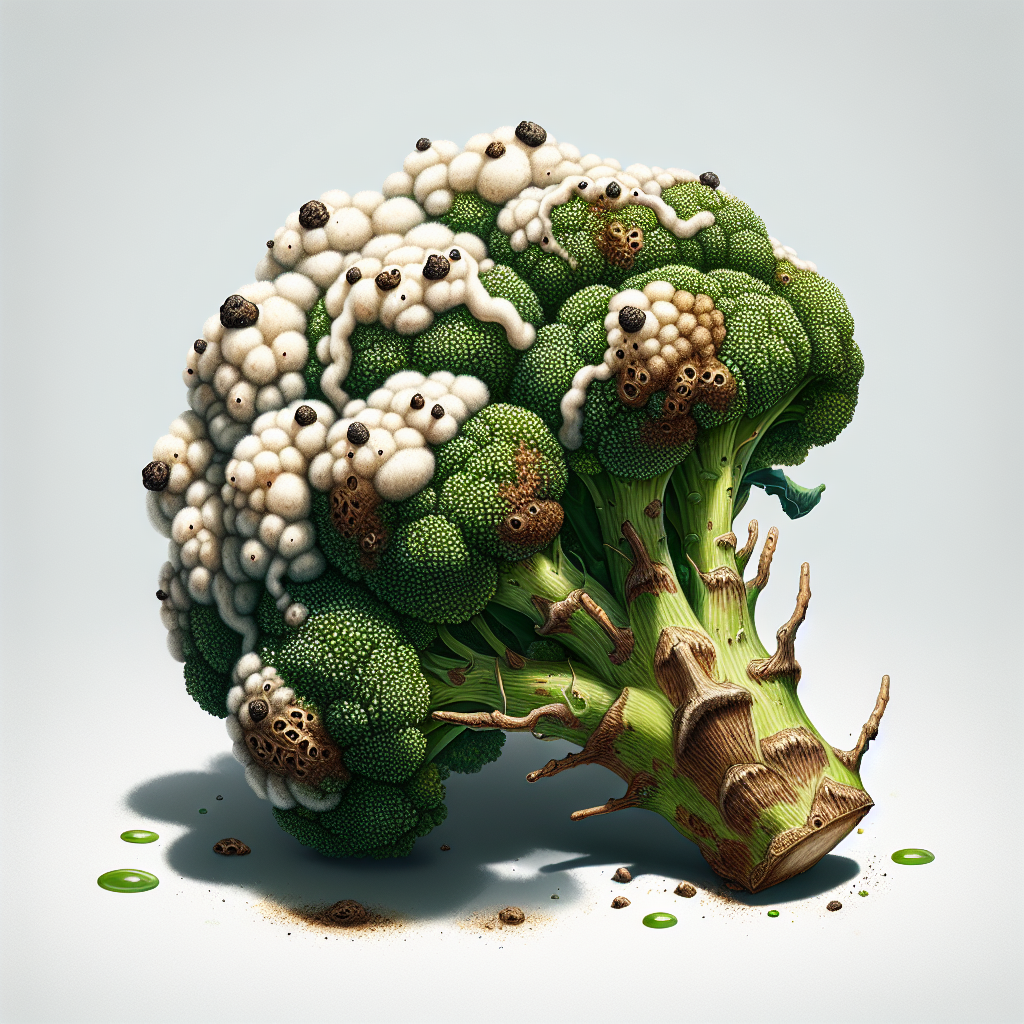
Head rots represent a complex of fungal diseases that target the compact heads of brassica crops, leading to devastating economic losses for growers worldwide. Primarily caused by pathogens like Sclerotinia sclerotiorum (white mold) and Botrytis cinerea (gray mold), head rots manifest as soft, watery decay in the developing heads, often accompanied by fluffy fungal growth under humid conditions. These diseases thrive in temperate climates with prolonged leaf wetness, making them a persistent threat to commercial cabbage, broccoli, and cauliflower production.
Understanding head rots is crucial for sustainable agriculture, as they can destroy up to 50-100% of yields in severe outbreaks. Unlike foliar diseases, head rots penetrate the dense head structure, where fungicides struggle to reach. Early diagnosis and integrated management are key to minimizing damage. This guide provides professional-grade diagnostic tools, lifecycle insights, and organic strategies tailored for small to medium-scale farms. For more on AI-driven farm optimization, check this blog post on precise scheduling to avoid peak infection windows.
Identifying Symptoms & Damage
Accurate identification of head rots is the first line of defense. Initial symptoms appear as water-soaked lesions on young heads, progressing to brown, mushy rot within 48-72 hours. In Sclerotinia infections, white, cottony mycelium covers the rotting tissue, producing hard, black sclerotia (resting bodies) resembling mouse droppings. Botrytis head rot shows gray, fuzzy sporulation on the surface, especially after rain.
Damage escalates rapidly: heads become lightweight, foul-smelling, and unsalable. Secondary invaders like bacteria cause slimy breakdown, mimicking bacterial soft rots. Differentiate from downy mildew by the absence of purple sporangia and from physiological disorders like tip burn by the presence of fungal structures. Use a hand lens to spot mycelium or sclerotia embedded in rot. Severely affected plants drop heads prematurely, leading to total crop failure in dense plantings.
Inspect fields weekly during head formation. Cut affected heads longitudinally to reveal internal rot patterns—Sclerotinia often shows cup-shaped apothecia emerging from sclerotia in moist soil. Yield impacts are profound: marketable head weight drops 30-70%, with contamination risks spreading via harvest equipment. Document symptoms with photos for precise diagnosis, integrating with tools like those in Spring Pest Patrol for broader monitoring.
Lifecycle and Progression of head rots
Head rots follow a predictable lifecycle tied to environmental cues. Sclerotinia sclerotiorum survives as sclerotia in soil for 5-10 years, germinating under cool, moist conditions (10-20°C, >80% humidity) to produce apothecia that release ascospores onto heads via wind or rain splash. Botrytis cinerea persists as mycelium on crop debris or as sclerotia, sporulating abundantly in wet weather to infect via wounds or senescing tissues.
Progression unfolds in stages: spore germination on wet head surfaces (6-12 hours leaf wetness required), mycelial penetration through stomata or injuries, and rapid colonization of dense head tissues. Incubation lasts 3-7 days, with symptoms exploding post-rain. Under optimal conditions (15-25°C, high RH), secondary spread via conidia accelerates epidemics. Sclerotia form in decaying heads, dropping to soil to perpetuate the cycle.
In polycyclic fashion, Botrytis generates multiple spore generations per season, compounding damage. Sclerotinia is monocyclic but builds soil inoculum over years. Rotation breaks this cycle, but short rotations in brassica-heavy regions sustain pressure. Monitor using weather data for infection risk models, linking to Fusarium head blight in cereals for comparative insights.
Environmental Triggers & Risk Factors
Head rots explode under specific conditions: prolonged high humidity (>90% RH), temperatures 12-24°C, and poor ventilation in dense canopies. Overhead irrigation splashes spores, while heavy dews extend leaf wetness. Cool nights followed by warm days favor Sclerotinia apothecia formation.
Risk factors include high plant density (>30cm spacing), excessive nitrogen promoting lush growth, and wounded heads from mechanical injury or caterpillars. Soil with pH 6.0-7.0 and history of brassicas amplifies sclerotia viability. Wet harvests spread infection, contaminating clean heads. Climate change extends susceptible windows in variable weather.
Assess risk via disease forecasting: track 48-hour wetness periods during heading. Fields near overwintered debris or with root rots face compounded stress, weakening defenses. Scout margins first, as wind drives spores inward.
Organic Control & Treatment Plans
Organic management emphasizes prevention, but curative options exist. Cultural Controls: Space plants 45-60cm apart for airflow; use raised beds for drainage. Avoid overhead watering—drip irrigate to keep heads dry. Rotate out of brassicas for 3-4 years to dilute sclerotia.
Biologicals: Apply Trichoderma harzianum or Coniothyrium minitans pre-heading to parasitize sclerotia (rates: 10^9 CFU/g soil). Bacillus subtilis (e.g., Serenade) suppresses Botrytis via antibiosis—spray 3-5L/ha every 7-10 days during high risk.
Organic Fungicides: Copper hydroxide (3-5kg/ha) or potassium bicarbonate (2-5kg/ha) at first symptoms, rotating to avoid resistance. Neem oil disrupts spore germination. Remove and destroy infected heads promptly; solarize soil in off-season to kill sclerotia.
Treatment Protocol: Scout weekly; at 5% incidence, apply biofungicide + copper. Follow with cultural cleanup. Integrate with companion planting like thyme for natural repellency. For resistant varieties, select hybrids like 'Packman' broccoli.
Preventing head rots in the Future
Long-term prevention builds resilient systems. Choose resistant varieties: 'Imperial' cauliflower or 'Green Magic' broccoli show tolerance. Time planting to avoid peak humidity—early spring or fall in temperate zones.
Enhance soil health with cover crops like clover to suppress sclerotia via allelopathy. Mulch with straw to moderate soil moisture. Improve airflow via pruning lower leaves at heading. Monitor with sticky traps for spore loads.
Integrated Pest Management (IPM) targets vectors: control slugs creating entry wounds. Post-harvest, deep plow debris. Annual soil tests guide pH adjustments (lime to 6.5+ reduces Sclerotinia). Use weather apps for alerts—avoid irrigation during dew periods. Educate crews on sanitation: disinfect tools with 10% bleach.
Farm-wide, diversify crops and scout rigorously. These steps can cut incidence by 80%, ensuring sustainable yields.
Crops Most Affected by head rots
Brassicas dominate vulnerability due to dense heads trapping moisture. Primary hosts:
- Cabbage (Savoy, Napa, Red): Heads rot internally, sclerotia in wrappers.
- Broccoli: Florets slime, reducing crown value.
- Cauliflower: Curds brown and leak.
Secondary: Lettuce heads (iceberg lettuce), Brussels sprouts, kale heads. Cereals like wheat suffer Fusarium head blight, a related complex. Avoid monoculture; interplant with Thai basil for biofumigation.
Global impacts hit cool-season regions: Pacific Northwest, Europe, Asia. Yields drop 20-60% untreated.