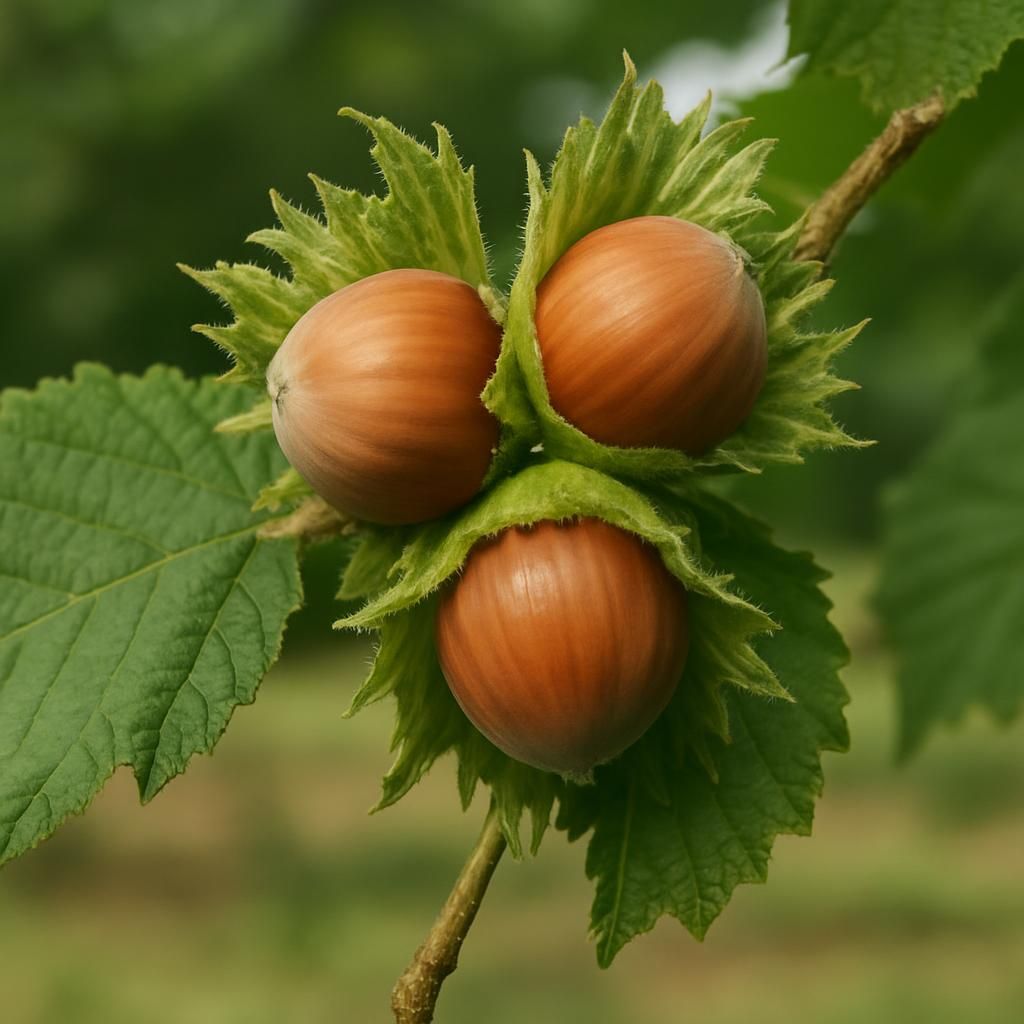
Introduction to Hazelnut (Wepster)
Wepster is a modern European hazelnut (Corylus avellana) cultivar developed by Oregon State University specifically for resistance to Eastern Filbert Blight while delivering consistent high yields and superior kernel quality. The variety produces medium to large nuts with thin shells and high kernel percentage, making it ideal for both fresh markets and processing. Growers value Wepster for its upright growth habit, moderate vigor, and reliable performance across temperate climates with adequate chill hours.
Successful hazelnut production requires careful attention to soil drainage, pollinizer selection, and long-term orchard management. Wepster typically reaches full production between years 6–8 and can remain productive for 30–40 years when properly maintained. This guide provides professional-grade, research-based recommendations for establishing and managing productive Wepster hazelnut orchards.
Botanical Profile of Hazelnut (Wepster)
Wepster belongs to the Betulaceae family and exhibits the typical deciduous shrub or small tree form of European hazelnuts. Mature trees reach 12–18 feet in height with a similar spread, featuring multiple stems arising from the base. The cultivar produces rounded, serrated leaves approximately 3–5 inches long that turn golden-yellow in autumn.
Catkins (male flowers) emerge in late winter and provide pollen for the inconspicuous female flowers. Wepster is self-incompatible and requires compatible pollinizers such as Barcelona Hazelnut or Ennis Hazelnut planted at a ratio of 1:8 to 1:10. The nuts mature inside a leafy husk that splits at harvest, revealing smooth, light-brown shells containing high-quality kernels.
Soil, pH, and Climate Requirements for Hazelnut (Wepster)
Wepster performs best in deep, well-drained loamy soils with good water-holding capacity. Heavy clay soils must be amended or avoided entirely, as poor drainage leads to root diseases and reduced vigor. The cultivar prefers slightly acidic to neutral conditions and requires 800–1,200 chill hours for reliable flowering and nut set.
| Parameter | Ideal Range | Notes |
|---|---|---|
| Soil Type | Loam to sandy loam | Deep, well-drained; avoid heavy clay |
| Soil pH | 6.0–7.0 | Optimal nutrient uptake and root health |
| Annual Rainfall | 30–45 inches | Supplemental irrigation required in dry periods |
| Temperature Range | -10°F to 85°F | Tolerates moderate frost; avoid extreme heat |
| Chill Hours | 800–1,200 | Required for proper bud break and flowering |
| USDA Hardiness Zones | 5–8 | Best suited to temperate maritime climates |
| Drainage | Excellent | Raised beds or tile drainage recommended if needed |
Step-by-Step Planting & Propagation
Wepster hazelnuts are most reliably propagated through nursery-grafted or tissue-cultured plants rather than seed. Plant bare-root or container-grown trees in late fall or early spring when soils are workable. Select a site with full sun and protection from strong winds. Dig planting holes twice as wide as the root ball and at the same depth as the nursery container.
Space trees 15–18 feet apart in rows 18–22 feet apart to allow for mechanical harvesting equipment. Incorporate well-rotted compost into the backfill and water thoroughly after planting. Install drip irrigation immediately and apply 2–3 inches of organic mulch around each tree, keeping mulch 4–6 inches from the trunk. Stake young trees if wind exposure is a concern.
Care & Maintenance regimes for Hazelnut (Wepster)
Consistent irrigation, balanced nutrition, and annual pruning are essential for high yields and tree health. Young trees require more frequent watering to establish roots, while mature orchards need 1–1.5 inches of water per week during nut development. Fertilization should be based on annual leaf and soil analysis.
| Growth Stage | Water Schedule | Fertilizer (per tree) | Pruning Schedule |
|---|---|---|---|
| Year 1–2 | 1 inch/week; keep soil moist | 0.25 lb N split in spring & early summer | Remove suckers; shape central leader |
| Year 3–5 | 1–1.25 inches/week during growth | 0.5–0.75 lb N; add P & K per soil test | Thin interior branches; maintain height |
| Mature (Year 6+) | 1.5 inches/week May–September | 1–1.5 lb N; micronutrients as needed | Remove 1/3 of oldest wood annually; winter pruning |
Pests, Diseases & Organic Management
Eastern Filbert Blight remains the primary disease concern, though Wepster shows strong genetic resistance. Monitor for filbertworm, which can damage kernels, and aphids that reduce tree vigor. Organic management includes sanitation, beneficial insect release, and targeted organic sprays when thresholds are reached.
Scout orchards weekly during the growing season. Remove and destroy infected wood for blight control. Apply kaolin clay or spinosad-based products for filbertworm when adult flight is detected. Encourage predatory insects by maintaining flowering strips and avoiding broad-spectrum pesticides.
Harvesting, Curing & Optimal Storage
Wepster nuts typically mature in late September to early October in the Pacific Northwest. Harvest when husks begin to split and nuts drop naturally or can be shaken from the tree. Collect nuts promptly to prevent mold and rodent damage.
Cure nuts by spreading them in a single layer in a well-ventilated area at 60–70°F with low humidity for 2–4 weeks until kernels reach 8–10% moisture. Store cured nuts in breathable containers at 32–40°F with 60–65% relative humidity for up to 12 months. For longer storage, vacuum-seal and freeze at 0°F.
Companion Planting for Hazelnut (Wepster)
Strategic companion planting improves soil fertility, attracts beneficial insects, and reduces pest pressure. Leguminous cover crops such as clover fix nitrogen and improve soil structure between rows. Flowering herbs including thyme and yarrow provide habitat for predatory insects that control aphids and mites.
Avoid planting heavy feeders like corn or tomato directly under the canopy, as competition for water and nutrients can reduce hazelnut yields. Maintain a diverse understory of grasses and flowering plants to support pollinators and beneficial arthropods throughout the season.