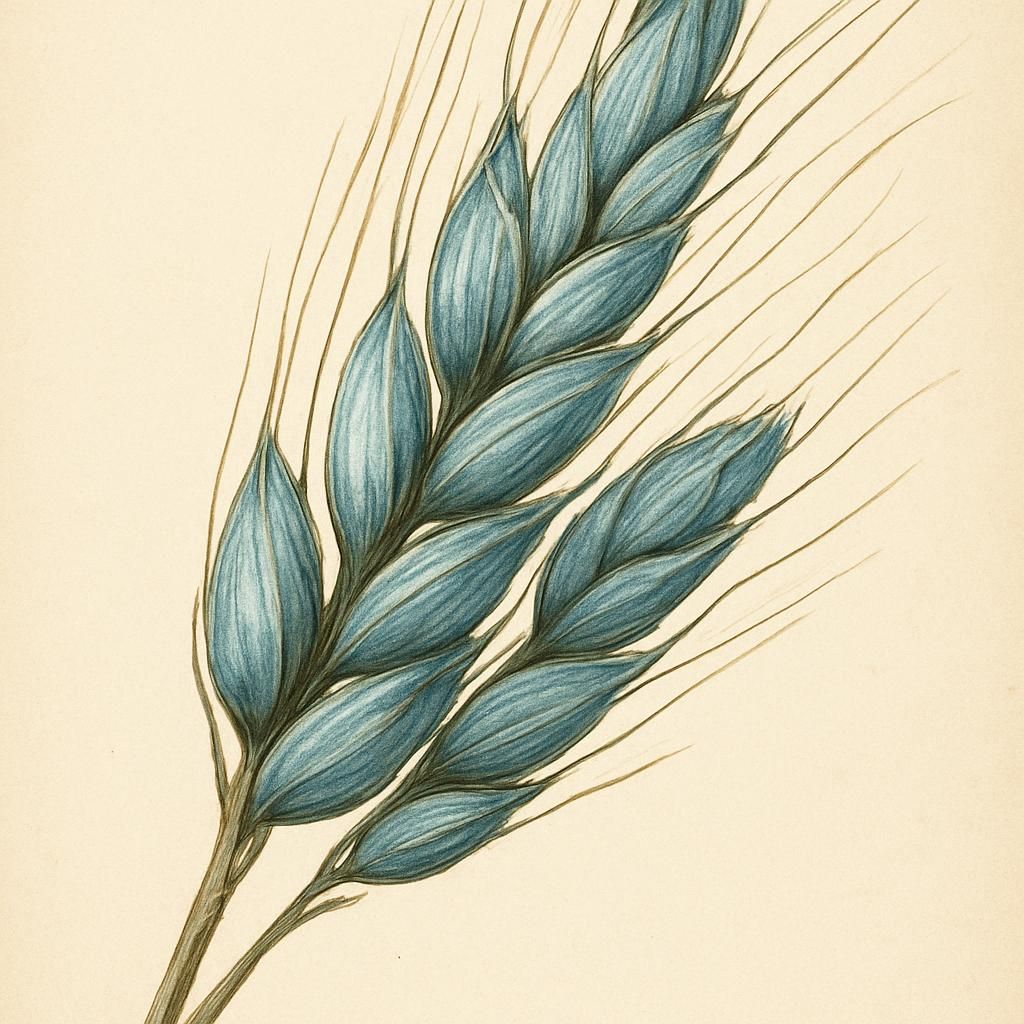
Introduction to Ethiopian Blue Tinge Wheat
Ethiopian Blue Tinge Wheat is an ancient grain, renowned for its distinct blue hue and nutty flavor profile. Having evolved under diverse and harsh climatic conditions, this wheat variety is exceptionally resilient and adaptable. As interest in heirloom and specialty grains rises, Ethiopian Blue Tinge Wheat stands out for its rich nutritional content and versatility in culinary applications, making it an appealing choice for modern farmers and chefs alike.
Botanical Profile of Ethiopian Blue Tinge Wheat
Scientifically classified under the species Triticum aethiopicum, Ethiopian Blue Tinge Wheat belongs to the Poaceae family. This type of wheat is characterized by its robust growth habit and striking blue-tinged grains, which mature within a relatively short growing season of 90-100 days. As a tetraploid wheat, it possesses certain ancient grain traits, such as higher protein content and a rich array of micronutrients, beneficial for both its health benefits and its role in sustainable agriculture.
Soil, pH, and Climate Requirements for Ethiopian Blue Tinge Wheat
To achieve optimal growth, Ethiopian Blue Tinge Wheat requires specific soil, pH, and climate conditions. Understanding these needs can enhance yields and grain quality significantly.
| Condition | Ideal Parameters |
|---|---|
| Soil Type | Well-drained loamy or sandy soil |
| Soil pH | 6.0 - 7.0 |
| Temperature Range | 15°C - 25°C (59°F - 77°F) |
| Rainfall | 400 - 600 mm annually |
Step-by-Step Planting & Propagation
- Site Selection: Choose a well-drained site with ample sunlight exposure. Avoid areas prone to waterlogging.
- Soil Preparation: Till the soil to a depth of 30 cm to improve aeration. Amend with organic matter to enhance nutrient content.
- Seeding: Plant seeds at a depth of 1.5-2.5 cm, maintaining a spacing of 15 cm between plants and 20 cm between rows.
- Watering: Ensure consistent watering, especially during germination. Reduce frequency as roots establish.
- Thinning: Once seedlings reach a height of 10 cm, thin out weaker plants to reduce competition for resources.
Care & Maintenance for Ethiopian Blue Tinge Wheat
Proper care and maintenance can mitigate potential growing challenges such as pests and diseases and enhance plant health.
| Task | Schedule |
|---|---|
| Watering | Weekly during dry periods |
| Fertilization | Bi-monthly (use compost-based) |
| Pruning | Not applicable |
Pests, Diseases & Organic Management
Ethiopian Blue Tinge Wheat, while resilient, can still be prone to common wheat pests and diseases. Key threats include Hessian fly and Leaf Rust. The use of neem oil or introducing beneficial insects like ladybugs and lacewings can effectively manage aphid populations. Additionally, crop rotation and proper field sanitation can reduce the risk of diseases like Fusarium head blight. For more organic solutions, consider the strategies outlined in Crop Diseases Under the Microscope: 9 Organic Fixes for Small Farm Resilience.
Harvesting, Curing & Optimal Storage
Harvesting occurs after 90-100 days post-planting when grains exhibit a dry, golden hue. Manually or mechanically, ensure grains are dry before storage—ideally at 13% moisture content. Store in a cool, dark, and dry area, away from pests like Storage Beetles.
Companion Planting for Ethiopian Blue Tinge Wheat
Ethiopian Blue Tinge Wheat benefits from companion planting with crops such as Yellow Onion and Garlic, which deter common pests through their natural repellent properties. For more insights on enhancing farm resilience through companion planting, explore Summer Companion Planting: 10 Organic Pairings to Boost Small Farm Resilience.