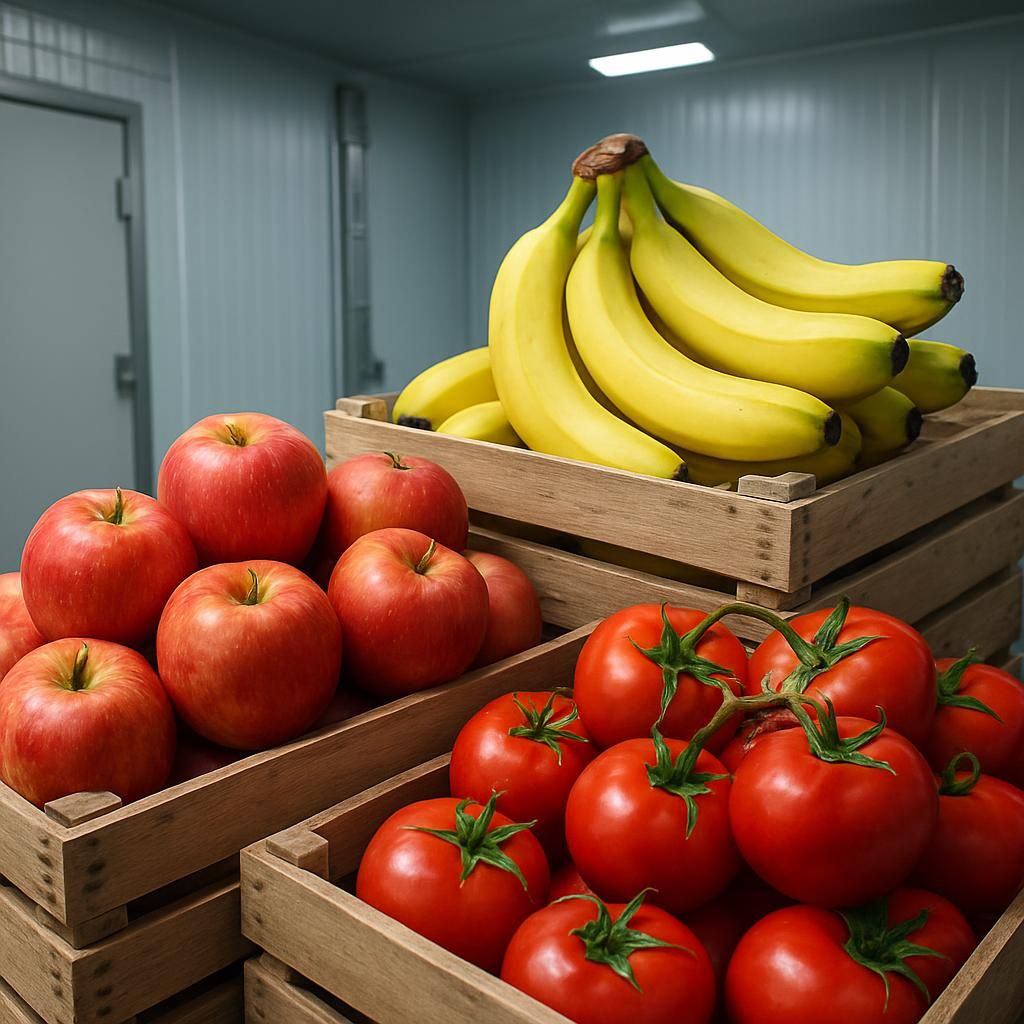
Comprehensive Agricultural Guide to Ethylene-Producing Fruits
Ethylene (C₂H₄) is a gaseous plant hormone produced naturally by many fruits during ripening. It triggers autocatalytic ripening in climacteric crops, leading to softening, color change, and aroma development. In commercial agriculture, uncontrolled ethylene can cause premature ripening, increased decay, and substantial economic losses. Understanding which fruits generate ethylene and how to manage it is fundamental for growers, packers, and retailers.
Understanding Ethylene Physiology
Climacteric fruits exhibit a burst of ethylene production at the onset of ripening, accompanied by a sharp rise in respiration rate. Non-climacteric fruits produce very low levels of ethylene and do not show this respiratory climacteric. High ethylene concentrations in storage rooms or transport containers accelerate senescence in both climacteric and non-climacteric produce, making separation strategies critical.
Major Ethylene-Producing Fruits and Their Characteristics
The following table summarizes key data on common ethylene-producing fruits, including typical production rates and recommended storage conditions.
| Fruit | Ethylene Production Rate (µL/kg·h) | Optimal Storage Temp (°C) | Ethylene Sensitivity | Typical Storage Life |\n|--------------------|------------------------------------|---------------------------|----------------------|----------------------| | Apple | 10–100 | 0–4 | High | 1–12 months | | Banana | 0.1–10 | 13–15 | Moderate | 7–21 days | | Tomato | 0.5–10 | 10–13 | Moderate | 7–14 days | | Avocado | 10–100 | 5–13 | High | 2–4 weeks | | Mango | 1–10 | 10–13 | Moderate | 2–3 weeks | | Pear | 10–100 | -1–0 | High | 2–7 months | | Peach | 5–20 | -0.5–0 | Moderate | 2–4 weeks |
Practical Strategies for Ethylene Management
1. Segregation of Produce
Store ethylene-producing fruits separately from ethylene-sensitive crops such as Lettuce, Broccoli, and Carrot. Use dedicated ripening rooms or partitioned cold storage sections to prevent cross-contamination.
2. Temperature Control
Lower temperatures slow both ethylene biosynthesis and fruit respiration. Maintain cold-chain integrity from harvest through distribution. Note that some tropical fruits like Banana and Mango suffer chilling injury below 12–13 °C.
3. Controlled Atmosphere (CA) and Modified Atmosphere Packaging (MAP)
Reducing oxygen to 1–3 % and elevating carbon dioxide to 5–10 % suppresses ethylene production and action. MAP films with selective permeability are effective for retail packs of Strawberry and Blueberry.
4. Ethylene Scrubbers and Absorbers
Potassium permanganate-based filters and 1-methylcyclopropene (1-MCP) treatments block ethylene receptors. These tools extend shelf life of Apple and Pear by 30–50 % under commercial conditions.
5. Ventilation and Air Circulation
Adequate airflow dilutes ethylene concentrations in storage rooms. Install ethylene sensors and automated ventilation systems calibrated to maintain levels below 0.1 ppm for sensitive produce.
Harvest and Handling Best Practices
Harvest at optimal maturity to minimize field heat and initial ethylene load. Cool produce rapidly within two hours of harvest. Avoid mechanical damage that stimulates wound ethylene. For Tomato and Banana, staged harvesting and immediate cooling are essential.
Post-Harvest Disorders Linked to Ethylene
Excess ethylene accelerates softening, mealiness, and internal breakdown in Peach and Plum. It also promotes decay organisms by weakening cell walls. Monitor storage rooms for off-odors indicating fermentation or microbial activity.
Regulatory and Safety Considerations
Comply with maximum residue limits for 1-MCP and other approved ethylene inhibitors. Ensure proper ventilation when using chemical scrubbers. Train personnel on safe handling of compressed ethylene gas used in ripening chambers.
Economic Impact and Loss Prevention
Industry estimates indicate that 10–30 % of fresh produce losses are ethylene-related. Implementing the strategies above can recover significant value, especially for high-value crops such as Avocado and Mango.
For deeper technical details on ethylene biosynthesis pathways, consult the Wikipedia entry on Ethylene.
Additional practical insights on post-harvest handling are available in the blog post Stop Treating Tomato Blight Like a Spray Problem: Here Is What Works Better.
Conclusion
Effective ethylene management combines physiological knowledge, infrastructure, and disciplined handling protocols. By segregating produce, controlling temperature and atmosphere, and applying receptor blockers, growers and distributors can significantly extend marketable life and reduce waste across the supply chain.