Encyclopedia
Definitive guides for crops, pests, and agricultural diseases.
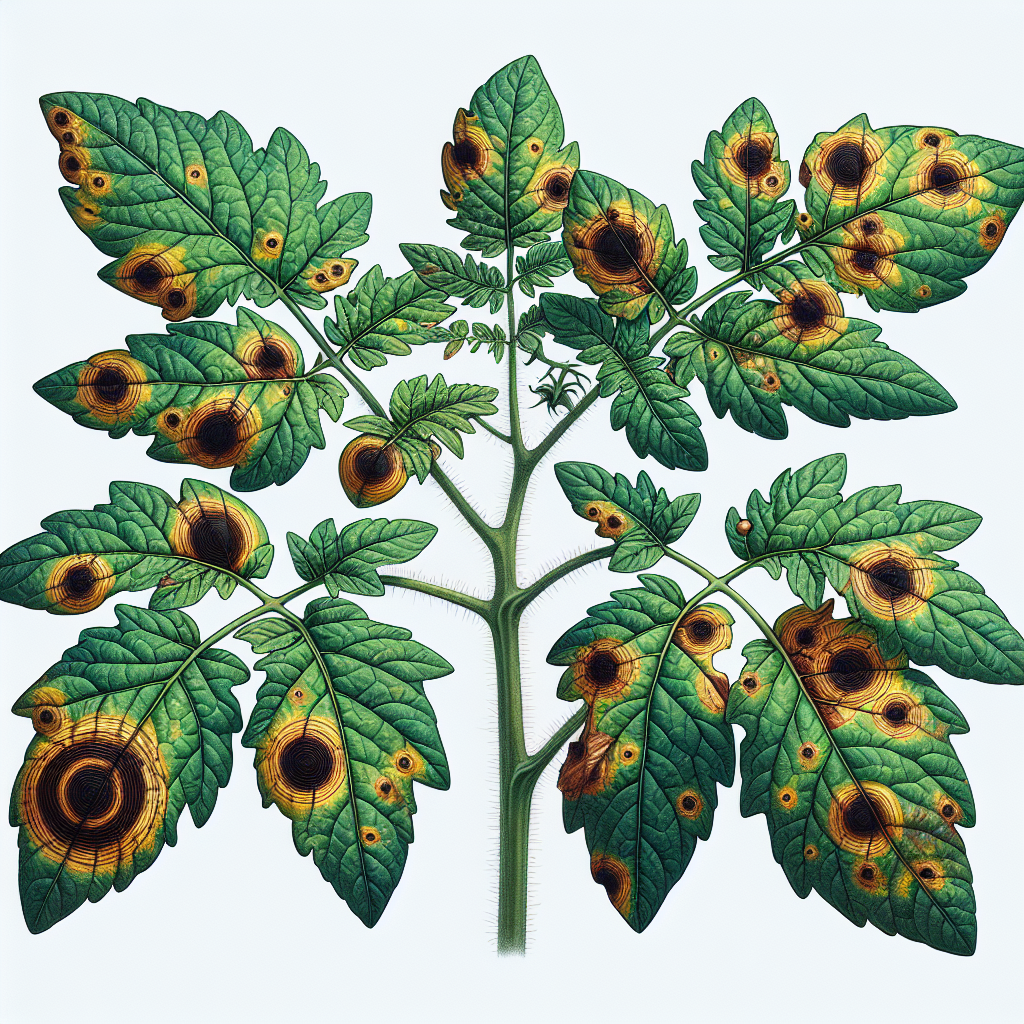
Early blight
Early blight is a widespread fungal disease primarily affecting tomatoes and potatoes, caused by Alternaria solani. It manifests as dark, concentric leaf spots that can lead to significant defoliation and reduced yields if unmanaged. Effective control relies on cultural practices, resistant varieties, and timely organic fungicide applications.
View Profile
Early leaf spot
Early leaf spot is a widespread fungal disease primarily affecting peanut crops, caused by Cercospora arachidicola, leading to significant yield losses if unmanaged. It manifests as small, circular spots on leaves that expand and coalesce, reducing photosynthesis and pod production. Effective management relies on cultural practices, resistant varieties, and timely fungicide applications.
View Profile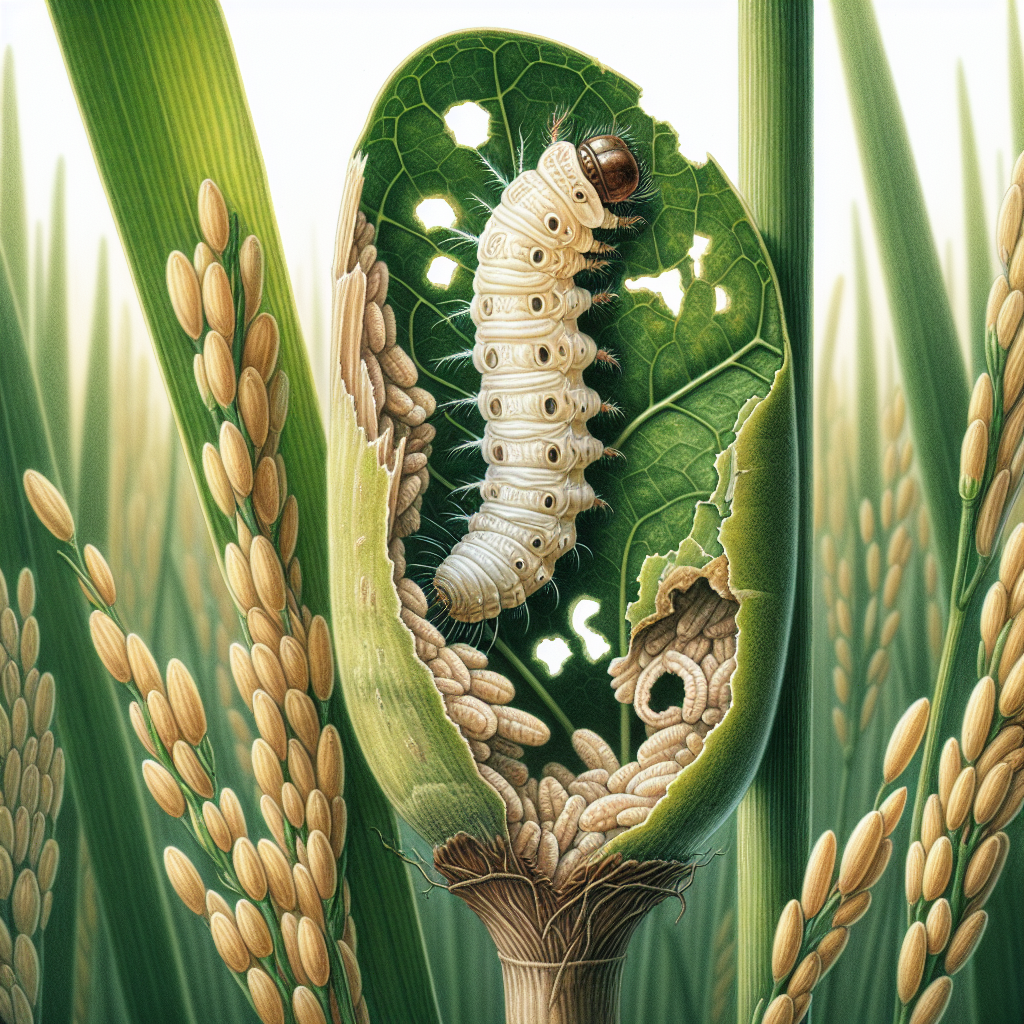
early shoot borer
The early shoot borer (Scirpophaga excerptalis) is a destructive moth pest targeting young shoots of rice and other gramineous crops, causing 'dead hearts' that can devastate early plantings. This guide provides comprehensive diagnostics, lifecycle insights, organic management strategies, and prevention tactics for farmers battling this pest. Effective control hinges on timely scouting, cultural practices, and biological agents to minimize yield losses.
View Profile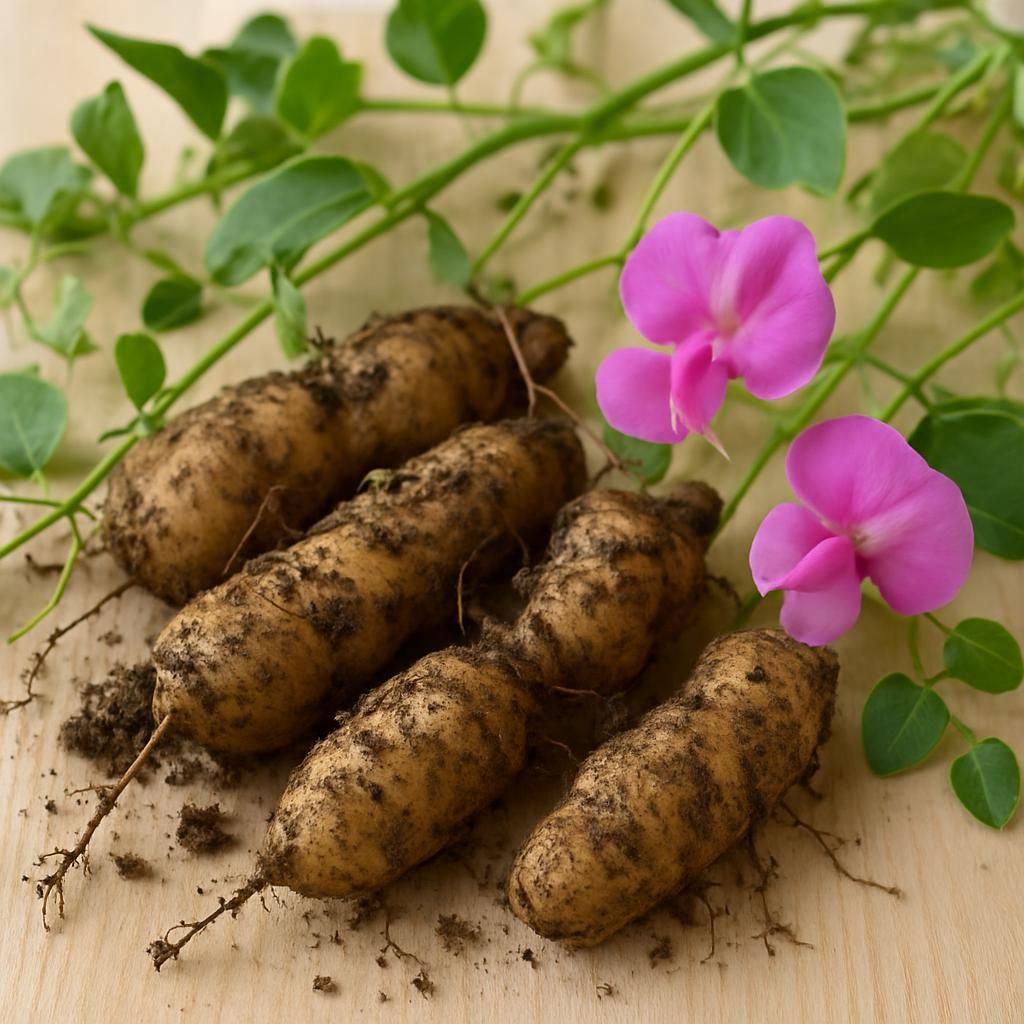
Earthnut Pea
Earthnut Pea is a perennial legume grown for its sweet, nutty underground tubers and nitrogen-fixing ability. This guide covers complete soil preparation, planting, care, pest management, and harvest techniques for reliable home and small-farm production.
View Guide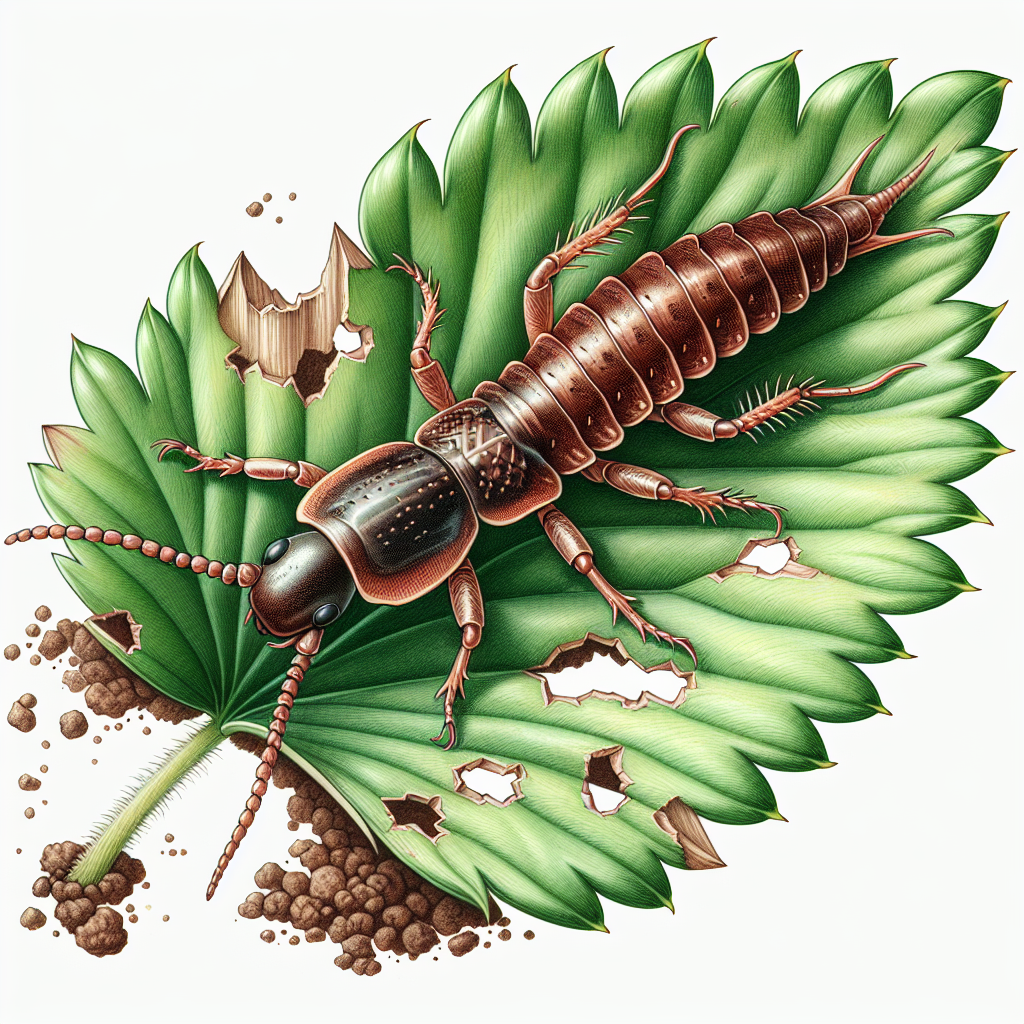
Earwigs
Earwigs are nocturnal omnivores notorious for chewing irregular holes in leaves, fruits, and vegetables, thriving in moist, organic-rich environments. While they consume decaying matter and pests like [aphids](/wiki/aphids), heavy infestations cause significant cosmetic and structural damage to crops. Effective management combines cultural practices, organic barriers, and natural predators for sustainable control.
View Profile
Eastern Filbert Blight
Eastern Filbert Blight is a destructive fungal disease caused by Anisogramma anomala that primarily affects Corylus avellana (European hazelnut) orchards in the eastern United States. It leads to cankers on branches and trunks, causing dieback, reduced yields, and eventual tree death if unmanaged. Effective management relies on resistant cultivars like those derived from Corylus americana, cultural practices, and timely fungicide applications.
View Profile
echinacea
Echinacea is a hardy perennial herb valued for its striking daisy-like flowers and potent medicinal roots. It is widely cultivated for both ornamental landscapes and commercial herbal production. This guide delivers professional-grade agronomic advice for successful echinacea cultivation.
View Guide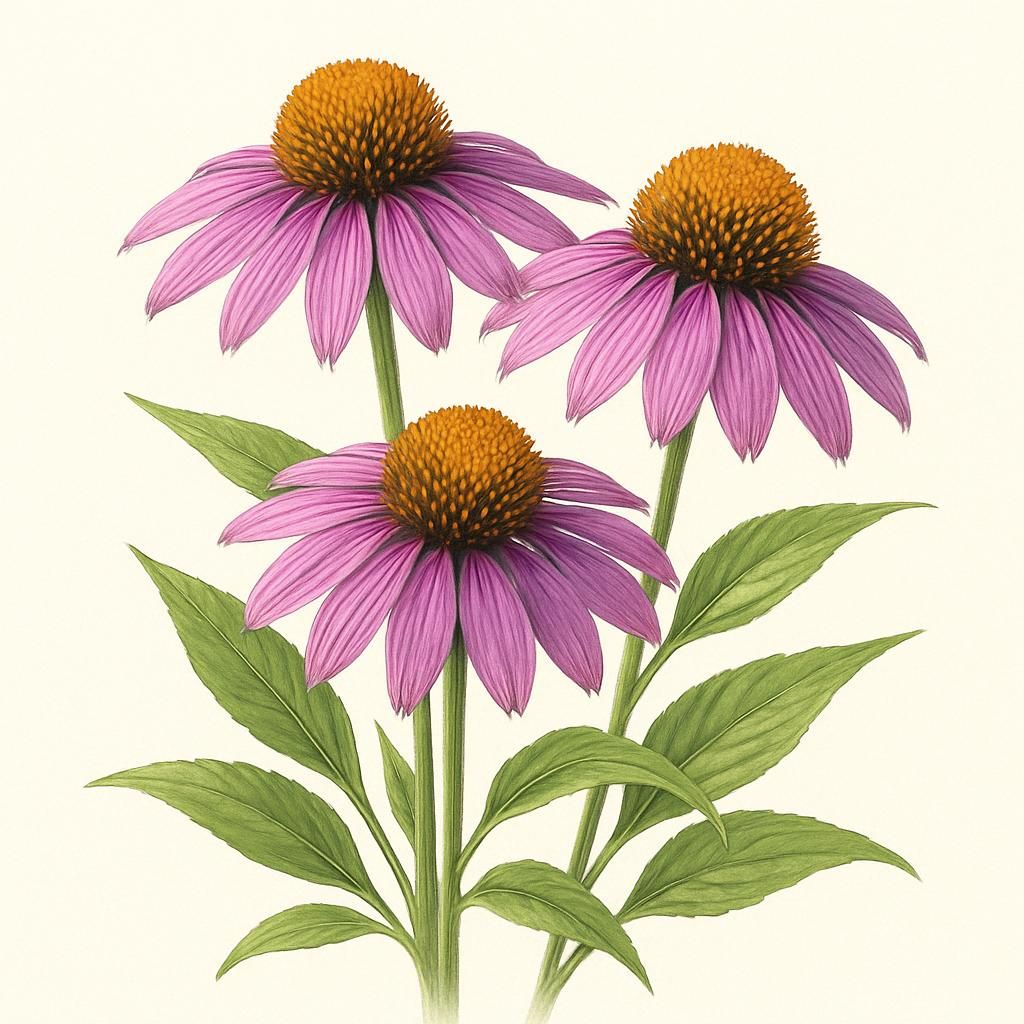
Echinacea purpurea
Echinacea purpurea is a hardy, long-lived herbaceous perennial valued for its striking purple coneflowers and potent medicinal roots. It thrives in full sun with well-drained, moderately fertile soil and is widely cultivated for both herbal and ornamental markets.
View Guide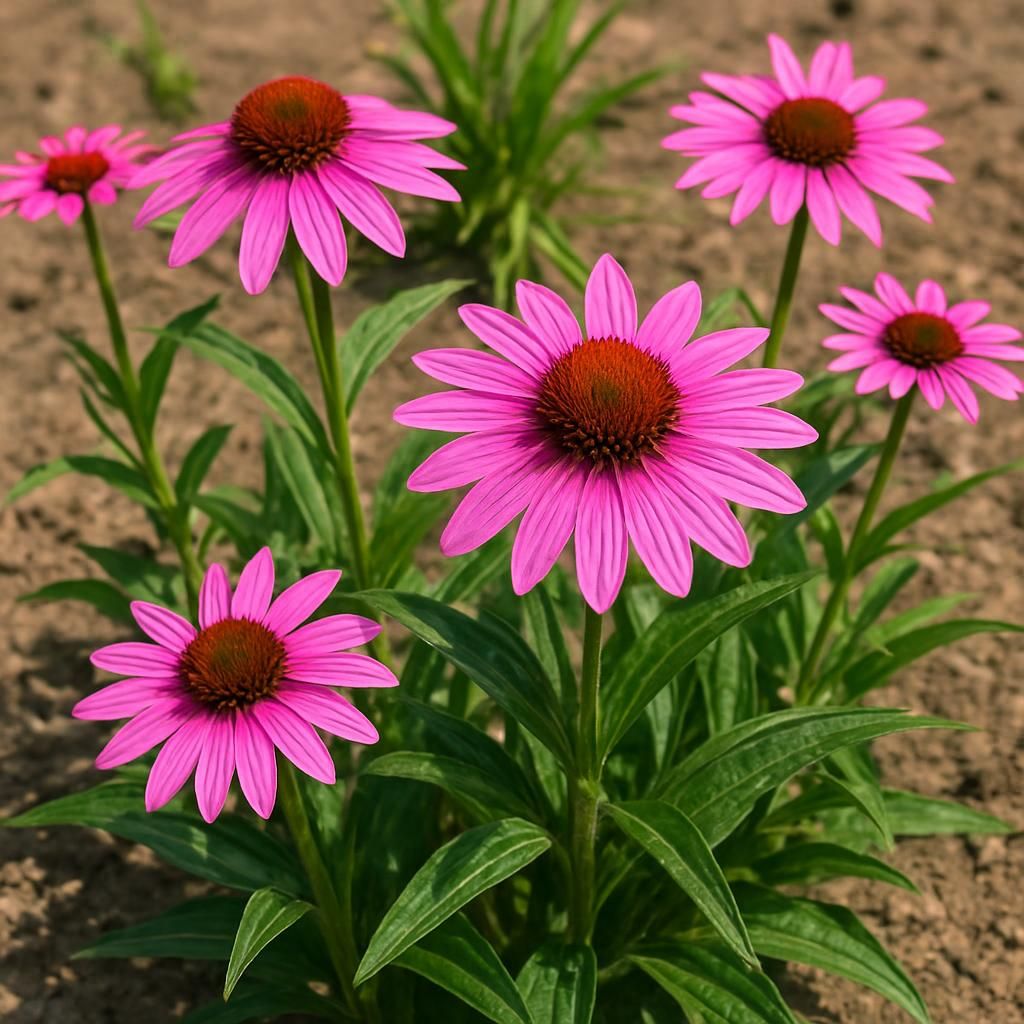
Echinacea Root (Angustifolia)
Echinacea angustifolia is a hardy perennial prized for its medicinal taproot, used widely in herbal medicine. This deep-dive guide covers every stage of professional cultivation, from soil preparation to post-harvest storage.
View Guide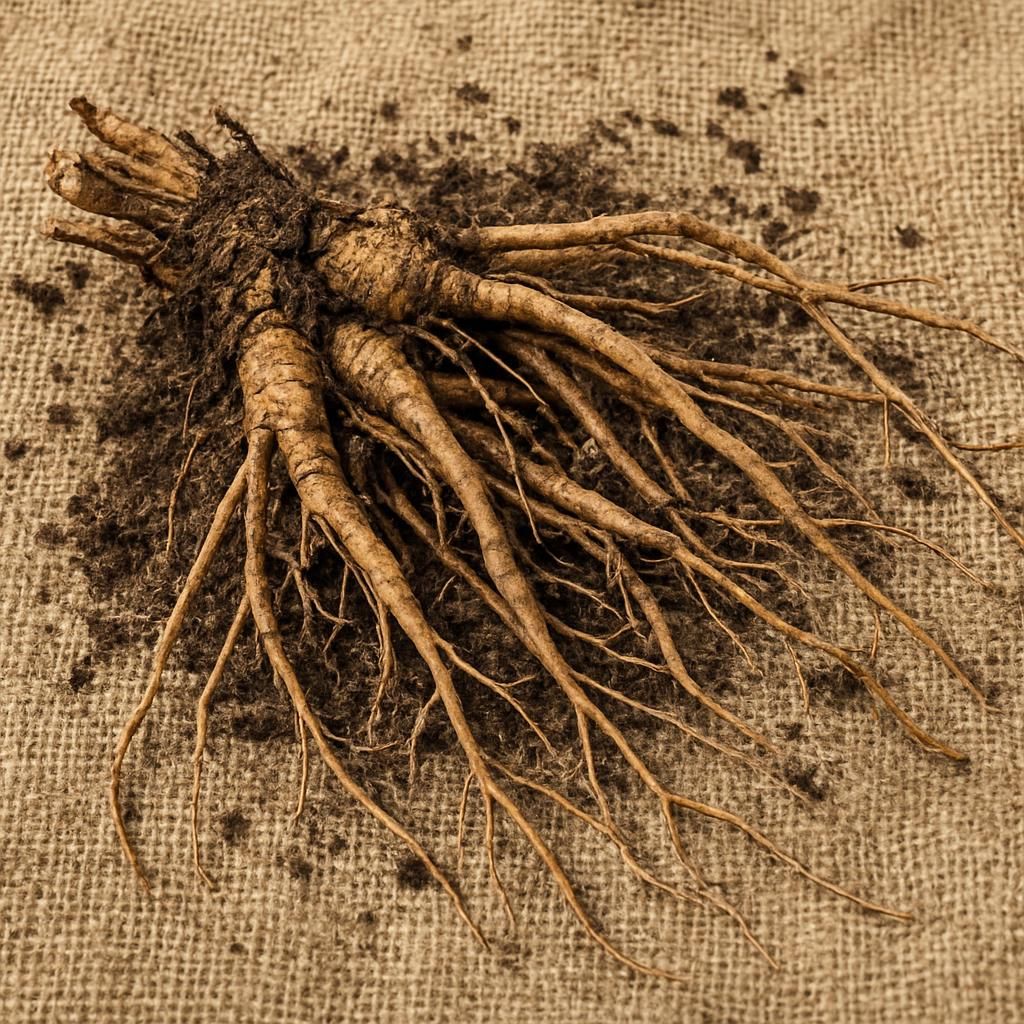
Echinacea Root (Purpurea)
Echinacea purpurea root is a high-value medicinal herb prized for its immune-supporting properties and long harvest cycle. This deep-dive guide covers every stage from soil preparation to post-harvest storage using professional agricultural standards.
View Guide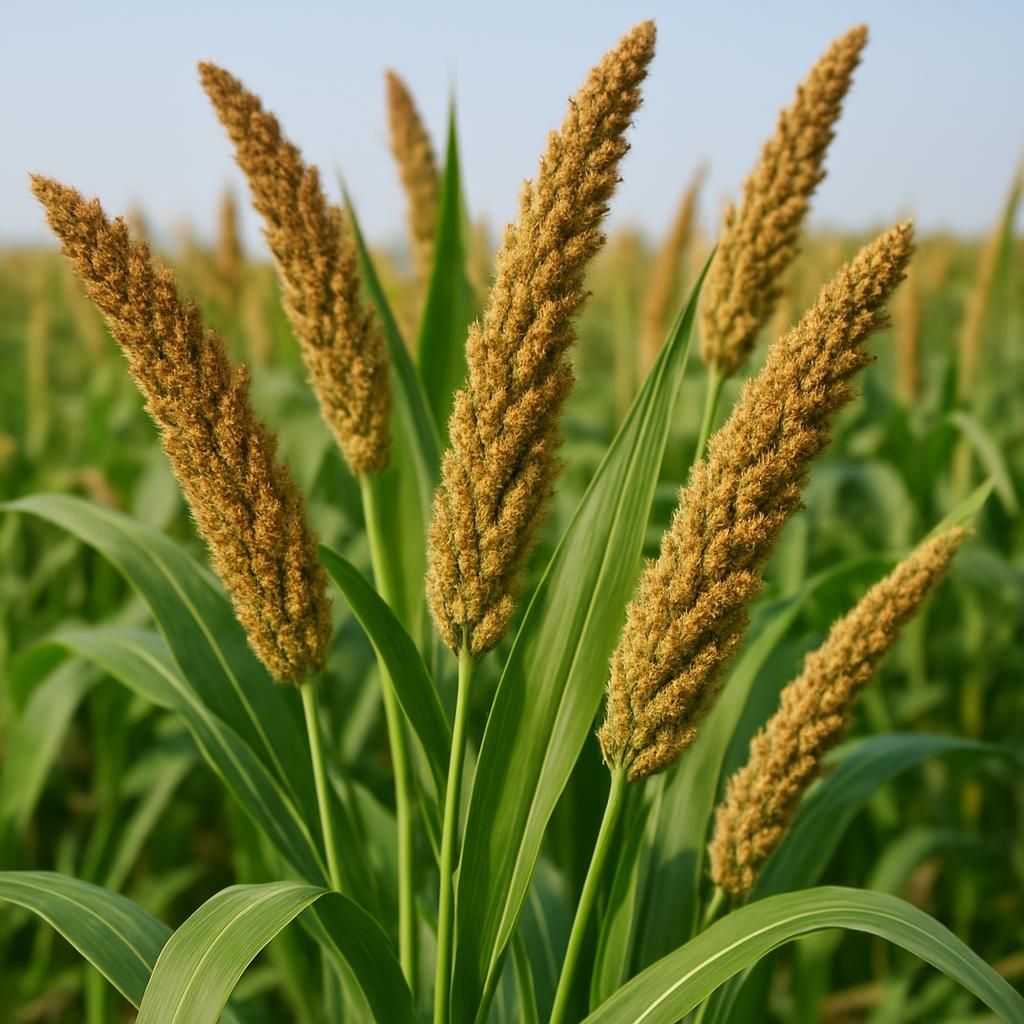
Echinochloa
Echinochloa is a fast-growing annual grass used as a cereal grain, forage, and cover crop in tropical and subtropical regions. It thrives in flooded or poorly drained soils and provides reliable yields under minimal inputs. The guide covers complete cultivation practices for commercial and small-scale growers.
View Guide
Edamame (Soybean)
Edamame is the vegetable-harvested form of soybean, grown for its sweet, tender green pods rather than fully mature dry seed. Although easy to grow in warm weather, it performs best when growers pay close attention to soil temperature, drainage, nodulation, flowering-time stress, and harvest timing, because pod quality declines quickly if plants are rushed by drought or heat.
View Guide
Eggplant
Eggplant is a warm-season fruiting vegetable in the nightshade family prized for its glossy fruits, long harvest window, and culinary versatility. It performs best in consistently warm conditions, fertile well-drained soil, and steady moisture, but it is more sensitive to cold stress than many growers expect, making temperature management one of the keys to high yields.
View Guide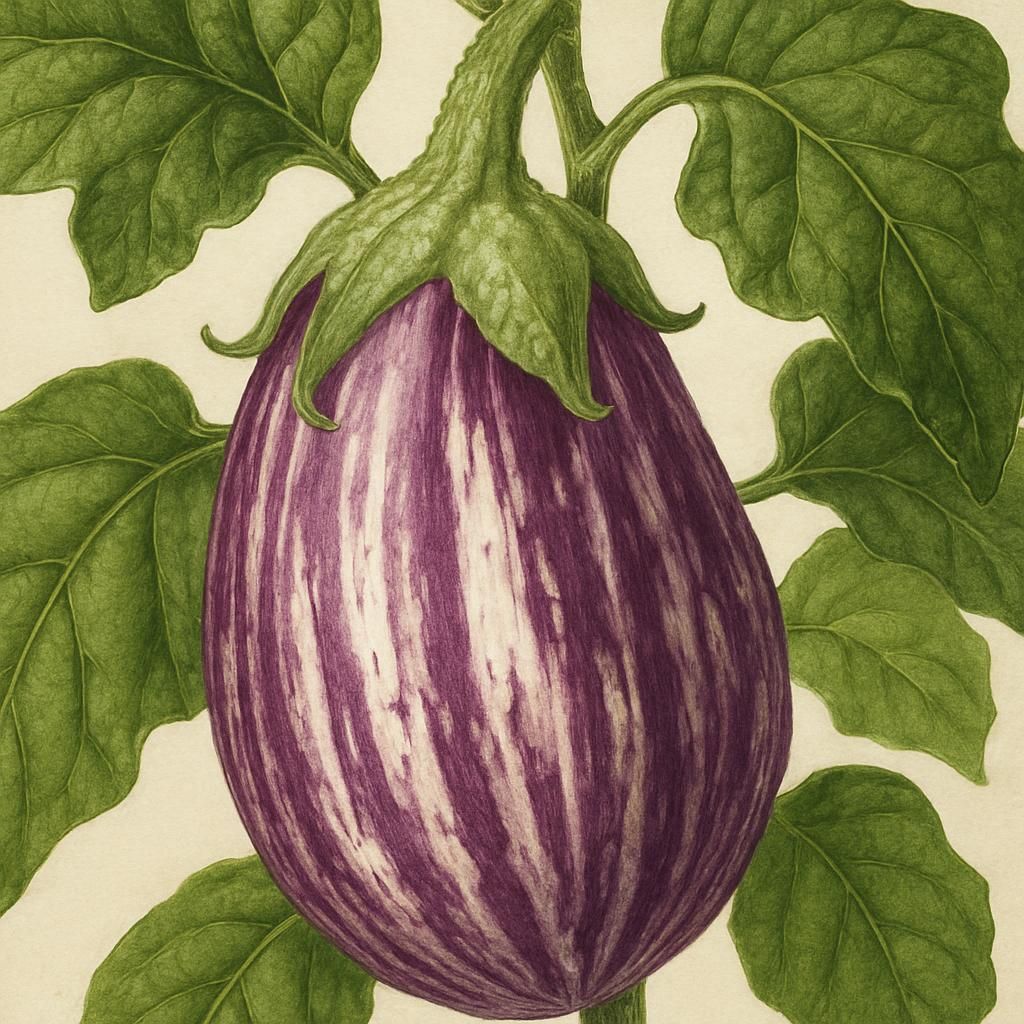
Eggplant (Fairytale)
The Fairytale Eggplant is a unique variety known for its striking appearance and sweet flavor. This small, compact plant produces an abundant yield of elongated, purple-and-white striped fruits, ideal for container gardening and small spaces.
View Guide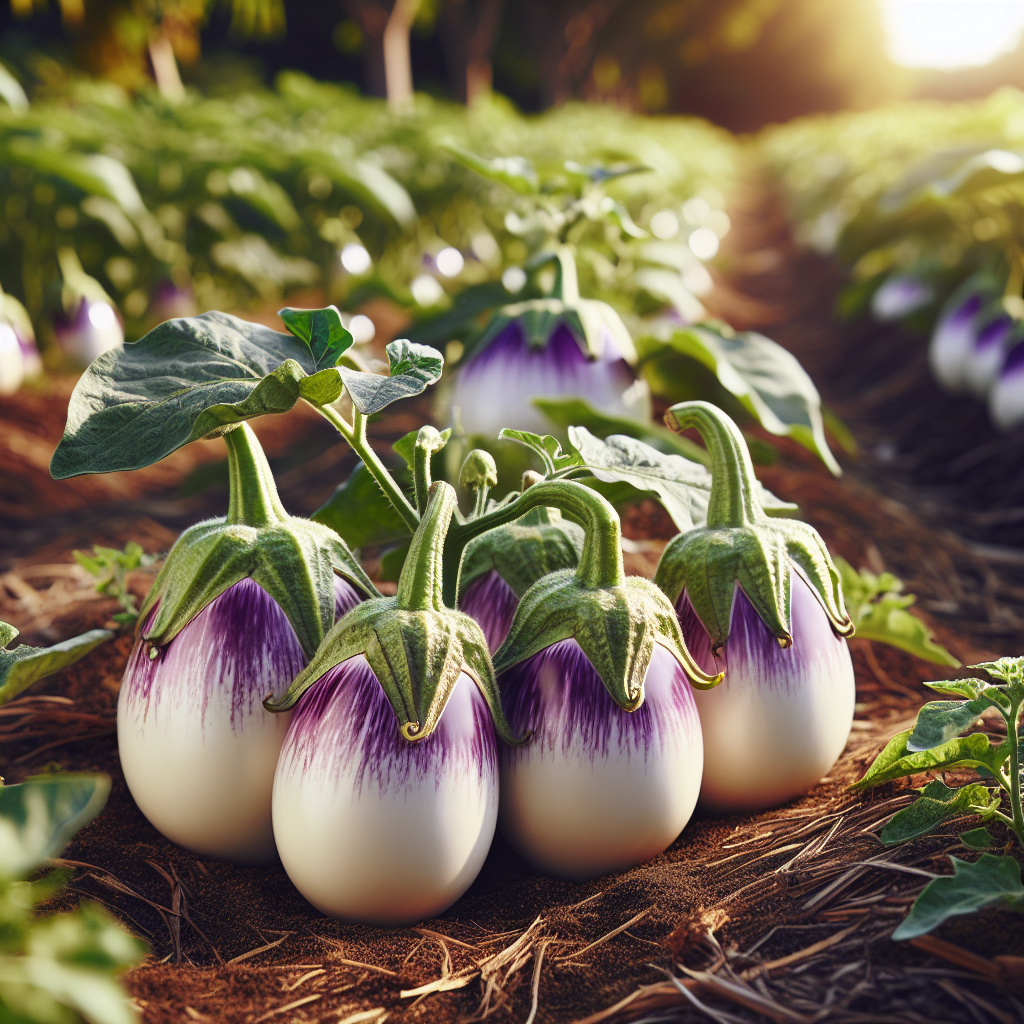
Eggplant (Listada de Gandia)
Eggplant (Listada de Gandia) is a classic Spanish heirloom aubergine prized for its creamy white skin brushed with lavender-purple striping, tender flesh, and mild, low-bitterness flavor. It performs best in warm, stable conditions with fertile, well-drained soil, and rewards attentive growers with attractive, marketable fruits ideal for grilling, roasting, and Mediterranean cuisine.
View Guide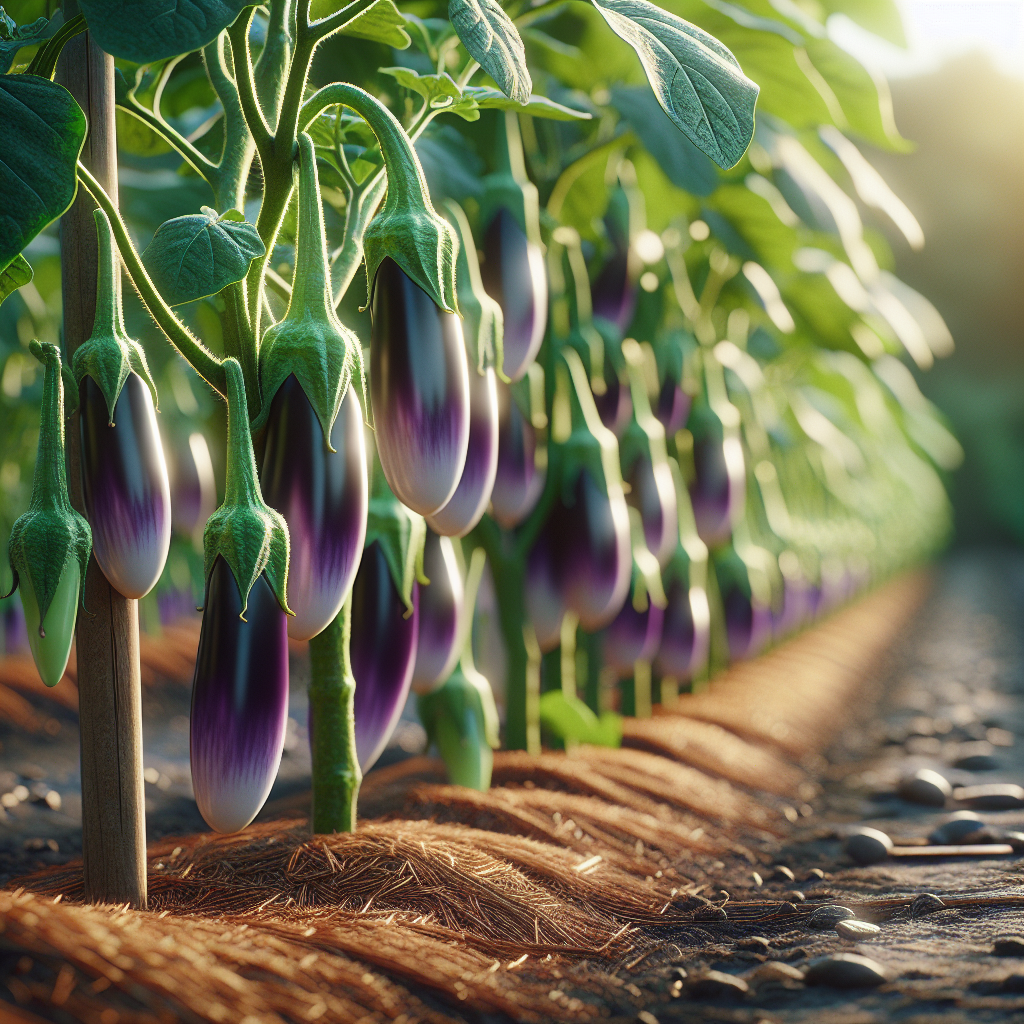
Eggplant (Ping Tung Long)
Ping Tung Long is a vigorous Taiwanese eggplant variety prized for its exceptionally long, slender, glossy purple fruits, mild flavor, and low seed count. It thrives in sustained heat, rewards careful fertility and moisture management with heavy yields, and is especially well suited to gardeners and growers seeking continuous harvests over a long warm season.
View Guide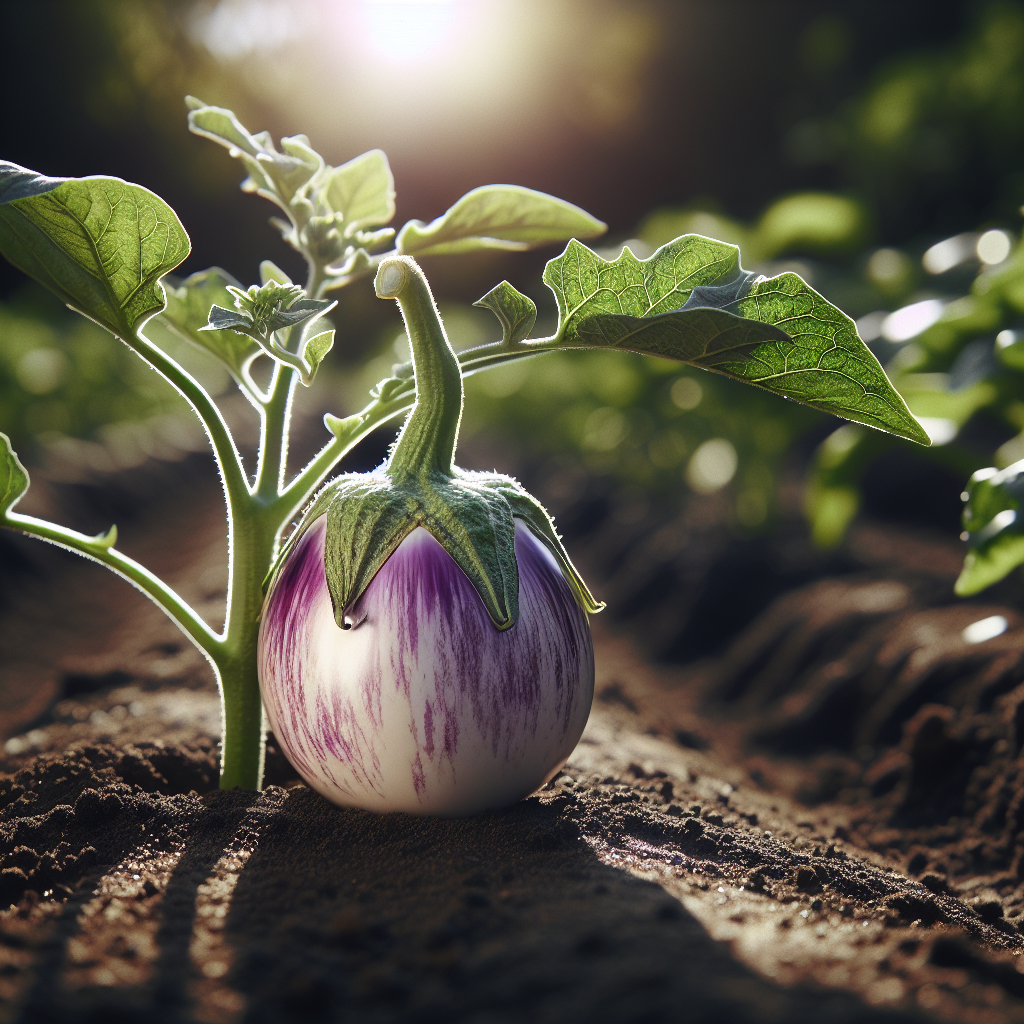
Eggplant (Rosa Bianca)
Eggplant (Rosa Bianca) is a prized Italian heirloom known for its rounded, lightly ribbed fruits with lavender-and-white marbling and exceptionally mild, creamy flesh. It is less bitter than many standard eggplants, but it is also more particular about warmth, fertility, and consistent moisture, making careful management essential for top-quality harvests.
View Guide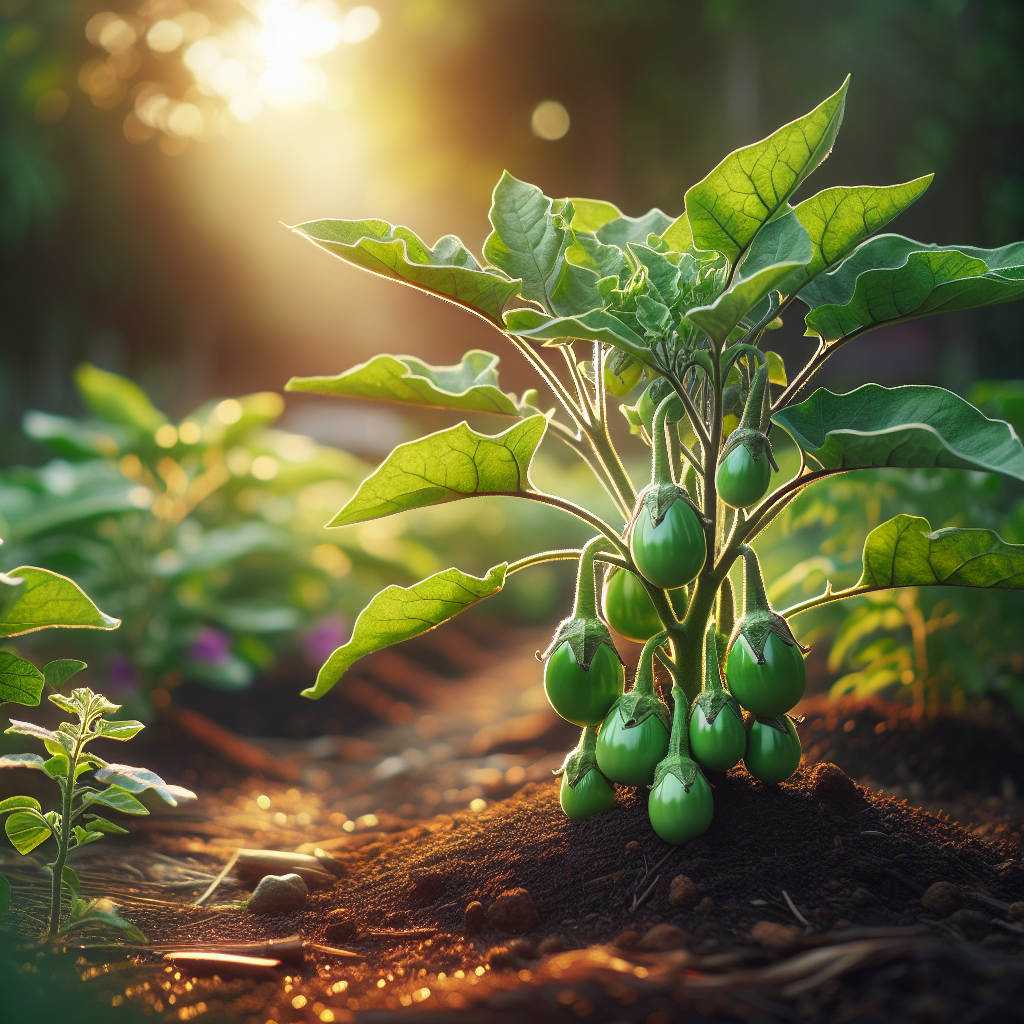
Eggplant (Thai Green)
Eggplant (Thai Green) is a warm-season Asian eggplant type prized for its small to medium, round to slightly oval green fruits with tender flesh, mild bitterness, and excellent performance in stir-fries, curries, and fresh market sales. Compared with large globe eggplants, Thai green types are typically more heat-tolerant, earlier to bear, and highly productive when grown in fertile, well-drained soils with consistent warmth and moisture.
View Guide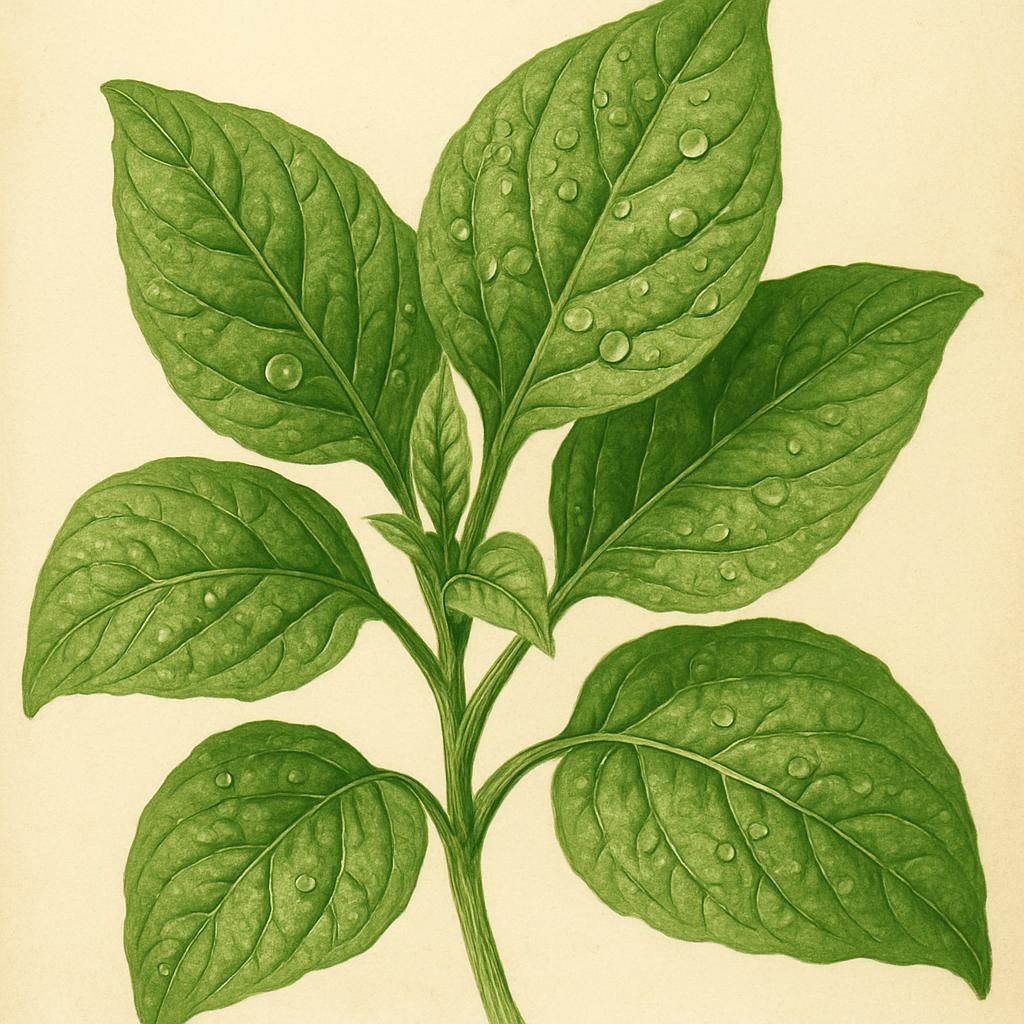
Egyptian Spinach (Molokhia)
Egyptian Spinach, known as Molokhia, is a nutritious leafy green native to the Middle East and parts of Africa. It thrives in warm climates and is renowned for its high vitamin and mineral content.
View Guide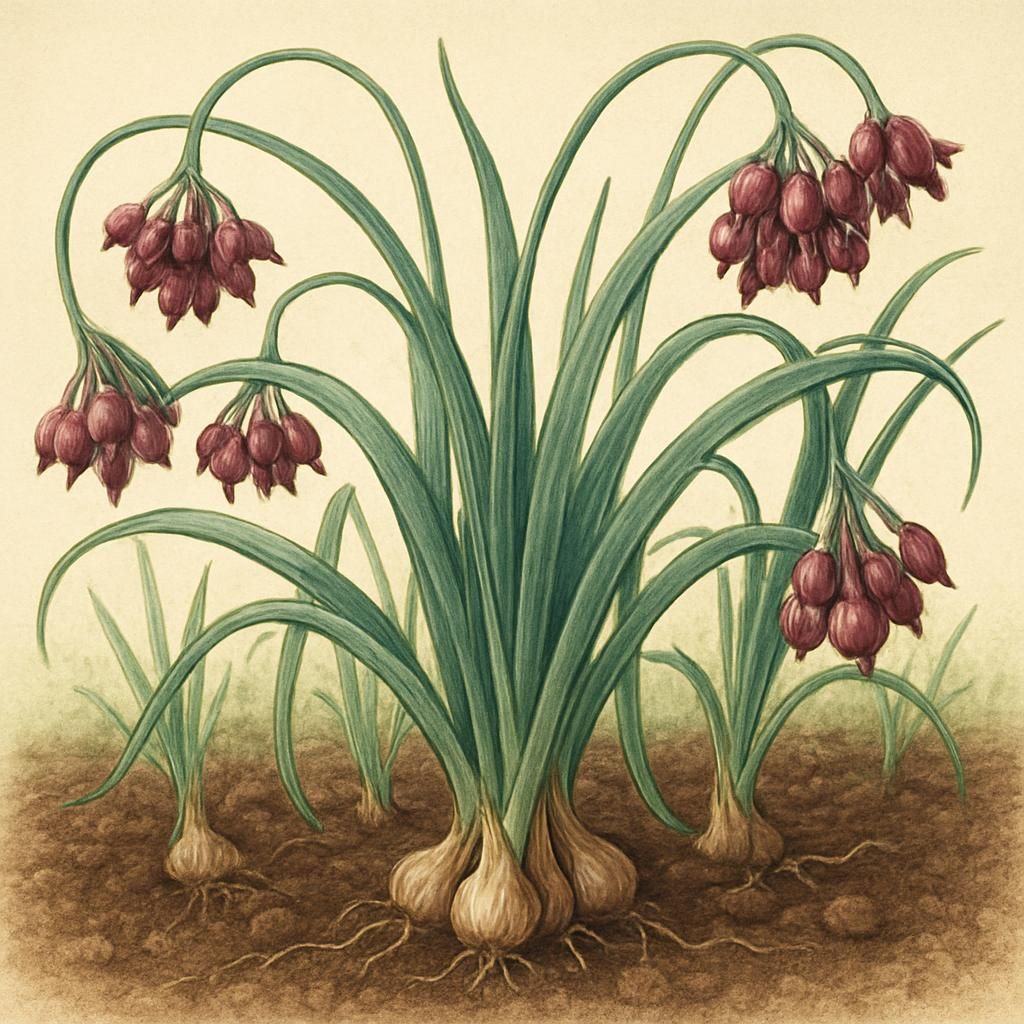
Egyptian Walking Onion
Egyptian Walking Onion is a hardy, perennial allium prized for its self-propagating habit and dual-purpose bulbs and greens. This low-maintenance crop thrives in temperate climates and delivers continuous harvests with minimal intervention. Its unique top-set bulbils allow it to "walk" across the garden, making it both productive and fascinating for home and small-scale growers.
View Guide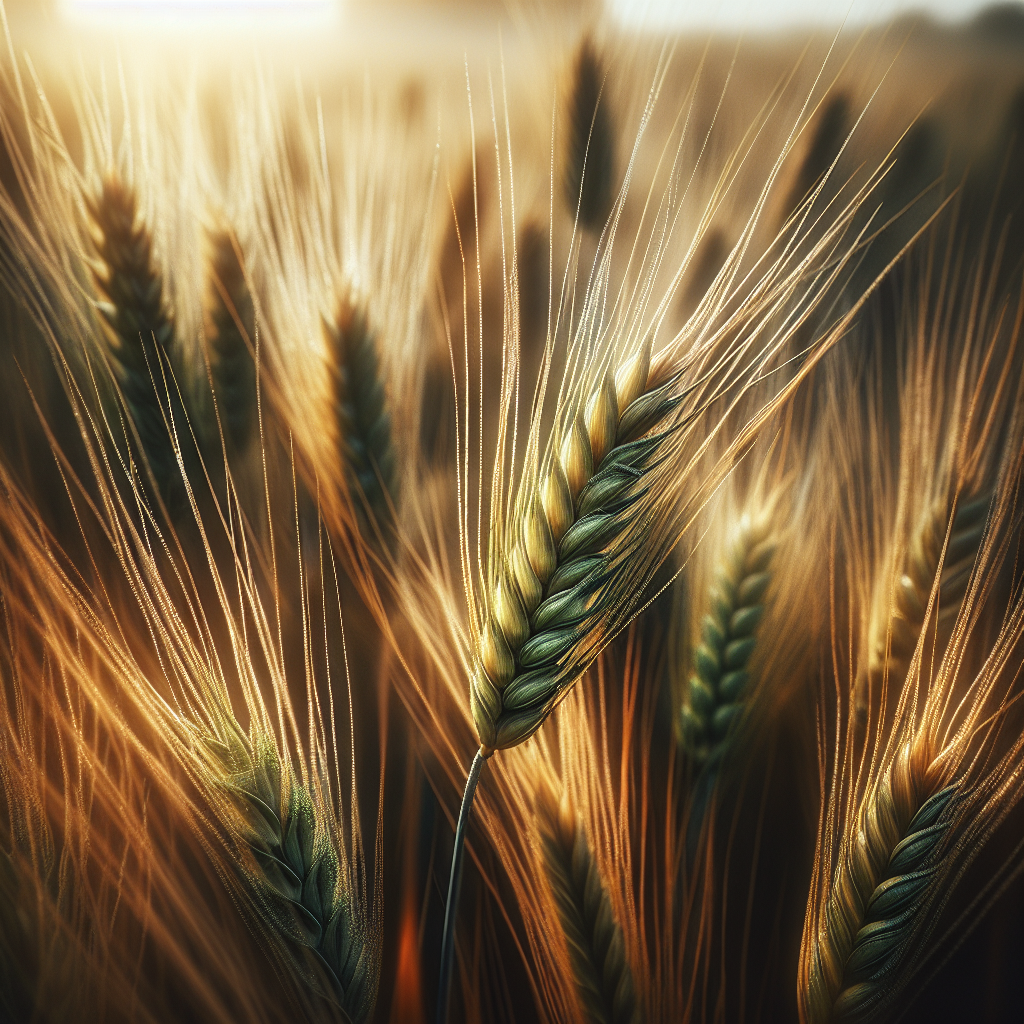
Einkorn Wheat
Einkorn wheat is one of the oldest domesticated cereal grains, valued for its rich flavor, resilience in low-input systems, and suitability for marginal soils. Though typically lower-yielding than modern bread wheat, it rewards careful growers with a nutritious, specialty grain that performs especially well in cool temperate climates and diversified organic rotations.
View Guide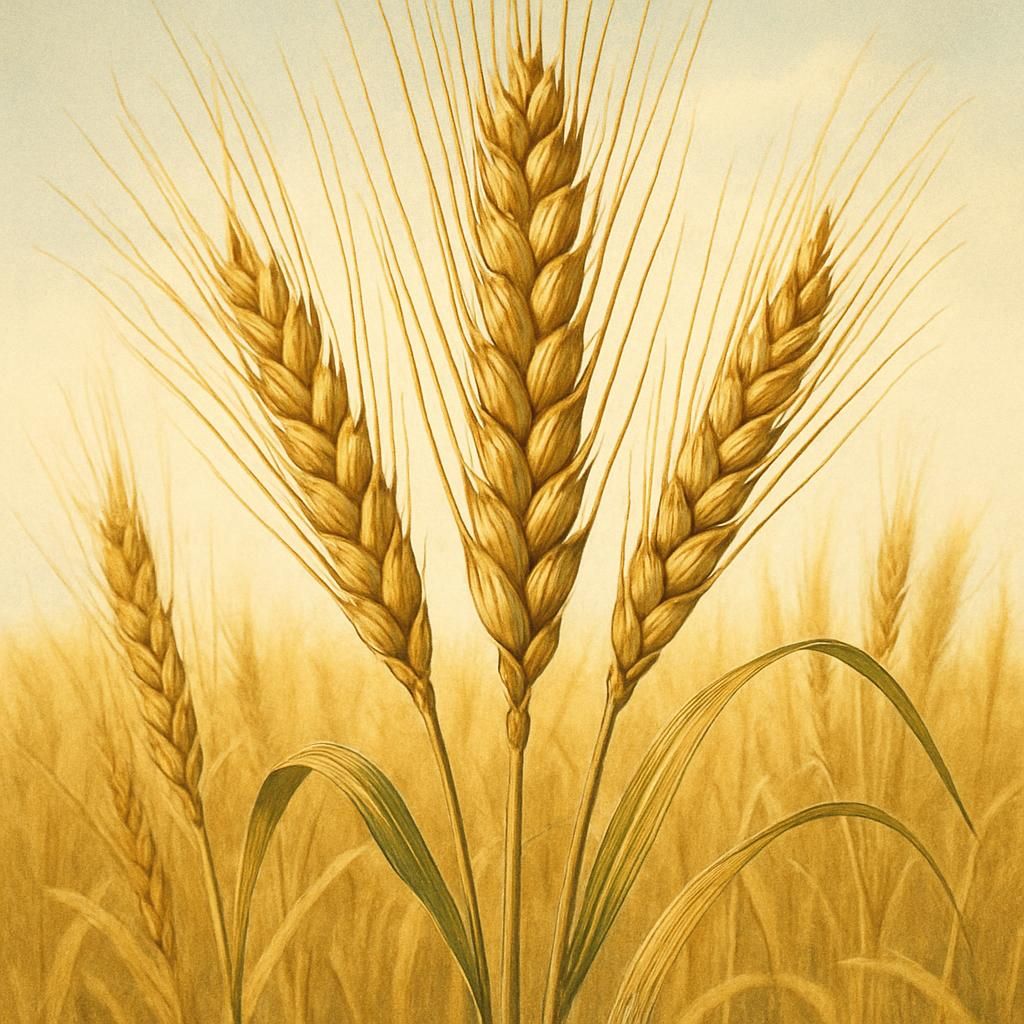
Einkorn Wheat (Triticum monococcum)
Einkorn wheat is an ancient grain, prized for its nutritional benefits and suitability for various growing climates. This guide offers a comprehensive overview of its cultivation, including soil, climate requirements, and pest management.
View Guide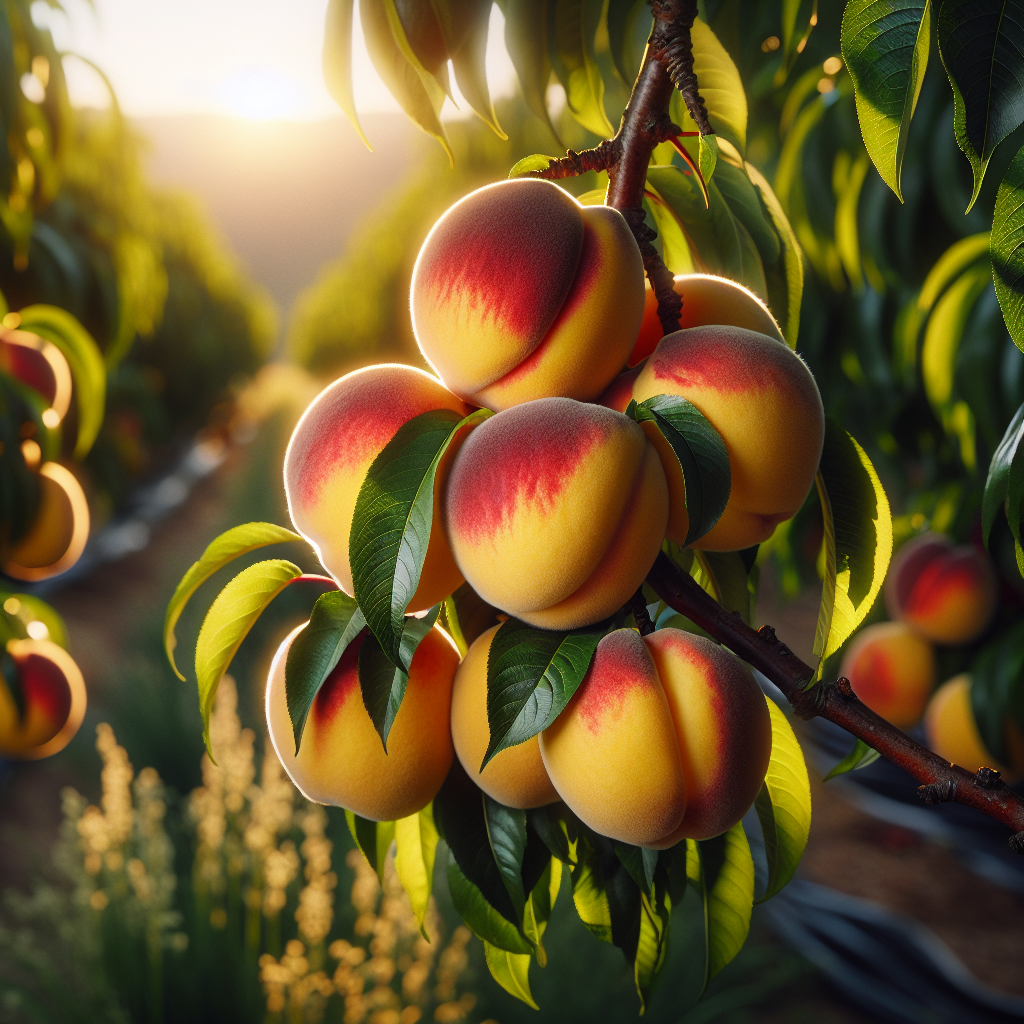
Elberta Peach
Elberta Peach is a classic late-season freestone peach prized for its large golden-yellow fruit, red blush, rich aroma, and excellent fresh-eating and canning quality. First introduced in the United States in the late 19th century, it became one of the most widely planted peaches because of its productivity, transportability, and dependable performance in many temperate regions.
View Guide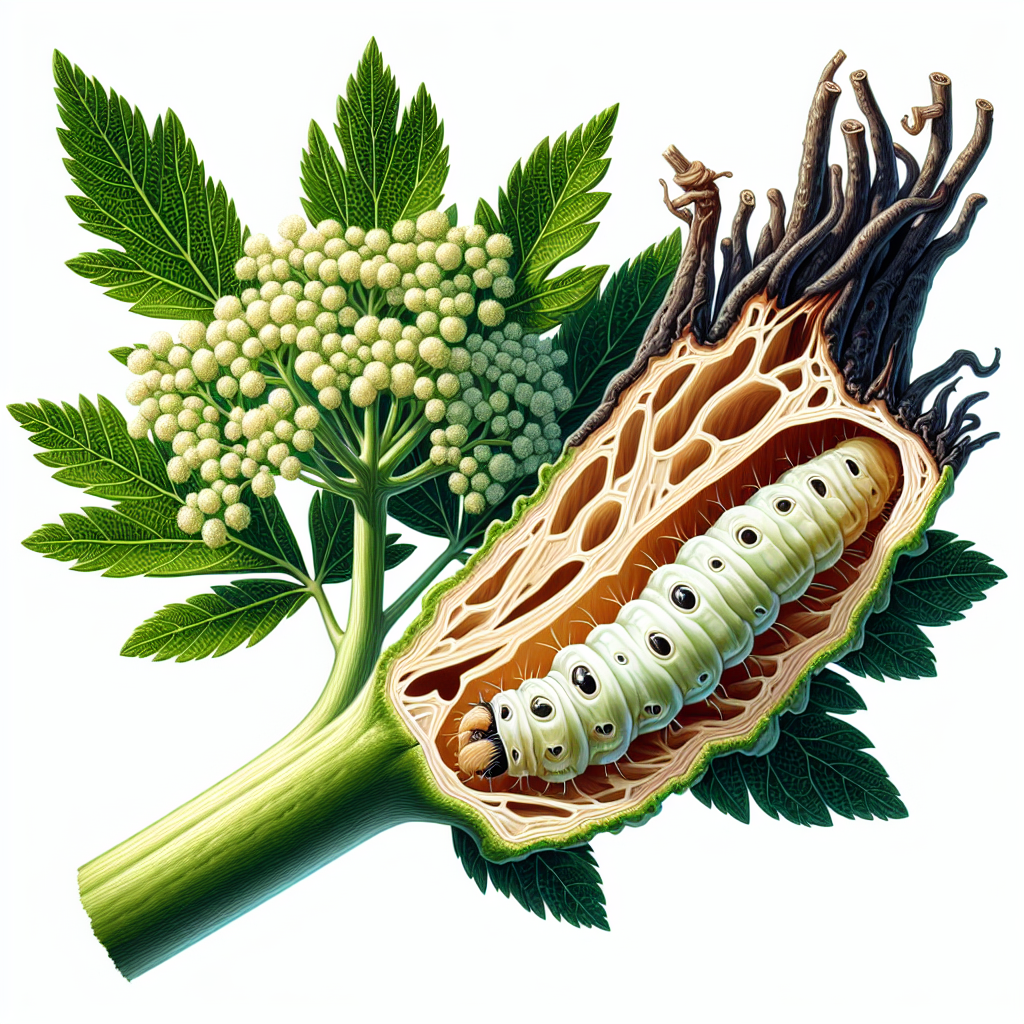
Elder shoot borers
Elder shoot borers are the larvae of the currant clearwing moth, notorious for tunneling into the shoots and stems of elderberry plants, causing wilting and dieback. This pest significantly reduces plant vigor and yield in elderberry orchards and wild stands. Effective management combines early detection, organic controls, and cultural practices for sustainable control.
View Profile