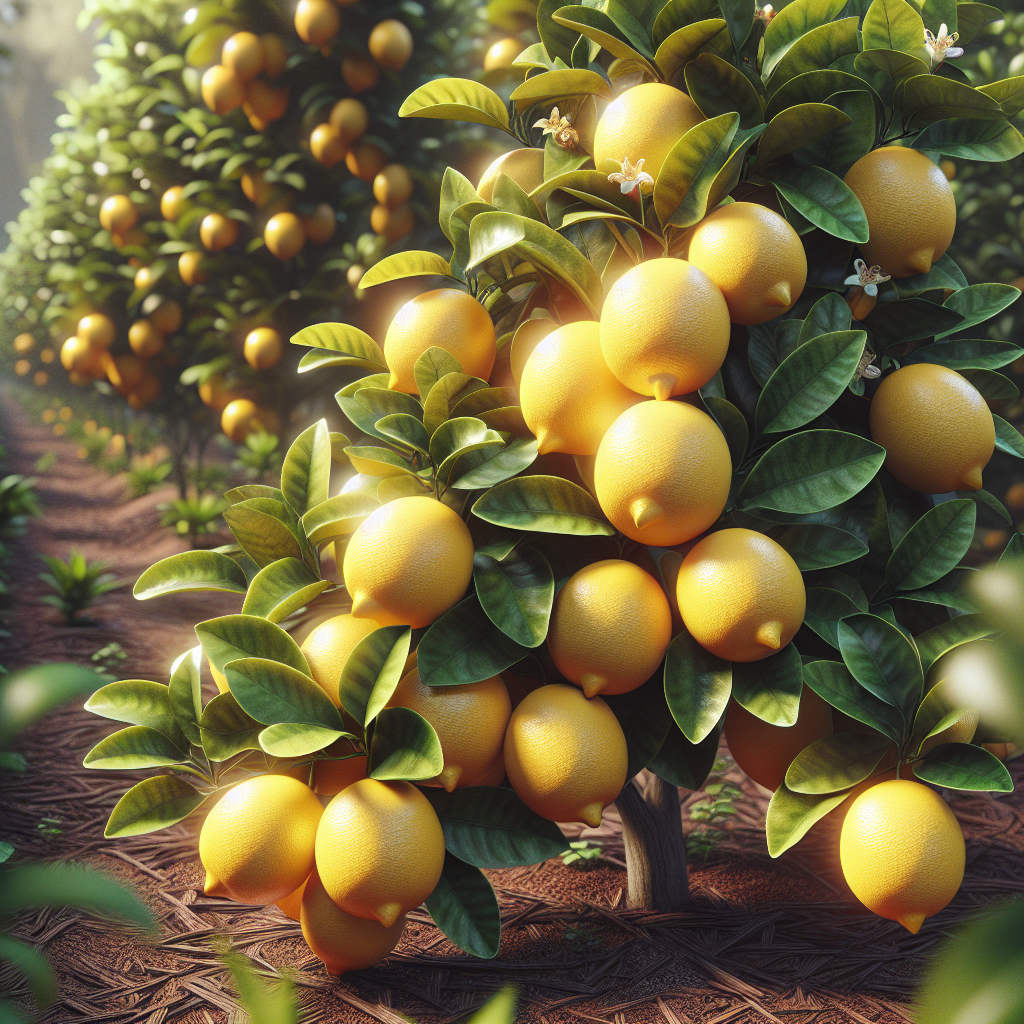
Introduction to Eureka Lemon
A classic commercial and home-orchard lemon, this variety is believed to have originated in California in the 19th century from Italian lemon seed, eventually becoming one of the defining lemons of warm Mediterranean and subtropical production systems. It is often compared with Lisbon and Lemon, but Eureka is especially recognized for its open growth habit, fewer thorns than many older lemon lines, abundant fruiting, and the tendency to bear heavily over extended periods rather than in just one sharply defined season.
For growers, its appeal is simple: high juice content, reliable quality, strong culinary demand, and excellent productivity when temperature extremes are avoided. For market gardeners and orchardists, however, it is not a “plant and forget” citrus. Eureka performs best where winters are mild, soils drain quickly, salinity is low to moderate, and tree stress is minimized. It is more vulnerable to frost, wind burn, and rind blemishing than tougher citrus types, so professional-grade management pays dividends.
Mature fruit is typically medium-sized, oval to oblong, with a pronounced nipple at the blossom end, bright yellow peel, pale yellow flesh, and a sharply acidic juice profile. Trees can flower multiple times per year in frost-free zones, which means fruit at different developmental stages may be present on the same tree. This prolonged bearing habit is useful for fresh harvest supply but requires consistent feeding and irrigation to prevent alternate stress cycles.
Botanical Profile of Eureka Lemon
This cultivar belongs to the Rutaceae family and is a true lemon rather than a sweet lemon or lemon-like hybrid. Trees are usually medium-sized, commonly reaching 10-20 feet tall in the ground depending on rootstock, pruning style, and climate, though they can be maintained at 6-10 feet for home orchards or protected culture. The canopy is more open and somewhat spreading compared with denser citrus forms, which improves light penetration but can expose fruit and twigs to sunburn in very hot inland sites.
Leaves are evergreen, glossy, elliptic, and distinctly aromatic due to abundant oil glands. Petioles are narrowly winged or nearly wingless, a helpful citrus identification trait. New flush often emerges with bronze or reddish tints before hardening to green. Like many lemons, Eureka can flower more than once annually, especially after shifts in temperature, irrigation, or nutrition, though the main bloom in many regions occurs in spring.
Flowers are white inside, often tinged purple on the outer surfaces of petals and buds, and strongly fragrant. The tree is self-fertile, so a single specimen can set fruit without another pollinizer. Even so, bee activity improves pollination efficiency and can increase fruit set during major bloom periods.
Fruit characteristics are central to cultivar identity. Eureka lemons usually have a relatively thin peel, abundant juice, and fewer seeds than some older lemon selections, though seed count varies by pollination conditions and growing region. The rind is rich in essential oils, making it useful for zest and processing. Because the peel is thinner, harvested fruit can lose moisture faster than thicker-rinded citrus if stored poorly.
Many nursery trees are grafted rather than grown on their own roots. Rootstock choice strongly affects vigor, soil adaptation, disease tolerance, and ultimate tree size. In calcareous or moderately alkaline soils, a rootstock tolerant of iron chlorosis and variable pH is important. In heavier soils, Phytophthora-tolerant rootstocks are preferable. For containers, semi-dwarfing stock is often selected to manage size and improve root-to-canopy balance.
Soil, pH, and Climate Requirements for Eureka Lemon
Excellent drainage is non-negotiable. This tree can tolerate many textures, including sandy loam, loam, and well-structured sandy clay loam, but it performs poorly in compacted or waterlogged ground. Root systems require oxygen; when the root zone remains saturated, fine feeder roots die back, nutrient uptake collapses, and root-rot pathogens gain an advantage. If a planting hole fills with water and remains wet more than 24 hours after rain or irrigation, drainage correction is needed before planting.
Ideal soil pH is roughly 5.5 to 6.5, though trees can grow in a somewhat wider range, about 5.0 to 7.5, with careful nutrient management. At pH above 7.5, iron, zinc, and manganese deficiencies become more likely, often appearing as interveinal chlorosis on young leaves. In strongly acidic soils below pH 5.0, calcium and magnesium issues may appear, and root vigor may be reduced. A professional citrus soil test should evaluate pH, electrical conductivity, organic matter, calcium, magnesium, sodium, chloride, boron, and micronutrients.
In-ground sites should have at least 3-5% organic matter if possible, but avoid burying large amounts of undecomposed compost directly in the planting hole. Instead, build soil biology over the broader root zone with topdressed compost and mulch. For container culture, use a fast-draining citrus mix with coarse bark, pumice or perlite, and a modest moisture-retentive fraction such as coco coir. Containers must drain freely; saucers should never hold standing water for long periods.
Temperature is one of the main limiting factors. Eureka prefers warm temperate, Mediterranean, subtropical, and frost-light coastal climates. Optimal active growth typically occurs around 68-86°F (20-30°C). Flowering and fruit set are best when spring conditions are mild and stable. Prolonged heat above 95°F (35°C), especially with dry winds, can cause blossom drop, small fruit, leaf curl, sunburn, and irregular rind texture unless irrigation is expertly maintained.
Cold sensitivity is greater than many growers expect. Light frost can damage flowers, new flush, and small fruit. Significant injury often begins around the upper 20s°F (-2 to -3°C), with young trees especially vulnerable. Wood damage becomes more likely with longer freezes or lower temperatures. Choose a south-facing or southwest-facing site, preferably with reflected warmth, wind shelter, and cold-air drainage. Avoid low frost pockets.
Rainfall matters less than soil moisture consistency. Trees need regular moisture but not constant saturation. A mature in-ground tree often benefits from deep irrigation that moistens the upper 18-24 inches of soil, followed by partial drying of the surface before the next watering. In practical terms, the top 2-3 inches may dry between waterings, but the deeper root zone should remain lightly moist. If leaves yellow uniformly, soil smells sour, algae forms near the trunk, or lower leaves drop while soil remains wet, overwatering is likely. If young leaves wilt in midday and fail to recover by evening, fruit remains undersized, or new flush aborts, underwatering is more likely.
For broader soil management principles, see soil health strategies.
Step-by-Step Planting & Propagation
Most growers should start with a grafted nursery tree. Seed propagation is possible, but seedlings are genetically variable, slower to bear, and unsuitable when consistent commercial fruit quality is the goal. Grafted trees also allow rootstock selection for disease pressure, soil conditions, and tree size control.
- Select a planting site with at least 8 hours of direct sun, protection from prevailing desiccating wind, and no standing water after rain.
- Test soil pH and drainage before planting. If drainage is marginal, plant on a mound or raised berm 12-18 inches high and several feet wide.
- Dig a hole only as deep as the root ball and 2-3 times as wide. Avoid deep planting. The top of the root ball should sit level with or slightly above surrounding soil.
- Remove the container carefully and inspect roots. If circling roots are present, gently loosen or make a few shallow vertical cuts to encourage outward growth.
- Set the tree so the graft union remains several inches above final soil level. Never bury the graft.
- Backfill with native soil rather than a highly amended pocket. This discourages roots from remaining confined to the planting hole.
- Water thoroughly to settle soil, then apply a 2-4 inch mulch layer over the root zone, keeping mulch 6-8 inches away from the trunk to prevent collar rot.
- If the site is windy, stake loosely for the first season, but remove supports once the trunk stabilizes.
Spacing depends on vigor and management style. Standard orchard spacing may range around 12-20 feet between trees, with tighter spacing for dwarfing rootstocks and intensive pruning. Home growers who keep trees hedged can work closer, but airflow should remain good enough to reduce fungal pressure and rind blemish.
Container planting requires a pot large enough to buffer temperature and moisture swings. Begin with a container only slightly larger than the root ball, then step up over time; an oversized pot can stay wet too long. Use a gritty citrus medium, place the tree in full sun, and plan on more frequent fertilization than for in-ground trees.
Propagation by budding or grafting is standard. T-budding onto compatible citrus rootstock is widely used in professional nurseries. Hardwood or semi-hardwood cuttings may root under mist with hormone treatment, but this is much less common for production trees because own-root plants may lack the advantages of selected rootstocks.
Care & Maintenance regimes for Eureka Lemon
Irrigation should change with tree age, soil texture, and season. Newly planted trees need frequent but moderate watering until roots move into surrounding soil. In sandy soils, this may mean watering 2-3 times per week during hot periods for the first season; in loam, perhaps once or twice weekly; in cooler weather, less. Mature trees prefer deeper, less frequent irrigation. The goal is to wet the active root zone thoroughly, then allow surface drying while avoiding drought stress at depth.
A practical method is to check moisture 6-8 inches below the surface. Soil should feel cool and slightly damp, not sticky and airless, and not powder-dry. Drip irrigation is excellent when emitters are expanded outward as the canopy grows. Do not concentrate all water at the trunk; feeder roots are usually most active near and beyond the drip line.
Nutrition is critical because lemons are heavy feeders, especially under repeated bloom and fruiting. Nitrogen drives canopy renewal and sustained cropping, but excess nitrogen creates overly lush, pest-prone growth and coarse rind. Feed in split applications during active growth from late winter or early spring through midsummer. Young trees usually benefit from smaller, more frequent applications. Mature trees can receive several seasonal feedings based on expected crop load.
A citrus-specific fertilizer with nitrogen plus magnesium, iron, manganese, zinc, and boron is preferable. Visual cues help fine-tune the program: pale overall foliage may indicate nitrogen deficiency; yellowing between veins on young leaves suggests iron or manganese issues; reduced fruit size and weak flowering can reflect potassium shortage. Foliar micronutrient sprays are sometimes useful where high pH soils lock up trace elements.
Pruning should be light and strategic. Eureka fruits on relatively young wood, so severe pruning can reduce the next crop. Remove dead, diseased, crossing, or inward-growing branches. Maintain a balanced framework with enough canopy to shade fruit and scaffold limbs, especially in hot areas. Remove suckers arising from below the graft union promptly, as they divert energy and can overtake the tree.
Sunburn prevention matters more than many first-time citrus growers realize. In exposed sites, trunk and scaffold branches can suffer bark damage. Whitewash exposed wood with a 1:1 mix of interior white latex paint and water, or use a commercial tree paint. Preserve enough leaf cover to protect developing fruit from rind burn.
Mulching improves moisture regulation, microbial activity, and weed suppression. Apply arborist chips, leaf mold, or composted bark in a broad ring, but keep the trunk flare open and dry. Avoid deep cultivation around the tree because citrus roots are shallow and easily damaged.
Fruit thinning is rarely mandatory, but in very heavy set years it can improve size and reduce limb breakage, especially on young trees. Remove damaged, clustered, or misshapen fruit early. Support overloaded branches if needed.
Pests, Diseases & Organic Management
Common insect pests include aphids, scale insects, mealybugs, citrus leaf miner, whiteflies, spider mites, and sometimes thrips. Sap-feeding insects excrete honeydew, which encourages sooty mold and reduces photosynthesis. leaf miner is especially troublesome on tender new flush, creating serpentine mines and distorted leaves. Healthy mature trees usually tolerate some damage, but repeated attacks on young trees can slow establishment.
Organic management starts with monitoring. Inspect the undersides of leaves, tender shoots, petioles, and fruit stems weekly during warm growth periods. Encourage beneficial insects by maintaining floral diversity nearby and avoiding broad-spectrum insecticides. Horticultural oil is one of the most useful tools for scale, mealybug, and some mite suppression when applied thoroughly and at suitable temperatures. Insecticidal soap can help on soft-bodied pests but requires direct contact and may need repeat treatments.
Ant control is often essential because ants protect aphids, scale, and mealybugs from predators. Use barriers, bait systems, and habitat sanitation. Prune branches that touch structures or weeds that create ant bridges.
Diseases of concern include Phytophthora root rot and collar rot, greasy spot in humid regions, citrus canker where present, alternaria issues in some environments, and post-injury fungal invasion after frost or sunburn. Root diseases are strongly linked to poor drainage, buried trunks, or excessive irrigation. If bark at the crown becomes dark, gummy, cracked, or sunken, investigate immediately.
Cultural prevention is more effective than rescue. Keep irrigation off the trunk, maintain mulch setback, ensure airflow, and avoid wounding bark. Remove fallen diseased fruit and heavily infected leaves from beneath the canopy. Sanitize pruning tools when working between suspect trees.
Nutritional balance also influences disease susceptibility. Excessive nitrogen can stimulate tender growth that attracts pests and is more vulnerable to certain foliar problems. Conversely, underfed trees have poor canopy density and weaker natural defenses.
In areas where citrus greening or other quarantined diseases occur, source only certified disease-free nursery stock and follow local agricultural regulations. Once systemic citrus diseases are established, eradication or strict management protocols may be required.
Harvesting, Curing & Optimal Storage
Harvest timing depends on rind color, juice content, and market purpose. Eureka lemons can be picked when the peel turns from green to full yellow, but external color alone is not enough. Fruit should feel heavy for size, indicating good juice fill. Commercially, lemons are sometimes harvested slightly earlier depending on transport and market preferences, but home growers usually get best flavor and juice after full maturity.
Use hand clippers rather than pulling fruit, especially when stems are tough. Clip close to the button without puncturing neighboring fruit. Handle gently; the thin peel marks and bruises more easily than many people realize. Harvest in the cool part of the day and keep fruit shaded.
Unlike curing crops such as onions or pumpkins, lemons do not undergo a true curing phase. Instead, postharvest handling focuses on drying surface moisture, preventing wounds, and maintaining humidity. If fruit is wet from dew or washing, let the surface dry before storage to reduce decay risk.
For short-term storage at room temperature, fruit may keep around 1-2 weeks if air is cool and circulation is good. For longer storage, refrigerate at high humidity. Ideal storage is around 50-55°F (10-13°C) with relative humidity near 85-90% when possible; household refrigeration is colder and drier, but still effective for several weeks if fruit is placed in a breathable or lightly vented bag. Very low humidity causes shriveling and weight loss.
Fruit left on the tree can often hold reasonably well, but extended hanging may reduce acidity balance, increase rind coarseness, or expose fruit to pests and weather damage. Frequent selective harvesting usually gives the best quality.
Companion Planting for Eureka Lemon
The most useful companions are species that attract beneficial insects, suppress weeds, moderate soil temperature, or occupy shallow surface niches without aggressively competing with citrus roots. Thai Basil helps draw pollinators and predatory insects while tolerating warm conditions. Clover can function as a living mulch in wider orchard alleys or around the outer root zone, improving soil cover and contributing some nitrogen through biological fixation. Garlic is often used near the orchard perimeter or in nearby beds for pest-diversity benefits, though it should not be crowded tightly against the trunk. Sunflower can support beneficial insect populations and biodiversity if placed where it does not cast prolonged shade on young trees.
Keep companion plants at least several feet away from the trunk basin, especially during establishment. The area immediately around the tree should remain weed-free to reduce moisture competition and trunk disease risk. Avoid vigorous climbers, dense grasses right at the crown, or thirsty annuals that force erratic irrigation scheduling.
Well-managed companion planting supports ecological resilience, but citrus still performs best when the root zone is protected from excessive competition and irrigation is designed around the tree’s needs rather than mixed plantings. In practice, the best layout is often a clean mulch ring beneath the canopy, with companions placed just beyond the inner root zone or in adjacent rows.