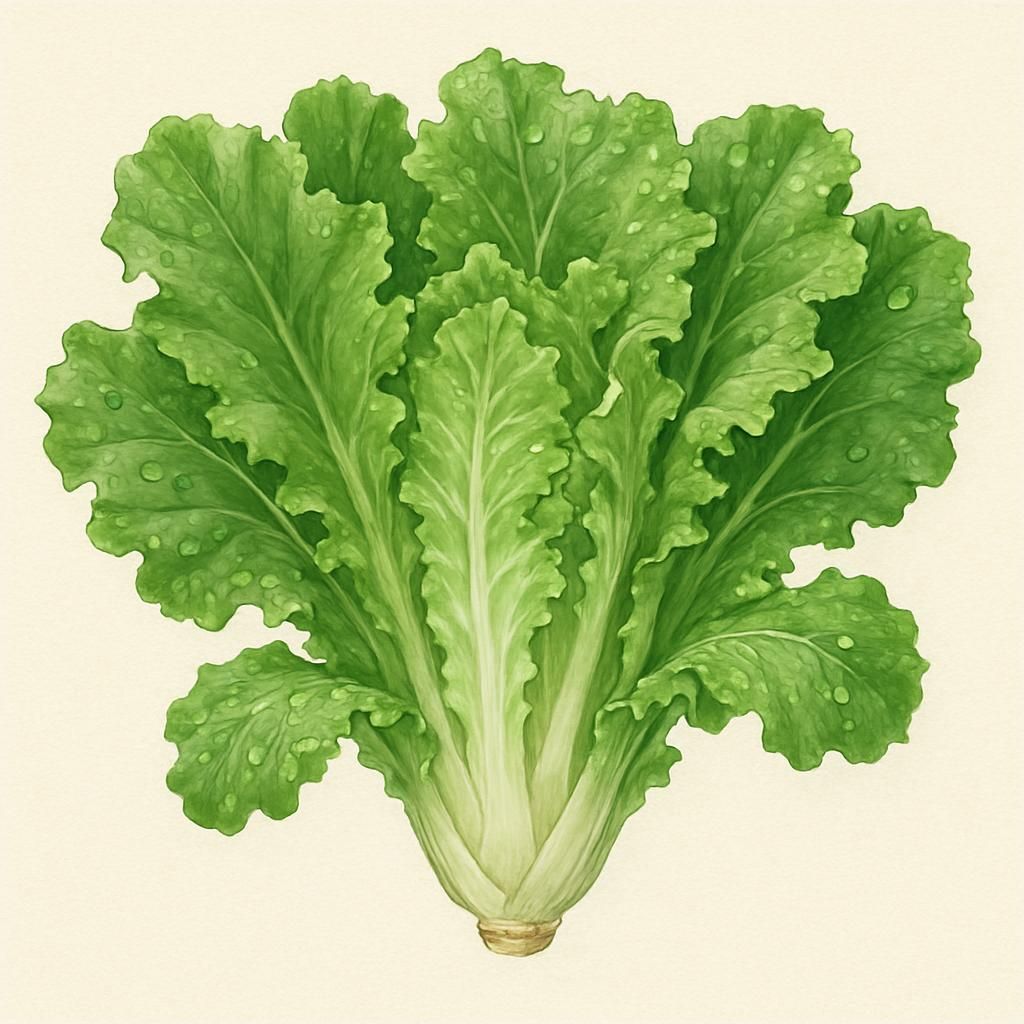
Introduction to Escarole (Cornet de Bordeaux)
Escarole, specifically the 'Cornet de Bordeaux' variety, is a member of the chicory family. Known for its broad, slightly curled leaves and mildly bitter taste, escarole is a popular ingredient in both raw and cooked dishes. This variety is favored not only for its flavor but also for its robust growth and adaptability to various climates.
Botanical Profile of Escarole (Cornet de Bordeaux)
Escarole (Cichorium endivia var. latifolium) is a biennial plant grown as an annual, primarily in temperate climates. It reaches maturity with a rosette of leaves, which are thicker and less bitter than those of other chicories. Escarole belongs to the family Asteraceae and is closely related to endive and radicchio.
Soil, pH, and Climate Requirements for Escarole (Cornet de Bordeaux)
To maximize growth, escarole requires well-drained soil rich in organic matter. It prefers a slightly acidic to neutral pH. Here's a detailed table representing its ideal growing conditions:
| Condition | Ideal Range |
|---|---|
| Soil Type | Loamy, well-drained |
| Soil pH | 6.0 - 7.5 |
| Sunlight | Full sun to partial shade |
| Climate | Cool, mild temperatures |
| Temperature | 15°C - 20°C (59°F - 68°F) |
Step-by-Step Planting & Propagation
- Seed Selection: Choose high-quality seeds from a reliable source. 'Cornet de Bordeaux' seeds should be firm and stored in a cool, dry place until planting.
- Soil Preparation: Amend the soil with compost or well-rotted manure to enhance its nutrient content and drainage.
- Sowing: Sow seeds directly in the garden by broadcasting them in rows 30-45 cm apart. Cover seeds lightly with soil.
- Thinning: Once seedlings reach 5 cm in height, thin them to allow a spacing of 30 cm between plants to ensure adequate air circulation.
- Transplanting: If growing indoors first, transplant escarole seedlings outside once they have several true leaves and after the threat of frost has passed.
Care & Maintenance Regimes for Escarole (Cornet de Bordeaux)
Regular maintenance of escarole includes watering, fertilization, and pest control. The following table outlines care guidelines:
| Task | Frequency | Description |
|---|---|---|
| Watering | Weekly | Maintain soil moisture, avoid waterlogging |
| Fertilizing | Bi-weekly | Use a balanced, nitrogen-rich fertilizer |
| Pruning | As needed | Remove damaged leaves to promote growth |
Pests, Diseases & Organic Management
Escarole is susceptible to pests like Aphids, Spider Mites, and slugs. Common diseases include downy mildew and leaf spots. Use organic pest control methods such as neem oil or insecticidal soap to manage infestations. Implement crop rotation and sanitary garden practices to reduce disease incidence.
Harvesting, Curing & Optimal Storage
Harvest escarole when the leaves are full and crisp, usually 6-8 weeks after sowing. Cut leaves near the base, leaving a few inner leaves to encourage regrowth. For storage, keep harvested leaves in a breathable bag in the refrigerator, where they can last up to a week.
Companion Planting for Escarole (Cornet de Bordeaux)
Companion planting enhances growth and deters pests. Ideal companions for escarole include Garlic, Onion, and Carrot. Avoid planting near fennel, which can inhibit growth.
For additional tips on optimizing small farm yields, explore our article on Organic Pairings.