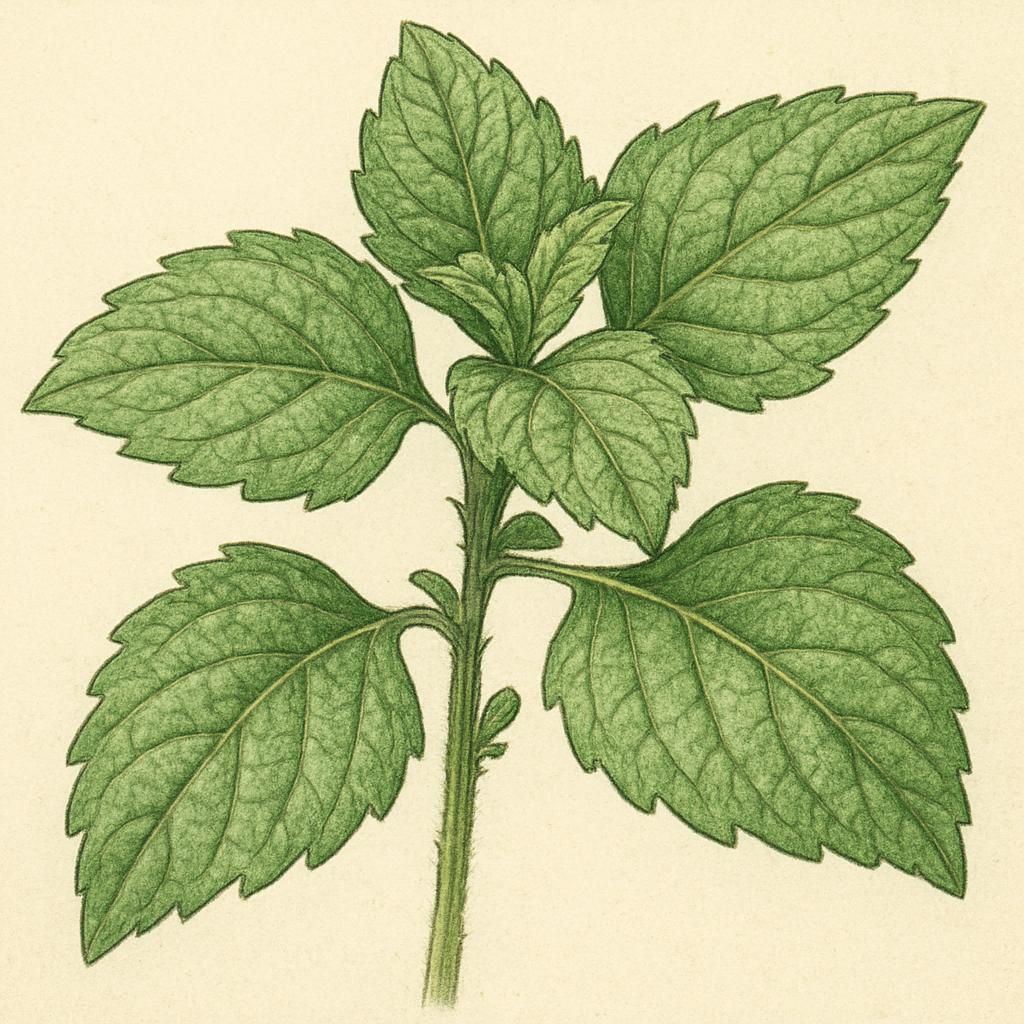
Introduction to Fat Hen (Chenopodium album)
Fat Hen, or Chenopodium album, is a versatile and nutrient-rich plant largely recognized as a weed in many regions. It thrives in diverse conditions and is appreciated for its edible leaves and seeds, which offer significant nutritional benefits, akin to the closely related quinoa.
Botanical Profile of Fat Hen (Chenopodium album)
Chenopodium album belongs to the Amaranthaceae family, which includes several nutrient-dense crops. The plant is characterized by its alternate, simple leaves, and its greenish flowers are clustered in dense spikes. One of its notable traits is its propensity to grow rapidly and its resilience against various environmental conditions.
Soil, pH, and Climate Requirements for Fat Hen (Chenopodium album)
Fat Hen is known for its ability to adapt to a wide range of soil types and climatic conditions. However, optimal growth is observed under certain specific conditions outlined below:
| Parameter | Ideal Condition |
|---|---|
| Soil Type | Loamy, well-drained soils |
| pH Level | 6.0 to 7.5 |
| Temperature | 15°C to 25°C |
| Rainfall | Moderate, with good drainage |
Step-by-Step Planting & Propagation
- Seed Selection: Choose high-quality seeds from a reputable supplier to ensure good germination and growth rates.
- Site Preparation: Prepare the soil by tilling to loosen it and remove existing weeds. Fat Hen tolerates a range of soils but thrives in well-drained, sandy loams.
- Sowing: Plant seeds shallowly, about 1 cm deep, and space them approximately 30 cm apart. For best results, sow in spring after the last frost.
- Watering: Maintain regular, moderate watering, ensuring the soil remains moist but not waterlogged.
- Thin Seedlings: Once seedlings reach several inches in height, thin them to maintain healthy spacing and reduce competition.
Care & Maintenance regimes for Fat Hen (Chenopodium album)
| Aspect | Schedule | Details |
|---|---|---|
| Watering | Weekly | Keep soil consistently moist, not waterlogged |
| Fertilization | Monthly | Use a balanced organic fertilizer |
| Pruning | As needed | Remove diseased or old growth to boost productivity |
Pests, Diseases & Organic Management
Fat Hen is relatively resistant to pests and diseases, but it may occasionally suffer from spider mites or aphid infestations. Organic management techniques include:
- Natural Predators: Encourage beneficial insects like ladybugs to control pest populations.
- Neem Oil: Use neem oil sprays as a natural pesticide.
- Companion Planting: Planting Nasturtiums can attract predatory insects that deter pests naturally.
Harvesting, Curing & Optimal Storage
Fat Hen leaves can be harvested continuously as the plant grows. Cut leaves in the morning to retain moisture and nutritional value. Seeds are harvested in late summer. After drying, store them in an airtight container in a cool, dark place.
Companion Planting for Fat Hen (Chenopodium album)
Fat Hen benefits from being planted alongside a variety of species. Some ideal companions include:
- Mint: Helps deter pests with its strong scent.
- Basil: Enhances growth and repels certain insects.
- Corn: Provides partial shade and structural support, fostering a beneficial microenvironment.
Explore more on enhancing small farm resilience with strategic planting by reading Summer Companion Planting: 10 Organic Pairings to Boost Small Farm Resilience.