Encyclopedia
Definitive guides for crops, pests, and agricultural diseases.
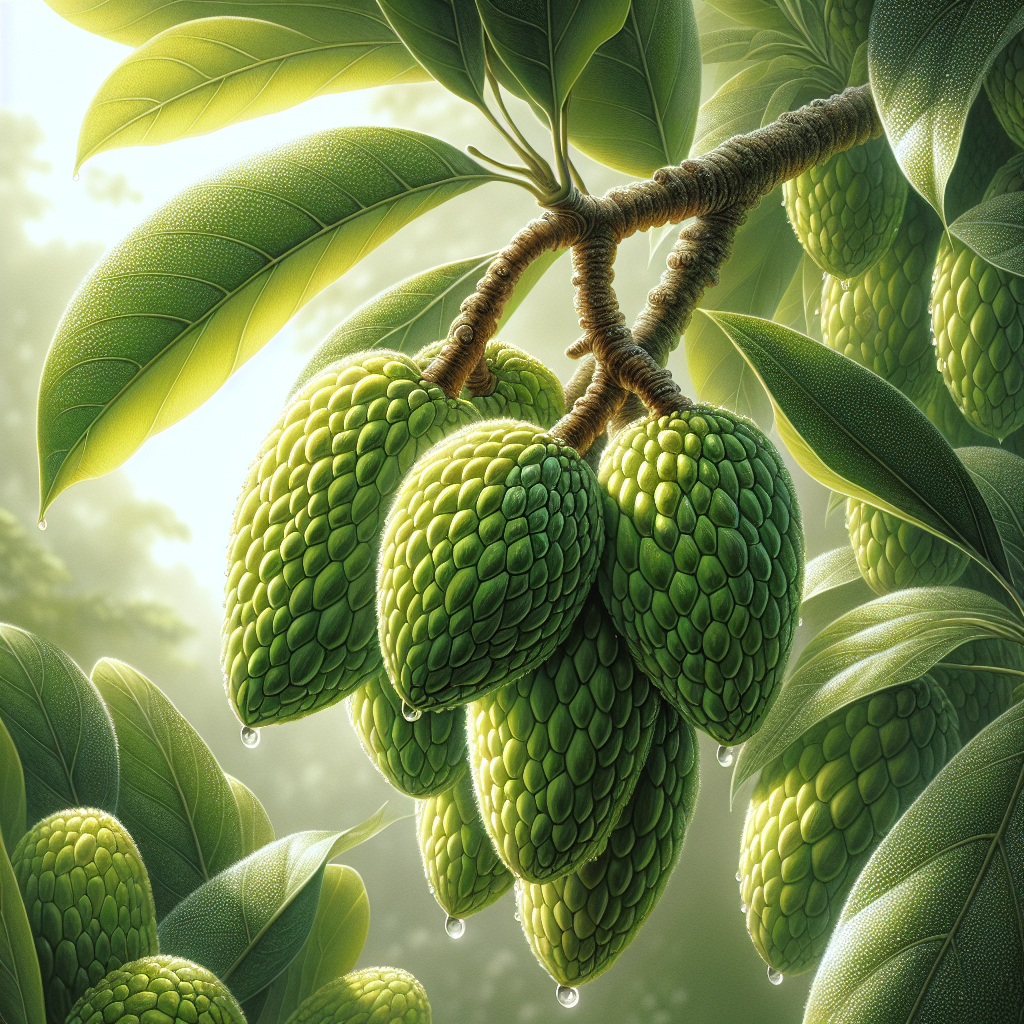
Keledang (Artocarpus lanceifolius)
Keledang (Artocarpus lanceifolius) is a lesser-known tropical fruit tree from the Moraceae family, native to Southeast Asia, prized for its sweet, aromatic fruits and nutritious seeds. This comprehensive guide covers everything from propagation to harvesting, helping growers optimize yields in suitable climates. Ideal for agroforestry systems, keledang offers both culinary value and ecological benefits.
View Guide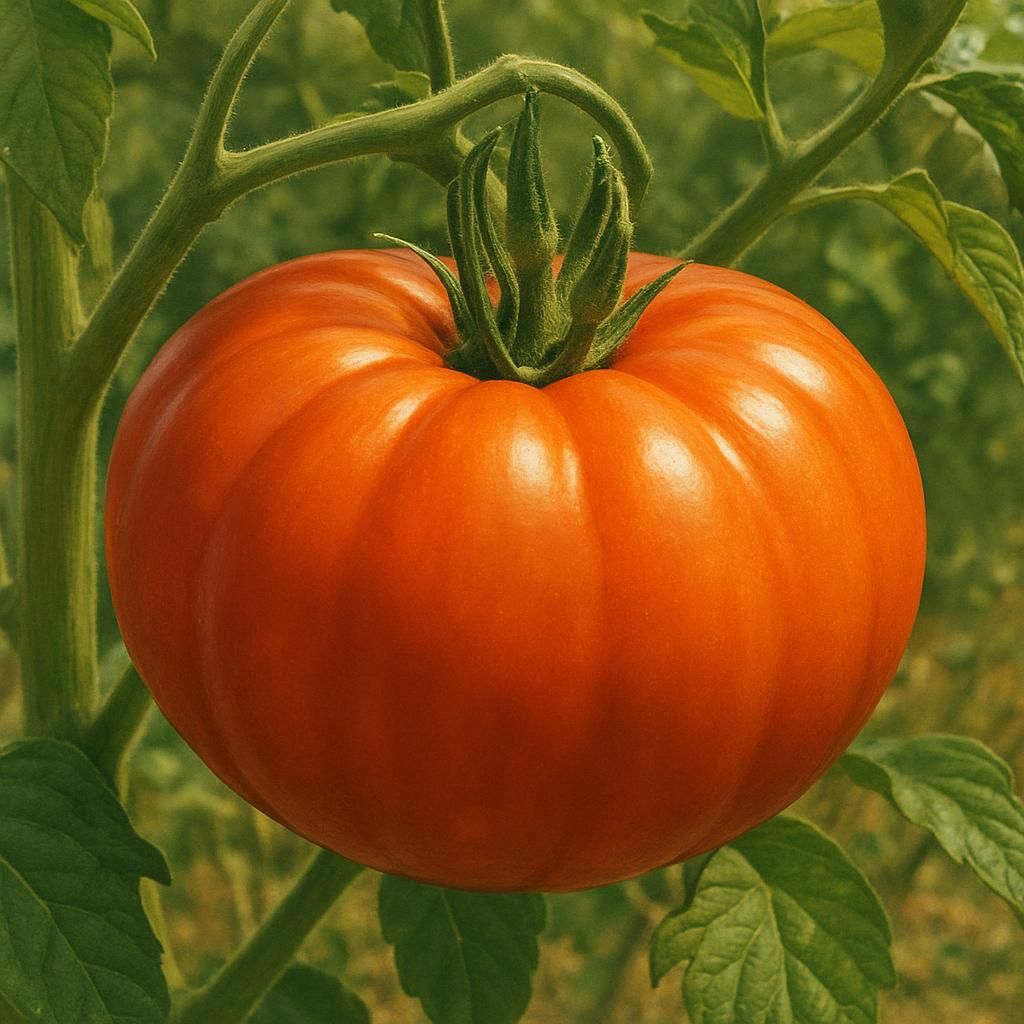
Kellogg's Breakfast Tomato
Kellogg's Breakfast Tomato is a rare, large-fruited heirloom variety prized for its striking orange coloration, exceptional sweetness, and meaty texture. Developed from a single fruit found in a Kellogg's cereal box, it has become a favorite among tomato enthusiasts for both flavor and productivity. This determinate beefsteak-type tomato thrives in warm climates and rewards growers with heavy yields of low-acid, vitamin-rich fruits.
View Guide
kelp
Kelp is a fast-growing marine macroalgae cultivated primarily for food, fertilizer, and industrial extracts. It thrives in cold, nutrient-rich coastal waters and requires specialized aquaculture techniques rather than traditional soil-based farming. This guide covers comprehensive cultivation practices for commercial and small-scale growers.
View Guide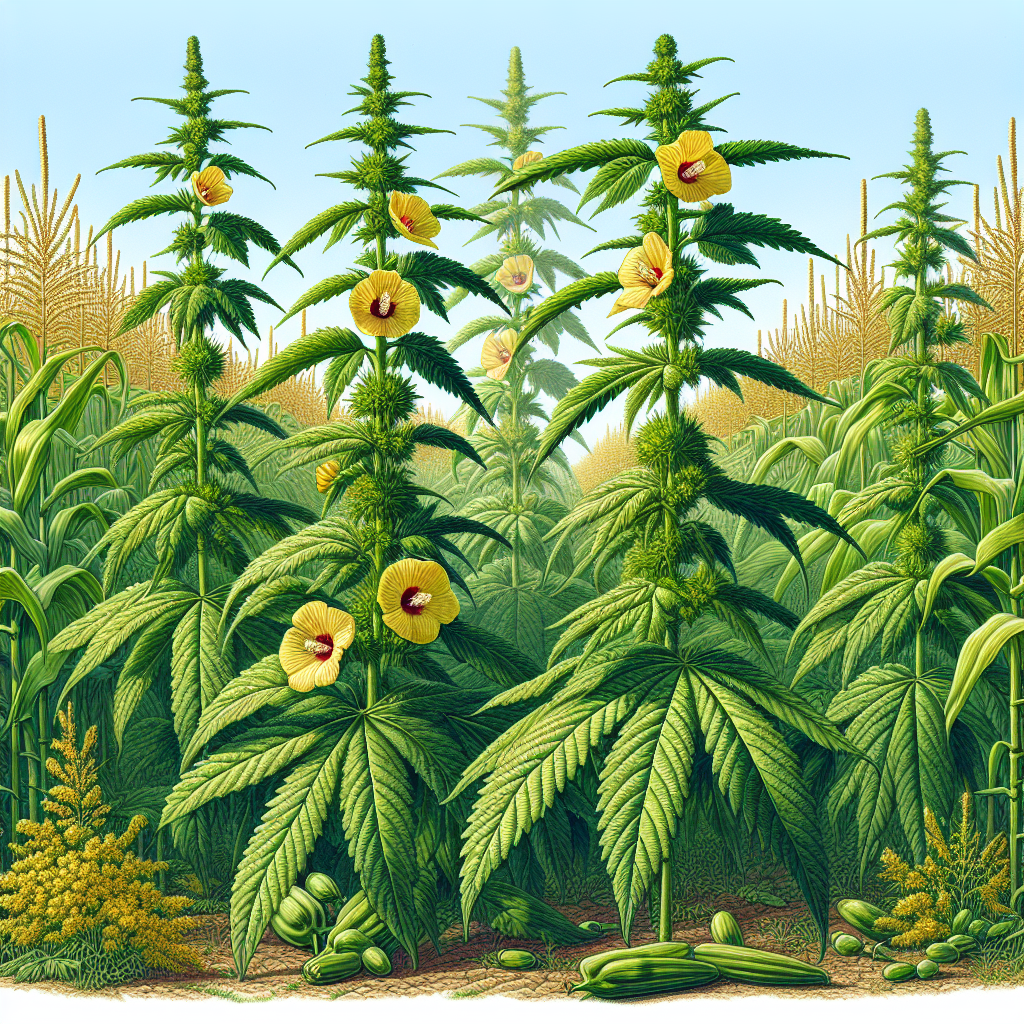
kenaf
Kenaf (Hibiscus cannabinus) is a fast-growing annual herbaceous plant from the Malvaceae family, often considered a weed pest in agricultural fields due to its aggressive growth and competition with crops for resources. Native to Africa, it invades warm-season crops by rapidly forming dense stands that smother desirable plants and deplete soil nutrients. Effective management requires integrated strategies combining mechanical, cultural, and organic controls to prevent its establishment.
View Guide
Kent Mango
Kent Mango is a premium late-season mango cultivar prized for its large fruit, low fiber, rich sweetness, and attractive green-yellow skin with occasional red blush. It is especially valued in home orchards and commercial production for excellent eating quality, relatively good anthracnose tolerance, and strong market appeal when grown in warm, frost-free climates.
View Guide
Kentucky Wonder Pole Bean
Kentucky Wonder Pole Bean is a heirloom pole bean variety celebrated for its prolific yields of tender, stringless green pods with exceptional flavor. Thriving in warm climates on trellises, it produces 6-8 inch pods continuously from midsummer into fall. This definitive guide covers every aspect of cultivation for optimal results.
View Guide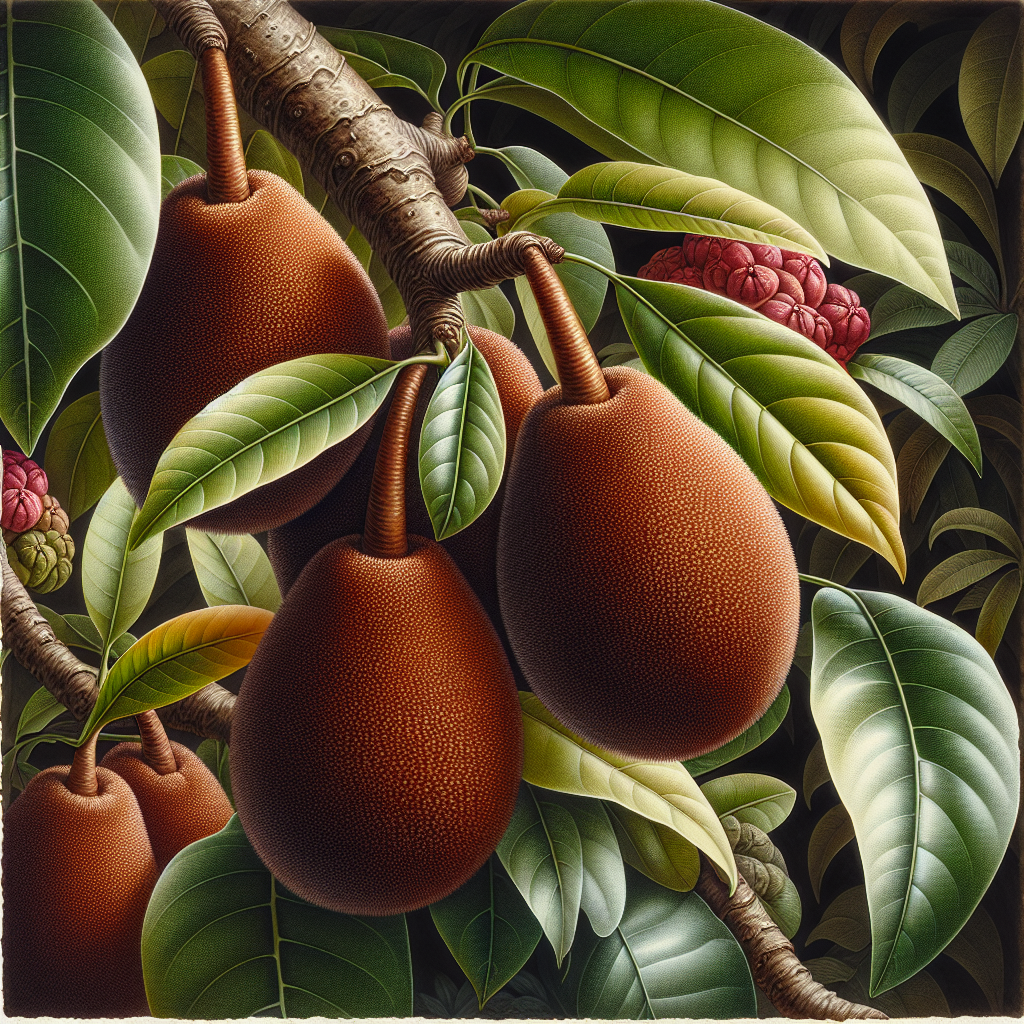
Kepel (Stelechocarpus burahol)
Kepel, known as Stelechocarpus burahol, is a rare tropical fruit tree prized for its apple-like fruits with a unique blend of sweet, floral, and musky flavors. Native to Southeast Asia, it thrives in humid, lowland climates and offers high-value niche market potential for small farms. This guide provides expert cultivation techniques for optimal yields and quality.
View Guide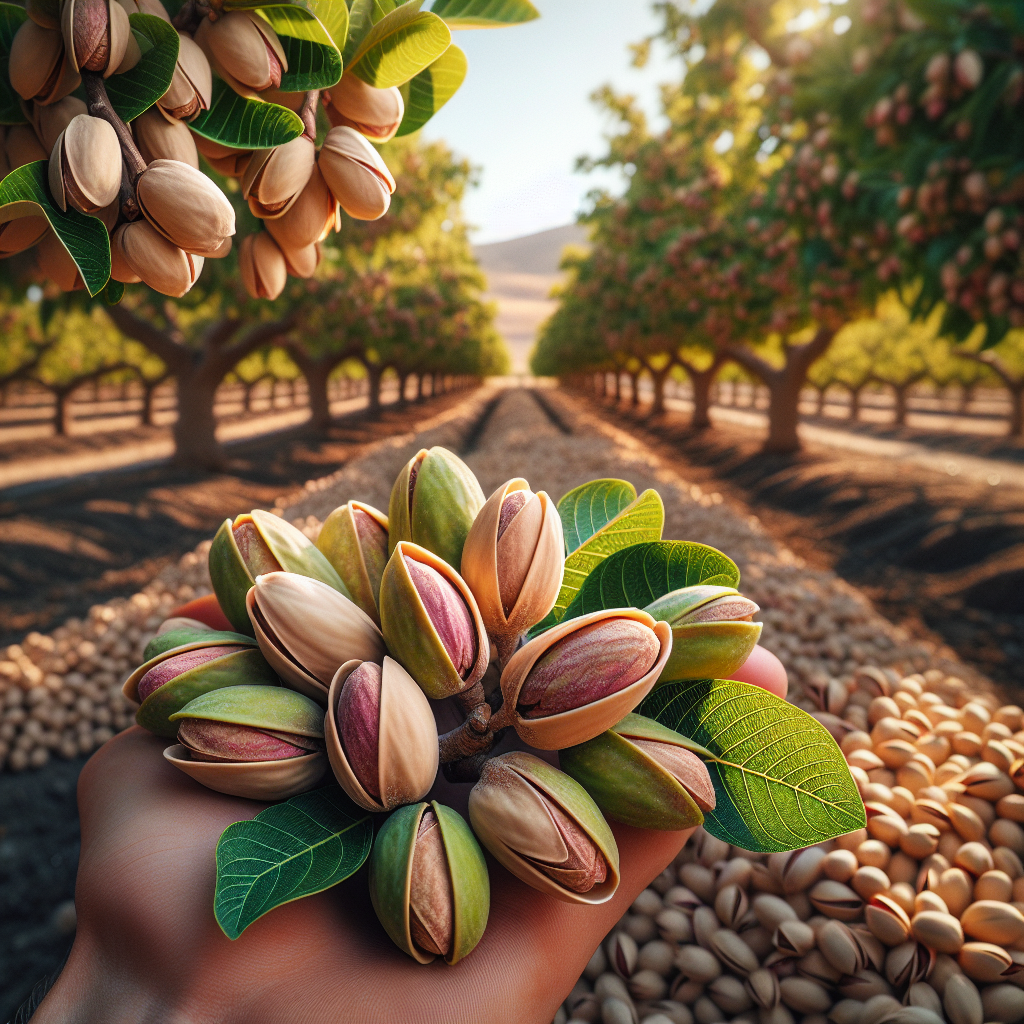
Kerman Pistachio
Kerman Pistachio is the dominant female pistachio cultivar used in commercial orchards, valued for its large nuts, attractive shell split, and high-quality kernels. It is a long-lived, drought-tolerant tree best suited to hot, arid regions with cold winters, but it demands careful site selection, precise irrigation, and proper male pollinizers for reliable production.
View Guide
Kesar Mango
Kesar mango is a premium Indian dessert mango celebrated for its deep saffron-orange flesh, rich aroma, and excellent sweetness-acidity balance. Best adapted to warm tropical and subtropical regions with a distinct dry period before flowering, it rewards careful orchard establishment, canopy management, and disease prevention with high-quality fruit prized in fresh markets and processing.
View Guide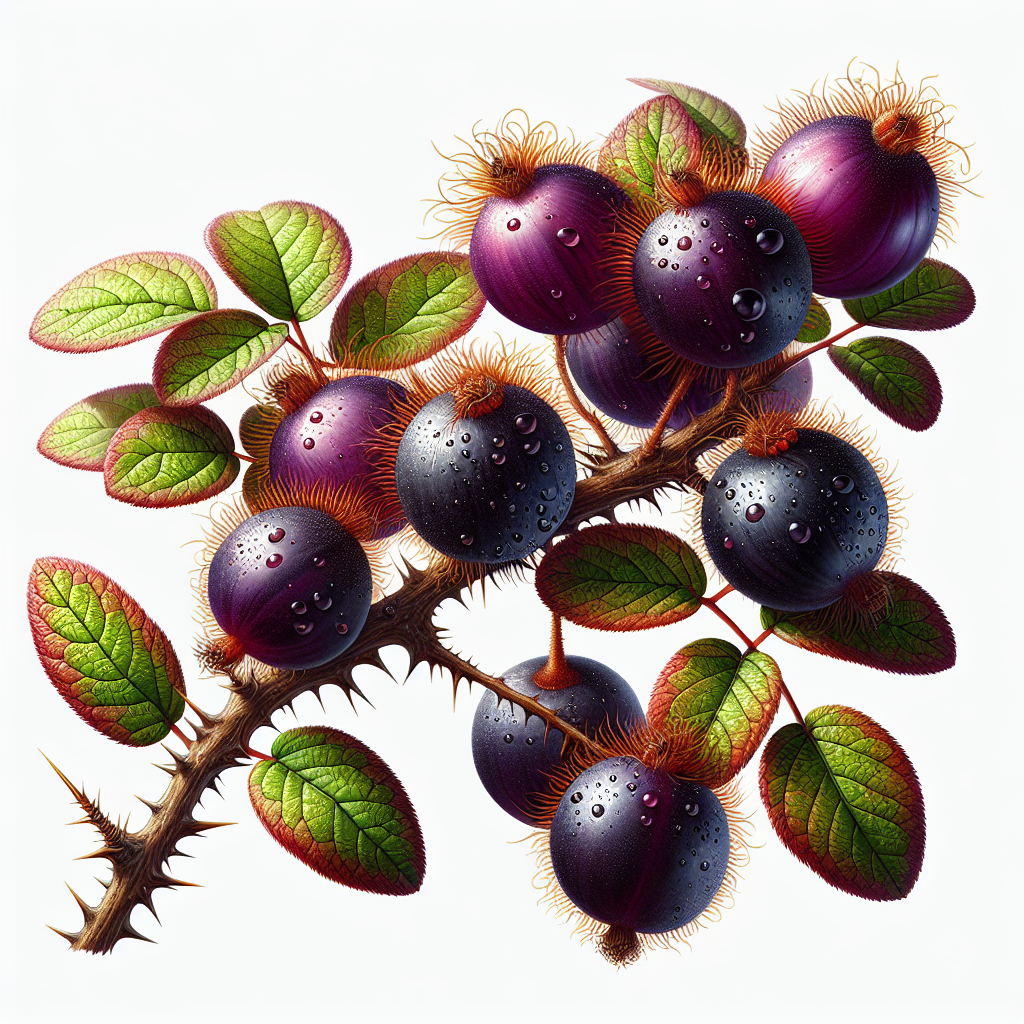
Ketembilla (Ceylon Gooseberry)
Ketembilla, also known as Ceylon Gooseberry, is a tropical shrub producing tangy, vitamin C-rich purple fruits ideal for fresh eating, jams, and preserves. Thriving in warm climates with minimal care, it offers high yields for home gardeners and small farms. This guide provides expert cultivation techniques for optimal growth and harvest.
View Guide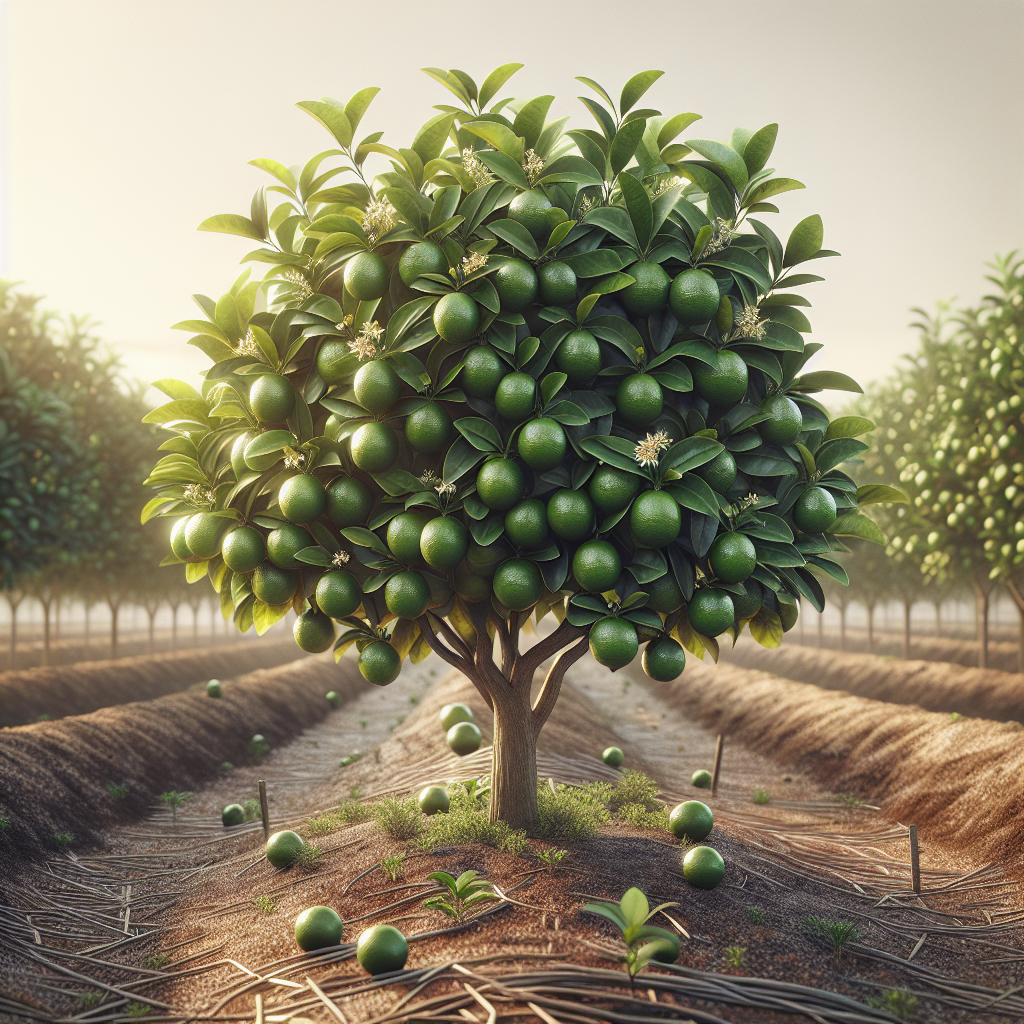
Key Lime
Key lime is a small-fruited, intensely aromatic tropical citrus prized for its thin rind, high juice content, and distinctly sharp, floral acidity. Compared with larger commercial limes, it is more cold-sensitive, more thorny, and often more demanding about drainage, nutrition, and frost protection, but it rewards growers with exceptional fruit quality for fresh use, juice, and culinary processing.
View Guide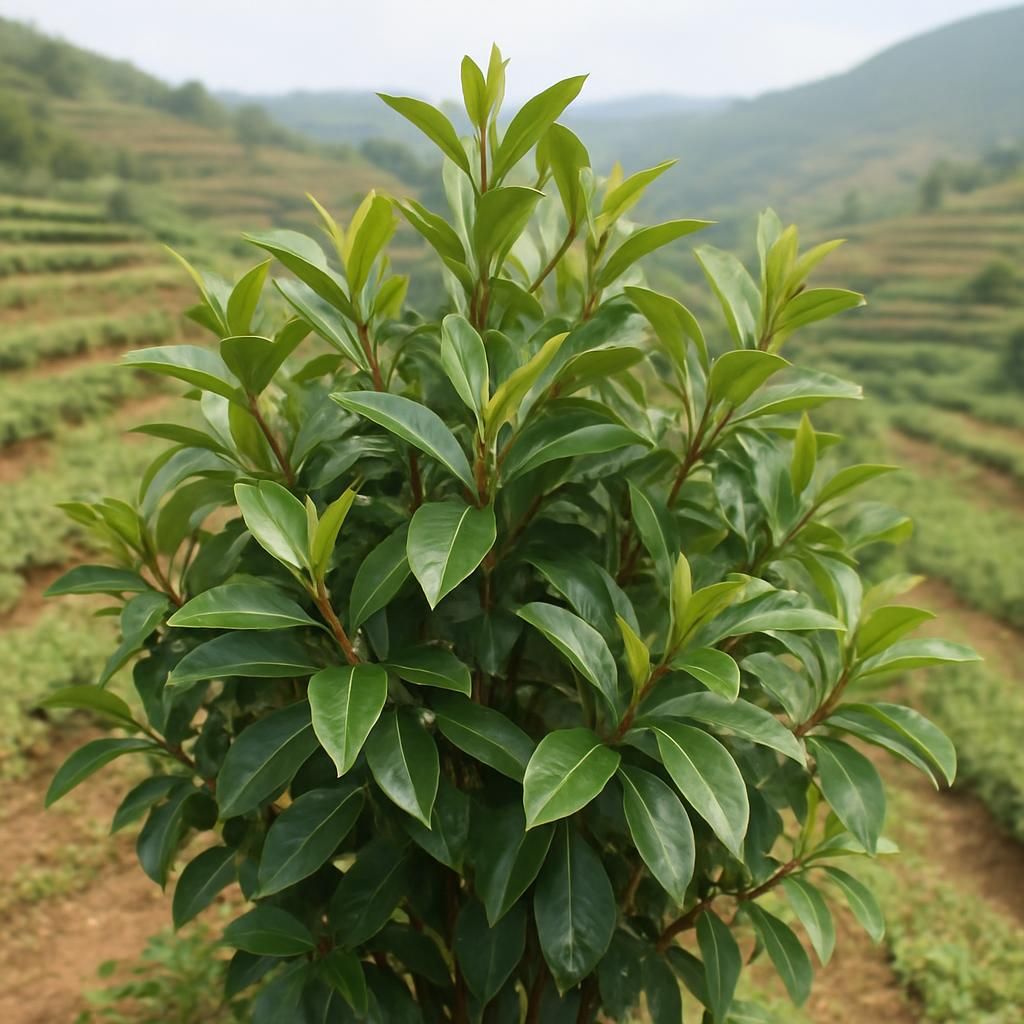
Khat (Catha edulis)
Khat is a slow-growing evergreen shrub native to the Horn of Africa and Arabian Peninsula, cultivated primarily for its stimulant leaves. It thrives in highland tropical and subtropical climates with well-drained soils and requires careful management to maintain leaf quality and plant health.
View Guide
Khorasan Wheat
Khorasan wheat is an ancient tetraploid grain prized for its large amber kernels, nutty flavor, and strong performance in low-input, dryland systems. It is best suited to temperate regions with cool establishment periods, moderate fertility, and relatively dry weather during grain fill and harvest.
View Guide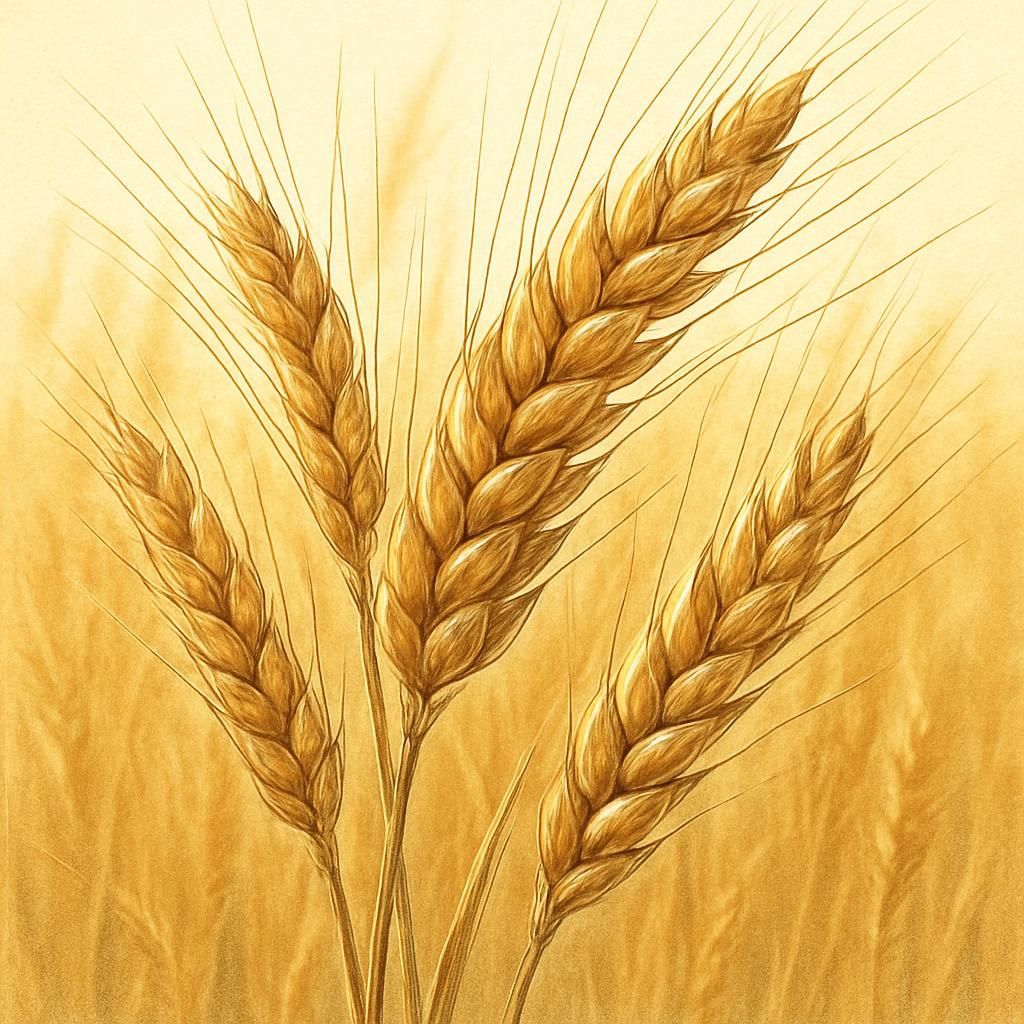
Khorasan Wheat (Kamut)
Khorasan wheat, commonly known as Kamut, is an ancient grain prized for its rich nutty flavor and nutritional benefits. It is resilient in diverse climates and often cultivated organically, making it a favored choice for sustainable agriculture.
View Guide
Kidney Bean
Kidney bean is a warm-season grain legume grown for its distinctive kidney-shaped dry seeds, valued for high protein, fiber, and culinary versatility. Successful production depends on warm soils, careful moisture management during flowering and pod fill, good disease prevention, and timely harvest before shattering or rain damage reduces seed quality.
View Guide
Kiwi
Kiwi is a vigorous, long-lived, deciduous fruiting vine valued for its nutrient-dense berries and high market appeal. Successful production depends on matching the right species and cultivars to climate, providing strong trellising, managing male-to-female pollination, and maintaining precise water, pruning, and canopy practices.
View Guide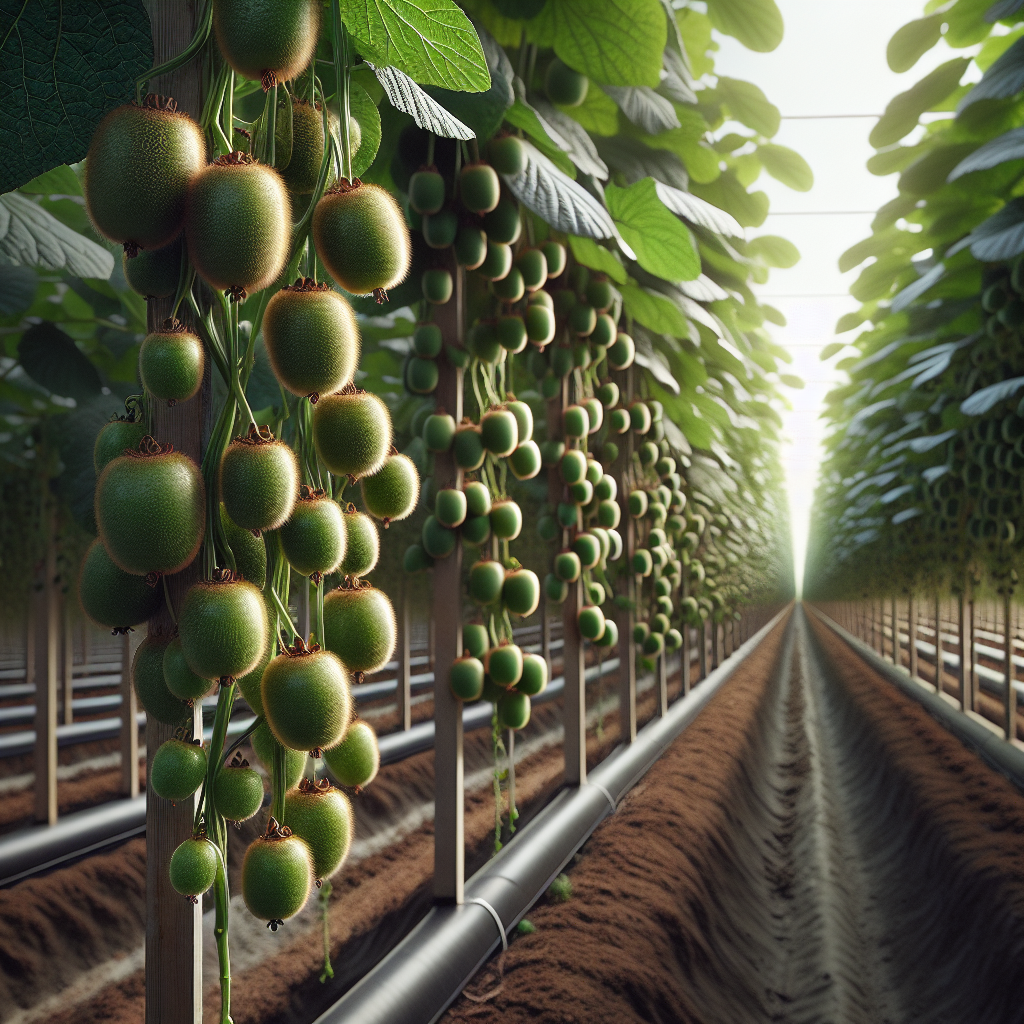
Kiwi (Arctic)
Kiwi (Arctic), usually referring to the exceptionally cold-hardy species Actinidia kolomikta, is a vigorous deciduous vine grown for small smooth-skinned fruit and remarkable winter survival. It is one of the best kiwifruit options for cold-climate growers, but it demands careful siting, strong trellising, male-female pollination planning, and disciplined pruning for reliable yields.
View Guide
Kiwi (Hardy)
Hardy kiwi is a vigorous, cold-tolerant perennial vine grown for smooth-skinned, grape-sized fruit with rich sweetness and high productivity. Unlike fuzzy supermarket kiwi, hardy kiwi can survive much colder winters, but it still requires careful trellising, pruning, pollination planning, and moisture management for reliable yields.
View Guide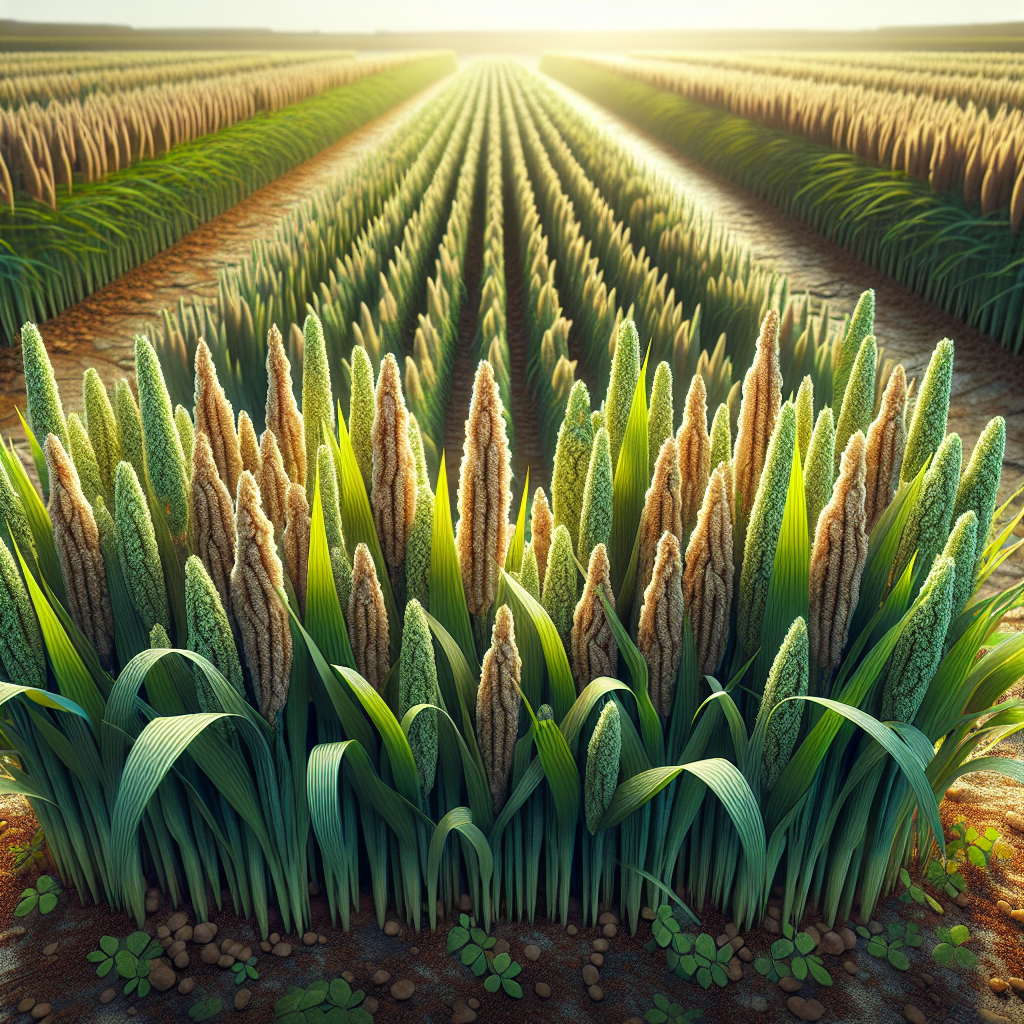
Kodo Millet
Kodo millet is a hardy, drought-tolerant small grain traditionally cultivated in South Asia and parts of Africa for food, fodder, and resilient low-input farming systems. It is valued for its ability to produce under marginal conditions, but high yields depend on careful attention to seedbed preparation, early weed control, and timely harvest to protect grain quality.
View Guide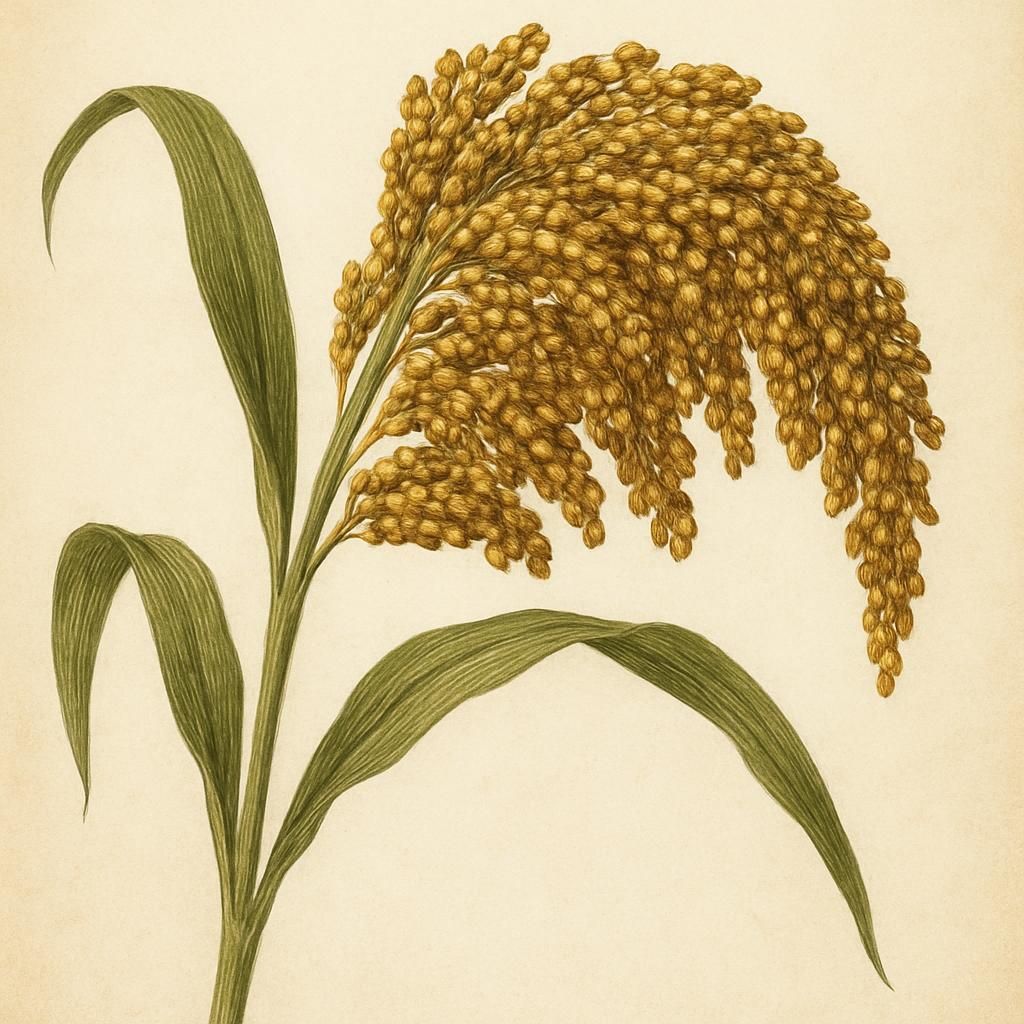
Kodo Millet (Varagu)
Kodo Millet, also known as Varagu, is a drought-tolerant grain grown in semi-arid regions of India and is prized for its nutritional value and versatility in cooking.
View Guide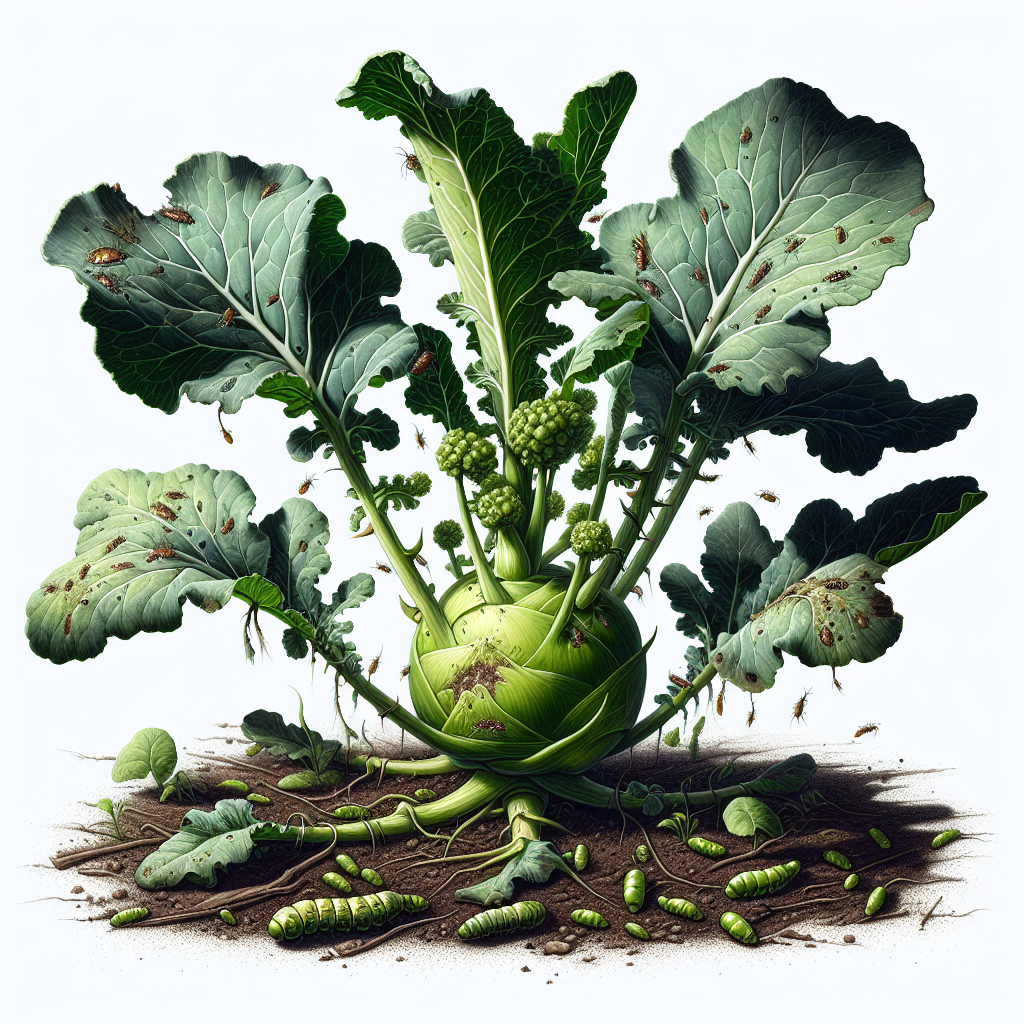
kohlrabi
Kohlrabi is a cool-season brassica crop notorious for attracting a wide range of pests like cabbage worms and aphids, leading to severe foliage damage and bulb deformation. This guide provides definitive diagnostics, lifecycle insights, organic management strategies, and prevention tactics to protect your harvest. Learn to identify symptoms early and implement proven controls for healthy kohlrabi growth.
View Guide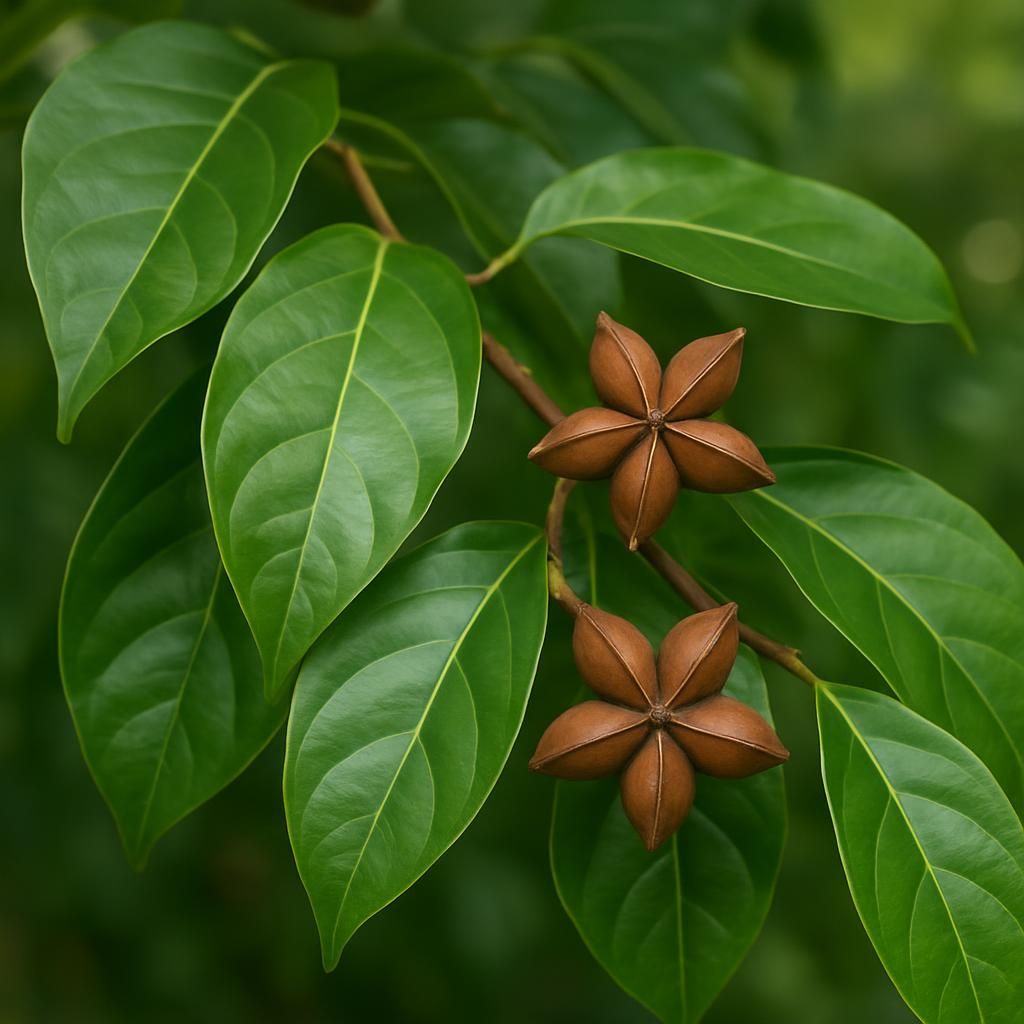
Kola Nut (Cola acuminata)
Kola nut is a caffeine-rich evergreen tree native to West and Central African rainforests, grown for its seeds used in beverages, traditional medicine, and cultural ceremonies. This comprehensive guide covers soil preparation, propagation, care schedules, pest management, and harvesting techniques for successful cultivation.
View Guide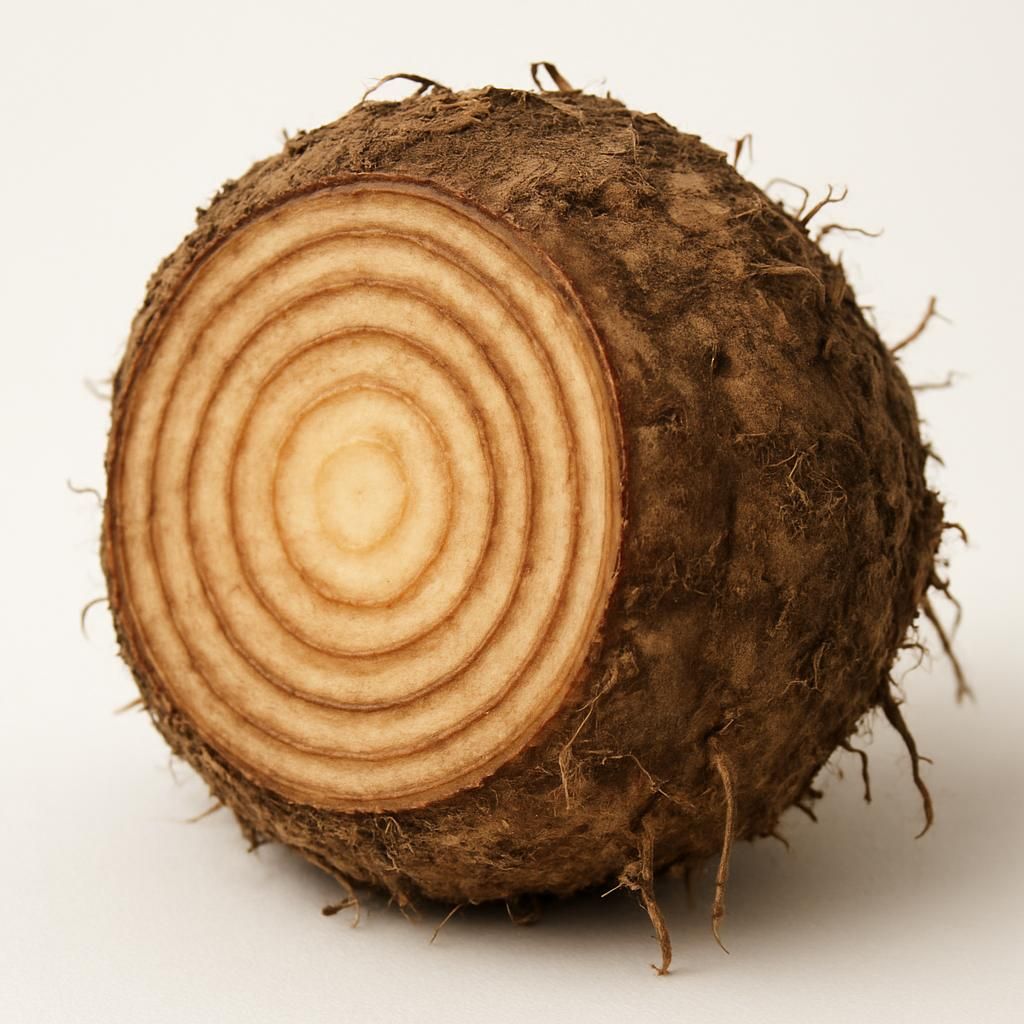
Konjac Glucomannan
Konjac glucomannan is a high-value tuber crop prized for its glucomannan-rich corms used in food, pharmaceuticals, and industrial applications. This guide delivers professional agronomic practices for successful cultivation from soil preparation through harvest and storage.
View Guide
Korlan (Nephelium hypoleucum)
Korlan, scientifically known as Nephelium hypoleucum, is a rare tropical fruit tree from the Sapindaceae family, closely related to rambutan and lychee, prized for its sweet, juicy arils encased in spiny red skin. Native to Southeast Asia, it thrives in humid lowland climates and produces clusters of golf ball-sized fruits with a unique tangy-sweet flavor profile. This comprehensive guide covers cultivation from propagation to harvest, ideal for tropical farmers seeking high-value exotic crops.
View Guide