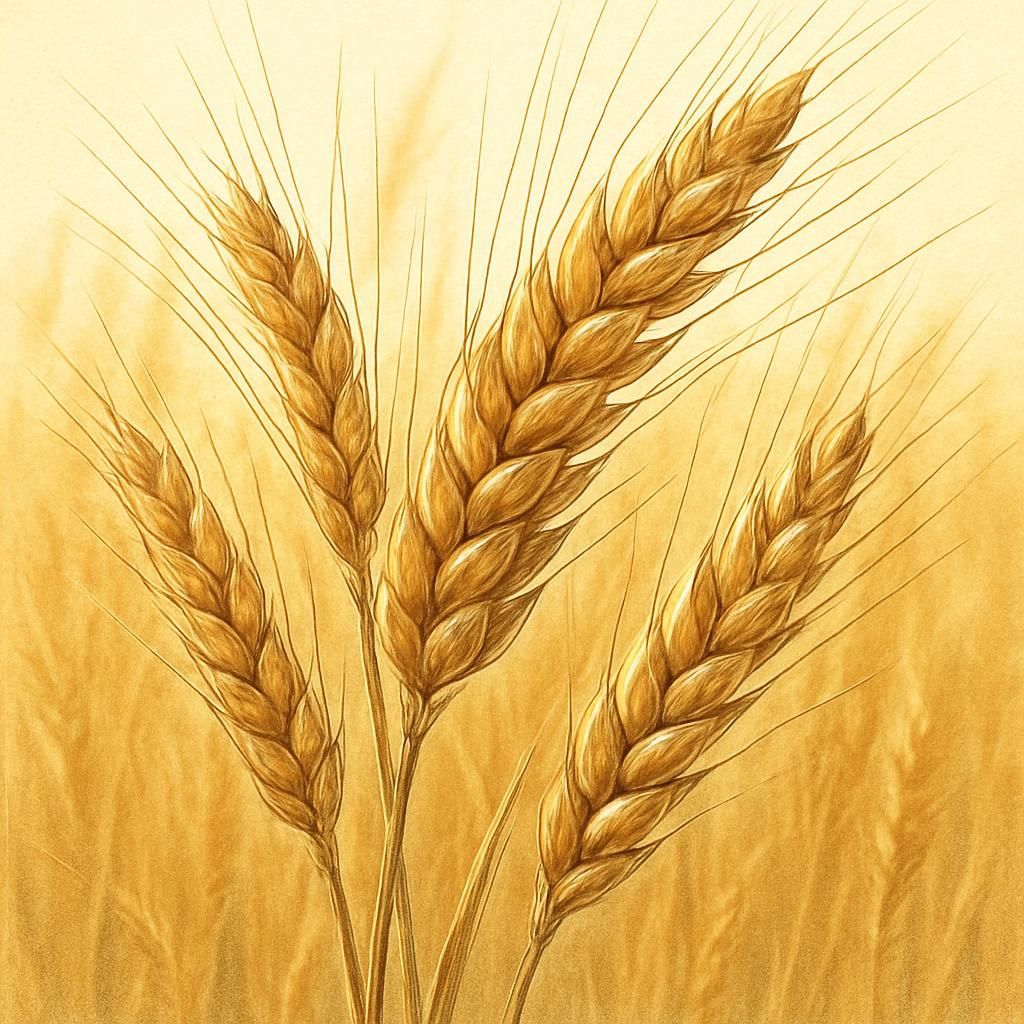
Introduction to Khorasan Wheat (Kamut)
Khorasan wheat, often branded as Kamut, is an ancient grain renowned for its deep, nutty flavor and high nutritional value. It serves as an excellent alternative to modern wheat and is well-suited for use in bread, pasta, and cereals. Kamut is treasured not only for its distinctive taste but also for its numerous health benefits, including high protein and selenium content.
Botanical Profile of Khorasan Wheat (Kamut)
Khorasan wheat is a member of the Poaceae family and is scientifically classified as Triticum turgidum ssp. turanicum. It's characterized by large, elongated kernels and is believed to have originated in ancient Mesopotamia. Unlike conventional wheat, Kamut’s larger grains contribute to a unique texture profile that is sought after in various culinary applications.
Soil, pH, and Climate Requirements for Khorasan Wheat (Kamut)
Kamut is favored for its adaptability, performing well in a variety of climates, although it thrives best in areas with minimal rainfall. Its strong gluten structure allows it to be remarkably resilient against weather extremes.
| Condition | Ideal Range |
|---|---|
| Soil Type | Loamy, well-drained |
| Soil pH | 5.5 - 7.5 |
| Temperature | 10°C - 24°C |
| Rainfall | 300-600 mm/year |
Step-by-Step Planting & Propagation
- Site Selection: Choose a location with full sun and well-drained loamy soil.
- Soil Preparation: Ensure the soil is loose, adding organic compost to improve fertility.
- Sowing: Sow seeds at a depth of 2.5-3 cm with a spacing of 20 cm between rows.
- Watering: Maintain moisture, especially during the early growth stages.
- Germination: Typically occurs within 7-10 days under optimal conditions.
- Thinning & Transplanting: Not required as Kamut is sown directly in the field.
Care & Maintenance Regimes for Khorasan Wheat (Kamut)
Kamut is relatively easy to maintain, requiring less intervention compared to modern wheat.
| Task | Schedule |
|---|---|
| Watering | Weekly, as needed for moisture |
| Fertilizing | Once at sowing and midseason |
| Pruning | Not applicable |
Pests, Diseases & Organic Management
Khorasan wheat is resistant to many common diseases that affect regular wheat. However, it's still susceptible to some pests like Spider Mites and fungal infections.
- Organic Management: Utilize neem oil or insecticidal soap to manage pest infestations, ensuring applications are made at times of low sunlight to prevent leaf burn.
Harvesting, Curing & Optimal Storage
Kamut is ready for harvest when the kernels are hard and the plant color transitions to a golden hue. Follow these steps for optimal results:
- Harvesting: Use a sickle or combine harvester based on operation scale.
- Curing: Allow grains to dry naturally in the field for a few days post-harvest.
- Storage: Store in a cool, dry place, ideally in airtight containers to preserve freshness and prevent pest infiltration.
Companion Planting for Khorasan Wheat (Kamut)
Effective companion plants can support the growth of Kamut by promoting a healthy ecosystem. Consider the following:
- Soybeans: Acts as a nitrogen fixer, enhancing soil fertility.
- Legumes: Improve the soil's nitrogen content, beneficial for subsequent wheat growth.
For broader ecosystem balance, you can consult insight from the blog on 7 Summer Pest Traps That Sabotage Small Farm Harvests to mitigate potential issues naturally.