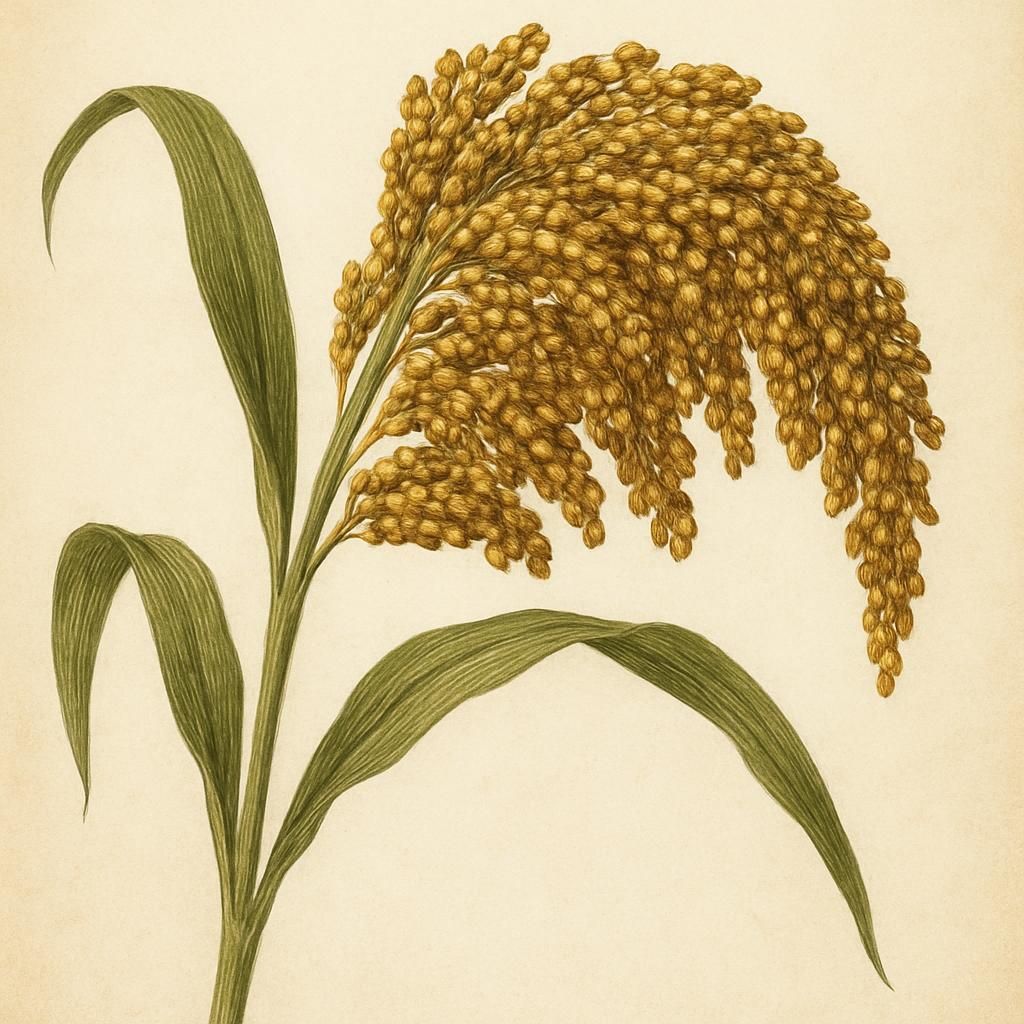
Introduction to Kodo Millet (Varagu)
Kodo Millet, commonly known as Varagu in parts of India, is an ancient grain that is resurfacing due to its exceptional nutritional profile and adaptability to harsh growing conditions. It is known for its high fiber content, essential minerals, and gluten-free properties, making it a preferred choice for health-conscious consumers and those with dietary restrictions.
Botanical Profile of Kodo Millet (Varagu)
Kodo Millet (Paspalum scrobiculatum) is a drought-resistant annual grass found predominantly in India. It is a member of the Poaceae family and thrives well in marginal soils and low-rainfall areas. The millet kernels are small and resemble a mustard seed, which is encased in a hard outer husk.
Soil, pH, and Climate Requirements for Kodo Millet (Varagu)
Ideal Growing Conditions
| Parameter | Ideal Conditions |
|---|---|
| Soil Type | Well-drained sandy loam |
| Soil pH | 6.0 - 7.5 |
| Temperature Range | 25°C - 35°C |
| Rainfall | 400 - 800 mm annually |
| Altitude | Up to 1000 meters |
Kodo Millet adapts well to poor soils and can tolerate low soil fertility, although it performs best in well-drained, fertile soils with adequate organic matter.
Step-by-Step Planting & Propagation
Step 1: Seed Selection
Select seeds from a reliable source to ensure high germination rates. Look for clean, disease-free seeds for optimal yields.
Step 2: Land Preparation
Prepare the soil by plowing or hoeing to break up clods and remove weeds. A fine tilth is desirable to facilitate good seed-to-soil contact.
Step 3: Sowing
Sow seeds directly into the field at a distance of 25 cm to 30 cm between rows and 5 cm to 10 cm between plants. The ideal sowing depth is 2 cm to 4 cm.
Step 4: Irrigation
Water the fields lightly post-sowing to aid seed germination and the establishment of seedlings. Minimal irrigation is needed thereafter, as Kodo Millet is drought-tolerant.
Care & Maintenance regimes for Kodo Millet (Varagu)
Maintenance Schedule
| Activity | Frequency |
|---|---|
| Watering | As needed (drought-tolerant) |
| Fertilization | Use organic compost at planting and mid-cycle |
| Weeding | Periodically during early growth |
Kodo Millet requires minimal care after establishment. Routine weeding during the early growth stages is essential to reduce competition for nutrients.
Pests, Diseases & Organic Management
Kodo Millet faces fewer pest and disease issues compared to other grains. However, it can be affected by pests like Spider Mites and fungal diseases in humid conditions.
Organic Management Strategies:
- Promote natural predators to control spider mites.
- Use organic fungicides for fungal diseases.
- Implement crop rotation and intercropping to reduce disease incidence.
Harvesting, Curing & Optimal Storage
Harvest Kodo Millet when the grains are fully mature, and the seed heads are dry and golden brown. Threshing should be done using manual or mechanical methods. Post-harvest, cure the grains under the sun for 2-3 days to ensure optimal moisture levels.
Storage: Store in cool, dry conditions in airtight containers to prevent moisture ingress and pest infestations.
Companion Planting for Kodo Millet (Varagu)
Kodo Millet can be intercropped with legumes like Soybeans or Pigeon Pea to improve soil fertility and reduce pest issues. For more strategies on companion planting, refer to our blog on summer companion planting.