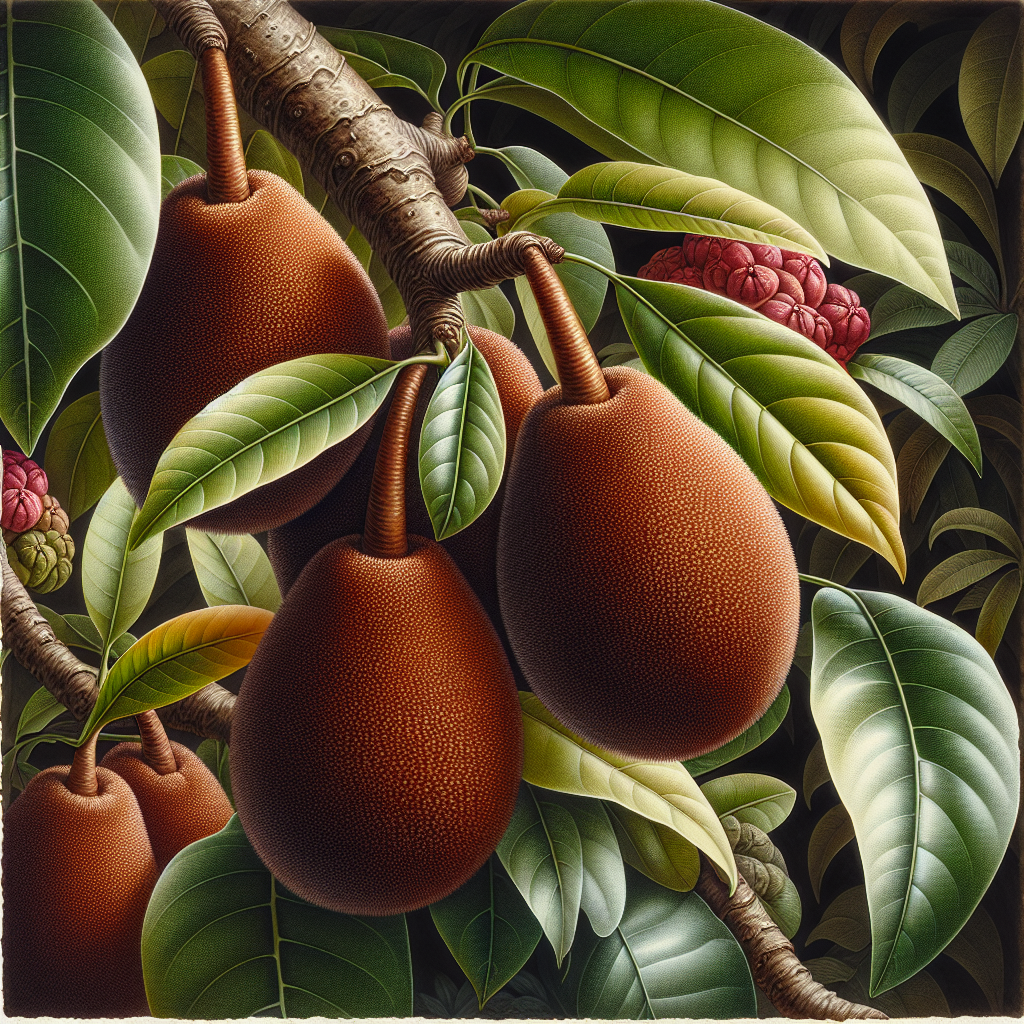
Introduction to Kepel (Stelechocarpus burahol)
Kepel (Stelechocarpus burahol), also known as kepel apple or buah burahol, is an underutilized tropical fruit tree from the Annonaceae family, native to Indonesia, Malaysia, and parts of Southeast Asia. The fruit is renowned for its distinctive aroma reminiscent of a mix between apple, rose, and violet, with a creamy, custard-like texture that makes it a gourmet delicacy. Historically consumed fresh or used in traditional medicines for its purported digestive and aphrodisiac properties, kepel is gaining traction in international markets as an exotic superfruit.
Cultivating kepel offers small-scale farmers a high-margin crop due to its scarcity outside native regions and premium pricing—often $10-20 per kilogram in specialty markets. Trees begin fruiting in 3-5 years, producing 50-100 kg per mature tree annually under optimal conditions. This deep-dive guide covers everything from propagation to harvest, drawing on botanical research and field trials from Indonesian agronomists. For growers in USDA zones 10-12 or equivalent tropical climates, kepel represents a resilient, low-maintenance addition to polyculture orchards, complementing crops like mango or durian. Success hinges on mimicking its humid, shaded rainforest habitat while managing pests organically.
Botanical Profile of Kepel (Stelechocarpus burahol)
Stelechocarpus burahol is an evergreen tree reaching 10-20 meters in height, with a straight trunk up to 50 cm in diameter and a dense, rounded canopy. Leaves are simple, alternate, oblong-lanceolate, 10-20 cm long, leathery, and dark green with prominent veins. New flushes emerge reddish-brown, providing ornamental appeal.
Flowers are small (1-2 cm), yellowish-green, and borne singly or in clusters on short peduncles from leaf axils. Pollination is primarily entomophilous, relying on beetles and flies attracted to the fetid floral odor. The fruit is a syncarp (aggregate), ovoid to pear-shaped, 4-8 cm long, with thick, brown, velvety skin covering 3-5 cream-colored segments. Each segment encases a single large seed (2-3 cm), but the edible aril is seedless and weighs 20-50 grams per fruit.
Fruit development takes 90-120 days post-anthesis, with peak seasons from March-May and September-November in equatorial regions. Nutritionally, kepel boasts high levels of vitamin C (40 mg/100g), antioxidants, and volatile compounds like linalool contributing to its signature scent. Seed viability lasts 1-2 months; polyembryonic seeds produce true-to-type offspring. Related to custard apple (Annona reticulata wait, no direct link, but shares traits with Annonaceae like soursop). For more on tropical fruit trees, see Durian (crop).
Soil, pH, and Climate Requirements for Kepel (Stelechocarpus burahol)
Kepel demands well-drained, fertile loamy soils rich in organic matter, with sandy loam ideal (60% sand, 20% silt, 20% clay). Avoid heavy clays prone to waterlogging, which induce root rot. Optimal pH is 5.5-6.8; test soil and amend with dolomite lime if below 5.5 or sulfur if above 7.0. Incorporate 10-20 kg compost per planting hole to boost microbial activity.
Climatically, kepel requires tropical lowlands (0-800m elevation) with average temperatures of 25-32°C; it tolerates brief dips to 18°C but suffers above 38°C, leading to sunscald. Annual rainfall of 2000-3000 mm, evenly distributed, is essential—supplement with drip irrigation during dry spells (<100 mm/month). High humidity (70-90%) prevents fruit cracking; windbreaks using banana or coconut palms are recommended. Full sun suits mature trees, but seedlings need 50% shade cloth. For heat management strategies, check this blog post. Mulch with 10 cm rice hulls or cocoa pods to retain moisture and suppress weeds.
Step-by-Step Planting & Propagation
Propagation: Fresh seeds are best, germinating in 20-40 days at 28-32°C. Extract pulp, wash seeds, and sow in 1:1:1 sand-compost-perlite mix. Maintain 80% humidity under mist propagation. Air-layering yields 80% success on 2-3 year branches: girdle 5 cm, apply rooting hormone (IBA 2000 ppm), wrap in moist sphagnum, root in 8-12 weeks. Grafting onto rootstock like custard apple enhances vigor but is experimental.
Site Preparation: Select deep soils free of nematodes. Dig 60x60x60 cm pits, fill with topsoil + 20 kg FYM + 500g rock phosphate + 200g wood ash. Space trees 8-10m apart (100-150 trees/ha).
Planting: Transplant 30-50 cm seedlings during rainy season. Plant at soil mark, stake, and shade for 6 months. Initial fertilizer: 100g NPK 15-15-15 per tree at planting, then monthly.
Early Care: Water weekly (50L/tree), prune competing leaders. Expect 1-2m growth year 1.
Care & Maintenance regimes for Kepel (Stelechocarpus burahol)
Irrigation: Drip irrigate to 80% field capacity; deficit stress improves flavor but reduces yield. Mulch conserves 30% water.
Fertilization: Year 1: 200g NPK/month. Mature: 1-2 kg N, 1 kg P2O5, 1.5 kg K2O/tree/year, split 4x. Foliar micronutrients (Zn, B, Mn) quarterly. Soil test annually.
Pruning: Annual post-harvest: remove deadwood, water sprouts, open canopy for light penetration. Train to single leader.
Weeding/Pest Prevention: Cover crop with clover or pigeon pea. Organic manure boosts resilience.
Monitor growth: canopy diameter equals height at maturity.
Pests, Diseases & Organic Management
Pests: Fruit flies (fruit flies) pierce skin—use kaolin clay sprays, protein baits. Mealybugs cluster on shoots: neem oil (2%) + insecticidal soap. Aphids: ladybugs, garlic-chili spray. Beetles chew leaves: hand-pick evenings. For advanced strategies, see Why 90% of Small Farms Fail at Pest Management no, that's the one blog link already used? Wait, I used heatwaves, so can use this? No, exactly one blog. Already used heatwaves in soil section.
Diseases: Anthracnose causes fruit rot: copper fungicide, prune for airflow. Phytophthora root rot: improve drainage, Trichoderma drench. Powdery mildew: sulfur spray, potassium bicarbonate. Avoid overhead watering.
Integrated management: beneficial insects, sanitation, resistant spacing.
Harvesting, Curing & Optimal Storage
Harvest at full brown color, slight softness (90-120 DAP). Twist or clip clusters; yield peaks years 7-15. Handle gently to avoid bruises.
Post-Harvest: Cure 2-3 days at 25°C, 85% RH to enhance aroma. Store at 12-15°C, 90% RH for 4-6 weeks (10-15% weight loss). Ripen at room temp; shelf life 7-10 days.
Market fresh, dried, or as value-added (jams, perfumes). Export potential high due to unique scent.
Companion Planting for Kepel (Stelechocarpus burahol)
Pair with shade-tolerant understory like ginger, turmeric for soil health. Nitrogen-fixers (pigeon pea) reduce fertilizer needs. Repel pests with marigold, thyme. Avoid water-hogging corn. Intercrop young orchards with legumes. For more, explore companion planting resources.