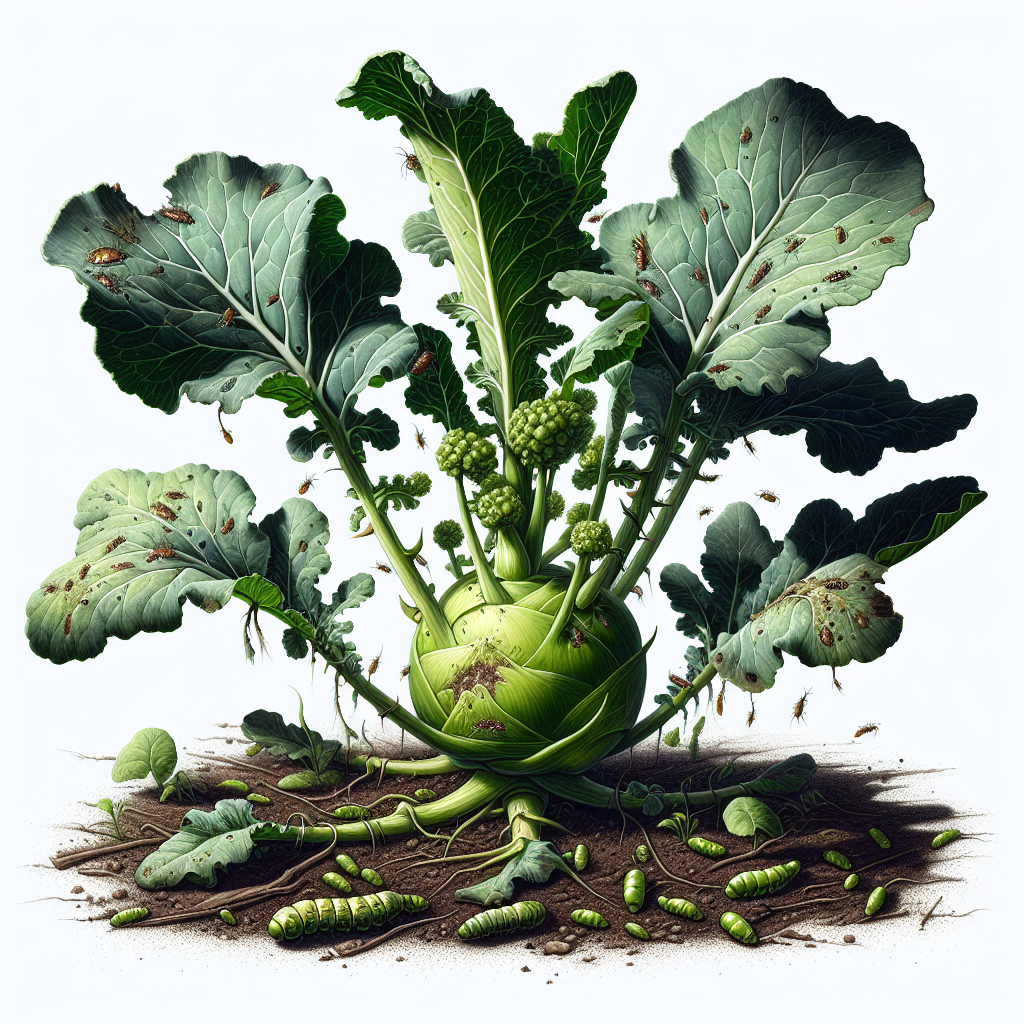
Introduction to kohlrabi
Kohlrabi, scientifically known as Brassica oleracea var. gongylodes, is a unique brassica vegetable prized for its crisp, apple-like bulb that forms above the soil surface. Often called the 'space cabbage' or 'German turnip,' it thrives in cool weather, making it a staple in spring and fall gardens worldwide. However, kohlrabi is highly susceptible to pests, which can devastate yields by feeding on leaves, stems, and the developing bulb. Common invaders include cabbage worms, aphids, and flea beetles, turning promising crops into stunted, unmarketable produce.
Farmers and gardeners face significant challenges with kohlrabi due to its brassica family ties, sharing vulnerabilities with cabbage, broccoli, and cauliflower. Early detection is key, as unchecked infestations lead to rapid crop loss. This comprehensive guide equips you with professional diagnostic tools, lifecycle knowledge, organic treatments, and prevention strategies. By understanding kohlrabi's pest dynamics, you can achieve bountiful harvests even in pest-prone areas. For small farms, mastering these techniques is essential for profitability. Check out Spring Pest Patrol: Organic AI Strategies to Shield Your Crops from Common Invaders for cutting-edge tips.
Kohlrabi grows quickly, maturing in 45-60 days, but pests can halt growth overnight. Symptoms range from shot-hole leaves to completely defoliated plants. Economic impacts are stark: a single infestation can wipe out 70-90% of a planting. Proactive management not only saves crops but boosts soil health and reduces chemical reliance. This guide draws from decades of agricultural research, offering actionable steps for organic growers.
Identifying Symptoms & Damage
Accurate diagnosis starts with recognizing kohlrabi-specific damage patterns. Inspect plants weekly, focusing on undersides of leaves and the bulb junction.
Foliage Damage: Look for irregular holes, skeletonized leaves, or webbing. Cabbage worms leave large, irregular holes and dark green frass (droppings) resembling bird shot. Flea beetles create tiny shot-hole pits, especially on young seedlings, stunting growth. Aphids cluster on stems, causing curled, sticky leaves coated in honeydew, often with sooty mold.
Bulb and Stem Issues: Bulbs may show scarring, tunneling, or swelling inhibition. Root maggots bore into stems at soil level, causing wilting and collapse. Cutworms sever seedlings at night, leaving clean cuts near the ground.
Advanced Signs: Yellowing lower leaves indicate root-knot nematodes. Sticky traps reveal flying pests like whiteflies. Use a 10x hand lens to spot eggs or larvae. Differentiate from diseases: pest damage is irregular and chewed, while fungal spots are concentric.
Severity scale: Mild (10% foliage loss), Moderate (30-50%), Severe (>50%, harvest loss imminent). Photograph symptoms for tracking. Early ID prevents spread to nearby kale or turnip crops.
Lifecycle and Progression of kohlrabi
Kohlrabi pests follow predictable cycles tied to the crop's 6-8 week growth. Understanding these allows timed interventions.
Egg Stage: Most pests lay eggs on leaf undersides in spring. Cabbage white butterflies deposit yellow clusters; aphids birth live young.
Larval/Nymph Feeding: Peak damage phase. Larvae hatch in 3-7 days, feeding voraciously for 2-4 weeks. Cabbage loopers and diamondback moth larvae chew from veins outward.
Pupal/Adult: Pupae form in soil or silk. Adults emerge to feed and reproduce, with 2-4 generations per season in warm climates.
Progression: Seedlings hit first (days 1-14), vegetative stage (days 15-40) sees heaviest attack, bulb formation (days 40+) suffers scarring. Overwintering pupae trigger spring outbreaks. Monitor with yellow sticky traps; counts >5 pests/trap signal action.
In cool climates, one generation; tropics see continuous cycles. Rotate with non-brassicas like peas to break chains.
Environmental Triggers & Risk Factors
Kohlrabi pests explode under specific conditions. Cool, moist springs (50-70°F, 70% humidity) favor aphids and worms. Drought stresses plants, attracting spider mites.
Soil and Planting: Poor drainage breeds root maggots. Dense planting (>6" spacing) hinders inspection. Acidic soils (pH <6.0) weaken defenses.
Weeds and Residue: Brassica volunteers harbor pests. Nearby [mustard weeds] host flea beetles.
Climate Shifts: Mild winters allow overwintering. Wind spreads adults from cabbage fields.
Risk assessment: High if prior infestation, low crop rotation, or weedy borders. Scout after rain; use weather apps for forecasts.
Organic Control & Treatment Plans
Prioritize IPM: monitor, cultural, biological, then targeted organics.
Cultural: Hand-pick eggs/larvae daily. Blast aphids with water. Till soil post-harvest to expose pupae.
Biological: Release Bt (Bacillus thuringiensis) for caterpillars (apply evenings, 7-day intervals). Introduce ladybugs for aphids, parasitic wasps for eggs.
Barriers: Row covers exclude adults (remove for pollination). Collars deter cutworms.
Sprays: Neem oil or spinosad for chewing pests (rotate to prevent resistance). Soap sprays for soft-bodied insects.
Treatment Timeline: Week 1: Scout/remove. Week 2: Bt/neem. Week 3: Reassess. Yields recover 80% with early action.
Test small areas first. Companion plant with nasturtium as trap crop.
Preventing kohlrabi in the Future
Prevention beats cure. Crop rotation (3-4 years off brassicas). Solarize soil summer-fallow. Use resistant hybrids like 'Kossak.'
Sanitation: Destroy residue, weed borders. Mulch suppresses soil pests. Fall plant clover cover crop.
Timing: Plant early spring or late summer to miss peaks. Healthy soil (compost, 5.5-6.8 pH) builds resilience.
Monitoring tech: Pheromone traps, apps. Long-term: Diverse rotations with carrot, onion.
Crops Most Affected by kohlrabi
Kohlrabi pests target all brassicas: Cabbage, broccoli, cauliflower, kale, brussels sprouts. Radish and turnip suffer flea beetles. Isolate plantings 1/4 mile.