Introduction to Ketembilla (Ceylon Gooseberry)
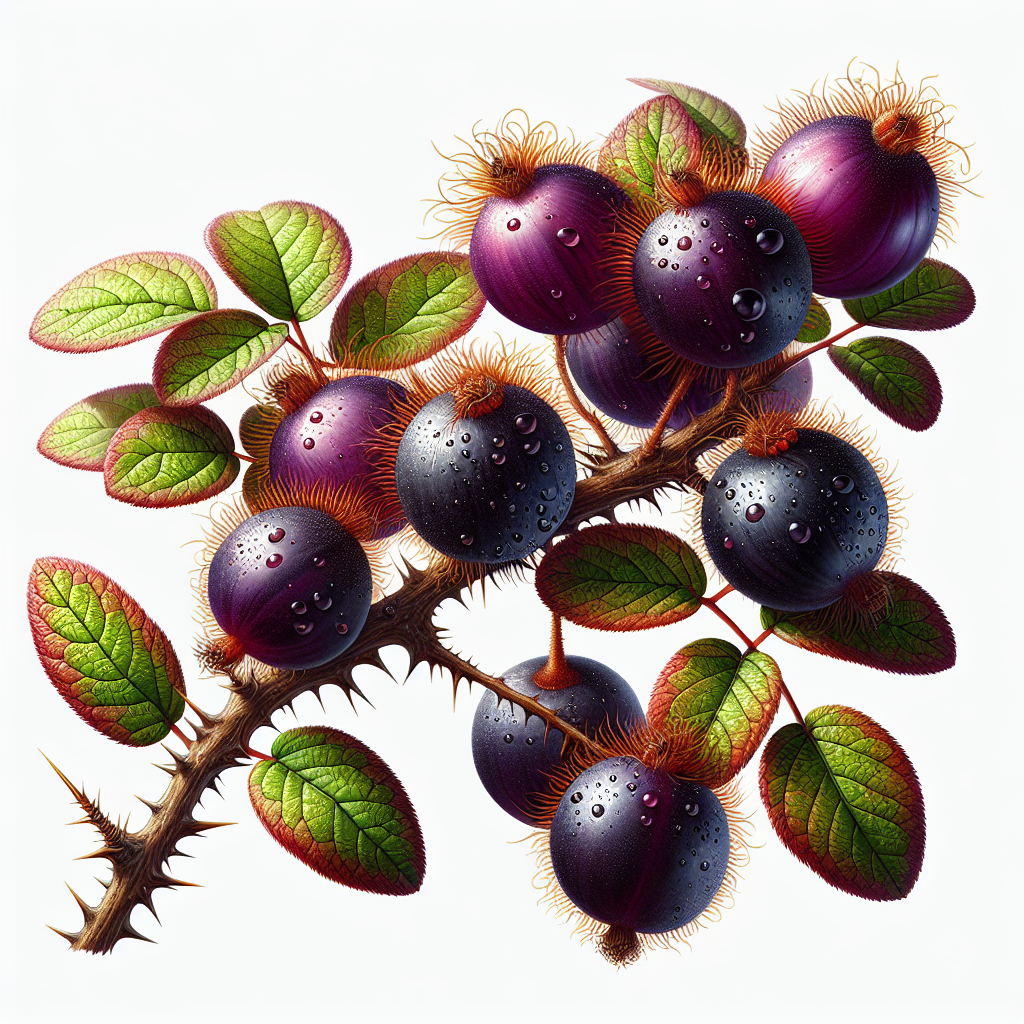
Ketembilla (Dovyalis hebecarpa), commonly called Ceylon Gooseberry, is an underrated tropical shrub hailing from Sri Lanka that delivers clusters of small, deep purple fruits with a unique tart-sweet flavor profile reminiscent of gooseberries but with a tropical twist. These fruits, about the size of large grapes, boast exceptionally high vitamin C content—up to 20 times that of oranges—making them a nutritional powerhouse for fresh consumption, juices, jellies, sauces, and even wine production. Native to humid lowland forests, Ketembilla has adapted well to subtropical and tropical home gardens and small-scale farms worldwide, offering prolific yields from thorny, fast-growing bushes that reach 3-6 meters in height.
What sets Ketembilla apart is its resilience: drought-tolerant once established, it thrives in neglected corners yet rewards attentive growers with 20-50 kg of fruit per mature bush annually. Perfect for permaculture systems, hedges, or container growing in cooler zones, this crop bridges the gap between ornamental landscaping and productive agriculture. Whether you're combating vitamin deficiencies in your diet or diversifying farm income with value-added products like Ketembilla jam, this guide equips you with professional-grade strategies for success. For similar berry-like fruits, explore Gooseberry (Pixwell), a hardy temperate alternative.
Botanical Profile of Ketembilla (Ceylon Gooseberry)
Ketembilla belongs to the Willaceae family (formerly Flacourtiaceae), classified as Dovyalis hebecarpa, a dioecious evergreen shrub or small tree. It features glossy, lance-shaped leaves (5-10 cm long) arranged alternately, with young growth covered in soft, rust-colored hairs. Stems bear sharp, recurved thorns up to 1 cm long, providing natural defense against herbivores and making it an excellent living fence. Flowers are small, greenish-yellow, and dioecious—meaning male and female plants are separate, so one male pollinator is needed for every 10-20 females for fruit set.
Fruits develop in dense clusters, ripening from green to glossy black-purple over 3-4 months. Each berry measures 1.5-2.5 cm in diameter, with thin, edible skin enclosing juicy, acidic pulp around 4-12 small seeds. The plant's wood is dense and durable, historically used for tool handles in Sri Lanka. Growth is vigorous in youth, reaching 1-2 meters in the first year, with a spreading canopy. Varieties include the standard wild type and select cultivars like 'Anderson' for larger fruits. Root systems are shallow and fibrous, prone to suckering, which aids propagation but requires management.
Nutritionally, 100g of fresh Ketembilla provides ~180 mg vitamin C, plus antioxidants, iron, and phosphorus. Its low-calorie profile (35 kcal/100g) suits health-conscious markets. Botanically similar to Guava (crop), it shares tropical adaptability but with superior thorniness for security planting.
Soil, pH, and Climate Requirements for Ketembilla (Ceylon Gooseberry)
Ketembilla excels in well-drained, fertile loamy soils rich in organic matter, mimicking its native Sri Lankan habitats. Avoid heavy clays prone to waterlogging, which invite root rot; amend with 30-50% compost or aged manure for optimal tilth. Ideal pH ranges 5.5-7.0—slightly acidic to neutral—where nutrient uptake peaks. Test soil annually and lime if below 5.5, or sulfur if exceeding 7.5. Mulch heavily (10-15 cm) with organic materials like coconut coir or wood chips to retain moisture, suppress weeds, and moderate soil temperatures.
Climatically, USDA zones 9b-11 suit best, with temperatures 18-35°C (65-95°F) for growth and fruiting. It tolerates brief dips to 5°C but suffers damage below freezing; protect young plants with frost cloth. High humidity (60-90%) and rainfall 1200-2500 mm/year are preferred, supplemented by irrigation in dry spells. Full sun (6-8+ hours) drives yields, though partial shade curbs fruiting by 30-50%. Wind protection is crucial for pollination and branch integrity. In marginal zones, use containers with dwarf rootstocks. For heat management tips, check this Why Summer Heatwaves Are Silently Killing Small Farm Yields - And 7 Organic Strategies to Fight Back.
Salt tolerance is moderate (EC <4 dS/m), fitting coastal sites with rinsing. Elevations up to 800m work, but yields drop above. Rotate plantings every 8-10 years to prevent soil fatigue.
Step-by-Step Planting & Propagation
Propagation: Seeds germinate readily (70-90% rate) but produce variable offspring; stratify fresh seeds in moist sand at 25°C for 2-4 weeks. For clones, use semi-hardwood cuttings (10-15 cm) in summer, rooted in perlite under mist (80% success with IBA 2000 ppm). Air-layering mature branches yields quick plants. Suckers from base transplant easily.
Site Prep: Select sunny, sheltered spots. Dig holes 60x60x60 cm, filling with 40% compost, 20% sand, superphosphate (50g), and dolomite lime (100g if acidic). Space plants 3-4m apart for bushes, 5-6m for trees; plant males centrally.
Planting: Best in early wet season. Water deeply post-planting; stake if windy. Apply 10-20-10 fertilizer (200g/plant) at planting.
Timeline: Germination 10-20 days; transplant at 30-45 cm; fruit in 2-3 years from seed, 1-2 from cuttings.
Care & Maintenance regimes for Ketembilla (Ceylon Gooseberry)
Watering: Deep soak weekly (50-100L/mature plant) first year; drought-tolerant later but fruit size suffers without consistent moisture. Drip irrigation optimizes use.
Fertilizing: NPK 10-10-10 (300g/plant yearly, split 3x) plus micronutrients (Zn, Fe). Foliar sprays boost vitamin C. Compost annually.
Pruning: After harvest, remove dead/thorny water-suckers; shape to open center for light/air. Thin clusters for larger fruits.
Weed/Mulch: Slash weeds; 15 cm mulch conserves water.
Training: Espalier for small spaces. Monitor for suckers.
Pests, Diseases & Organic Management
Pests: Aphids, mealybugs, fruit flies—control with neem oil (2ml/L weekly). Thorns deter most; birds love ripe fruit, use netting.
Diseases: Anthracnose, root rot from overwatering—improve drainage, use biofungicides (Trichoderma). Powdery mildew rare; milk spray (1:9) prevents.
Organic IPM: Companion herbs, beneficial insects. Learn more in Why 90% of Small Farms Fail at Pest Management - And 8 Organic Fixes That Actually Work. Copper fungicide for blights.
Harvesting, Curing & Optimal Storage
Harvest when fully purple-black, firm (Aug-Dec in tropics). Twist or clip clusters; yield peaks years 4-10. Cool to 10°C post-harvest to extend shelf life (2-3 weeks fridge). Dry for raisins or freeze for processing. Process jams immediately to capture tartness.
Companion Planting for Ketembilla (Ceylon Gooseberry)
Pair with Thai Basil for pest repulsion, nitrogen-fixers like pigeon pea, or shade-lovers underneath. Avoid water-hungry crops. Enhances biodiversity; see Why Companion Planting Feels Like Guesswork for Small Farms - And How AI Makes It Foolproof.