Encyclopedia
Definitive guides for crops, pests, and agricultural diseases.
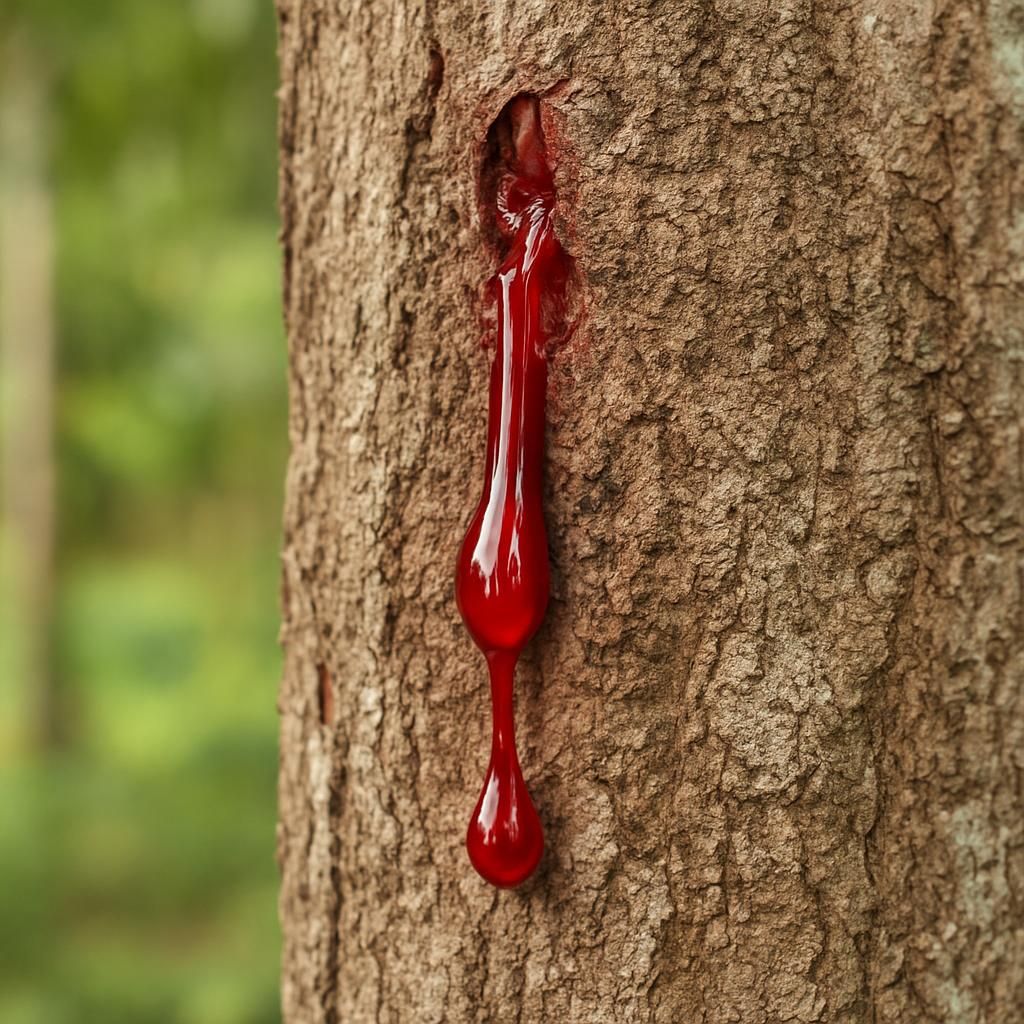
Dragon's Blood Resin
Dragon's Blood Resin is a high-value medicinal latex harvested from the Amazonian tree Croton lechleri, prized for its wound-healing, antimicrobial, and anti-inflammatory properties. This comprehensive guide covers optimal growing conditions, propagation, care, pest management, harvesting, and companion planting strategies for commercial and small-scale producers.
View Guide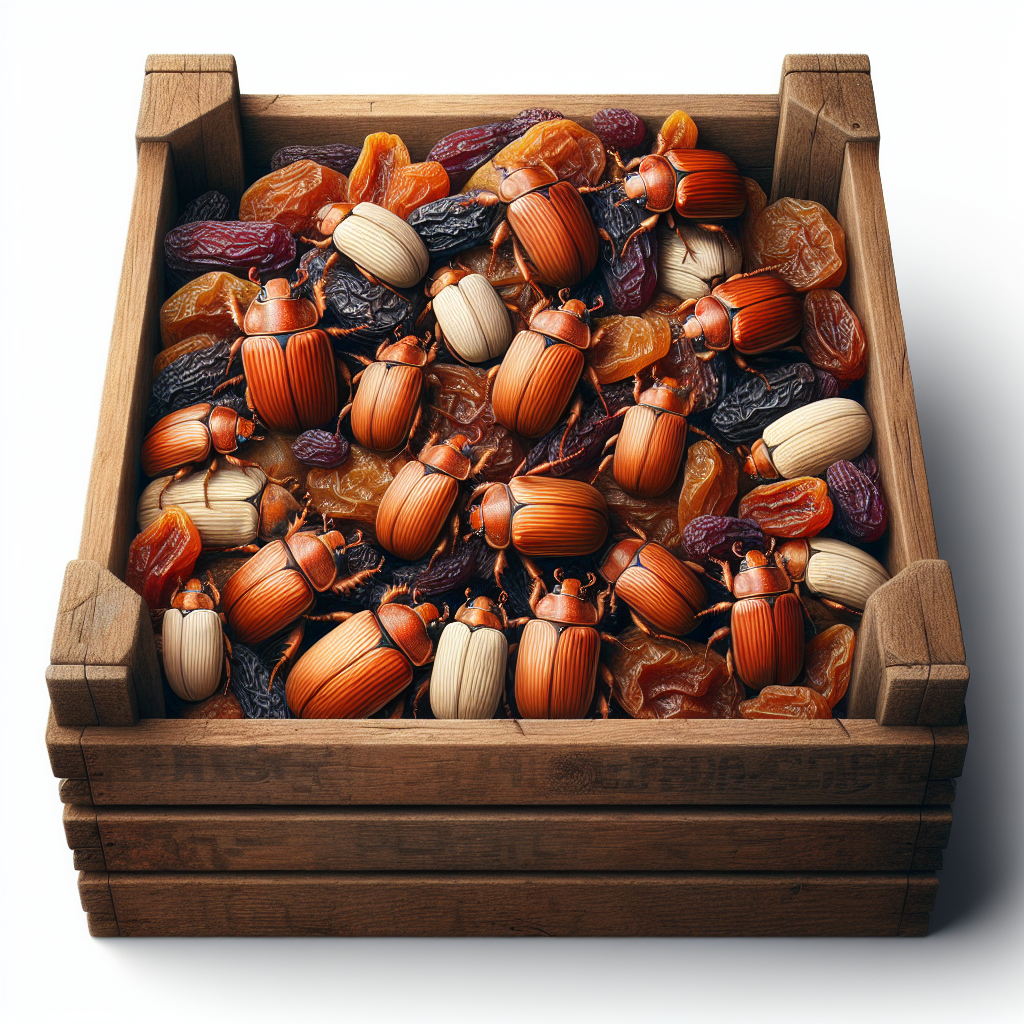
Dried fruit beetles
Dried fruit beetles are scavenging pests that infest stored dried fruits, grains, and fresh produce, causing significant economic losses through feeding damage and contamination. These small, dark beetles thrive in warm, humid conditions and can rapidly multiply in post-harvest environments. Effective management combines sanitation, monitoring, and targeted organic controls to protect crops and storage facilities.
View Profile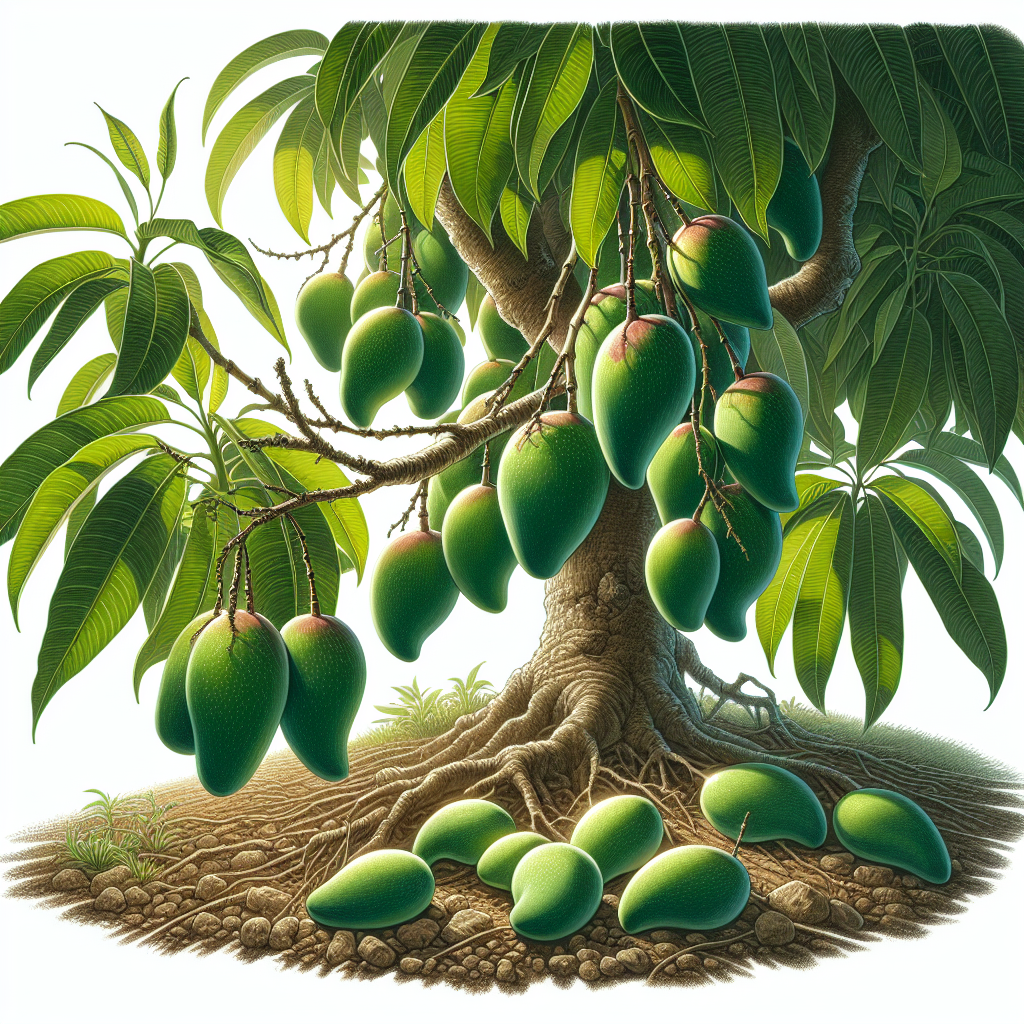
drop
Drop is a common physiological disorder in fruit crops characterized by premature fruit shedding, leading to significant yield losses. Caused primarily by environmental stress, hormonal imbalances, and nutrient deficiencies, it affects pollination and early fruit development. Effective management focuses on balanced nutrition, irrigation, and stress mitigation for healthy crop yields.
View Profile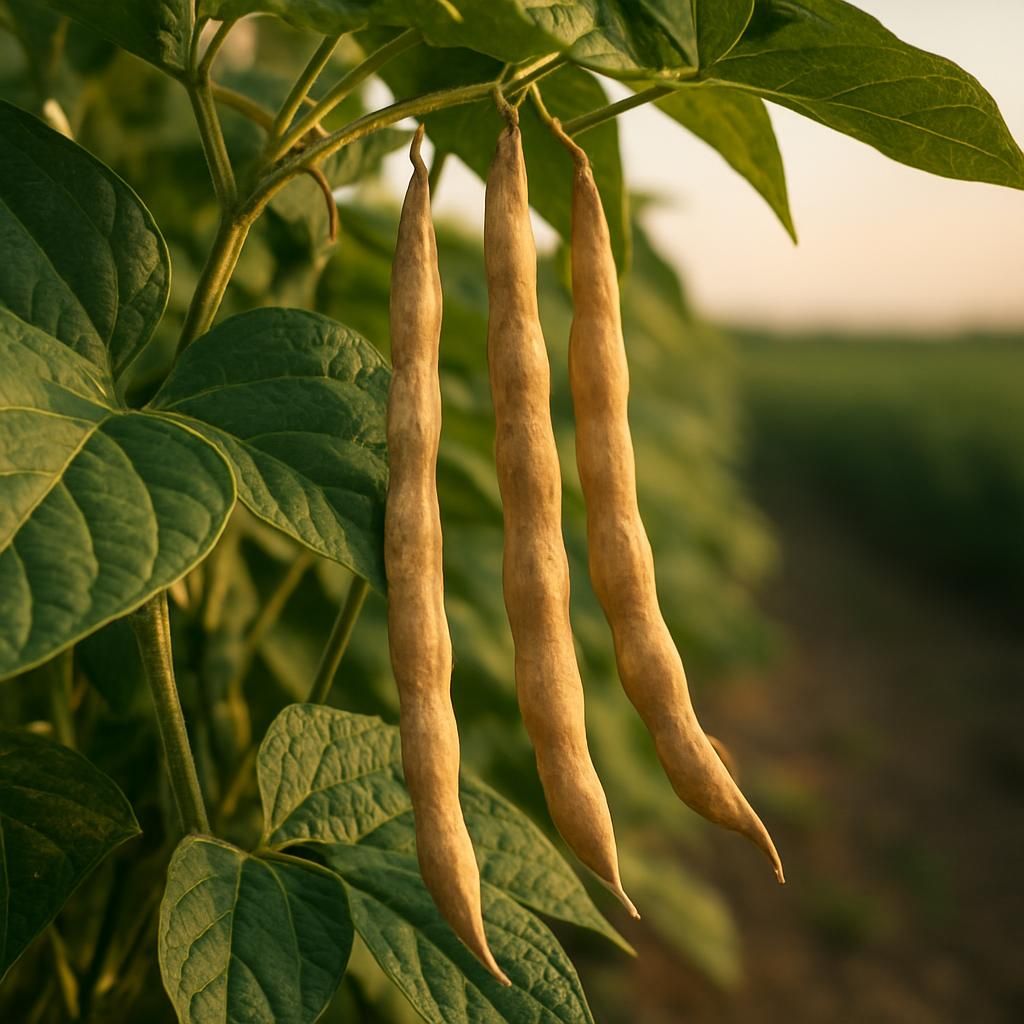
Dry Beans
Dry beans are nutrient-dense legumes grown for their mature, dried seeds. This guide covers professional production practices from soil preparation through harvest and storage.
View Guide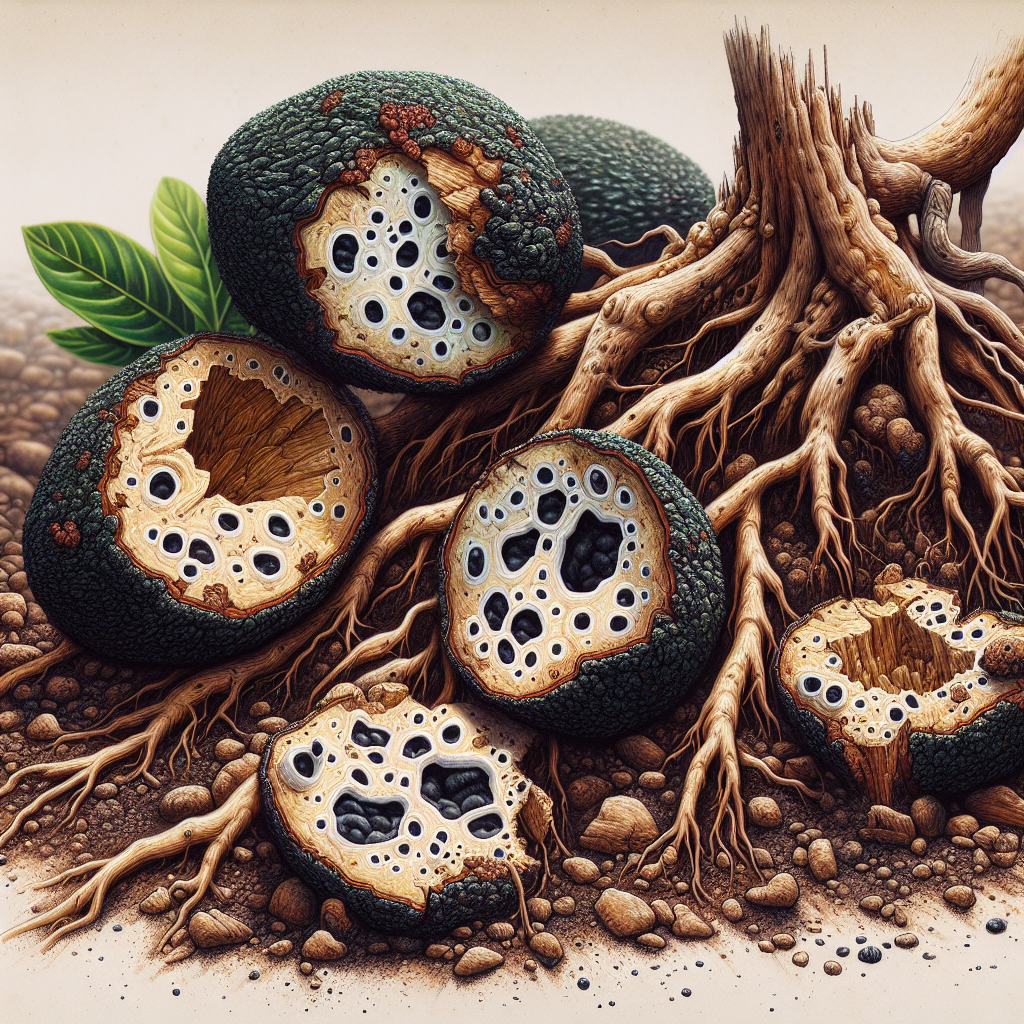
Dry root rot
Dry root rot, caused by the fungus Phellinus noxius, is a destructive soilborne disease affecting woody plants and trees, leading to rapid decline and death through root decay without the typical waterlogging symptoms of wet rots. It spreads via root contacts and contaminated soil, thriving in warm, humid conditions. Effective management relies on prevention, early detection, and organic cultural practices.
View Profile
Dryopteris
Dryopteris, commonly known as wood ferns, is a diverse genus of hardy, shade-loving ferns widely cultivated for ornamental landscaping, erosion control, and ecological restoration. These perennial plants thrive in moist, well-drained soils and are valued for their architectural fronds and resilience in temperate woodland settings.
View Guide
Dubraj Rice
Dubraj Rice is an aromatic, short-grain variety renowned for its unique aroma and flavor, primarily grown in the Indian states of Chhattisgarh and Madhya Pradesh. It thrives in tropical climates and is valued for both its culinary uses and its role in supporting local agriculture.
View Guide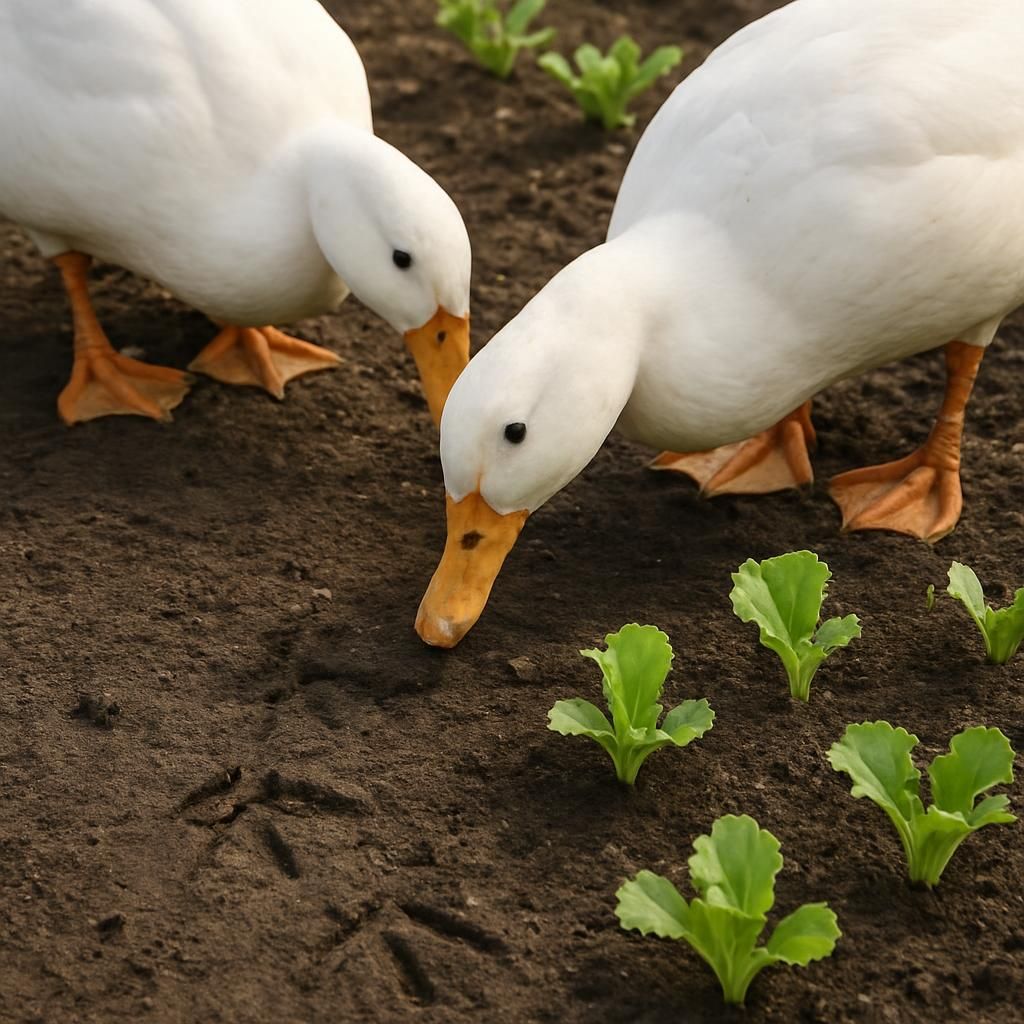
duck (livestock integration)
Duck integration in livestock systems uses domestic ducks as a biological control and soil-health tool within diversified farms. While beneficial for pest suppression and fertilization, improper management can lead to crop damage, soil compaction, and pathogen risks.
View Profile
Duckweed
Duckweed is the world's smallest flowering plant and a high-protein aquatic crop used for wastewater treatment, animal feed, and biofuel. It grows rapidly on still or slow-moving water surfaces and can double its biomass in 24–48 hours under optimal conditions. Commercial cultivation focuses on nutrient-rich ponds with controlled harvesting to maintain productivity.
View Guide
Duke Blueberry
Duke Blueberry is an early-season, high-yielding northern highbush cultivar renowned for its large, firm berries with exceptional flavor and shelf life. Released in 1992 by the U.S. Department of Agriculture, it thrives in acidic soils and temperate climates, producing heavy crops ideal for both fresh markets and U-pick operations. This guide provides expert techniques for maximizing yields through precise soil management, pruning, and pest control.
View Guide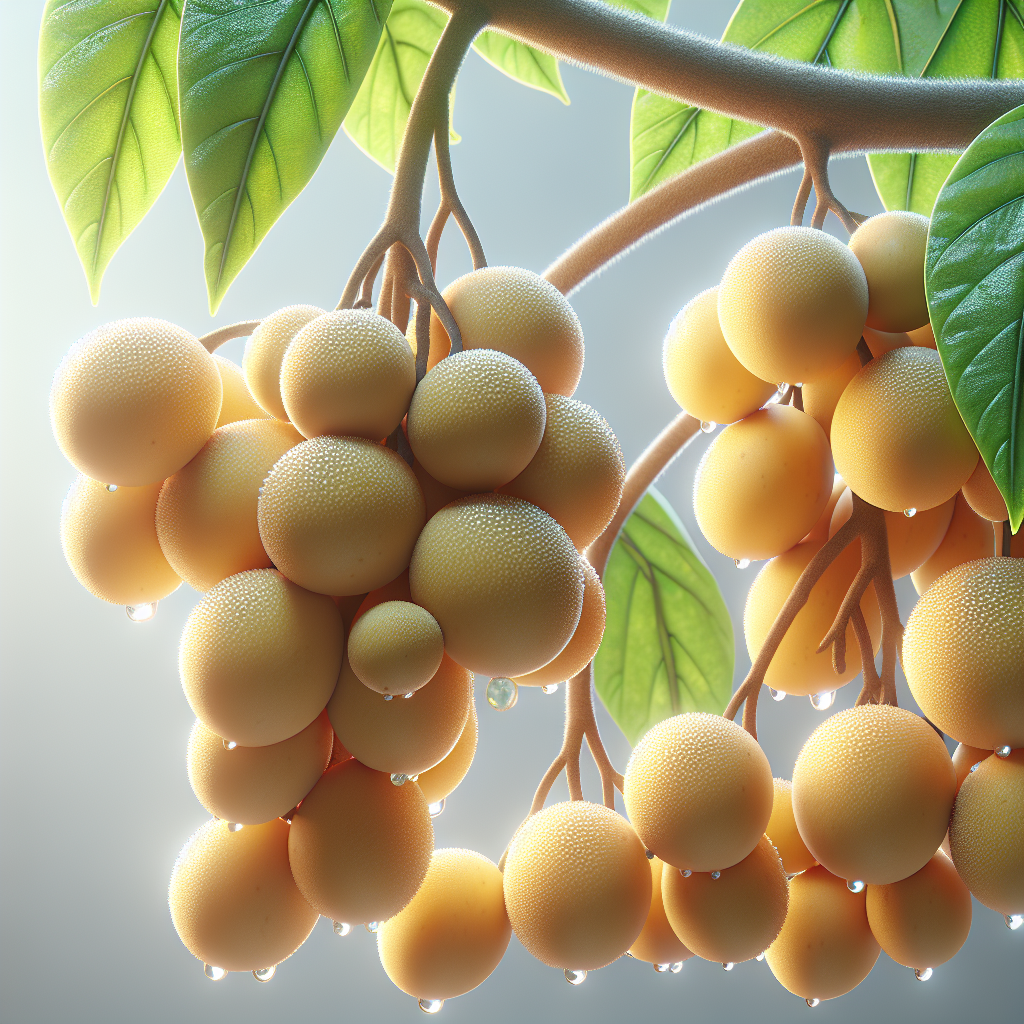
Duku-Langsat (Longkong)
Duku-Langsat, commonly known as Longkong, is a tropical evergreen fruit tree prized for its sweet-tart, juicy fruits with a unique citrusy flavor. Native to Southeast Asia, it thrives in humid, warm climates and requires well-drained, fertile soils for optimal growth and high yields. This comprehensive guide covers everything from propagation to pest management for successful cultivation.
View Guide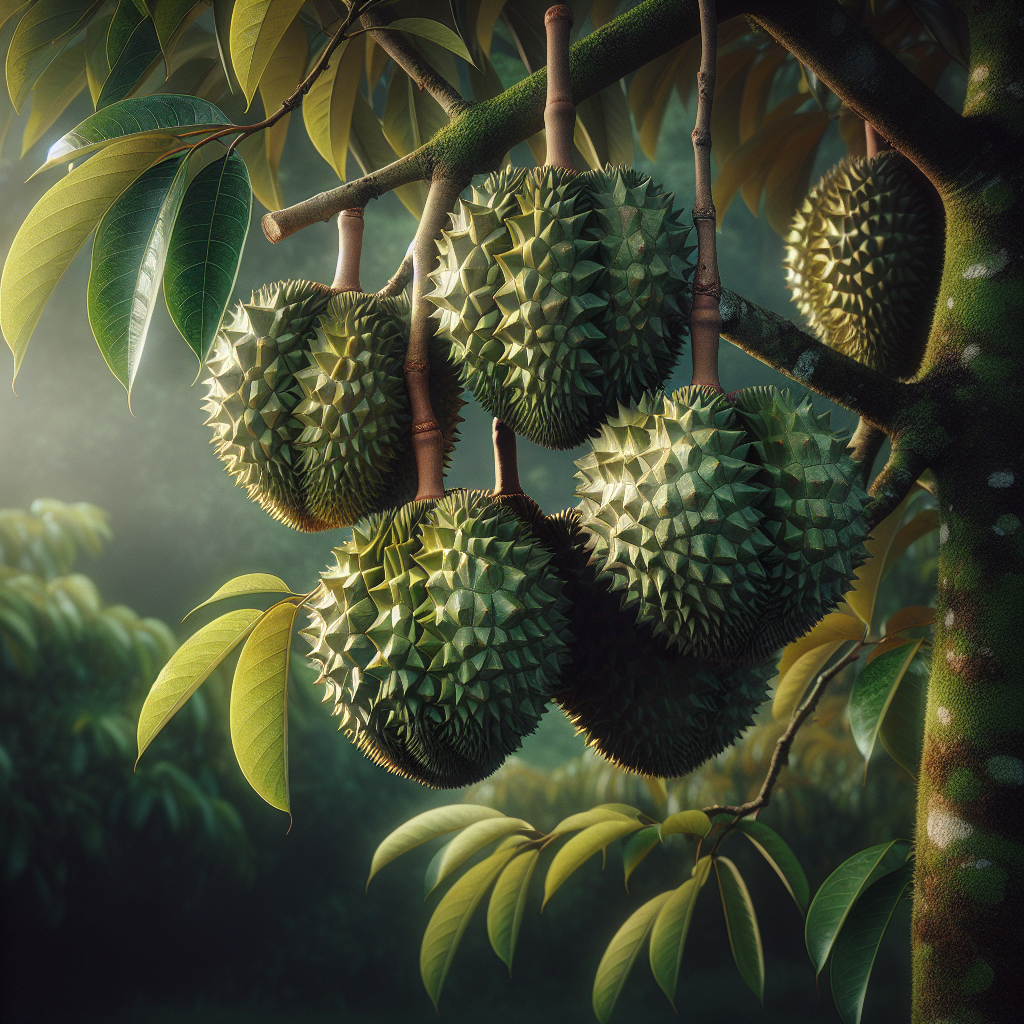
Durian
Durian is a large, tropical evergreen fruit tree prized across Southeast Asia for its intensely aromatic, custard-like flesh and high market value. It is a demanding crop that requires deep, well-drained acidic soil, consistently warm humid conditions, and careful water and nutrient management, especially during establishment and flowering.
View Guide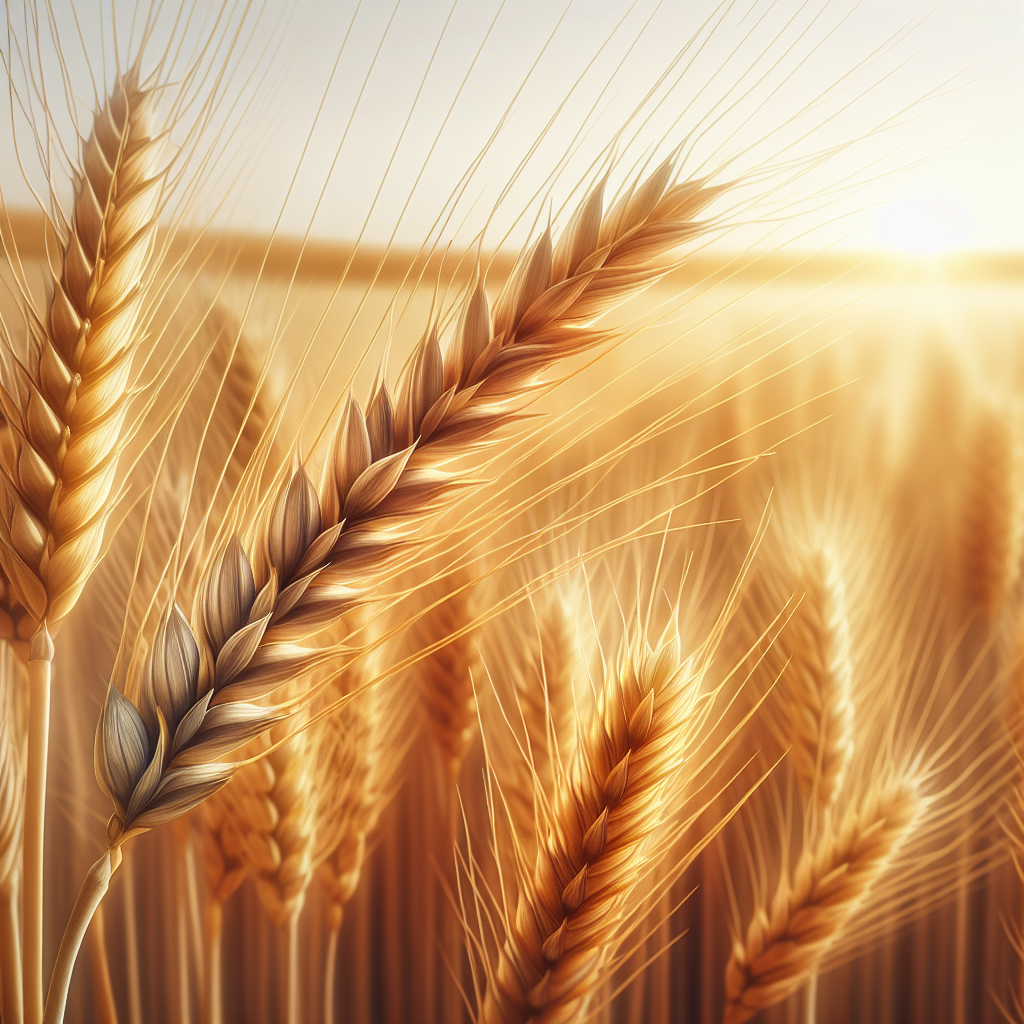
Durum Wheat
Durum wheat is the hard, high-protein wheat best known for semolina and premium pasta production. It thrives in semi-arid temperate regions, performs best on fertile, well-drained soils, and rewards precise nutrient, moisture, and disease management with dense, amber kernels and strong grain quality.
View Guide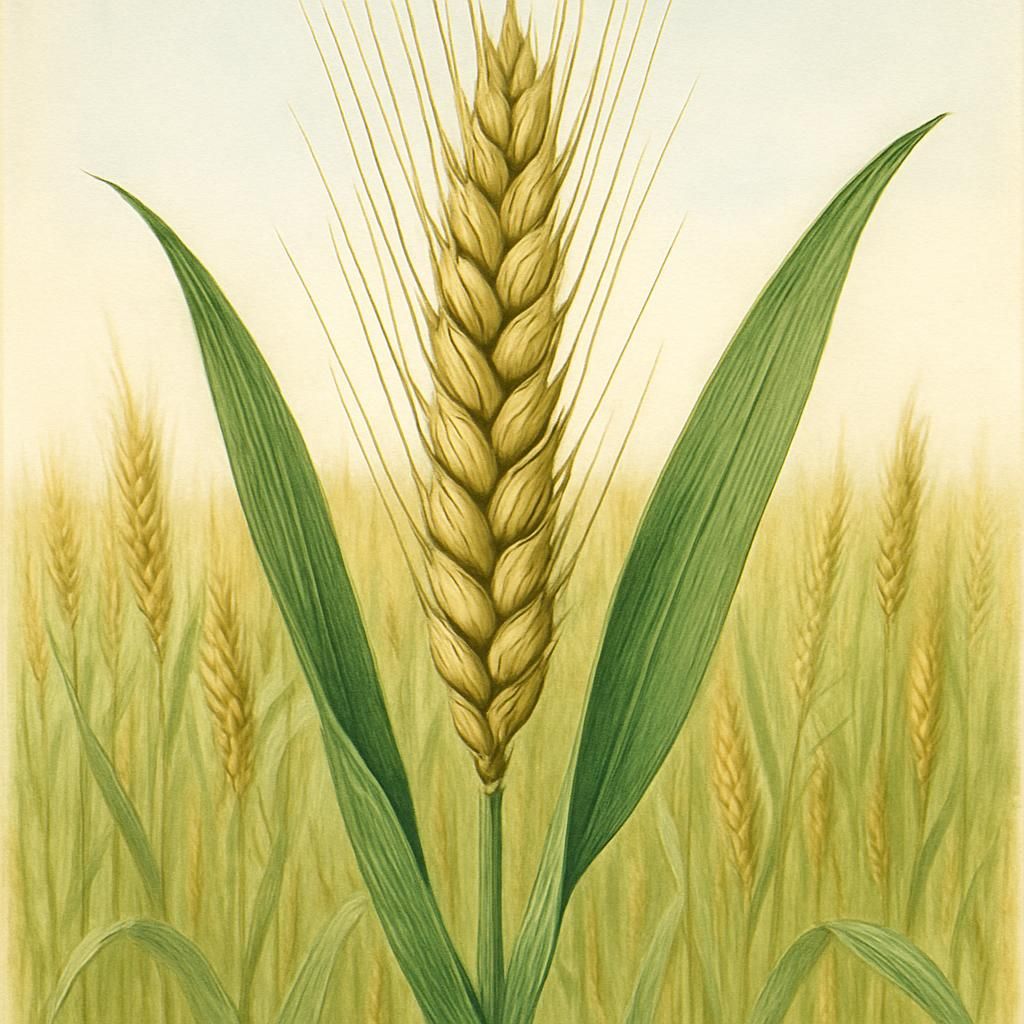
Durum Wheat (Saragolla)
Durum Wheat, particularly the Saragolla variety, is a type of hard wheat used primarily for making pasta. It requires a specific environment to thrive, including well-drained soils and a warm climate
View Guide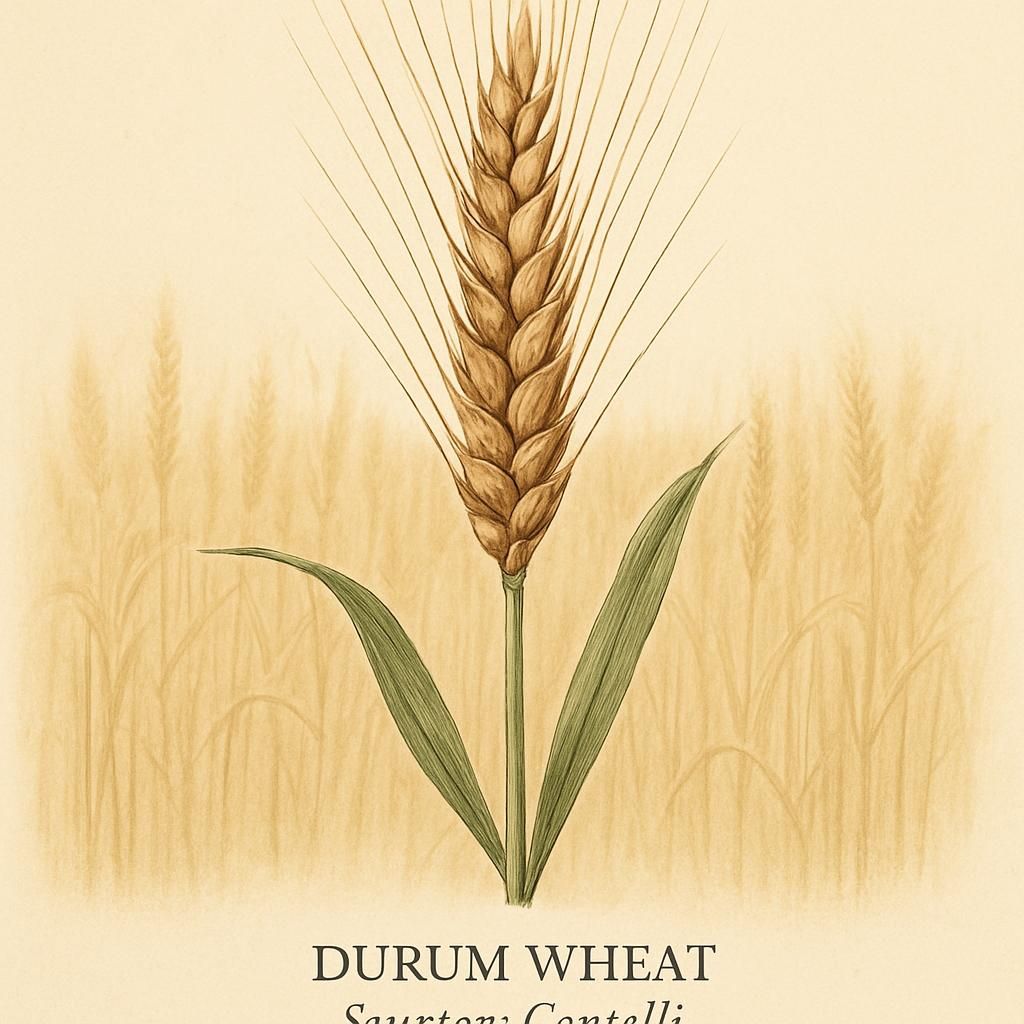
Durum Wheat (Senatore Cappelli)
Durum Wheat (Senatore Cappelli) is a heritage variety of wheat known for its high protein content and nutty flavor, ideal for pasta production. Originating from Italy, it thrives in warm, dry climates and is valued for its resilience and superior quality.
View Guide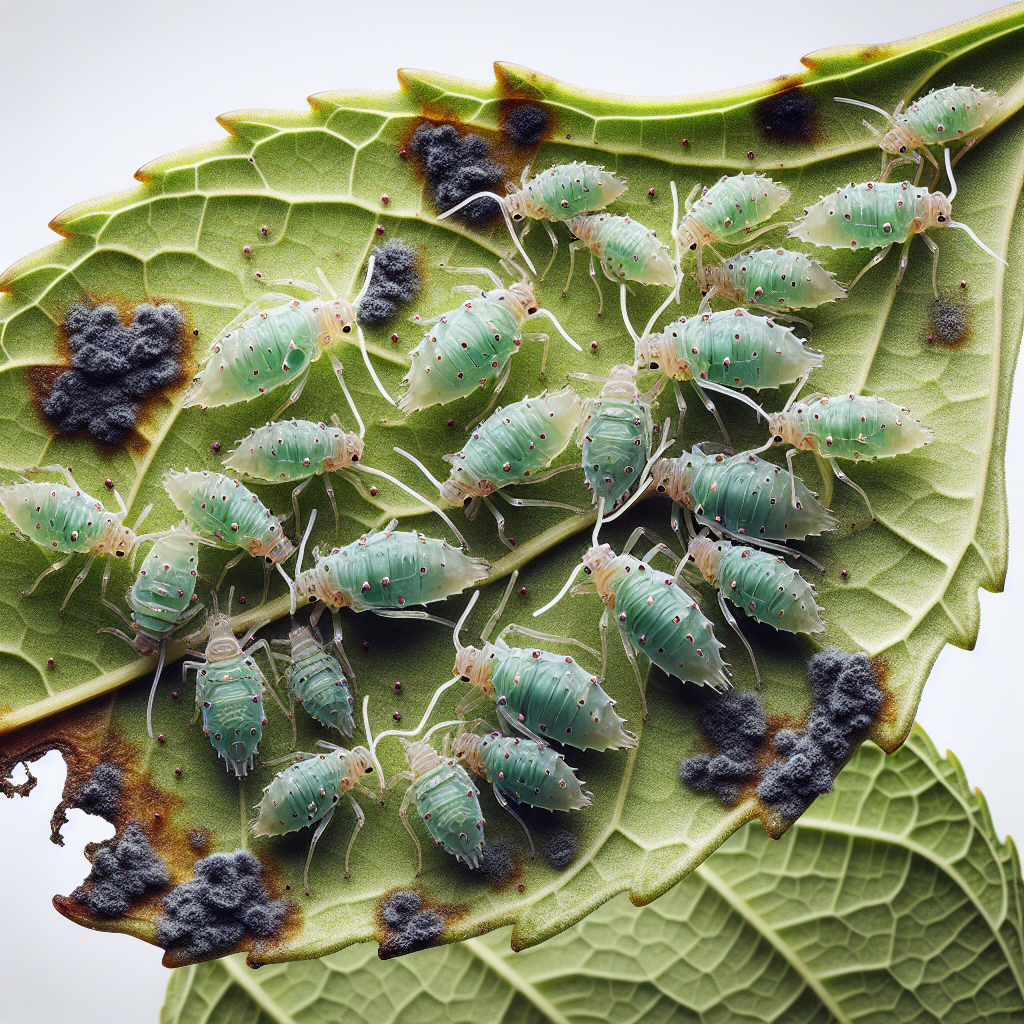
Dusky-veined walnut aphid
The dusky-veined walnut aphid (Panaphis juglandis) is a sap-sucking pest that primarily targets walnut trees, causing leaf curl, sooty mold, and reduced yields. This guide provides comprehensive diagnostics, lifecycle insights, organic management strategies, and prevention tips for farmers. Effective control relies on early detection, biological agents, and cultural practices to protect [Walnut (crop)](/wiki/walnut) orchards.
View Profile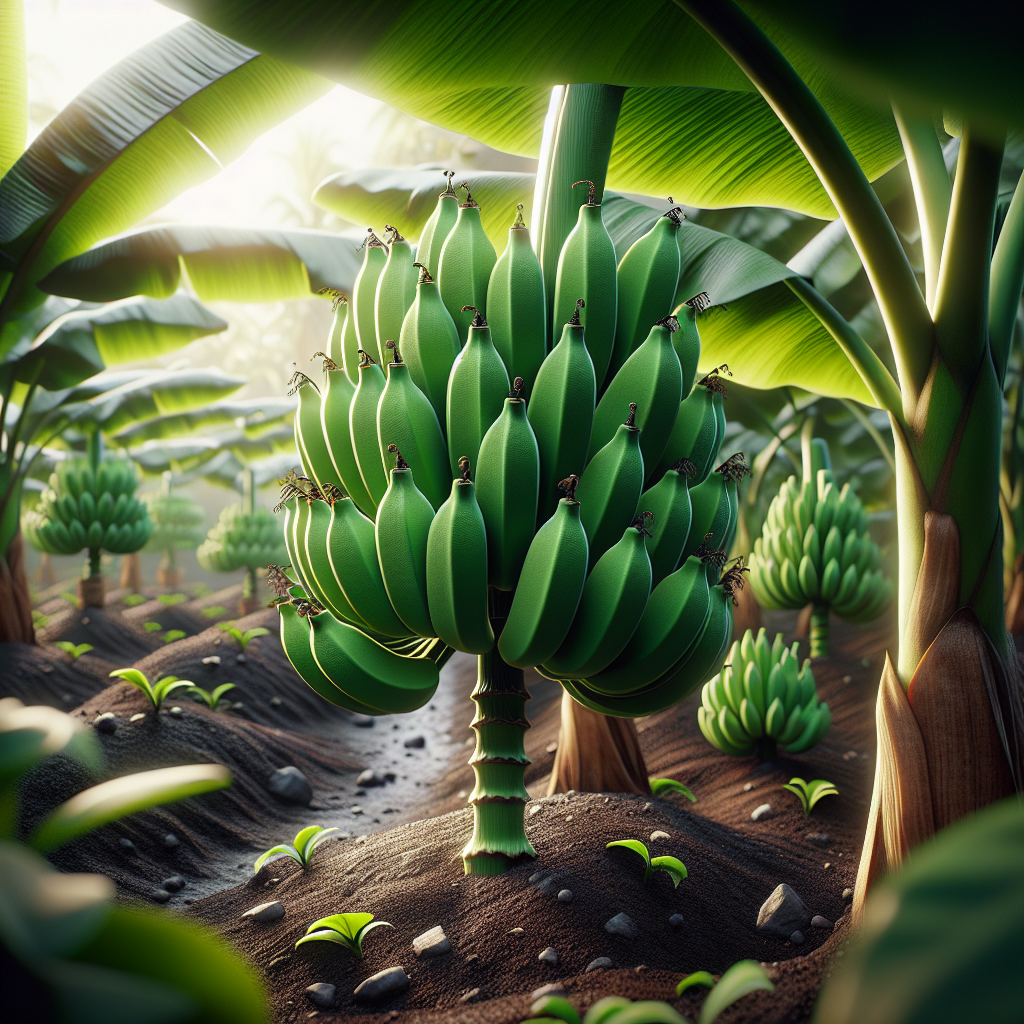
Dwarf Cavendish Banana
Dwarf Cavendish Banana is one of the world’s most widely grown dessert bananas and a favorite for home gardens because it stays shorter than standard Cavendish types while still producing full-sized sweet fruit. This cultivar is highly productive in warm climates, but it demands consistent moisture, rich soil, heavy feeding, and vigilant wind and cold protection to reach its full potential.
View Guide
Dwarf Coconut
Dwarf Coconut is a compact, precocious form of coconut palm valued for earlier bearing, manageable height, and reliable tender-nut production in tropical and frost-free subtropical zones. Although shorter than tall types, it still requires professional attention to drainage, potassium nutrition, salt tolerance, and canopy health to achieve long-lived, high-yielding performance.
View Guide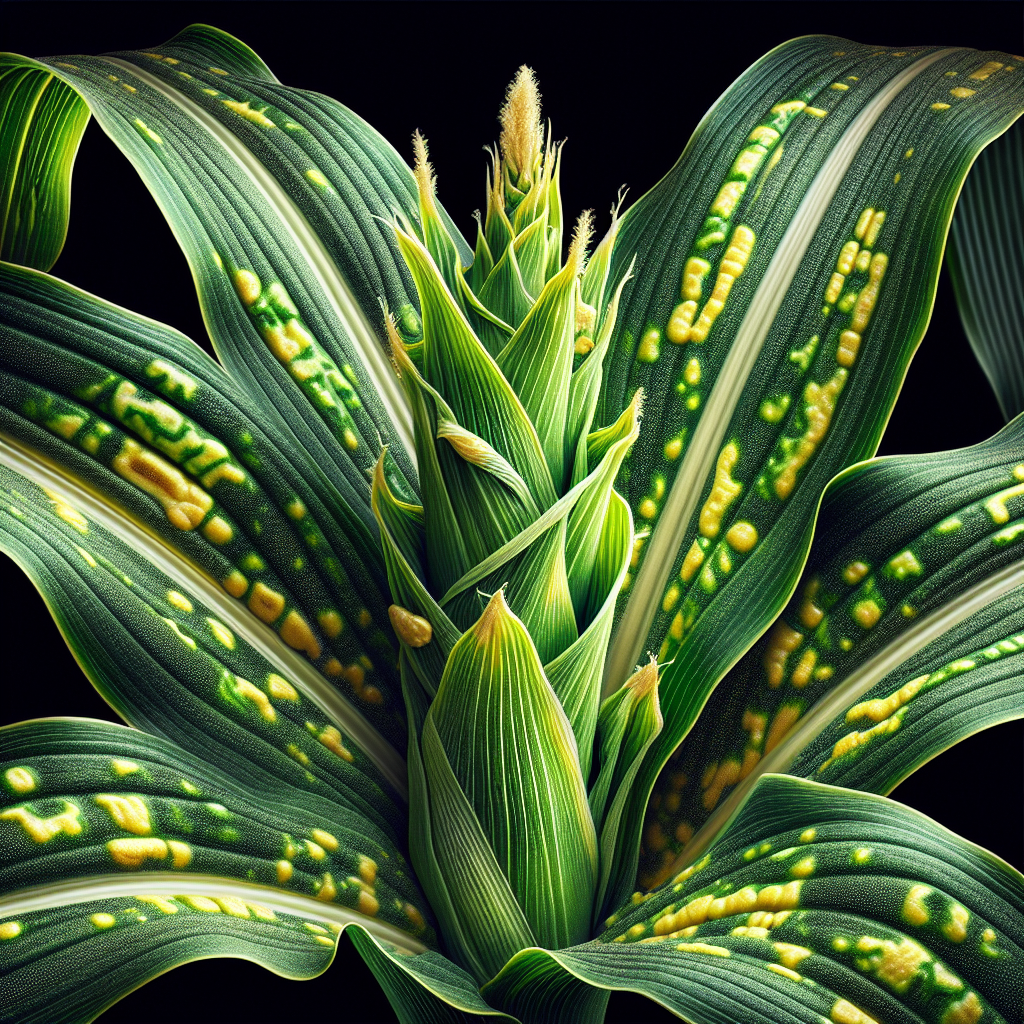
Dwarf mosaic virus
Dwarf mosaic virus is a devastating viral disease primarily affecting corn and other cereal crops, transmitted by aphids and causing stunted growth, mosaic patterns on leaves, and severe yield losses. Early identification and management through resistant varieties, vector control, and sanitation are crucial for minimizing damage. This guide provides comprehensive diagnostic, organic control, and prevention strategies for affected crops.
View Profile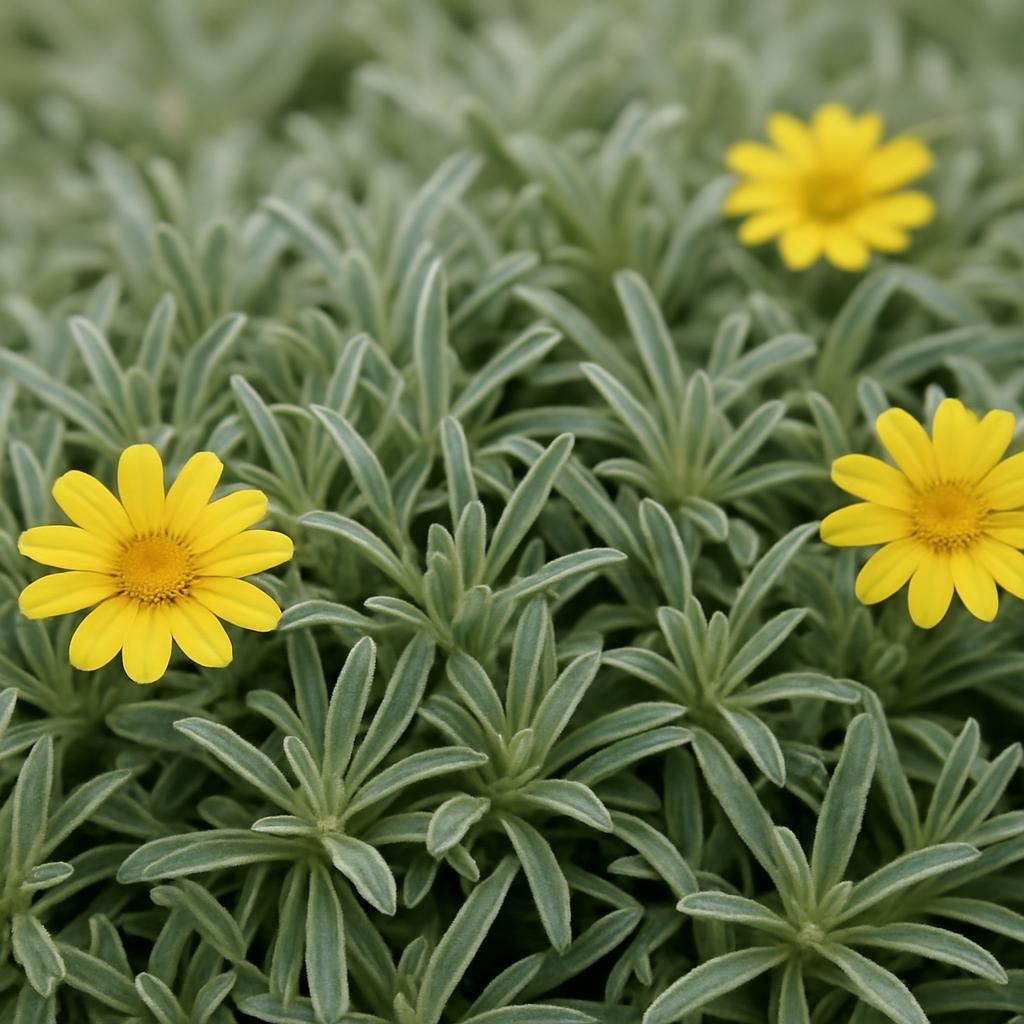
Dymondia margaretae
Dymondia margaretae is a low-growing, evergreen perennial groundcover native to South Africa prized for its silvery foliage and bright yellow daisy-like flowers. It excels as a drought-tolerant lawn substitute, between pavers, and in xeriscapes, forming a dense, weed-suppressing mat that requires minimal irrigation once established.
View Guide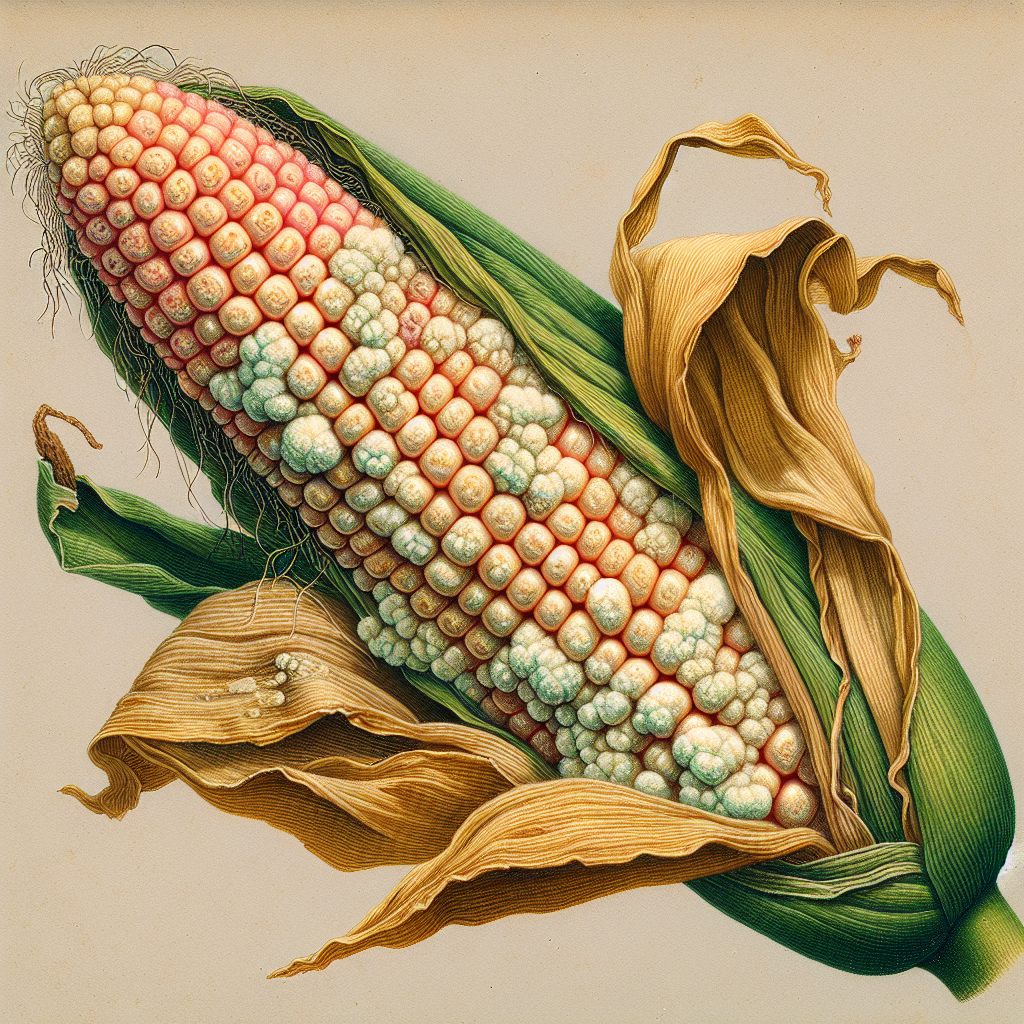
Ear Rots
Ear rots are destructive fungal diseases primarily affecting corn ears, causing kernel discoloration, mold growth, and significant yield losses. Common pathogens include Fusarium species producing mycotoxins like fumonisins, leading to reduced grain quality and health risks. Effective management relies on cultural practices, resistant hybrids, and timely harvest.
View Profile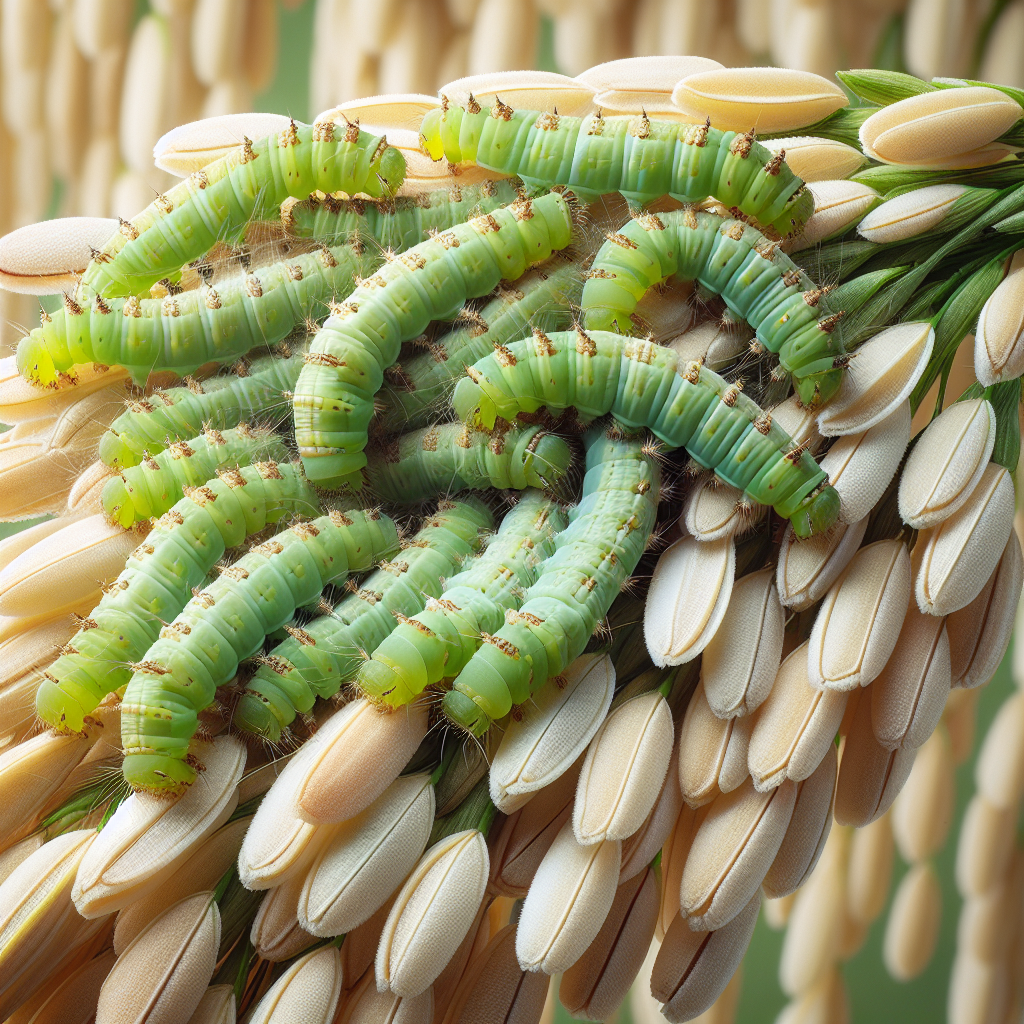
earhead caterpillars
Earhead caterpillars are destructive pests primarily targeting cereal crops like rice and sorghum, feeding on developing grains in the earhead stage, causing up to 50% yield losses. These larvae bore into panicles, leaving frass and webbing, identifiable by their green to brown bodies and distinctive head capsules. Effective management combines organic sprays, biological controls, and cultural practices for sustainable control.
View Profile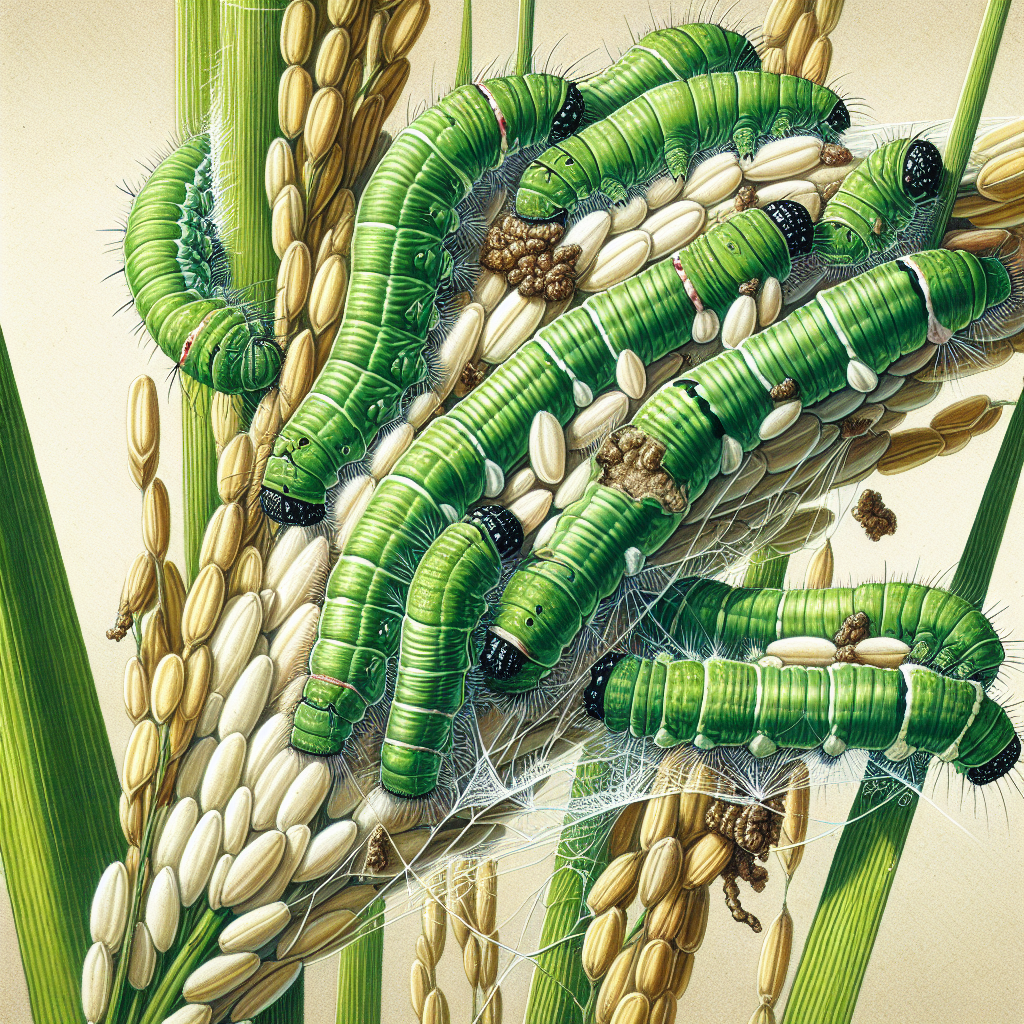
earhead feeders
Earhead feeders are destructive caterpillars targeting the developing grains in cereal crop panicles, causing significant yield losses in rice, wheat, and sorghum. These pests feed voraciously on earheads, leading to chaffy grains and reduced harvestable yield. Effective management combines cultural practices, biological controls, and timely interventions for sustainable agriculture.
View Profile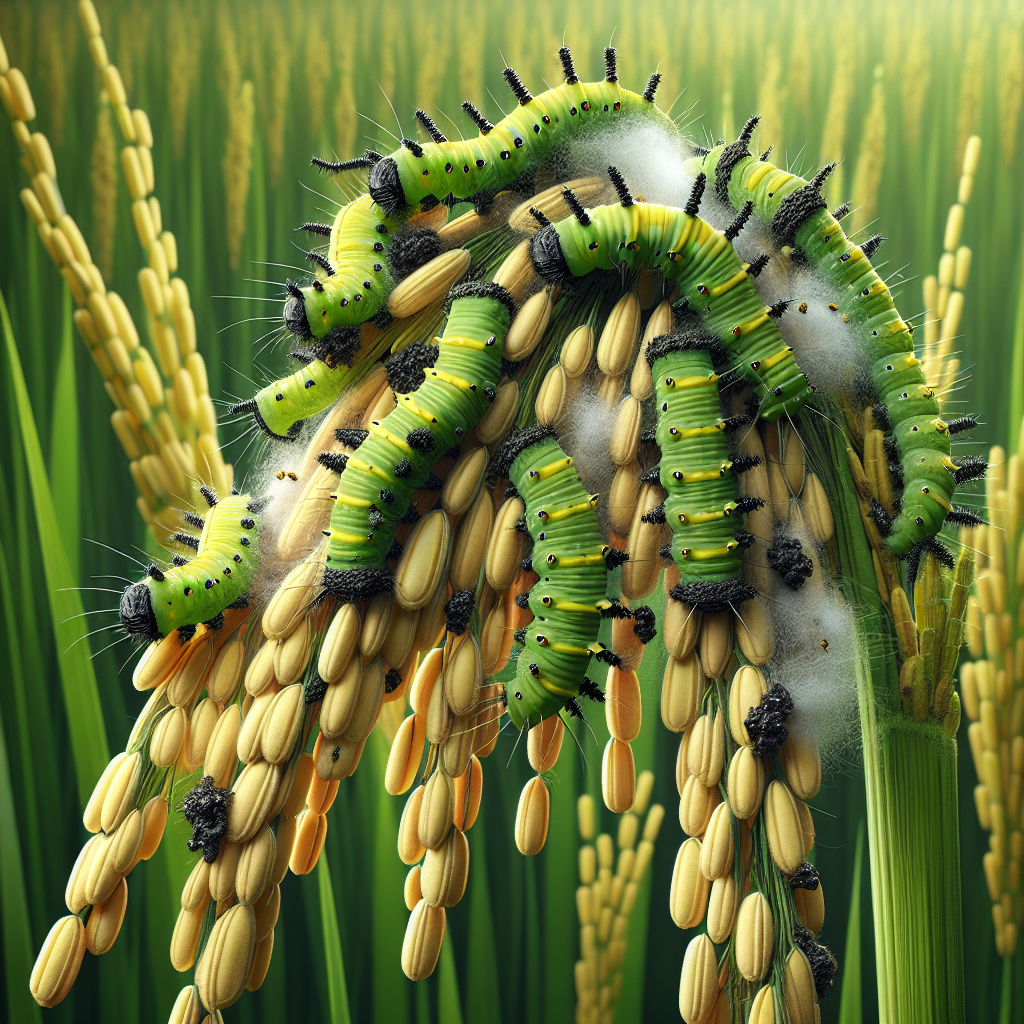
earhead-feeding caterpillars
Earhead-feeding caterpillars are destructive larvae of noctuid and pyralid moths that target the developing grains in panicles or ears of cereal crops like rice and wheat, causing significant yield losses. These pests feed voraciously on earheads, leading to chaffy grains and reduced harvest. Effective management combines cultural practices, biological controls, and timely monitoring for sustainable control.
View Profile