Introduction to Duku-Langsat (Longkong)
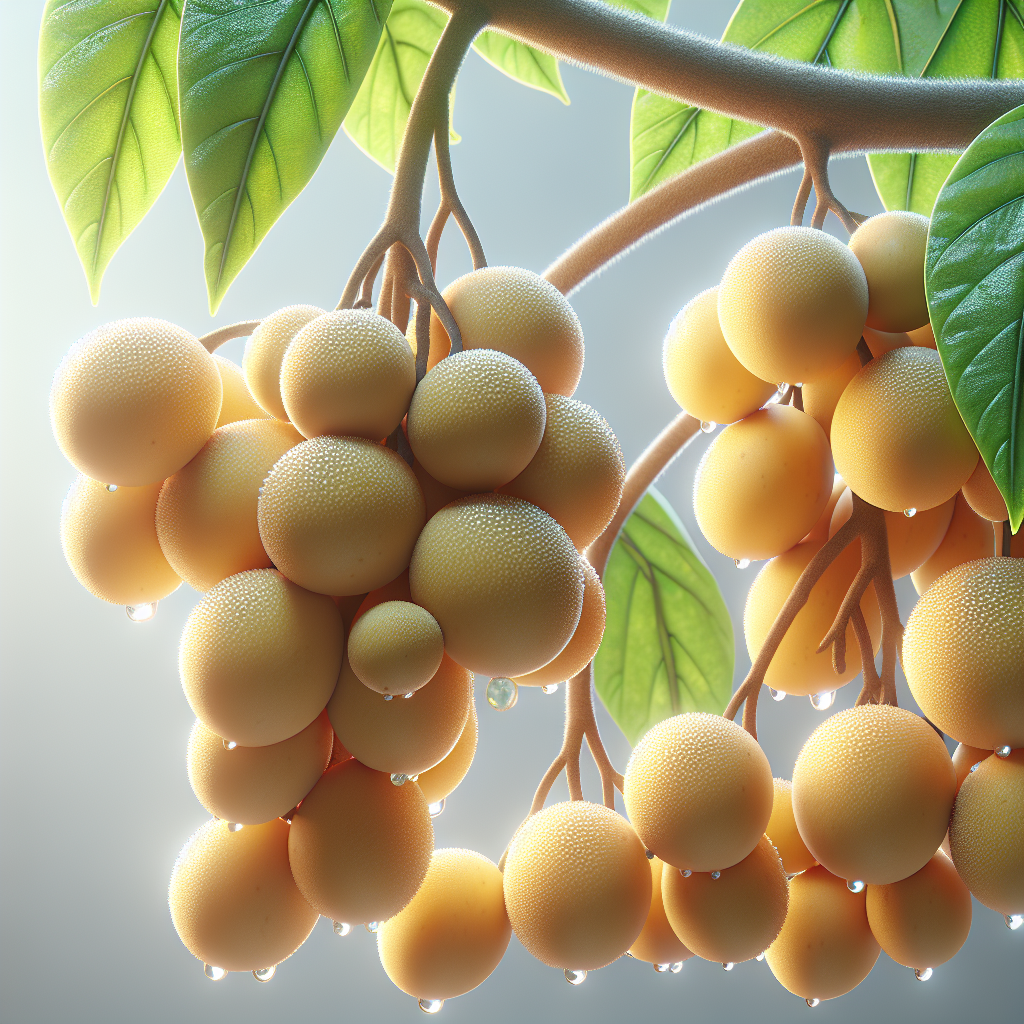
Duku-Langsat, often referred to as Longkong, is a delectable tropical fruit from the Meliaceae family, scientifically known as Lansium parasiticum. This evergreen tree produces clusters of small, round fruits with translucent, segmented flesh that offers a perfect balance of sweetness and slight tartness, reminiscent of lychee but with a distinctive citrus undertone. Native to Malaysia, Thailand, Indonesia, and the Philippines, Longkong has gained popularity worldwide for its refreshing taste and nutritional profile, rich in vitamin C, antioxidants, and dietary fiber.
Cultivating Duku-Langsat is rewarding for small farms and home orchards in suitable tropical regions, yielding fruits 4-7 years after planting under optimal conditions. The tree's dense canopy provides shade, making it ideal for intercropping, while its fruits command premium prices in local and export markets. However, success demands attention to climate, soil, and pest management. This deep-dive guide equips growers with professional-grade advice to maximize yields, drawing from botanical expertise and proven agricultural practices. For more on tropical fruit companions, check out the mango cultivation wiki.
Botanical Profile of Duku-Langsat (Longkong)
Lansium parasiticum is a medium-sized evergreen tree growing 10-20 meters tall in natural settings, though grafted cultivars are often pruned to 6-10 meters for easier harvesting. It features compound leaves with 5-7 leaflets, each 10-20 cm long, glossy green above and slightly hairy beneath. The tree produces small, white, fragrant flowers in panicles up to 50 cm long, blooming year-round in equatorial climates but peaking during dry seasons.
Fruits are globular, 2-5 cm in diameter, with thin, yellowish-brown skin that turns golden when ripe. Inside, 4-5 white arils surround bitter seeds, but premium varieties like 'Longkong' have minimal or edible seeds. There are three main types: Duku (larger fruits, thicker skin), Langsat (smaller, more acidic), and Longkong (sweetest, thinnest skin). Trees are dioecious or hermaphroditic, with most commercial cultivars being hermaphroditic for reliable fruiting. Root systems are shallow and spreading, sensitive to waterlogging, necessitating deep, aerated soils.
Propagation favors grafting onto rootstocks like duku or native Lansium for vigor and disease resistance. The tree's growth rate is moderate, reaching fruit-bearing size in 3-5 years via grafting. For insights into similar tropical propagation, see Why Companion Planting Feels Like Guesswork for Small Farms - And How AI Makes It Foolproof.
Soil, pH, and Climate Requirements for Duku-Langsat (Longkong)
Longkong thrives in fertile, well-drained loamy soils rich in organic matter, with pH 5.5-6.5 optimal for nutrient uptake. Avoid heavy clays or sandy soils prone to erosion; amend with compost, aged manure, and lime if needed to adjust pH. Soil depth should exceed 1 meter to accommodate shallow roots, and good drainage is critical to prevent root rot.
Climatically, it demands tropical or subtropical conditions: temperatures 24-32°C (75-90°F), with no frost tolerance. High humidity (70-90%) and annual rainfall 1500-2500 mm are ideal, supplemented by irrigation during dry spells. It flowers in response to brief dry periods followed by rain, so in uniform wet climates, water stress via mulching or controlled irrigation boosts yields. Wind protection is essential, as strong gusts damage flowers and young fruits. Elevations up to 600m suit most varieties, but select heat-tolerant clones for lowland areas.
Soil testing every 6 months ensures balanced nutrition; deficiencies in nitrogen show as yellowing leaves, while boron shortage causes fruit cracking. Mulch with coconut husks or rice hulls to retain moisture and suppress weeds.
Step-by-Step Planting & Propagation
Propagation Methods
- Seed Propagation (for rootstocks): Sow fresh seeds in 50% sand-50% compost mix at 25-30°C. Germination takes 2-4 weeks; seedlings grow slowly.
- Grafting (preferred): Use cleft or veneer grafting on 1-2 year-old rootstocks in the rainy season. Success rate: 80-90%. Air-layering (marcotting) works for mature branches, rooting in 6-8 weeks.
- Budding: Patch budding during active growth yields high success.
Planting Steps
- Site Preparation: Clear land, dig pits 60x60x60 cm, spaced 8-10m apart (100-150 trees/ha). Incorporate 20-30 kg compost, 500g superphosphate, and 200g muriate of potash per pit.
- Planting: Plant grafted saplings 5-10 cm above soil level during onset of rains. Stake for support.
- Initial Care: Water deeply weekly; apply mulch 10 cm thick. Prune to single leader.
Young trees need protection from direct sun with shade nets for 6-12 months. Expect first fruits in 3-4 years.
Care & Maintenance regimes for Duku-Langsat (Longkong)
Irrigation
Provide 40-60 liters/tree/week during dry seasons, reducing in rains. Drip systems prevent wet foliage, minimizing fungal issues.
Fertilization
Year 1-3: NPK 15-15-15 at 100g/tree, increasing to 2-3 kg/tree annually for matures. Split into 3 applications: post-harvest, pre-flower, fruit-set. Foliar sprays of micronutrients (Zn, B, Mn) every 3 months. Organic options: compost tea, fish emulsion.
Pruning
Annually remove deadwood, watersprouts, and crossing branches. Maintain open canopy for light penetration; tip-prune after harvest to encourage flowering.
Weed & Mulch Management
Mulch suppresses weeds; manual weeding or organic herbicides around base. Intercrop with legumes like pigeon pea for nitrogen fixation.
Monitor growth: aim for 50-80 cm annual height increase in juveniles.
Pests, Diseases & Organic Management
Common Pests
- Fruit flies: Bait traps with protein hydrolysate + malathion (organic: methyl eugenol).
- Aphids: Neem oil sprays; introduce ladybugs.
- Leafhoppers: Reflective mulches, insecticidal soap.
- Capsule borers: Remove infested fruits; Bacillus thuringiensis (Bt).
Major Diseases
- Anthracnose: Copper fungicides; prune for airflow.
- Phytophthora root rot: Improve drainage; phosphonate drenches.
- Powdery mildew: Sulfur sprays; potassium bicarbonate.
Integrated Pest Management (IPM): Scout weekly, use traps, encourage predators like birds. For deeper strategies, explore Why 90% of Small Farms Fail at Pest Management - And 8 Organic Fixes That Actually Work. Avoid chemicals near harvest.
Harvesting, Curing & Optimal Storage
Harvest when skin turns yellow-gold and fruits partially separate from clusters (75-80% maturity). Use secateurs to cut bunches; yield 50-100 kg/tree at maturity. Peak season: 60-90 days post-flower.
Post-Harvest: Cool to 13-15°C immediately; hydrocooling extends shelf life. Store at 10-13°C, 85-90% RH for 3-4 weeks. Ripen at room temp. For export, pack in ventilated cartons with sulfur pads against molds.
Curing: Dip in 500 ppm benomyl for 2 min to reduce decay. Market fresh or process into jams, candies.
Companion Planting for Duku-Langsat (Longkong)
Pair Longkong with shade-tolerant, nitrogen-fixing plants: Ginger or turmeric understory for pest repulsion and soil enrichment. Legumes like clover or peas fix nitrogen; marigolds deter nematodes. Avoid water-hungry crops like corn. Tall companions like coconut provide windbreaks. Benefits: enhanced biodiversity, reduced erosion, diversified income. Space intercrops 2-3m from trunk to avoid root competition.