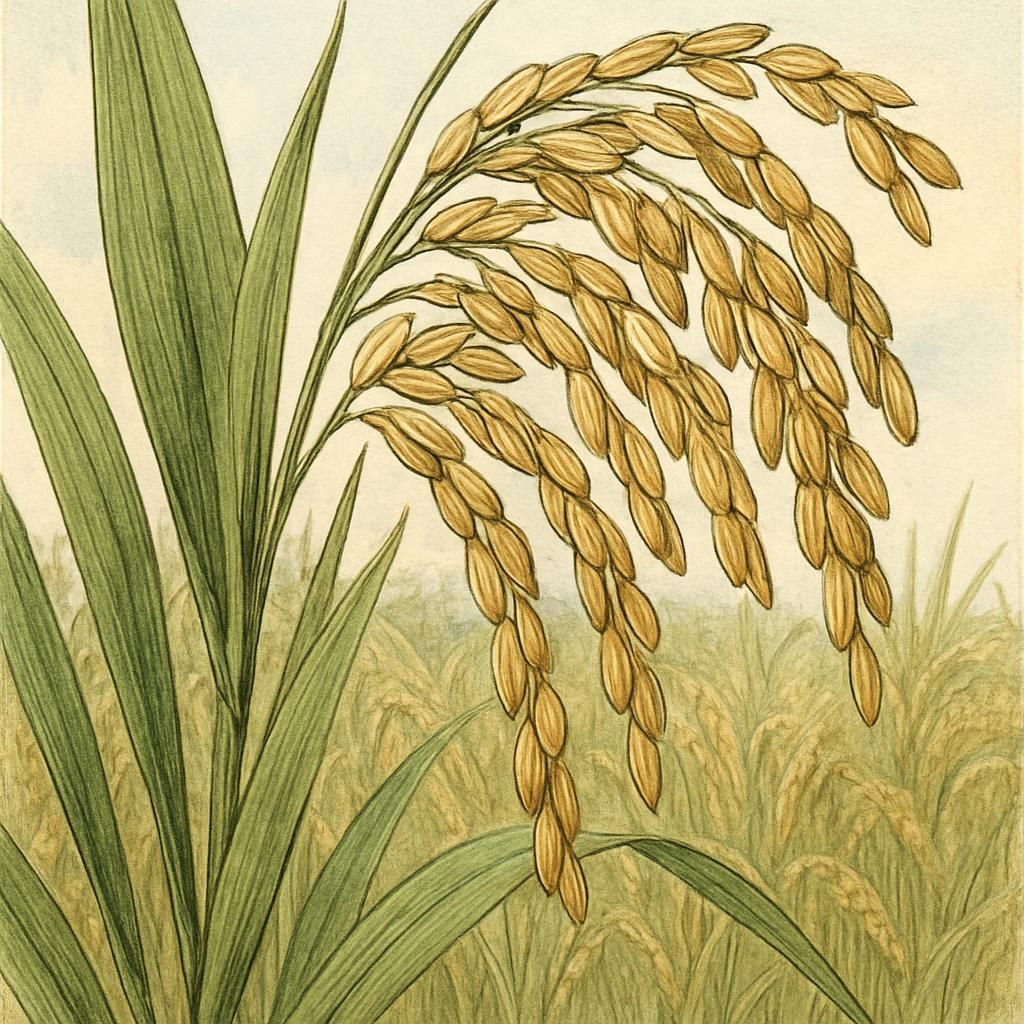
Introduction to Dubraj Rice
Dubraj Rice, known for its enticing aroma and distinctive taste, is a prized variety originating from India. This short-grain rice has a unique texture and fragrance, making it a popular choice for various culinary dishes. Often compared with famous varieties like Basmati Rice, Dubraj Rice holds a special place in the kitchens and markets of central India, particularly in Chhattisgarh and Madhya Pradesh. The grain's ability to thrive in specific climatic conditions helps sustain local agriculture, while its aromatic qualities enhance culinary experiences.
Botanical Profile of Dubraj Rice
Dubraj Rice is a cultivar of the species Oryza sativa, akin to many other popular rice varieties. It typically features short, slender grains that are aromatic and flavorful. This variety is well-suited for tropical climates where it flourishes, aided by ample rainfall or irrigation. As a staple in its regions of cultivation, Dubraj Rice often finds its way into both everyday meals and festive dishes.
Soil, pH, and Climate Requirements for Dubraj Rice
Dubraj Rice requires specific conditions to optimize its growth and yield. The key factors include soil type, pH levels, and climate conditions.
| Soil Type | pH Range | Climate | Rainfall Requirement |
|---|---|---|---|
| Loamy, clayey | 5.5 - 6.8 | Tropical, subtropical | 1200 - 1600 mm annually |
Proper soil management, including nutrient amendments and water regulation, is crucial to support robust crop growth.
Step-by-Step Planting & Propagation
- Land Preparation: Prioritize thorough plowing and leveling of the field to prepare for sowing. This ensures even water distribution.
- Seed Selection and Treatment: Select quality seeds and treat them with organic fungicides to prevent early fungal infections.
- Sowing: In temperate climates, sow seeds from May to June. Direct seeding or transplanting can be used, with seed spacing maintained for optimal plant density.
- Irrigation: Maintain consistent water levels, particularly during the initial growth phase, ensuring fields are not waterlogged.
- Fertilization: Prior to planting, incorporate organic fertilizers into the soil to enhance fertility and support seedling vigor.
Care & Maintenance Regimes for Dubraj Rice
Cultivating Dubraj Rice necessitates routine care and maintenance, ensuring the crop's health and productivity.
| Maintenance Aspect | Schedule |
|---|---|
| Watering | Regular flooding during growth |
| Fertilizing | Apply NPK fertilizers at stages |
| Pruning | Remove weeds regularly |
Weeding is crucial throughout the growth period to minimize competition for nutrients and space.
Pests, Diseases & Organic Management
Dubraj Rice is susceptible to various pests and diseases common to rice crops.
- Spider Mites: Manage by introducing natural predators or using neem oil sprays.
- Brown Plant Hopper: Control larvae with organic insecticides.
- Fungal Diseases: Root rot can be prevented by ensuring well-drained fields; use organic fungicides if necessary.
Implement crop rotation and utilize companion planting strategies to naturally deter pests.
Harvesting, Curing & Optimal Storage
- Harvesting: Once the grains turn golden and the moisture content drops to around 20%, the rice is ready for harvest.
- Curing: Post-harvest, allow grains to cure by drying them in the sun for 2-3 days, reducing moisture content to about 14%.
- Storage: Store dried grains in cool, dry conditions in airtight containers to prevent pest infestations.
Companion Planting for Dubraj Rice
Companion planting can be effective in enhancing the growth of Dubraj Rice. Consider planting with legumes like Soybeans which can fix nitrogen in the soil, enhancing nutrient availability for rice plants. Other beneficial companions include Clover and some aromatic herbs that can deter pests naturally.
Exploring further Spring Companion Planting: 8 Organic Pairings to Maximize Small Farm Yields can provide insight into creating a resilient planting scheme that supports Dubraj Rice cultivation.