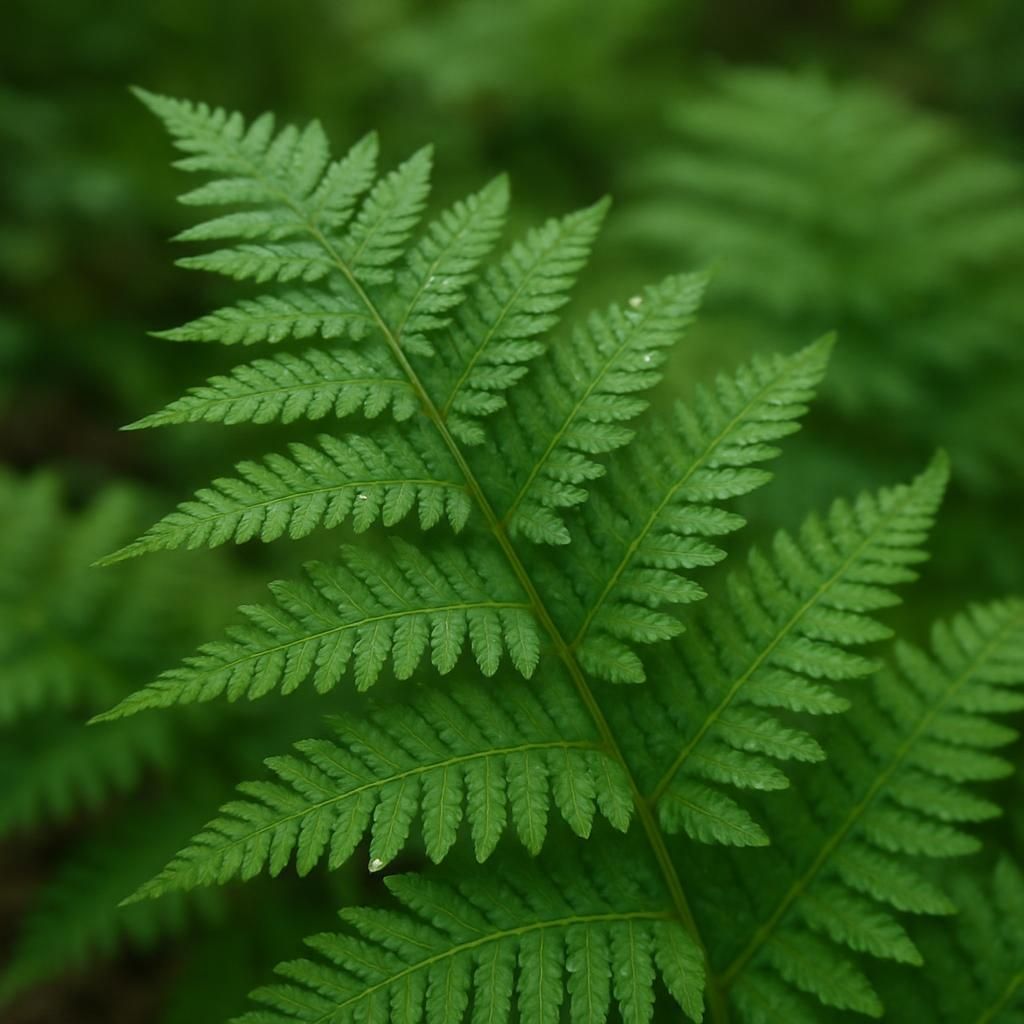
Introduction to Dryopteris
Dryopteris encompasses over 250 species of ferns distributed across temperate regions worldwide, making it one of the most horticulturally important fern genera. These plants are prized by professional growers and landscapers for their lush, evergreen to semi-evergreen fronds that provide year-round texture in shaded gardens and naturalized plantings. Unlike many flowering crops, Dryopteris excels in low-light environments where other plants struggle, offering reliable ground cover, erosion mitigation on slopes, and habitat value for beneficial insects and amphibians. Commercial growers often select species such as Dryopteris filix-mas (male fern) and Dryopteris erythrosora (autumn fern) for their adaptability and low maintenance requirements once established.
Botanical Profile of Dryopteris
Dryopteris species belong to the family Dryopteridaceae and exhibit a classic fern life cycle with alternation of generations. The sporophyte phase produces the characteristic upright or arching fronds arising from a stout, often scaly rhizome. Fronds are typically bipinnate to tripinnate, with individual pinnae bearing sori on the underside that release spores for reproduction. Most species reach mature heights of 30–120 cm depending on cultivar and growing conditions, with a spread that forms dense clumps over several seasons. Rhizomes are short-creeping to erect, allowing gradual colony expansion without aggressive invasiveness. The genus displays remarkable variation in frond color, from the deep green of D. filix-mas to the copper-red new growth of D. erythrosora that matures to dark green.
Soil, pH, and Climate Requirements for Dryopteris (MUST INCLUDE A MARKDOWN TABLE OF IDEAL CONDITIONS)
Successful cultivation of Dryopteris requires attention to soil structure, moisture retention, and temperature tolerance. These ferns prefer consistently moist yet well-aerated soils rich in organic matter. They perform best in partial to full shade, with protection from intense afternoon sun and drying winds. Most species are hardy in USDA zones 3–8, though some evergreen types require winter protection in colder climates. The following table summarizes optimal growing parameters:
| Parameter | Ideal Range | Notes |
|---|---|---|
| Soil Type | Loamy, humus-rich, well-drained | Incorporate leaf mold or compost |
| pH | 5.5 – 7.0 | Slightly acidic to neutral |
| Temperature | 15–24 °C daytime; tolerates -20 °C | Protect from late spring frosts |
| Light | Partial to full shade | Avoid direct midday sun |
| Spacing | 30–60 cm between plants | Allows for mature clump expansion |
| Humidity | Moderate to high | Mulch helps retain moisture |
Step-by-Step Planting & Propagation
Begin site preparation by clearing competing vegetation and amending native soil with 5–10 cm of well-rotted leaf mold or compost to improve structure and water-holding capacity. Plant container-grown or bare-root Dryopteris divisions in early spring or early autumn when soil temperatures are cool. Dig planting holes twice the width of the root ball and at the same depth as the original container; position the crown at soil level to prevent rot. Water thoroughly after planting and apply a 5 cm layer of organic mulch such as shredded bark or pine needles, keeping mulch away from the crown. For propagation, divide established clumps in early spring before new fronds emerge, ensuring each division has at least two to three healthy fronds and a portion of rhizome with roots. Alternatively, collect ripe spores from mature fronds in late summer, sow on sterilized peat-perlite mix under high humidity, and maintain at 18–21 °C until prothalli form and develop into young sporophytes ready for transplanting after 12–18 months.
Care & Maintenance regimes for Dryopteris (MUST INCLUDE A MARKDOWN TABLE OF WATER, FERTILIZER, AND PRUNING SCHEDULES)
Once established, Dryopteris requires minimal intervention beyond maintaining consistent moisture and removing spent fronds. During the first growing season, provide supplemental irrigation during dry spells to encourage deep rooting. Fertilization should be light; overfeeding promotes weak growth susceptible to pests. The maintenance schedule below ensures optimal plant health and longevity:
| Season | Watering Schedule | Fertilizer Application | Pruning & Cleanup |
|---|---|---|---|
| Spring | 2.5 cm per week if rainfall insufficient | Apply balanced organic fertilizer (5-5-5) at 50 g/m² once new growth appears | Remove winter-damaged fronds; divide overcrowded clumps |
| Summer | Maintain even moisture; increase during heat waves | Optional light top-dressing of compost tea mid-season | Cut back any browned or damaged fronds immediately |
| Autumn | Reduce watering as growth slows | No fertilizer after August | Remove spent fronds after first frost; mulch heavily for winter protection |
| Winter | Minimal; protect from desiccation | None | Monitor for snow load damage on evergreen species |
Pests, Diseases & Organic Management
Dryopteris is generally resistant to serious pest and disease issues when grown in appropriate conditions. Occasional problems include Aphids feeding on tender new fronds and Slugs and snails consuming emerging crosiers in damp springs. Fungal issues such as Botrytis may appear in overly wet, stagnant air. Manage aphids with strong water sprays or insecticidal soap applications; hand-pick slugs at dusk or use iron-phosphate baits. Improve air circulation and avoid overhead irrigation to reduce botrytis incidence. In rare cases, Root rot caused by overly saturated soils can be prevented by ensuring excellent drainage and raised beds where necessary.
Harvesting, Curing & Optimal Storage
Although Dryopteris is primarily grown for ornamental and ecological purposes rather than edible harvest, fronds may be cut for floral arrangements or dried for craft use. Harvest mature, blemish-free fronds in early morning when turgor is highest. For drying, bundle 8–12 fronds and hang upside-down in a dark, well-ventilated space at 18–24 °C for 2–3 weeks until crisp. Store dried fronds flat in acid-free boxes away from direct light to preserve color. Rhizomes of certain species have historical medicinal uses but should only be processed under professional guidance due to potential toxicity.
Companion Planting for Dryopteris
Dryopteris pairs effectively with other shade-tolerant plants that share similar moisture and soil preferences. Compatible companions include Hostas for bold foliage contrast, Heuchera for colorful foliage, and spring ephemerals such as Trillium that complete their growth cycle before fern fronds fully expand. In woodland settings, interplant with Tiarella and native sedges to create layered, biodiverse understories. Avoid pairing with aggressive spreaders or plants requiring full sun and dry conditions, which can outcompete or stress the ferns.