Introduction to Dragon's Blood Resin
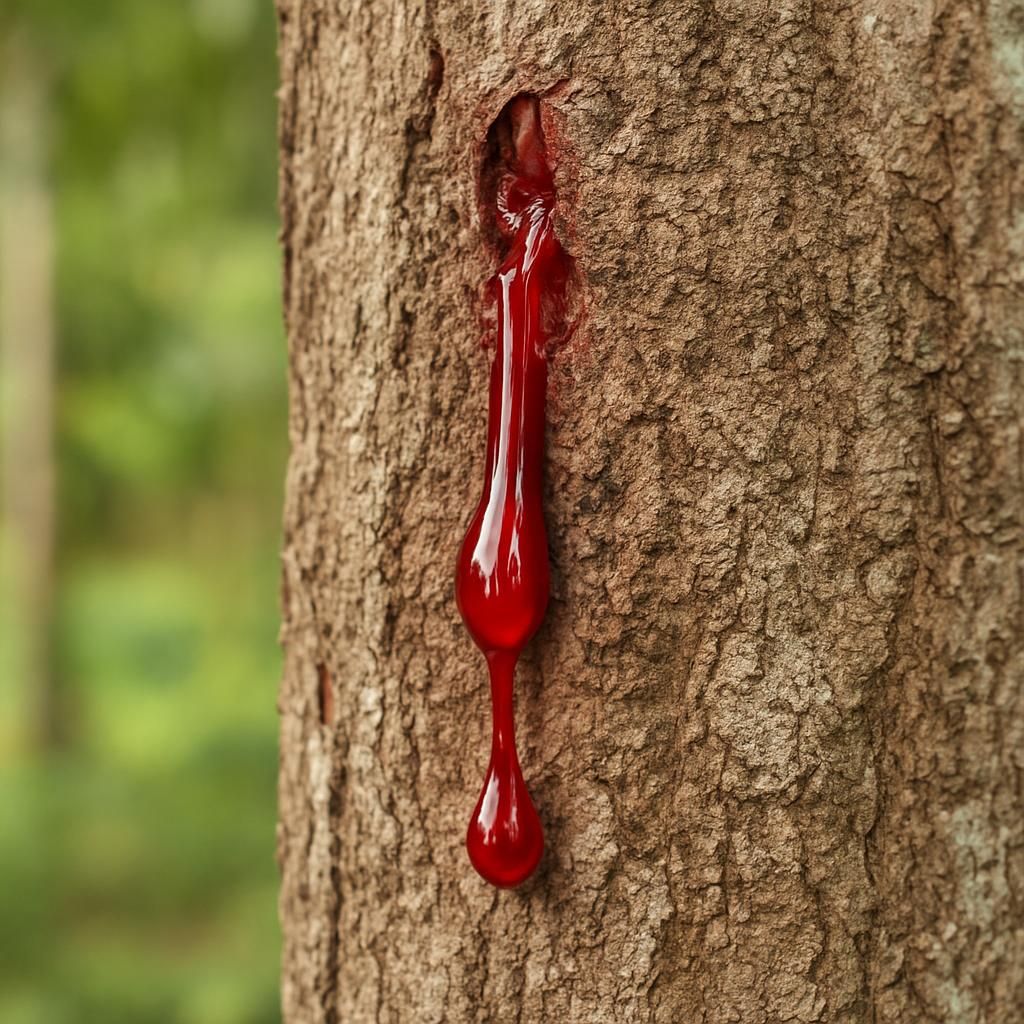
Dragon's Blood Resin, derived primarily from the latex of the Croton lechleri tree, has been used for centuries by indigenous communities in South America for its remarkable medicinal qualities. The bright red resin is rich in taspine, proanthocyanidins, and other bioactive compounds that support wound healing, gastrointestinal health, and skin repair. Today, demand for sustainably sourced resin continues to rise in pharmaceutical, cosmetic, and natural health markets.
Commercial cultivation of Croton lechleri offers growers a unique opportunity to produce a high-value non-timber forest product while contributing to reforestation efforts. Unlike many tropical commodities, Dragon's Blood Resin production can be integrated into agroforestry systems, providing both ecological and economic benefits. Proper site selection, propagation techniques, and organic management are essential for achieving consistent yields and maintaining resin quality.
This guide delivers professional-grade agricultural advice for establishing and managing productive Dragon's Blood Resin plantations.
Botanical Profile of Dragon's Blood Resin
Croton lechleri is a fast-growing, pioneer species in the Euphorbiaceae family native to the lowland rainforests of Peru, Ecuador, Colombia, and Brazil. The tree typically reaches 10–20 meters in height with a straight trunk and spreading canopy. Its leaves are large, alternate, and ovate with prominent veins, while small, inconspicuous flowers appear in terminal spikes.
The characteristic red latex exudes from the bark when wounded, containing high concentrations of taspine alkaloid and oligomeric proanthocyanidins responsible for its therapeutic effects. Young trees begin producing usable quantities of resin around 4–6 years of age, with peak production occurring between years 8 and 15. The species is dioecious, requiring both male and female trees for seed production, though most commercial plantings rely on vegetative propagation.
Soil, pH, and Climate Requirements for Dragon's Blood Resin
Croton lechleri thrives in well-drained, fertile soils typical of tropical lowland environments. The tree prefers deep loamy or sandy loam soils with good organic matter content and moderate water-holding capacity. Avoid heavy clay or waterlogged sites that promote root diseases.
| Parameter | Ideal Range | Notes |
|---|---|---|
| Soil Type | Loamy to sandy loam | Deep, well-drained profiles preferred |
| Soil pH | 5.5 – 7.0 | Slightly acidic to neutral |
| Temperature Range | 22 – 32 °C daytime | Minimum 15 °C; sensitive to frost |
| Annual Rainfall | 1,800 – 3,500 mm | Evenly distributed; supplemental irrigation in dry periods |
| Relative Humidity | 70 – 90 % | High humidity supports resin flow |
| Altitude | 0 – 800 m | Lowland tropical zones |
| Sunlight | Full sun to partial shade | Young plants benefit from light shade |
Step-by-Step Planting & Propagation
Dragon's Blood Resin is most reliably propagated from semi-hardwood cuttings taken from high-yielding mother trees. Select healthy branches 1–2 cm in diameter and 30–40 cm long. Remove lower leaves, treat the basal end with a rooting hormone containing 0.3 % IBA, and insert into a well-draining propagation mix of 50 % perlite and 50 % coco coir.
Maintain bottom heat at 26–28 °C and high humidity under mist or in a humidity dome. Roots typically form in 6–8 weeks. Once rooted, acclimate cuttings gradually to ambient conditions over 2–3 weeks before transplanting.
Field planting should occur at the start of the rainy season. Dig holes 40 × 40 × 40 cm and incorporate 5–10 kg of well-rotted compost or aged manure per planting hole. Space trees 4 m × 4 m for pure stands or 6 m × 6 m when intercropped. Plant seedlings or rooted cuttings at the same depth they were growing in the nursery and water thoroughly after planting.
Care & Maintenance regimes for Dragon's Blood Resin
Young Croton lechleri trees require consistent moisture and weed control during the first two years. Mulch with 10–15 cm of organic material around the base to suppress weeds and retain soil moisture. Remove competing vegetation within a 1 m radius of each trunk.
| Growth Stage | Watering Schedule | Fertilizer Application | Pruning Schedule |
|---|---|---|---|
| Year 1–2 | 15–20 L per tree, 2–3× weekly | 200 g NPK 10-10-10 every 8 weeks | Formative pruning at 6 and 18 months |
| Year 3–5 | 25–30 L per tree, weekly | 400 g NPK 15-5-20 + micronutrients, 3× yearly | Remove lower branches to 1.5 m |
| Year 6+ | 30–40 L per tree, every 10–14 days | 500 g balanced organic fertilizer annually | Light thinning every 2–3 years |
Apply fertilizers in a ring 30–50 cm from the trunk and irrigate immediately afterward. Monitor leaf color and adjust nitrogen rates accordingly. Avoid excessive vegetative growth that reduces resin concentration.
Pests, Diseases & Organic Management
Common pests affecting Croton lechleri include Aphids, Mealybugs, and Spider Mites. Regular scouting and early intervention with neem oil or insecticidal soaps effectively control these sap-feeding insects. Encourage beneficial insects such as lady beetles and lacewings by maintaining diverse hedgerows.
Fungal issues such as Root rot and Leaf spot diseases may occur in poorly drained soils. Improve drainage, avoid overhead irrigation, and apply compost teas fortified with beneficial microbes. In severe cases, drench with a biological fungicide containing Trichoderma spp.
Harvesting, Curing & Optimal Storage
Resin harvesting begins when trunk diameter at breast height reaches 15–20 cm, typically at 4–6 years. Make shallow V-shaped incisions on opposite sides of the trunk during the early morning when latex flow is highest. Collect the red latex in clean containers and allow it to air-dry in thin layers on non-stick surfaces for 3–5 days until it forms a brittle, glassy resin.
Store cured resin in airtight glass or food-grade plastic containers away from direct sunlight and moisture. Properly cured and stored Dragon's Blood Resin retains potency for 3–5 years. Label batches with harvest date and source tree for traceability.
Companion Planting for Dragon's Blood Resin
Integrating Dragon's Blood Resin into agroforestry systems enhances biodiversity and soil health. Compatible companions include Cacao, Vanilla, and Black Pepper which share similar shade and humidity requirements. Leguminous cover crops such as Pigeon pea and Gliricidia improve soil nitrogen and provide light shade for young trees.
Avoid planting with heavy feeders or crops that require frequent tillage. Maintain a diverse understory of Thyme, Rosemary, and Marigold to repel pests and attract pollinators. These pairings support resilient, productive Dragon's Blood Resin systems while diversifying farm income.