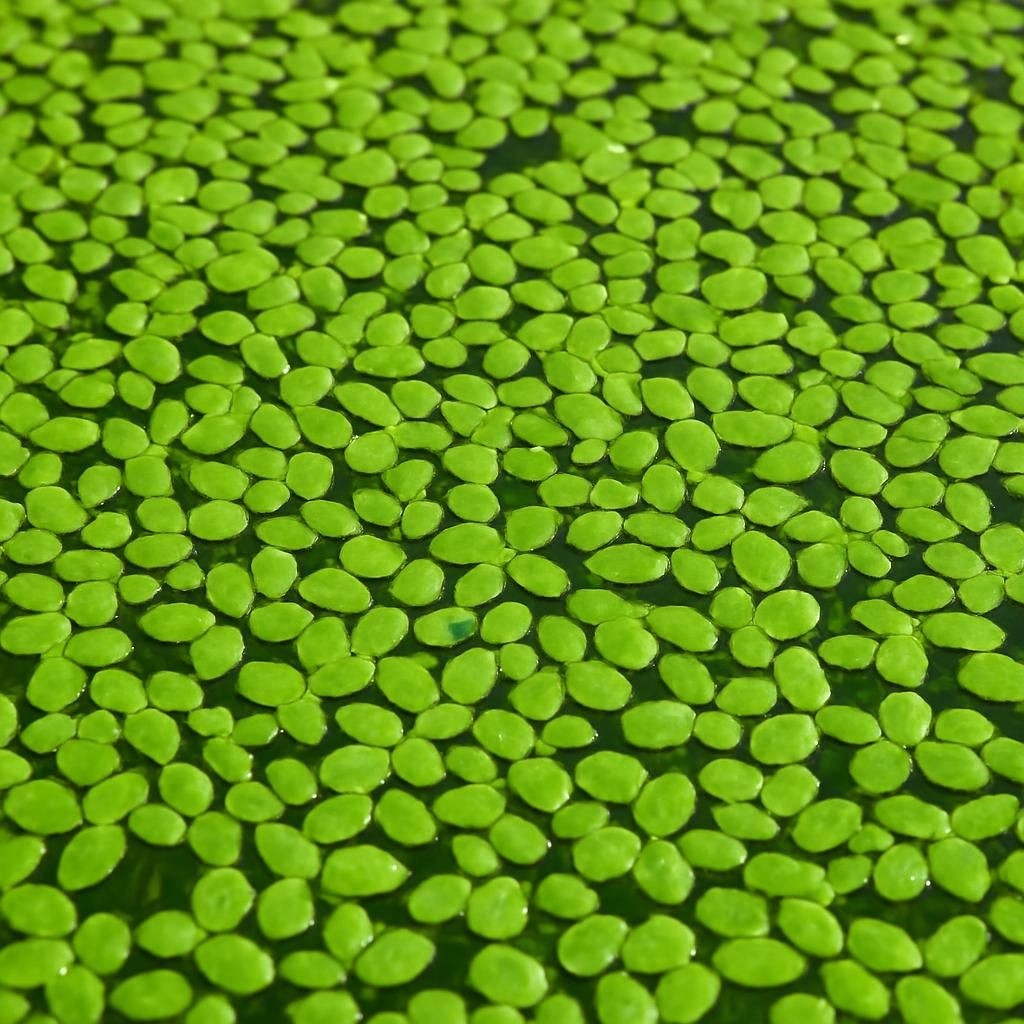
Introduction to Duckweed
Duckweed (Lemna minor and related species) represents one of the most productive protein sources per unit area on Earth. As a floating aquatic macrophyte, it thrives on nutrient-rich water surfaces where it forms dense mats that can be harvested weekly. Its rapid growth rate, high protein content (up to 45% dry weight), and ability to remediate wastewater make it valuable for both small-scale homesteaders and large commercial operations. Rice systems often integrate duckweed for dual-purpose nutrient cycling and feed production.
Botanical Profile of Duckweed
Duckweed belongs to the Araceae family and comprises several genera including Lemna, Spirodela, Wolffia, and Landoltia. The most commonly cultivated species, Lemna minor, features tiny oval fronds 2–5 mm long with a single rootlet. Plants reproduce primarily by vegetative budding, with each frond capable of producing daughter fronds every 16–24 hours. Flowering is rare in cultivation but can occur under specific photoperiod and nutrient triggers. The plant lacks true stems or leaves, consisting instead of a modified stem called a frond that floats due to air spaces (aerenchyma).
Soil, pH, and Climate Requirements for Duckweed
Duckweed does not require traditional soil; it floats on water. Optimal water conditions include neutral to slightly alkaline pH and moderate temperatures. The following table summarizes ideal parameters:
| Parameter | Ideal Range | Notes |
|---|---|---|
| pH | 6.5 – 7.5 | Avoid below 5.5 or above 8.5 |
| Water Temperature | 20 – 30 °C | Growth slows below 15 °C or above 35 °C |
| Light Intensity | 10,000 – 25,000 lux | Full sun to partial shade; avoid deep shade |
| Electrical Conductivity | 1,000 – 3,000 µS/cm | Higher EC increases protein content |
| Dissolved Oxygen | 3 – 8 mg/L | Aeration optional but beneficial |
| Nutrient Levels (N) | 20 – 100 mg/L | Higher nitrogen boosts protein |
Step-by-Step Planting & Propagation
- Source clean, healthy starter culture from a reputable supplier or existing pond.
- Prepare shallow ponds or raceways 15–30 cm deep with dark liners to absorb heat.
- Fill with dechlorinated water and adjust pH to 6.5–7.5 using agricultural lime if needed.
- Inoculate at 20–30% surface coverage to allow rapid colonization.
- Maintain gentle water movement (0.1–0.3 m/s) using air stones or paddlewheels.
- Monitor daily for temperature, pH, and coverage; harvest when coverage exceeds 80%.
Care & Maintenance regimes for Duckweed
Consistent monitoring prevents nutrient depletion and maintains high productivity. The schedule below outlines key tasks:
| Task | Frequency | Details |
|---|---|---|
| Water Top-up | Daily | Replace 5–10% volume to maintain depth |
| pH Testing | Every 2 days | Adjust with lime or vinegar as needed |
| Nitrogen Fertilizer | Weekly | Add 10–20 mg/L N as urea or fish emulsion |
| Phosphorus Supplement | Bi-weekly | 5–10 mg/L P if growth slows |
| Surface Skimming | Every 3–5 days | Remove debris and excess biomass |
| Full Harvest | Every 7–10 days | Retain 20–30% coverage for regrowth |
Pests, Diseases & Organic Management
Duckweed is relatively pest-resistant but can suffer from fungal infections and herbivory. Aphids occasionally colonize exposed mats in greenhouse settings. Fungal pathogens such as Pythium may cause browning when water stagnates. Organic controls include increasing aeration, introducing duckweed-eating fish like tilapia at low densities, and maintaining nutrient balance to strengthen plant vigor. Regular harvesting disrupts pest life cycles.
Harvesting, Curing & Optimal Storage
Harvest using fine-mesh nets or automated skimmers when mats reach 80–100% coverage. Rinse harvested biomass with clean water to remove excess nutrients. Sun-dry or use low-temperature dehydrators at 40–50 °C until moisture drops below 10%. Store dried duckweed in airtight containers away from light and moisture for up to 12 months. Fresh material can be fed directly to livestock within 24 hours.
Companion Planting for Duckweed
Duckweed integrates well with Rice paddies where it fixes nitrogen and provides shade that suppresses algae. It also pairs effectively with Tilapia aquaculture systems, utilizing fish waste while supplying high-protein feed. Avoid planting near fast-flowing streams or areas with heavy pesticide runoff.
For additional strategies on integrating aquatic crops with traditional farming, see the blog post Summer Companion Planting: 10 Organic Pairings to Boost Small Farm Resilience.