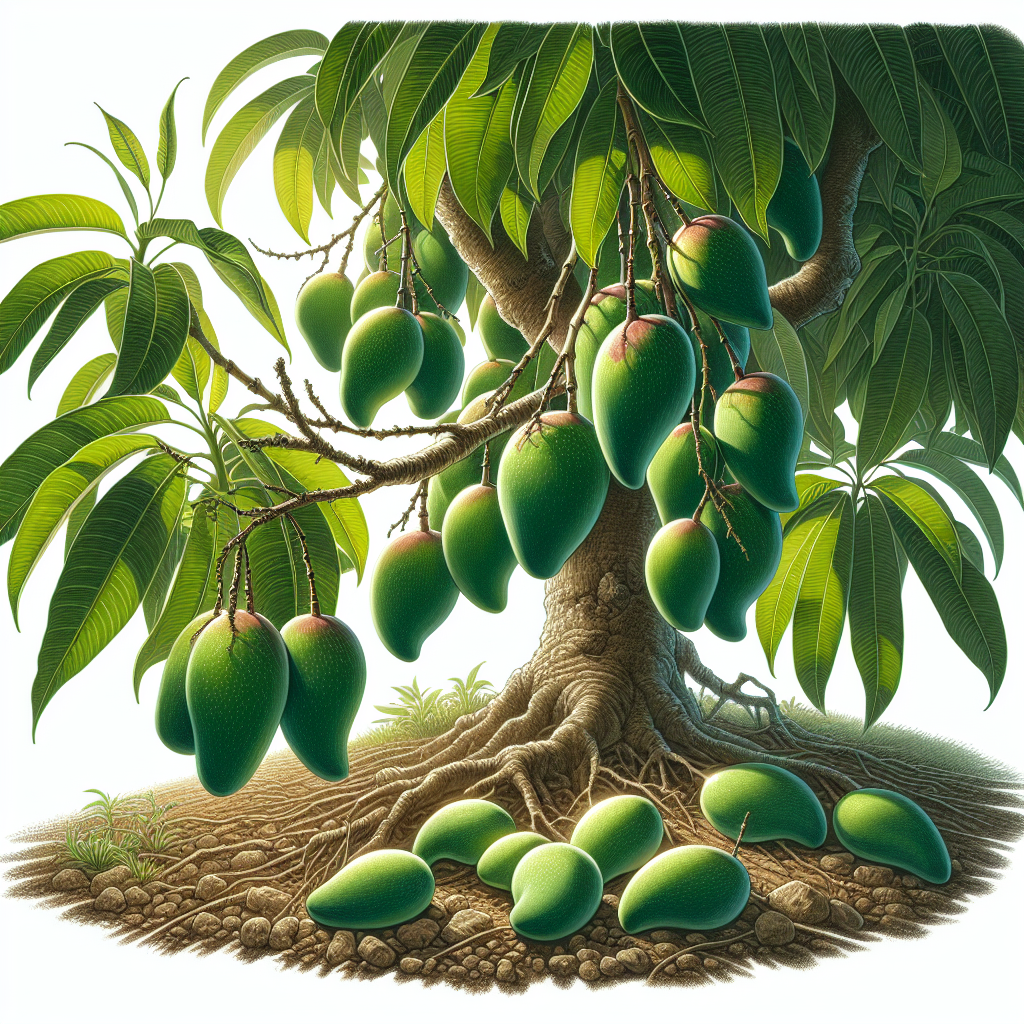
Introduction to drop
Drop, often referred to as fruit drop or premature fruit shedding, is a widespread physiological disorder impacting fruit-bearing crops worldwide. This condition manifests as the unexpected loss of developing fruits from trees or plants, resulting in substantial economic losses for growers. Unlike pest or pathogen-induced damage, drop is primarily triggered by abiotic factors such as water stress, temperature extremes, nutrient imbalances, and hormonal disruptions during critical growth stages like flowering and fruit set.
Understanding drop is crucial for avocado growers and other fruit producers, as it can reduce yields by 20-80% in severe cases. Early diagnosis and proactive management can prevent massive fruit fall-off, ensuring healthier orchards and higher productivity. This guide provides comprehensive insights into symptoms, lifecycle, triggers, organic controls, prevention strategies, and affected crops, empowering farmers with actionable, science-backed advice.
Identifying Symptoms & Damage
Recognizing drop early is key to minimizing losses. The primary symptom is the sudden detachment of small fruits (typically pea-sized to walnut-sized) from peduncles, often accompanied by a clean abscission scar without rot or insect damage. Affected fruits appear healthy but yellowing or shriveling just before dropping.
Damage patterns include:
- June Drop: Common in stone fruits like peach, occurring 4-6 weeks after bloom due to competition for resources.
- Pre-Harvest Drop: Late-season shedding in apple and citrus, linked to water deficits.
- Blossom-End Drop: In tomatoes and peppers, resembling blossom-end-rot but caused by calcium deficiency and stress.
Inspect trees for clustered drops under the canopy, leaf yellowing, or wilting. Yield impacts are severe: a single mango tree can lose hundreds of fruits, dropping marketable yield by 50%. Differentiate from pests like fruit borers by absence of entry holes or frass.
Lifecycle and Progression of drop
Drop isn't caused by a single pathogen but progresses through physiological stages tied to plant development. It begins during pollination when poor fruit set occurs due to incomplete fertilization. Immature fruits then enter a vulnerable phase (0-4 weeks post-bloom), where hormonal signals (ethylene surge) trigger abscission layer formation at the peduncle.
Progression:
- Initiation (Flowering): Pollen viability drops below 50% under heat (>95°F) or cold (<55°F).
- Fruit Set (0-2 weeks): 70-90% natural thinning via competition; stress accelerates to 100% drop.
- Rapid Drop Phase (2-6 weeks): Ethylene peaks, fruits abscise within 24-48 hours.
- Chronic Phase: Repeated drops in flushes, weakening trees and inviting secondary issues like sooty mold.
In banana, bunch drop follows similar patterns, exacerbated by wind. Without intervention, cycles repeat annually, compounding yield decline up to 30% over seasons.
Environmental Triggers & Risk Factors
Drop thrives under specific stressors:
- Water Stress: Irregular irrigation causes turgor loss; deficit during fruit set doubles drop rates.
- Temperature Extremes: Heat (>100°F) or frost disrupts hormone balance; common in orange groves.
- Nutrient Imbalances: Low boron, calcium, or potassium; excess nitrogen promotes vegetative growth over fruit retention.
- Hormonal Factors: High ethylene from over-maturity or girdling.
- Soil Issues: Poor drainage leads to root rot, reducing uptake.
Risk factors include young orchards (<5 years), heavy crop loads, and clay soils. High winds in dragon fruit plantations mechanically aid drop. For more on stress management, see our Soil Health Mastery blog.
Organic Control & Treatment Plans
Organic management emphasizes prevention over cure, as drop is physiological. Implement these plans:
Immediate Actions (Active Drop):
- Apply foliar calcium (chelated, 2-4 lbs/acre) and boron (0.5-1 lb/acre) sprays weekly during fruit set.
- Use seaweed extracts (1-2 gal/acre) to boost cytokinins, countering ethylene.
- Mulch heavily (4-6 inches organic matter) to stabilize soil moisture.
Integrated Plan:
- Nutrition: Soil test annually; amend with compost (10 tons/acre) and rock dust for micronutrients.
- Irrigation: Drip systems maintaining 80-90% field capacity; avoid overwatering.
- Hormone Balancers: Organic biostimulants like humic acids (1 qt/100 gal) every 14 days.
- Pruning: Thin heavy crops by 30% post-bloom to reduce competition.
- Beneficials: Plant marigold borders to deter stress-amplifying pests like aphids.
Monitor with weekly scouting; expect 20-40% drop reduction in first season. Combine with companion planting for resilience.
Preventing drop in the Future
Long-term prevention builds resilient systems:
- Site Selection: Choose well-drained loams; avoid frost pockets.
- Variety Selection: Opt for drop-resistant cultivars like Hass over susceptible Fuerte in avocado.
- Cultural Practices: Balanced fertilization (N-P-K 1:1:1 ratio); cover crops for moisture retention.
- Monitoring Tech: Use soil sensors for real-time data; predict drop via weather apps.
- Crop Rotation: Alternate with clover to fix nitrogen and break stress cycles.
Annual programs yield 15-25% higher retention. Scout for early signs and adjust irrigation preemptively.
Crops Most Affected by drop
Drop plagues fruit-heavy crops:
- Tree Fruits: Apple, mango, avocado, citrus.
- Small Fruits: Strawberry, grapes.
- Tropicals: Banana, dragon fruit, papaya.
- Vegetables: Tomato, bell pepper.
Tomato suffers blossom-end drop from calcium issues; mango loses 50% in monsoons. Prioritize high-value crops for intensive management.